Going South with Stu & Tash

We waved goodbye to Ken and Les at Te Anau, and then made our way southward.

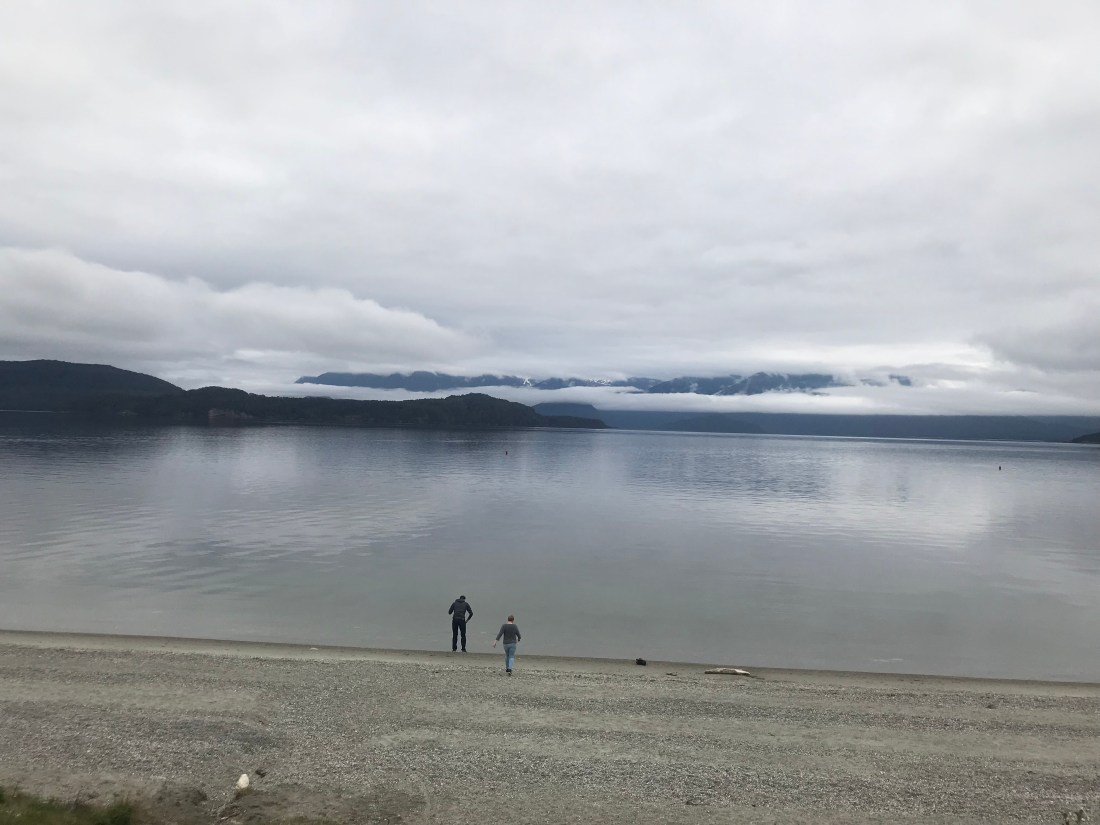
I had a quick dip in Lake Manapouri at Fraser’s Beach, not far from Te Anau. Although the surface area of Manapouri is much smaller than Te Anau, it is slightly deeper at its deepest point. No one else was around and the water was so clear and refreshing, as it seems to be everywhere here. Hmmm lovely!

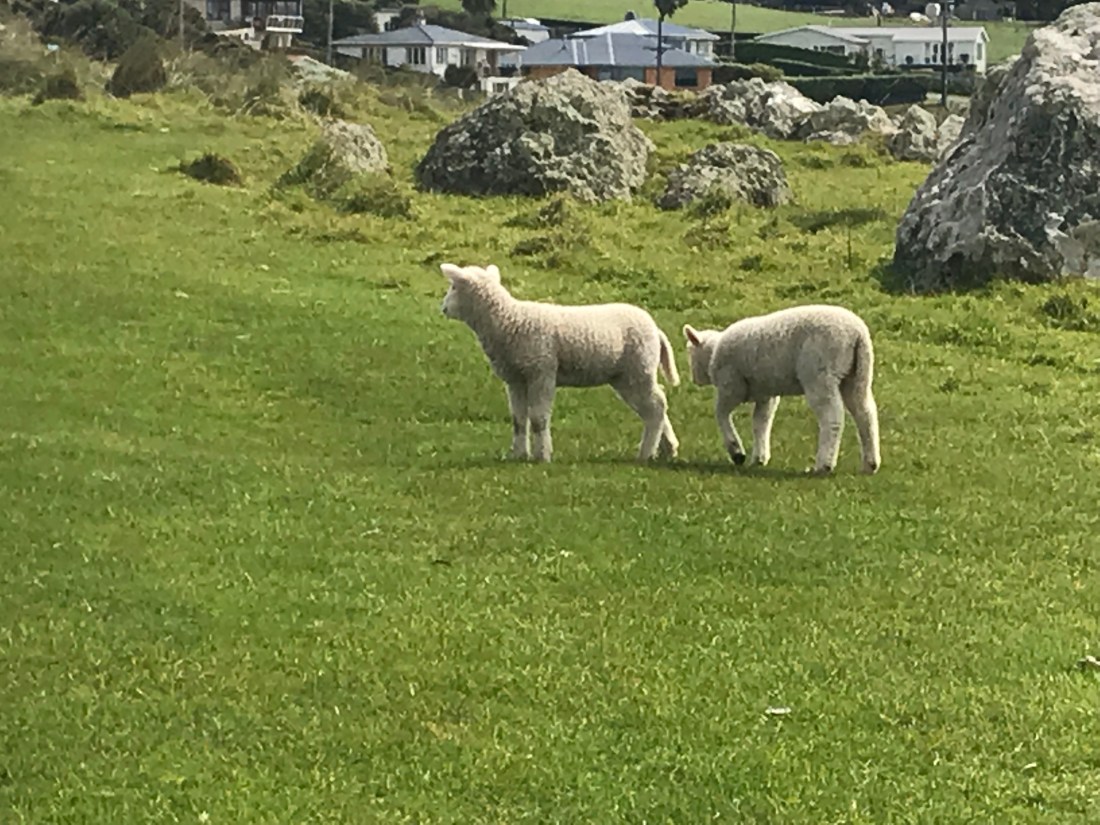
The countryside we’re driving through now is much less mountainous. Think rolling bright green hills full of soft grass for the many sheep to enjoy, interspersed with hillsides covered in plantations of pine trees and big patches of yellow gorse (a pest in New Zealand, as it’s non native and spreads out of control). Every now and again, there’s a big section of pine forest that has been felled by loggers, green trees replaced with lengths of log ready for transit.

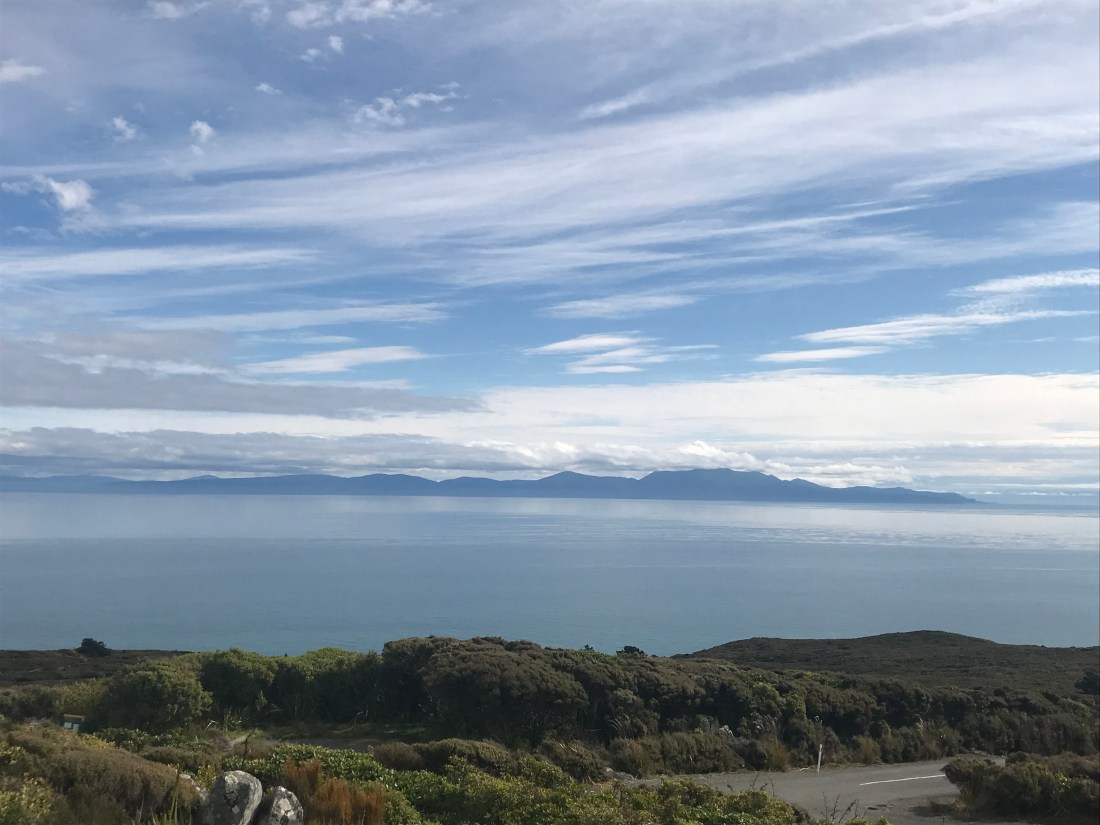
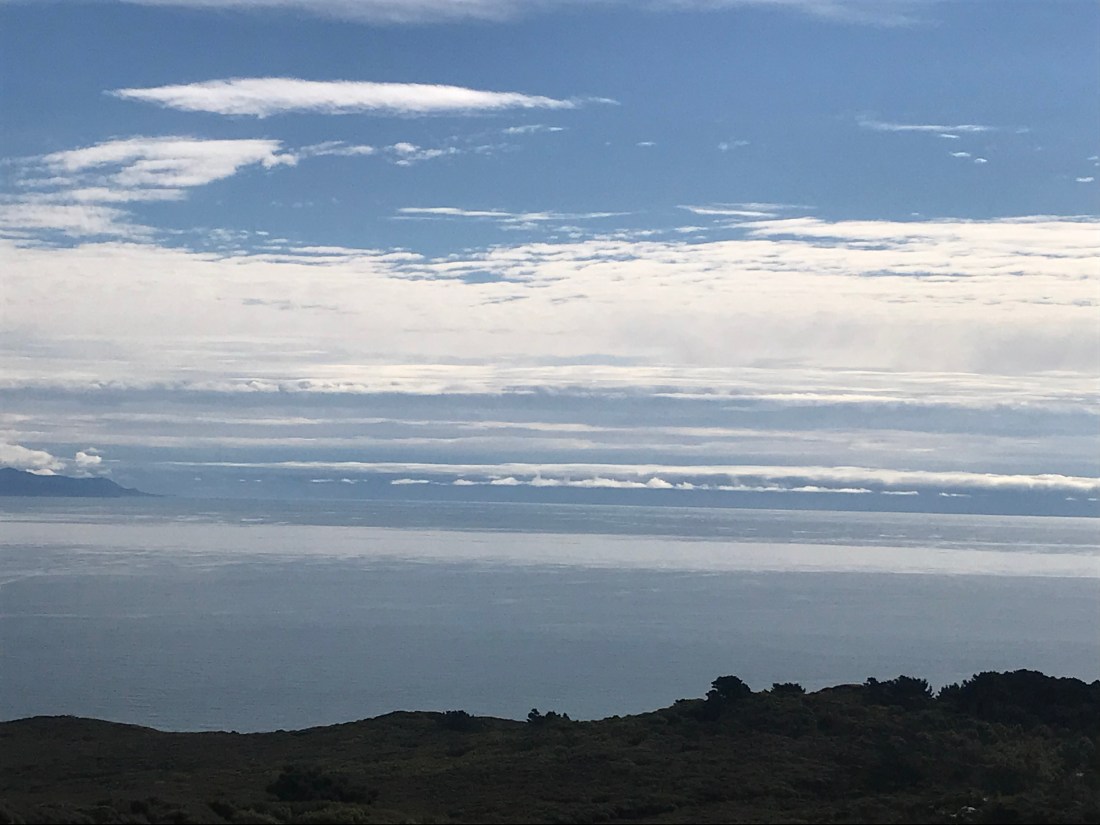
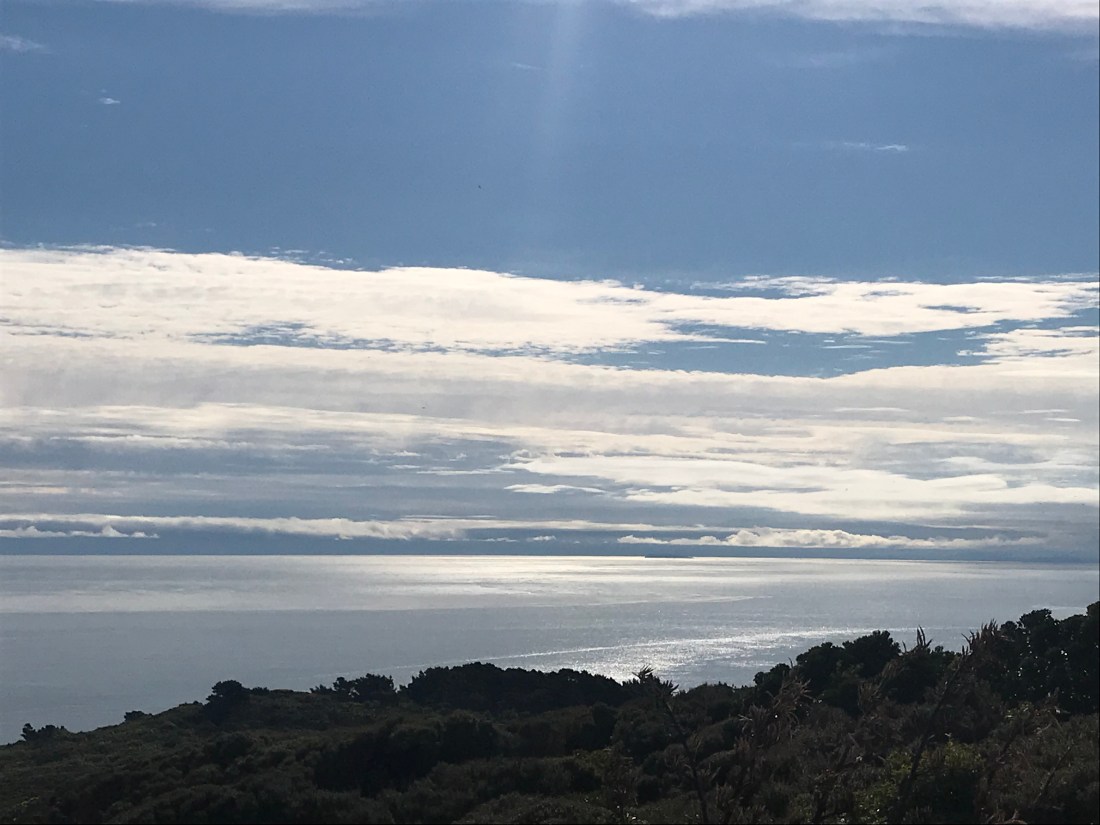
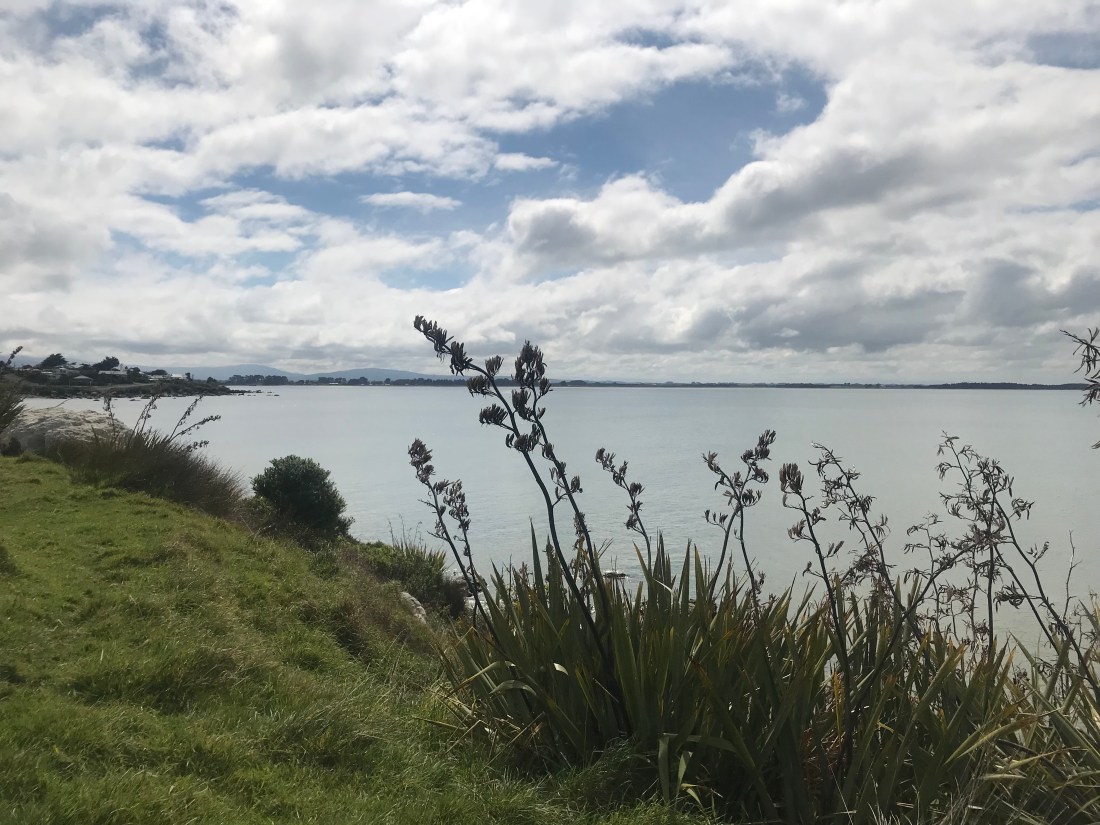
The Foveaux Strait (pronounced Foh voh) is the name for the body of sea between the South Island and Stewart Island, just off the South coast. At McCracken’s Rest, we stopped at a lookout over the sea. As we watched, suddenly Tash spotted a little group of 4 Hector’s dolphins swimming and diving along. This is the smallest known breed of dolphin. Hector’s dolphins are also very rare and I think have only been seen in New Zealand. This area is home to one of the largest populations of them.

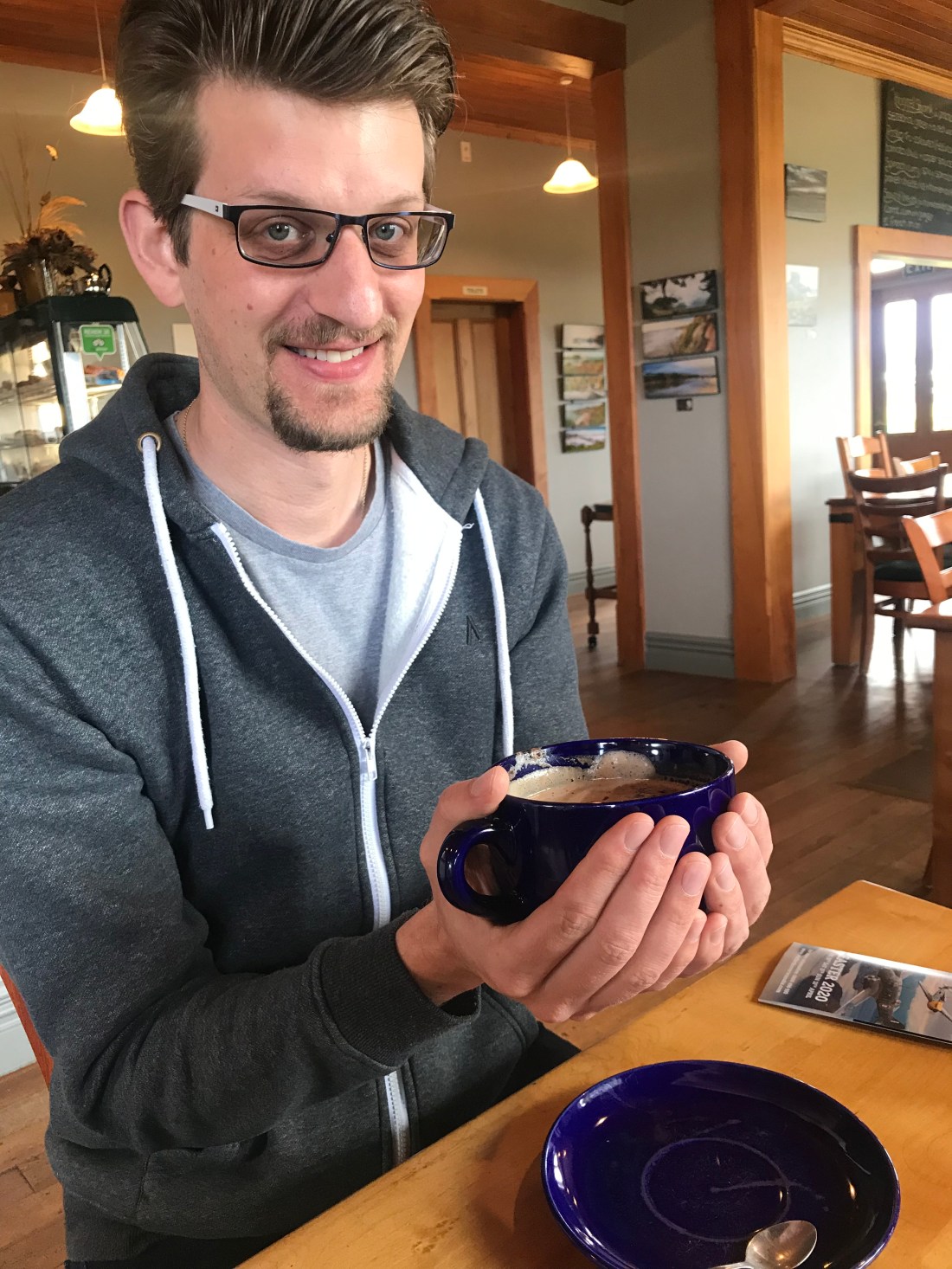
We stopped off at Orepuki (following another of George’s great recommendations) for lunch, where Stu found the perfectly sized bowl for his mocha, and I was mightily comforted by the warming carrot and coriander soup, which reminded me strongly of home.

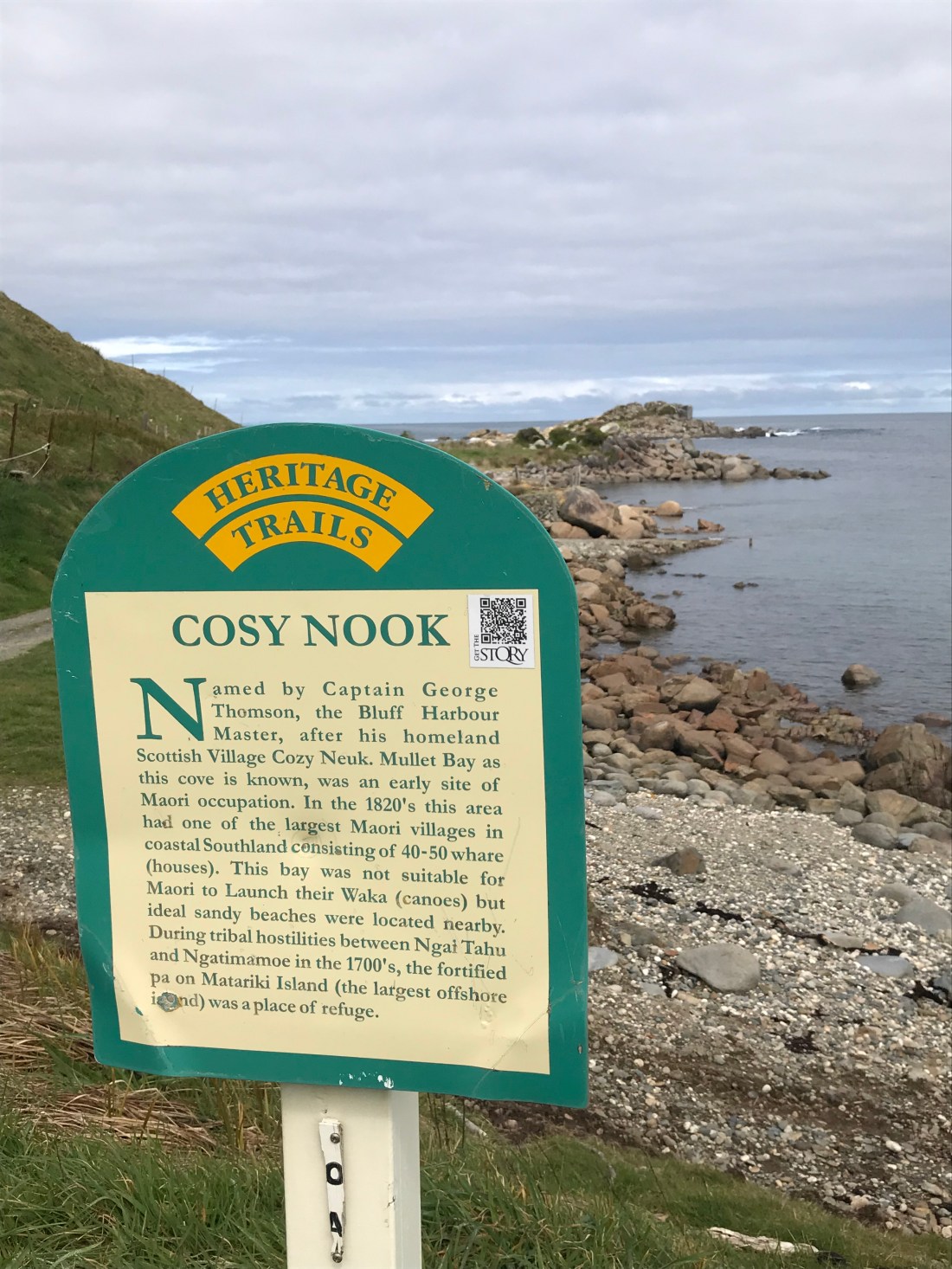
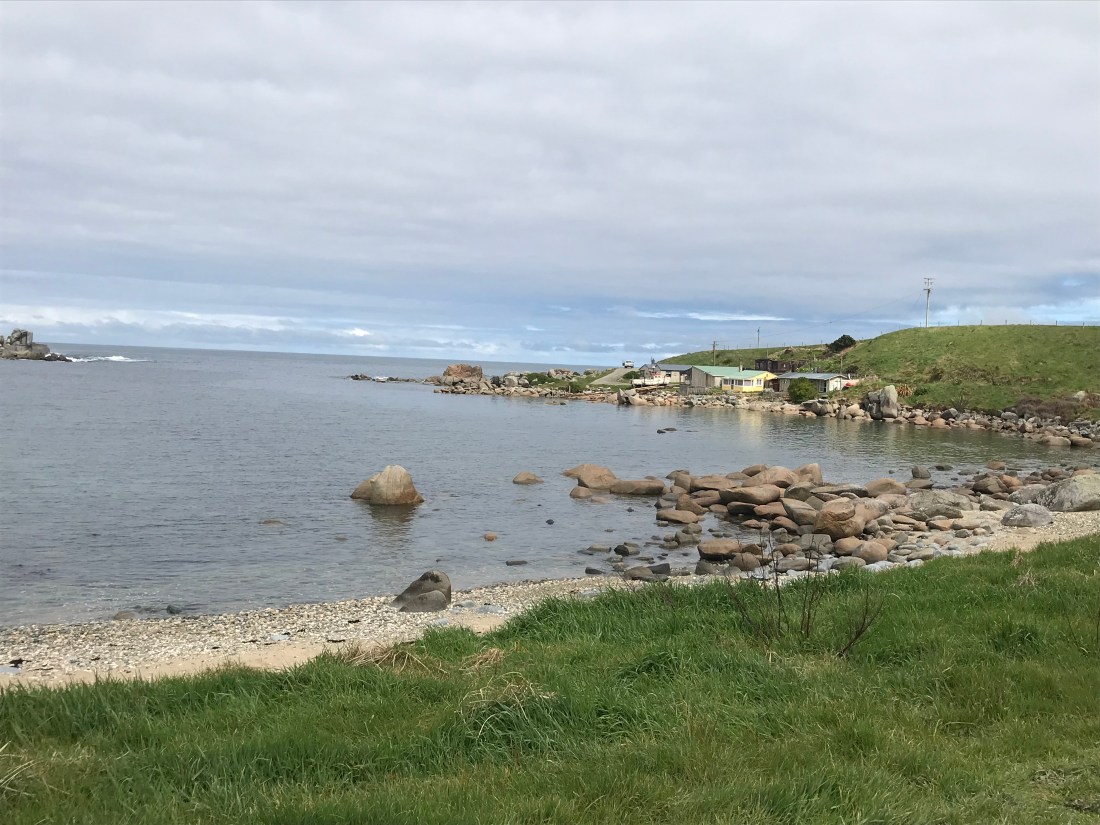
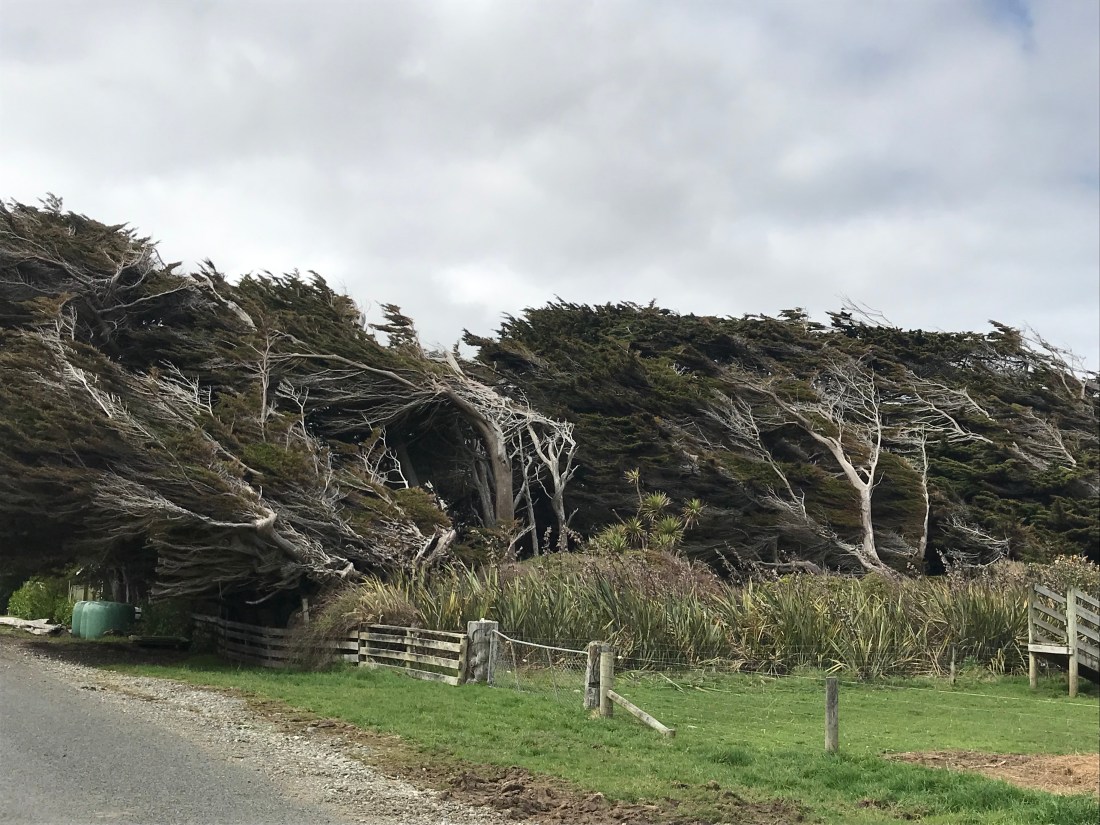
Then we took a couple of short detours along the beautiful coastline; the first to Cosy Nook Bay, where the trees were blown virtually horizontal by the prevailing wind coming off the sea.

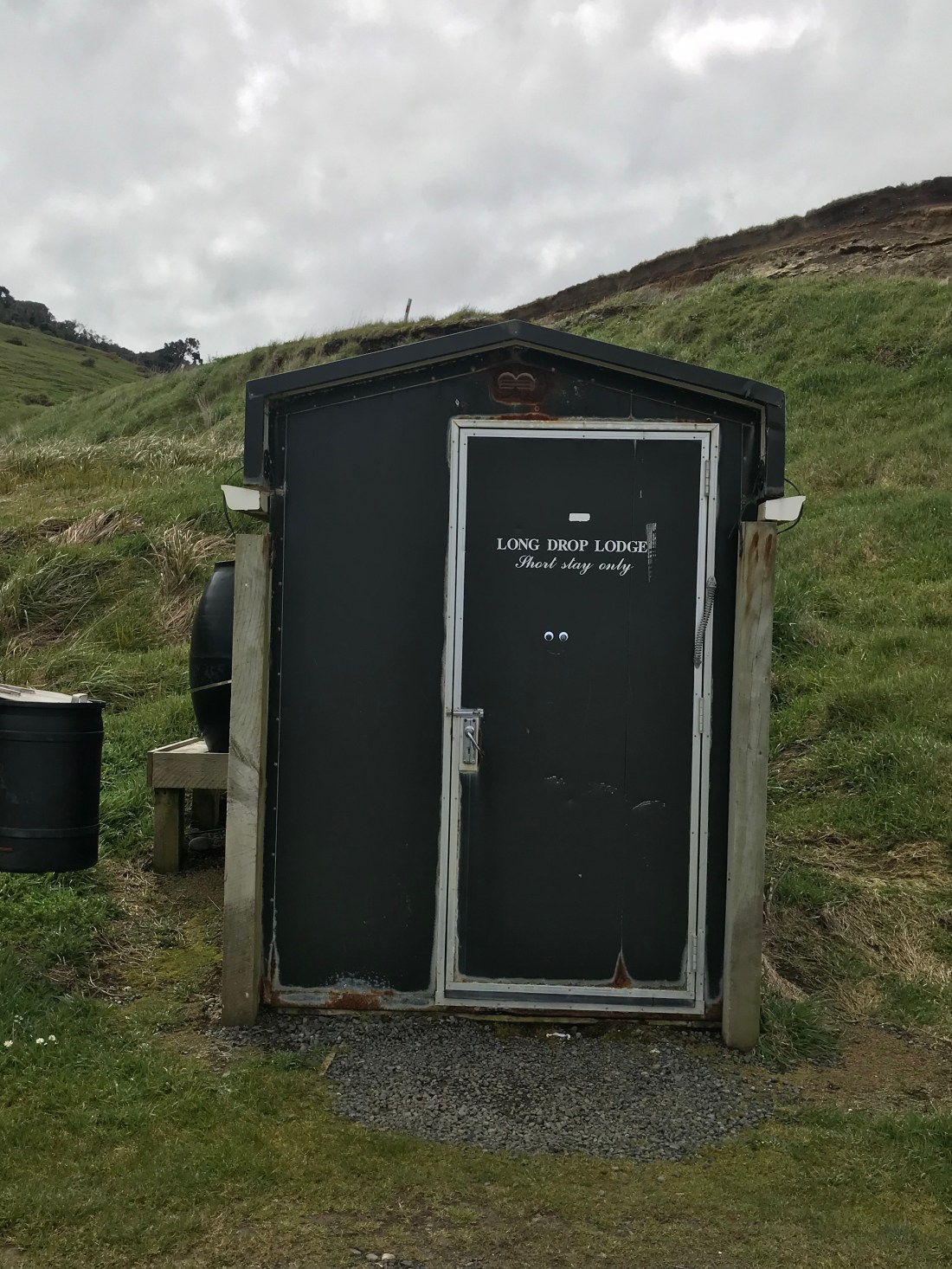
The kiwi sense of humour! 👇🏼 (“Long drop lodge; short stay only”)

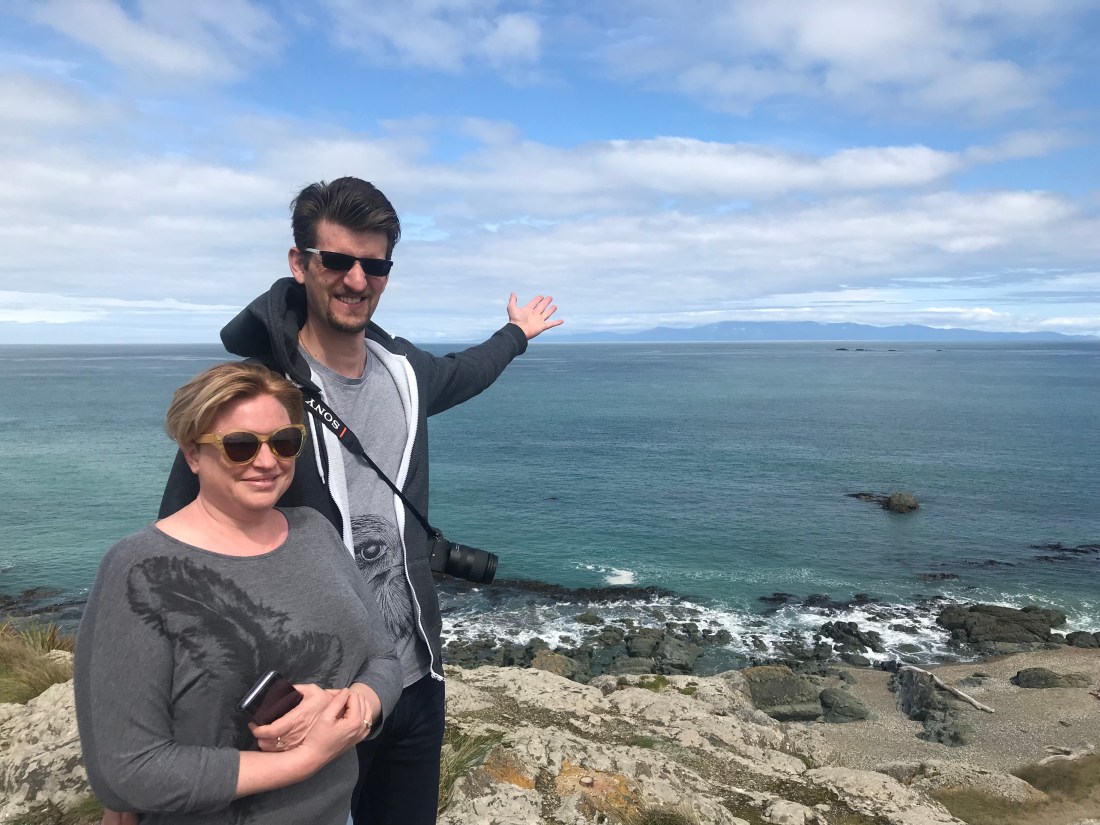
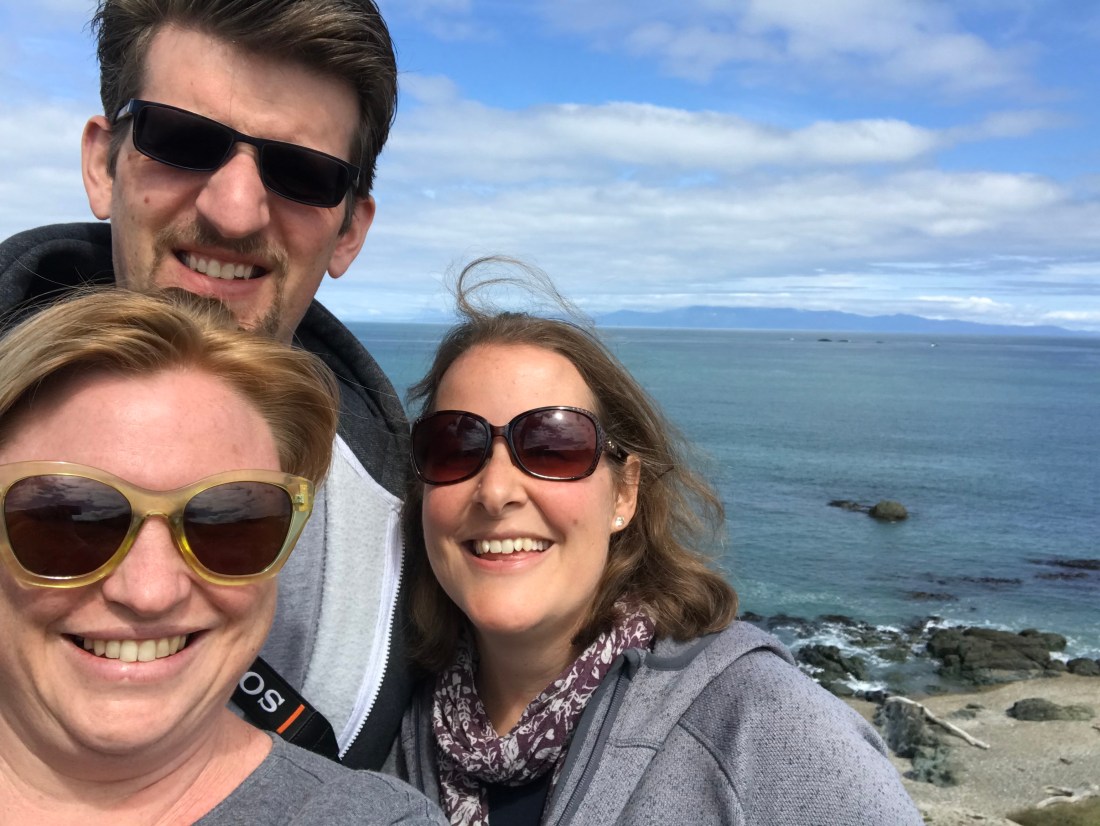
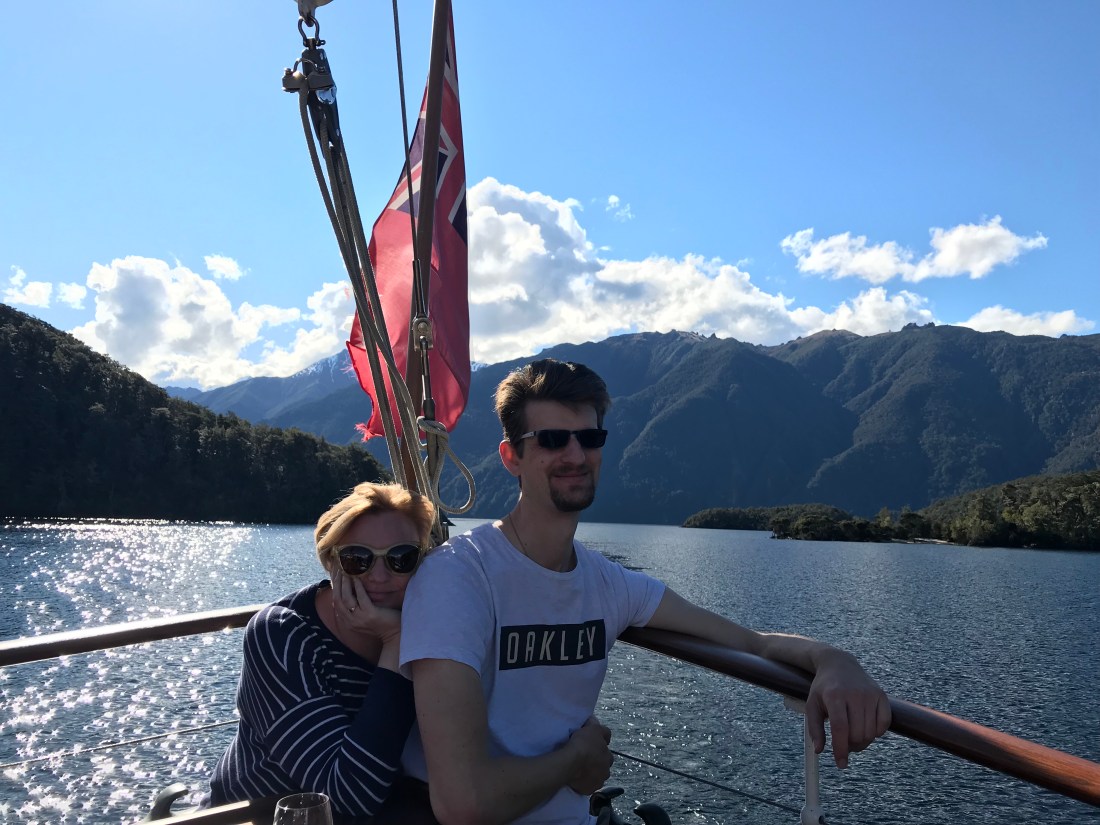
Then we detoured to Howells Point at Riverton, overlooking Stewart Island (another recommendation from skipper George). We were surprised how warm we were as the sun broke through the clouds. Stuart and Tash in front of the island named after him (though spelt differently!) 👇🏼

Faith in Fjordland

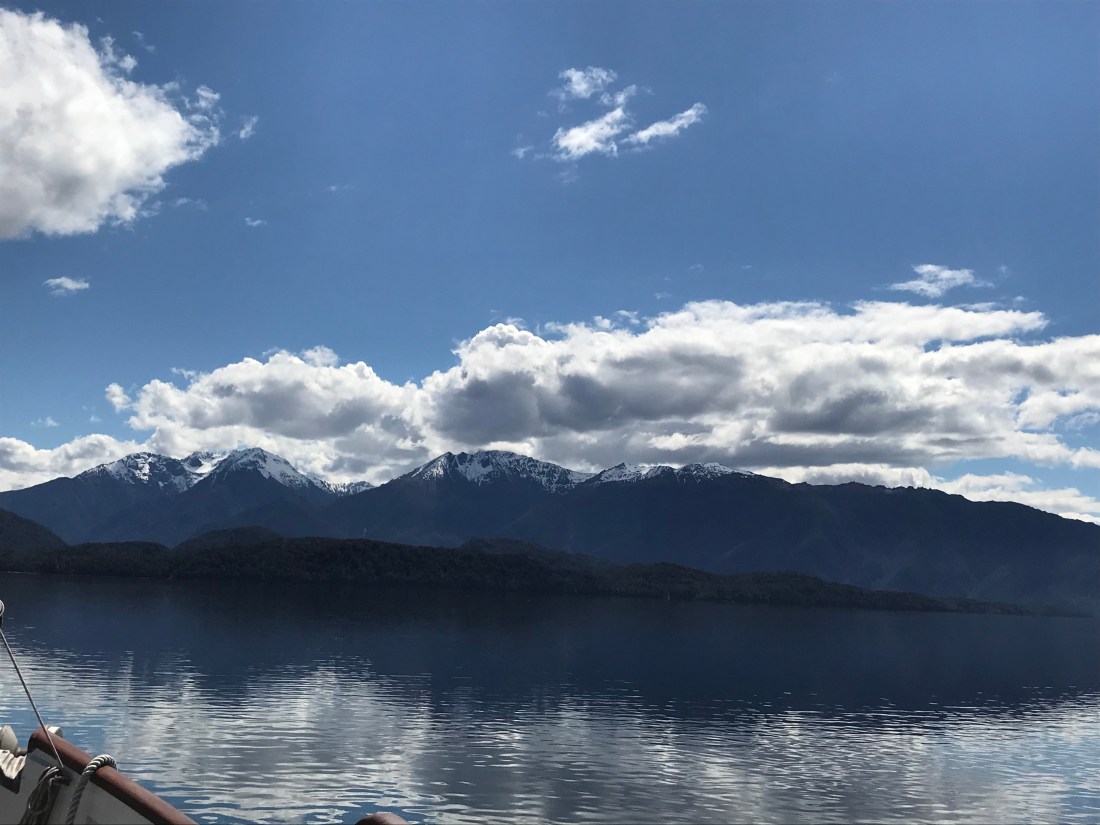
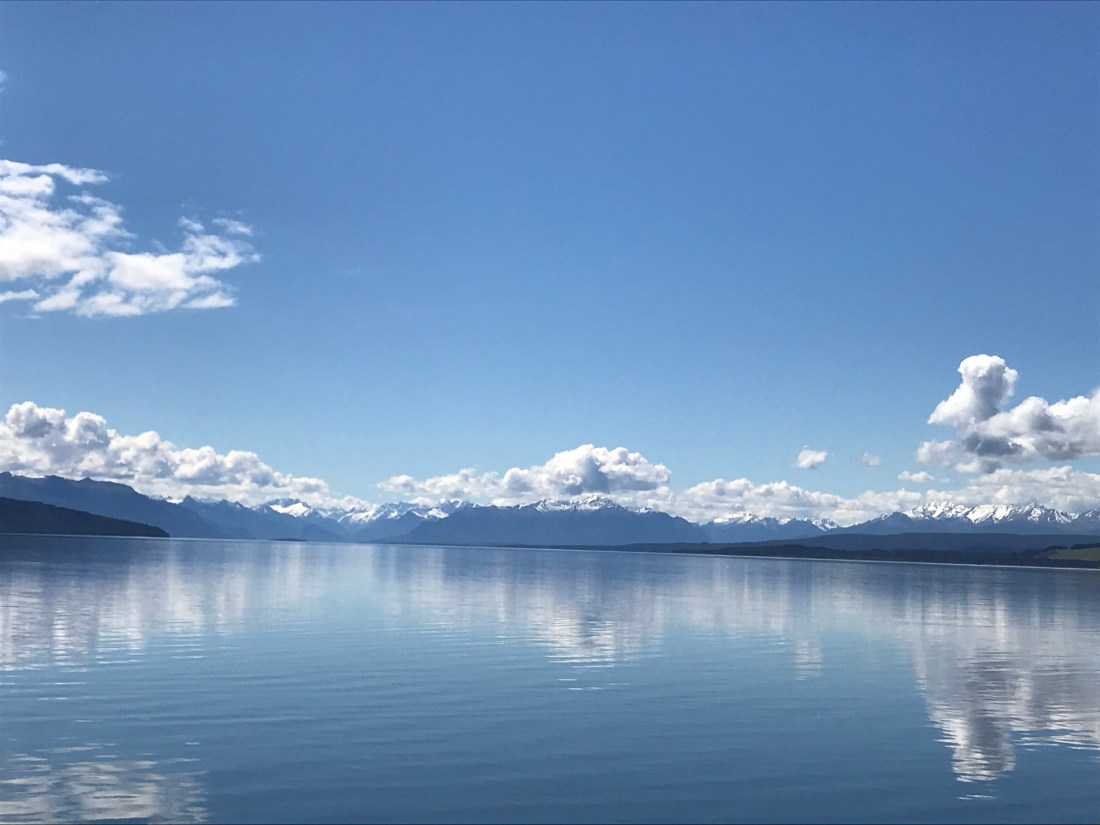
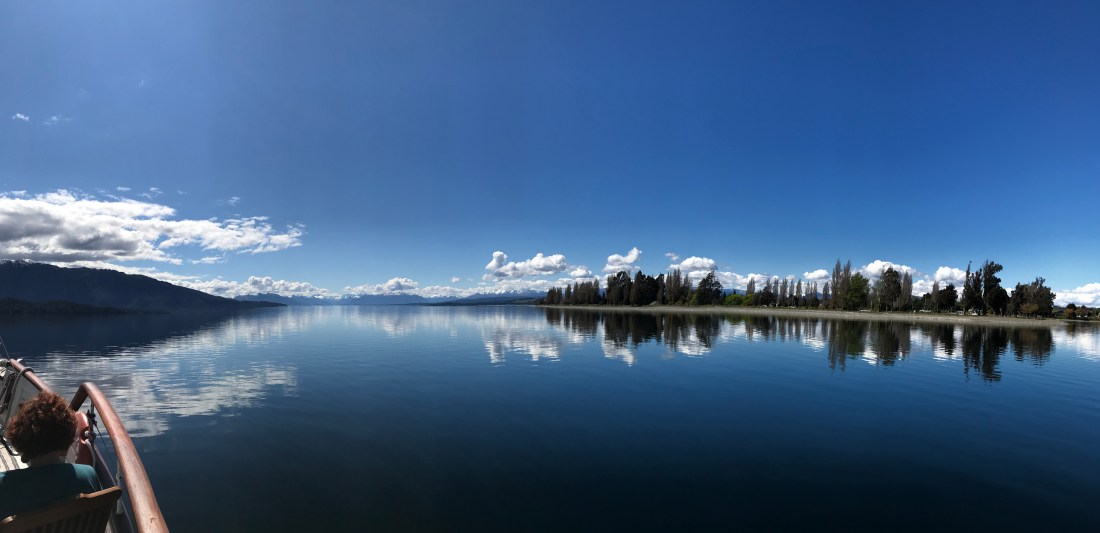
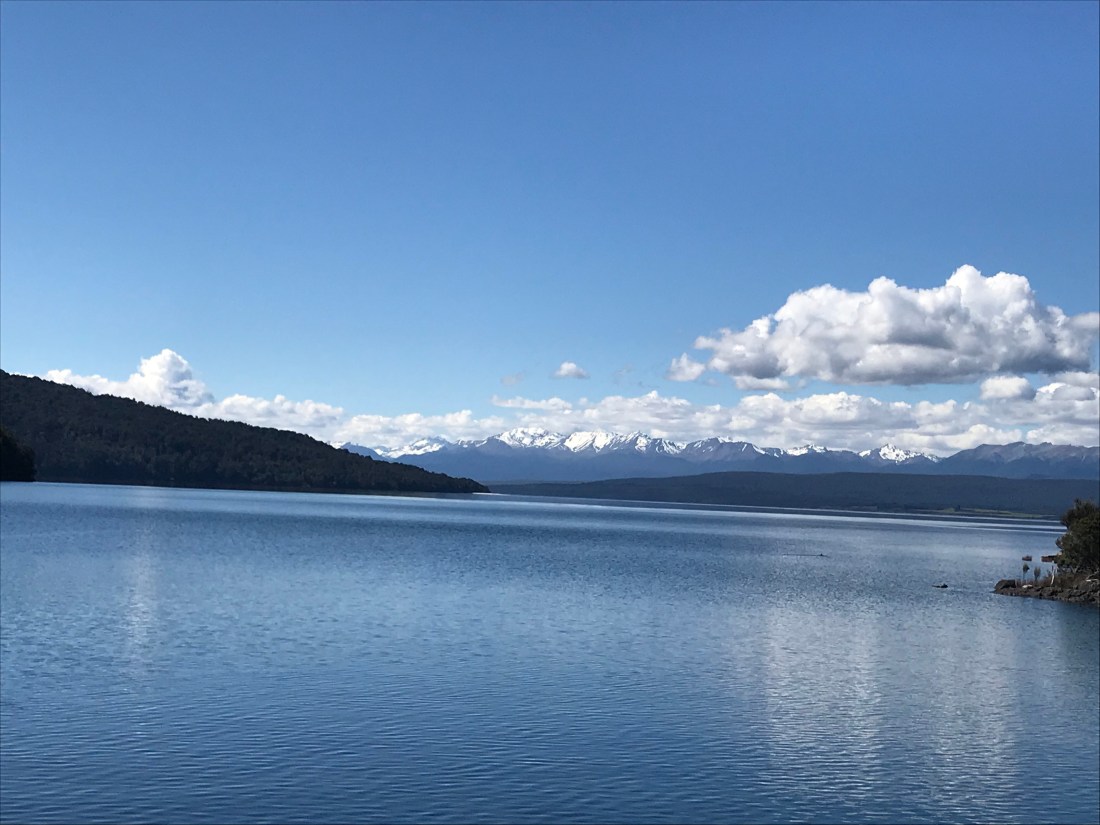
We went on this boat trip on Lake Te Anau, which was stunningly beautiful. The lake is enormous. In NZ it’s second only to Lake Taupo in terms of its surface area. But volume wise it is the largest fresh water lake in Australasia. To give you an idea, the main body of the lake is 65km long and up to 417m deep. The Olympic swimming pool I swim in at home is 2m deep, to give some comparison! Te Anau is unique in NZ for having three inland fjords. I’m still quite confused about what makes a fjord a fjord, but they are just beautiful, anyway.

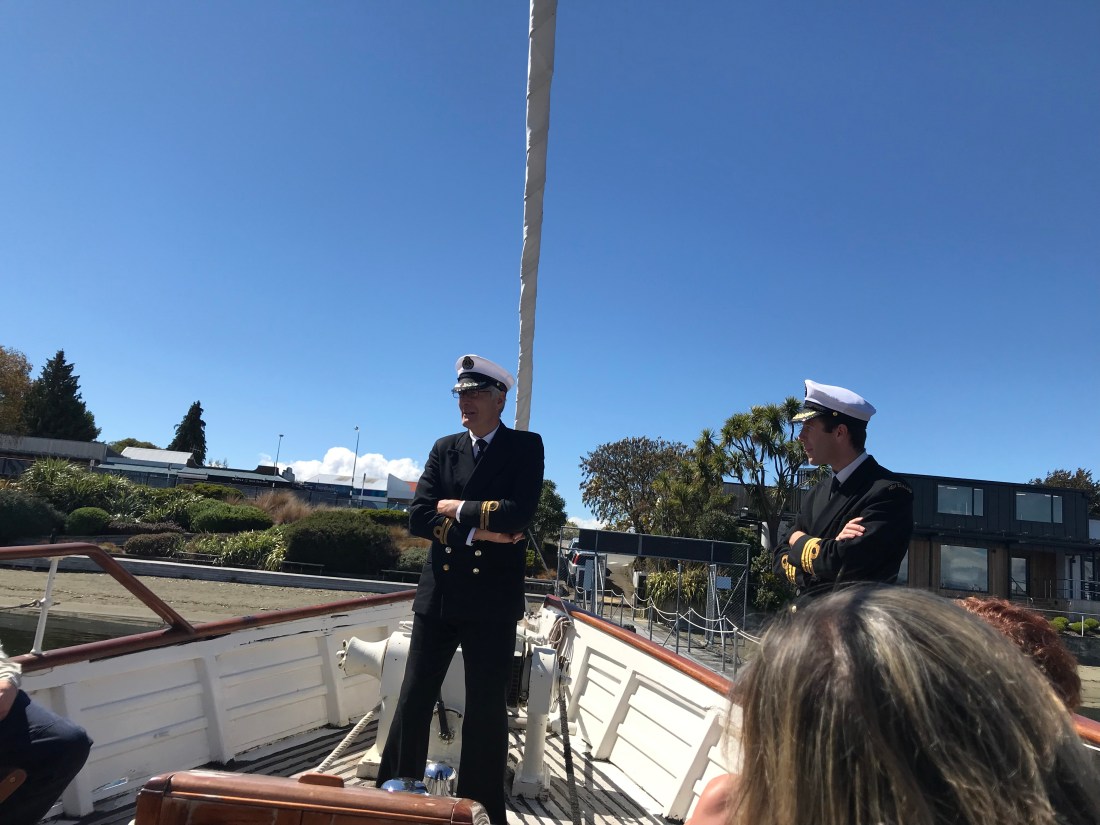
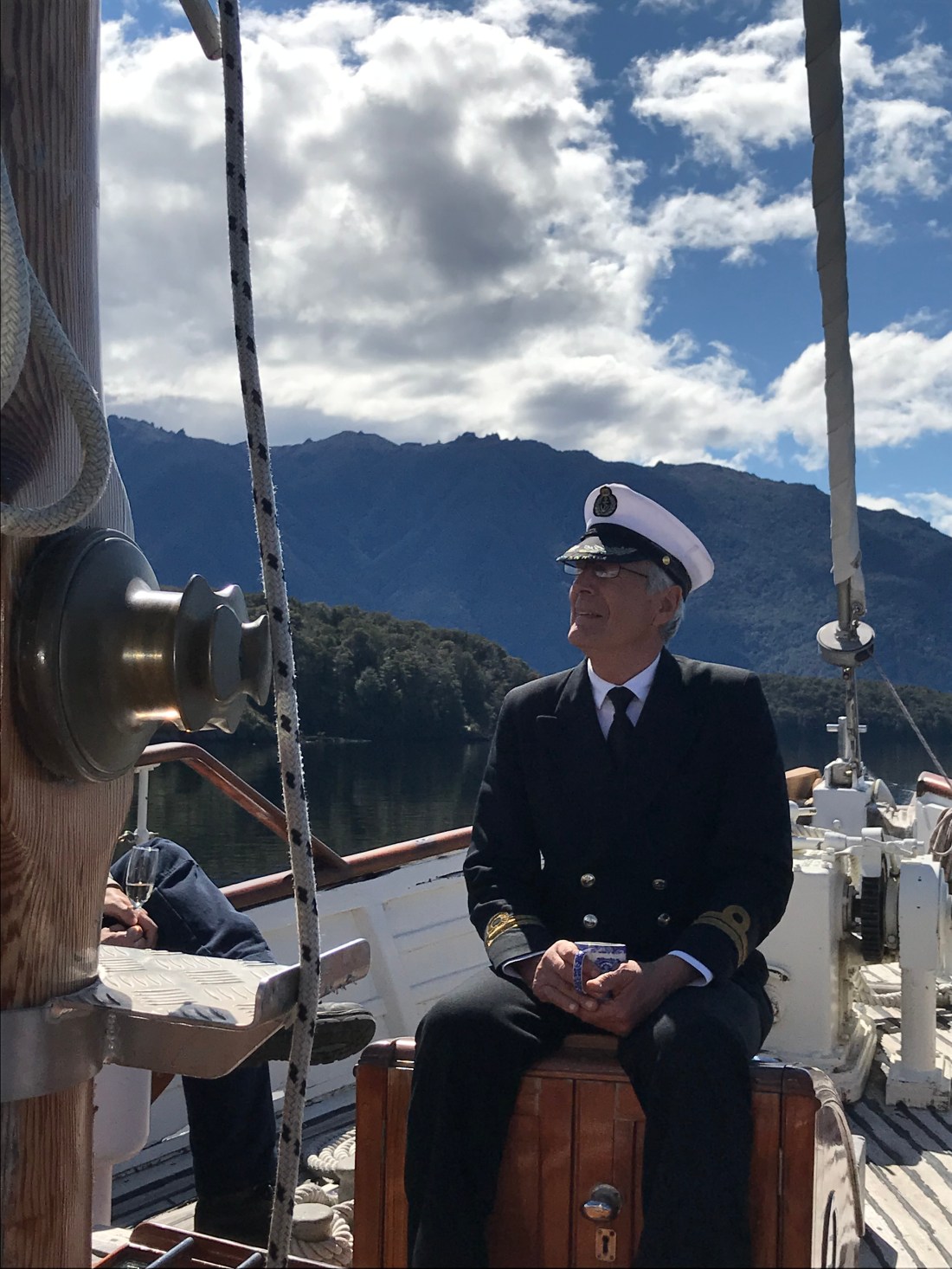
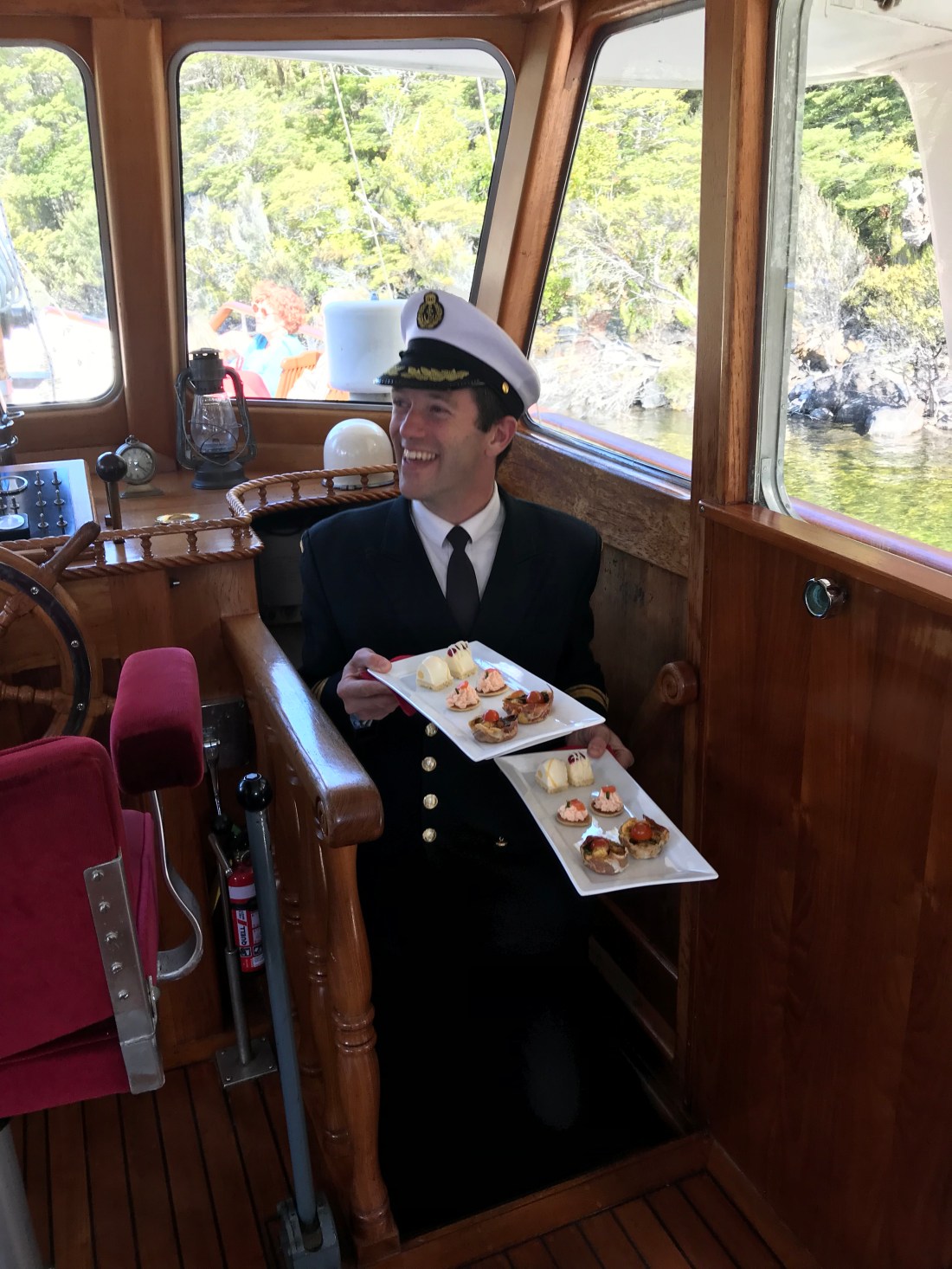
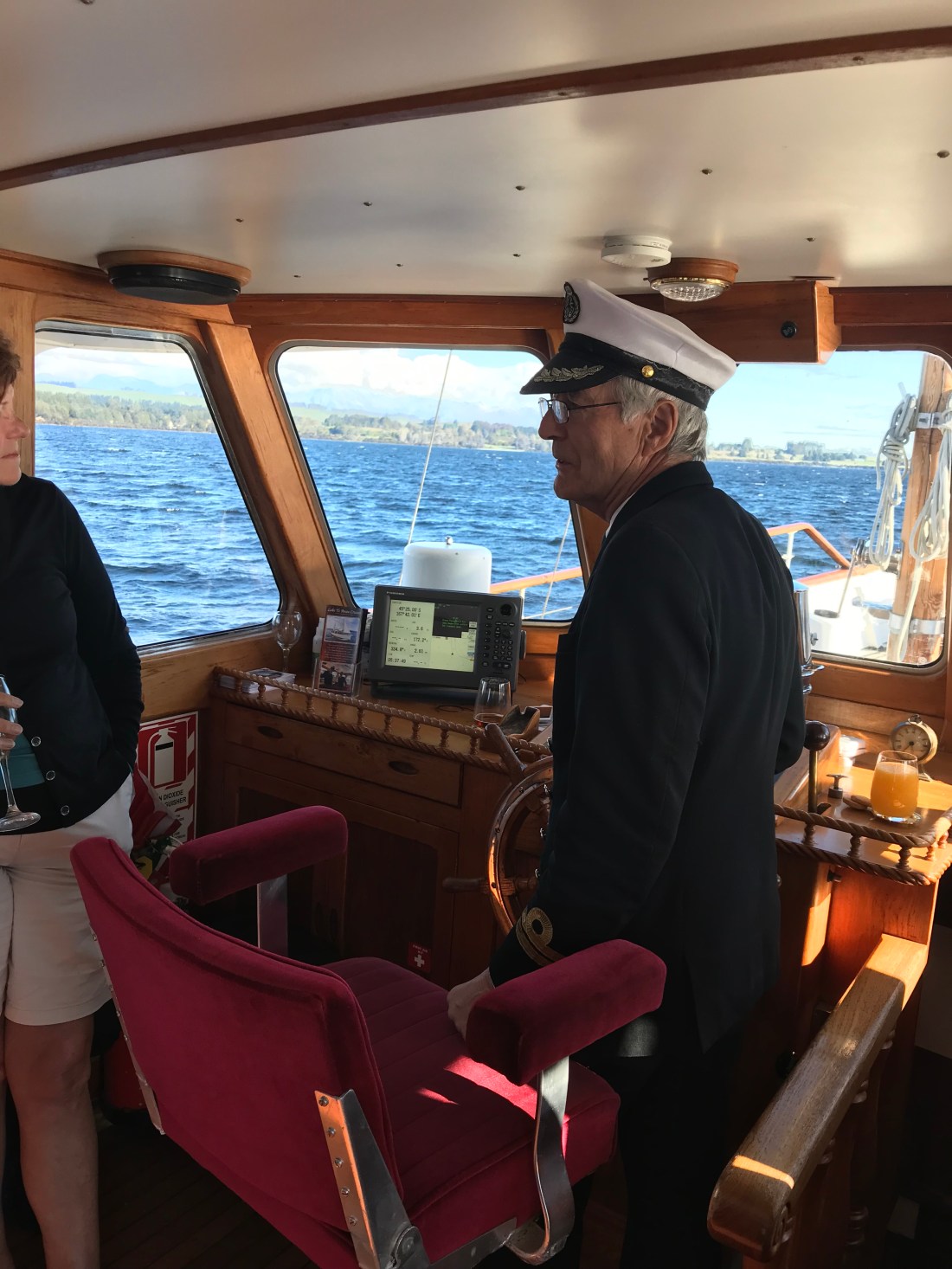
George and Adam were our faithful skippers for the afternoon.

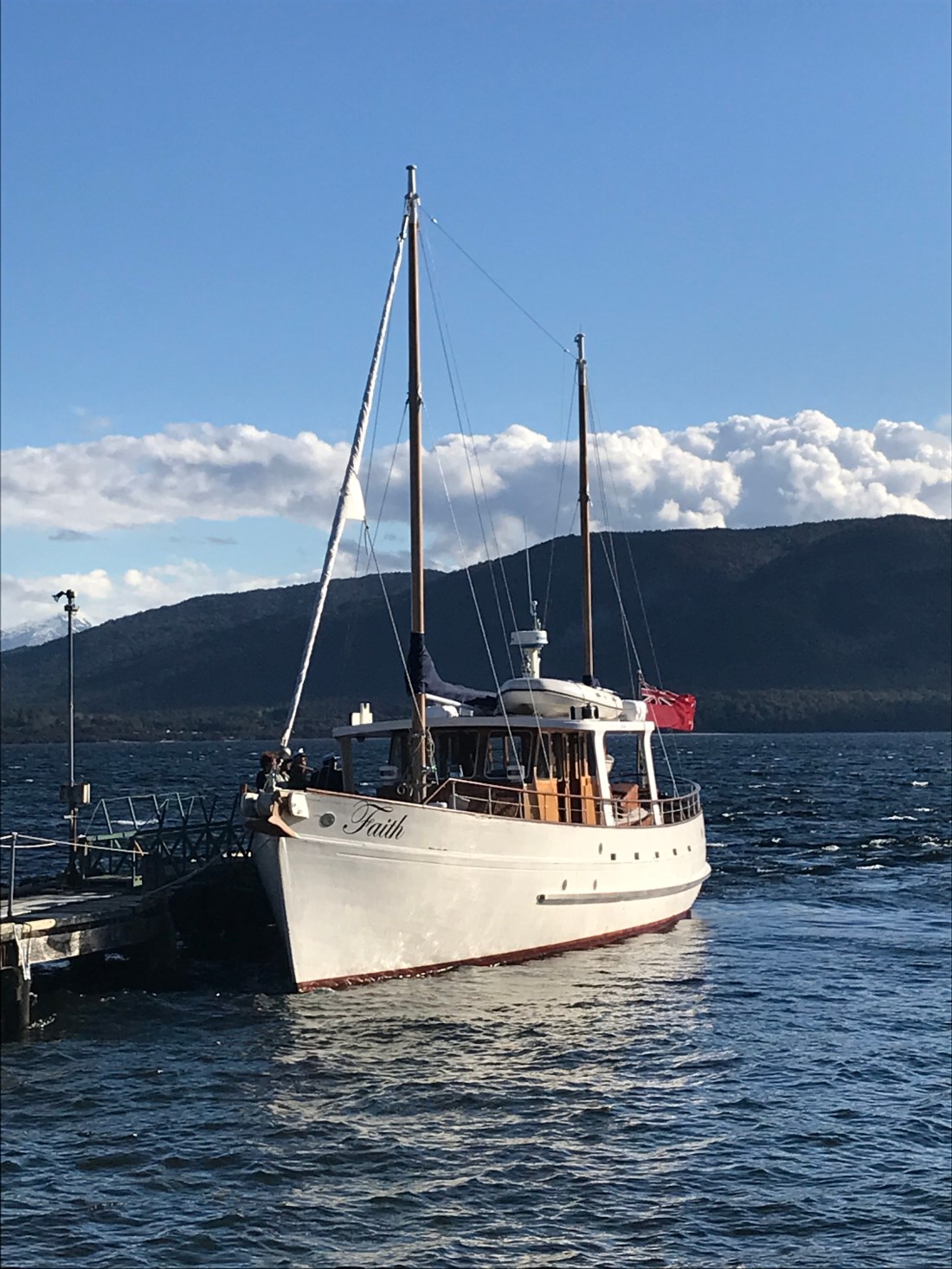
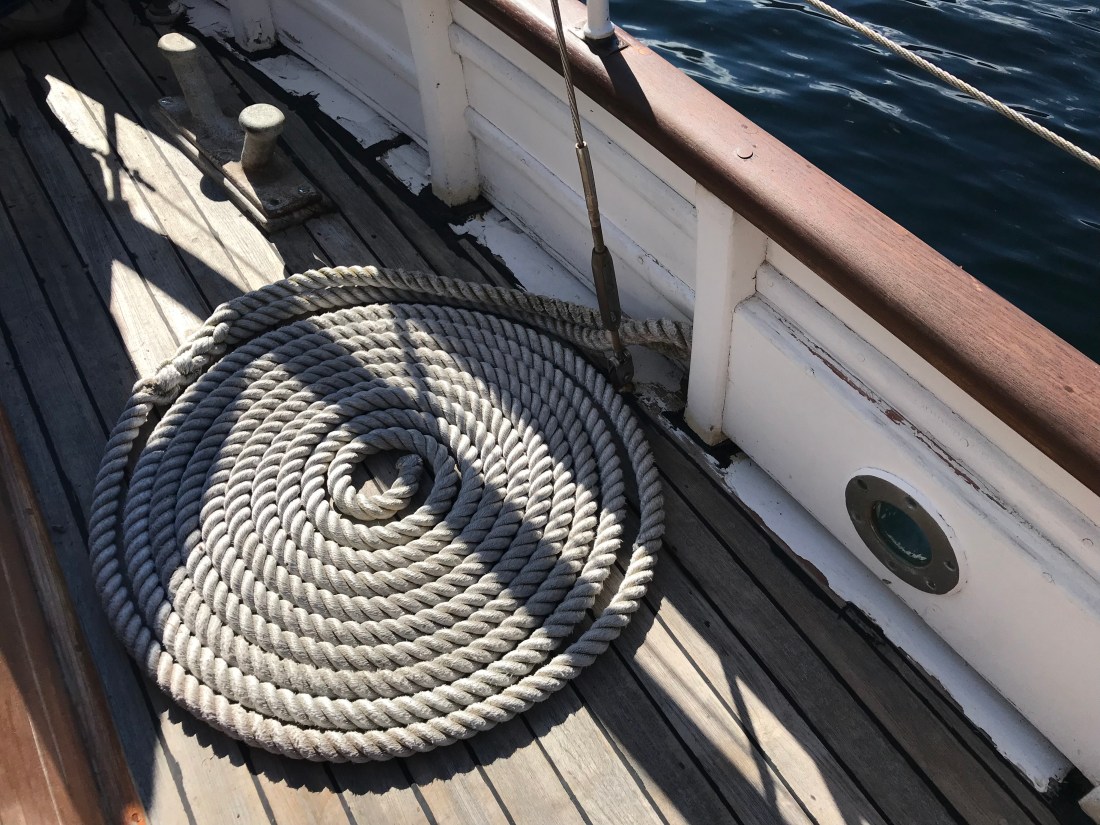
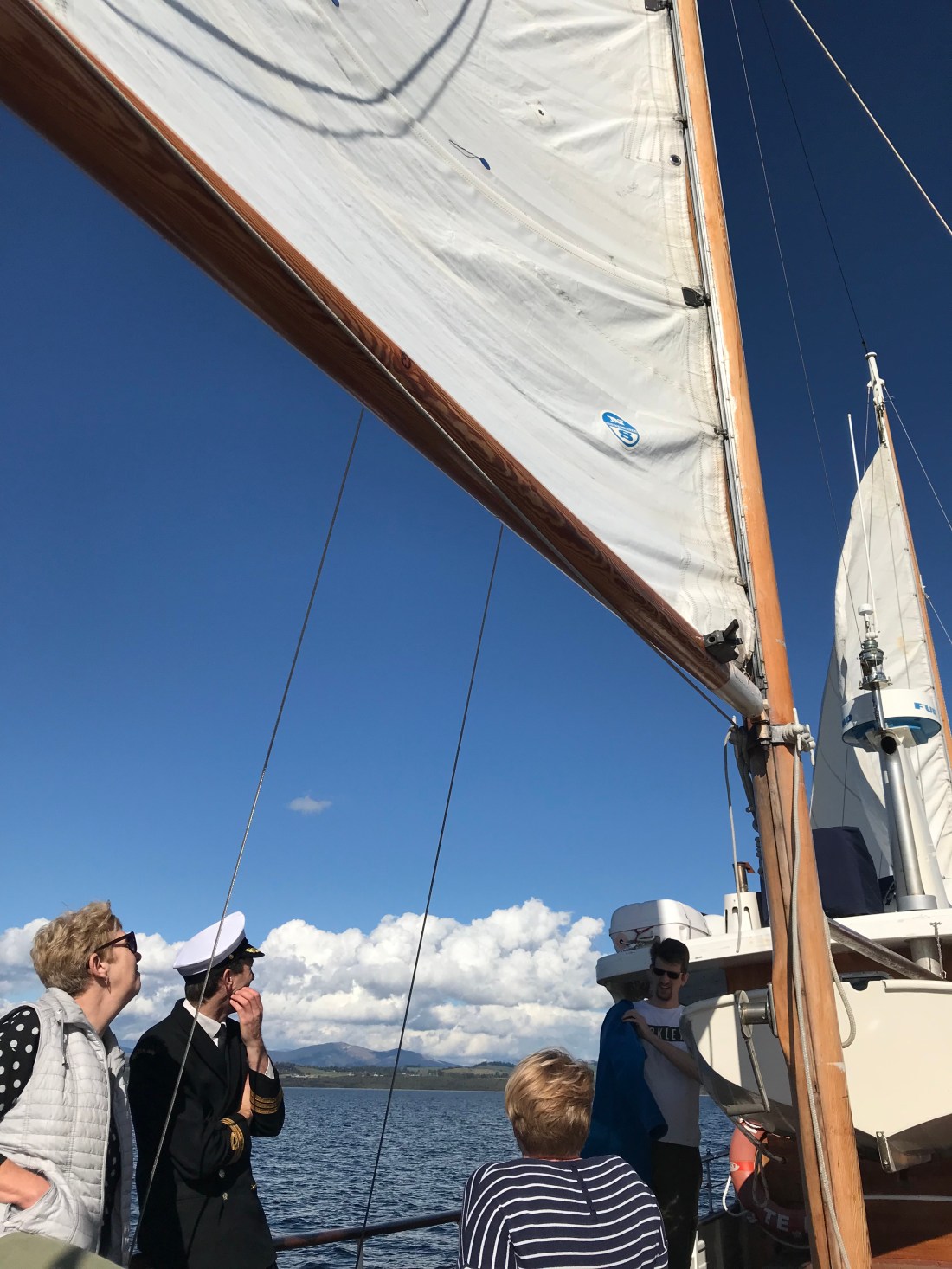
As we set sail, George told us about the history of the boat, which was fascinating.

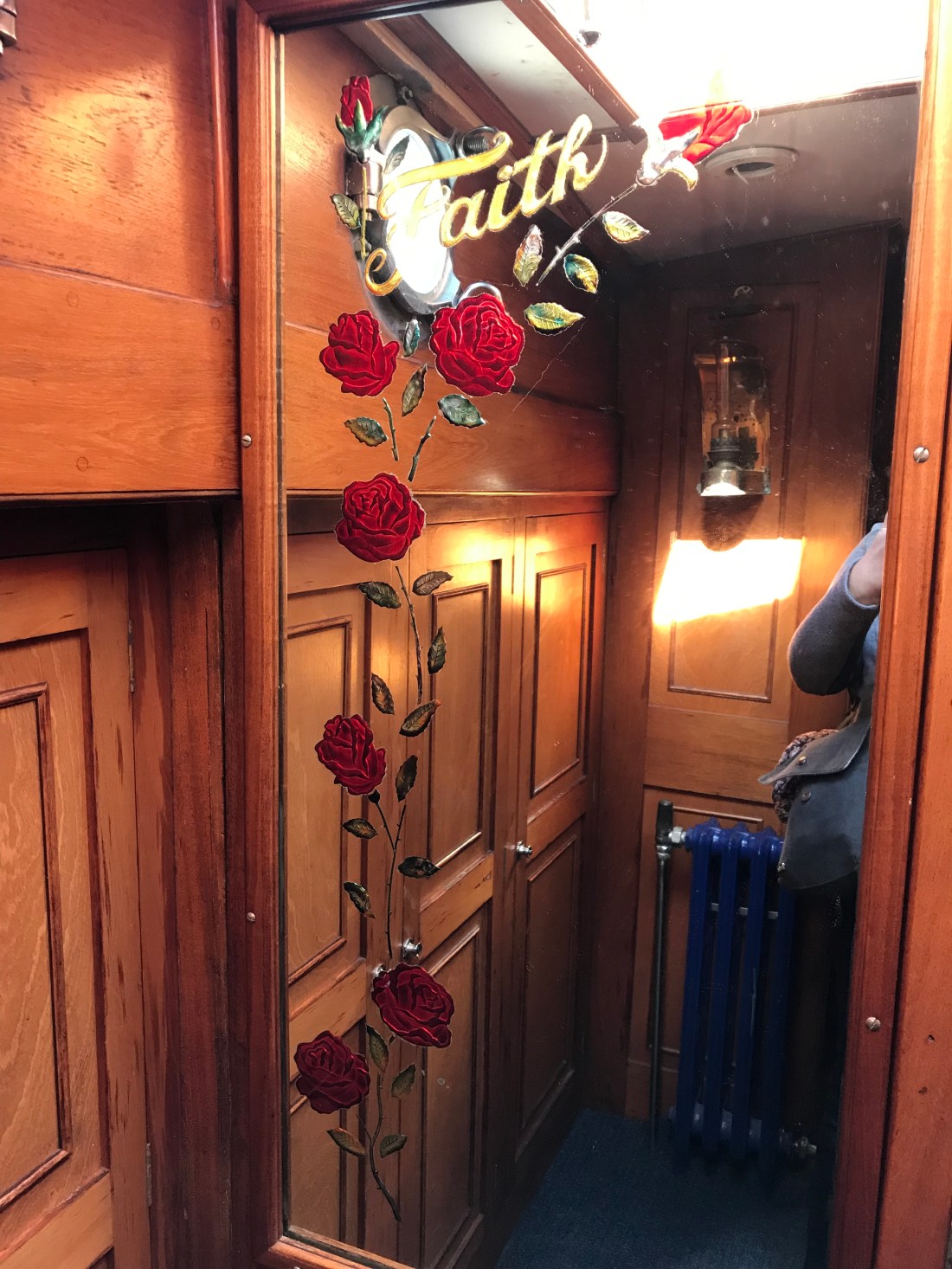
It was built in Scotland and was requisitioned during the war to be used as a cargo ship in Scotland. Winston Churchill knew the owner and sailed in it quite a bit. In fact, he had another boat made that was similar, he liked it so much. Faith was bought by a new family at some point after the war and they sailed it round the world to New Zealand. Curiously, the twin boat Churchill had made now resides just a few hours away in Queenstown.

Anyone who knows my cancer story, will probably guess that sailing on a boat called Faith was a deeply symbolic thing for me. In the midst of chemo a few years ago, one of my wonderful friends brought me a word about the story of the calming of the storm. In this gospel story, Jesus is asleep in the bottom of the boat, while his followers are fearing for their lives because of the storm that’s blown up all around them. When they woke him, Jesus commanded the wind and the waves to be still, and they were instantly stilled. Then he asked his friends, “Why were you so afraid?” (Hmmm… because, a life threatening storm was there, maybe?!) My friend shared with me the thought that the real miracle is not the calming of the storm. The real miracle will be when we have enough faith to curl up and go to sleep with Jesus in the bottom of the boat in the face of the storm. Jo wondered whether that was what Jesus was inviting me to do, in the face of the “storm” of cancer. I can’t claim any great faith, really. To be honest, through my treatment I was so exhausted it was all I could manage to do to curl up and sleep in the bottom of the boat. But it was a really significant word for me to not worry about the cancer or try to somehow pray against it, but just to go to sleep alongside Jesus. Sometimes it’s good to know that everything doesn’t always have to be down to you. Sometimes, perhaps we are invited to simply let go and to trust. Hurray for boats called Faith, eh?

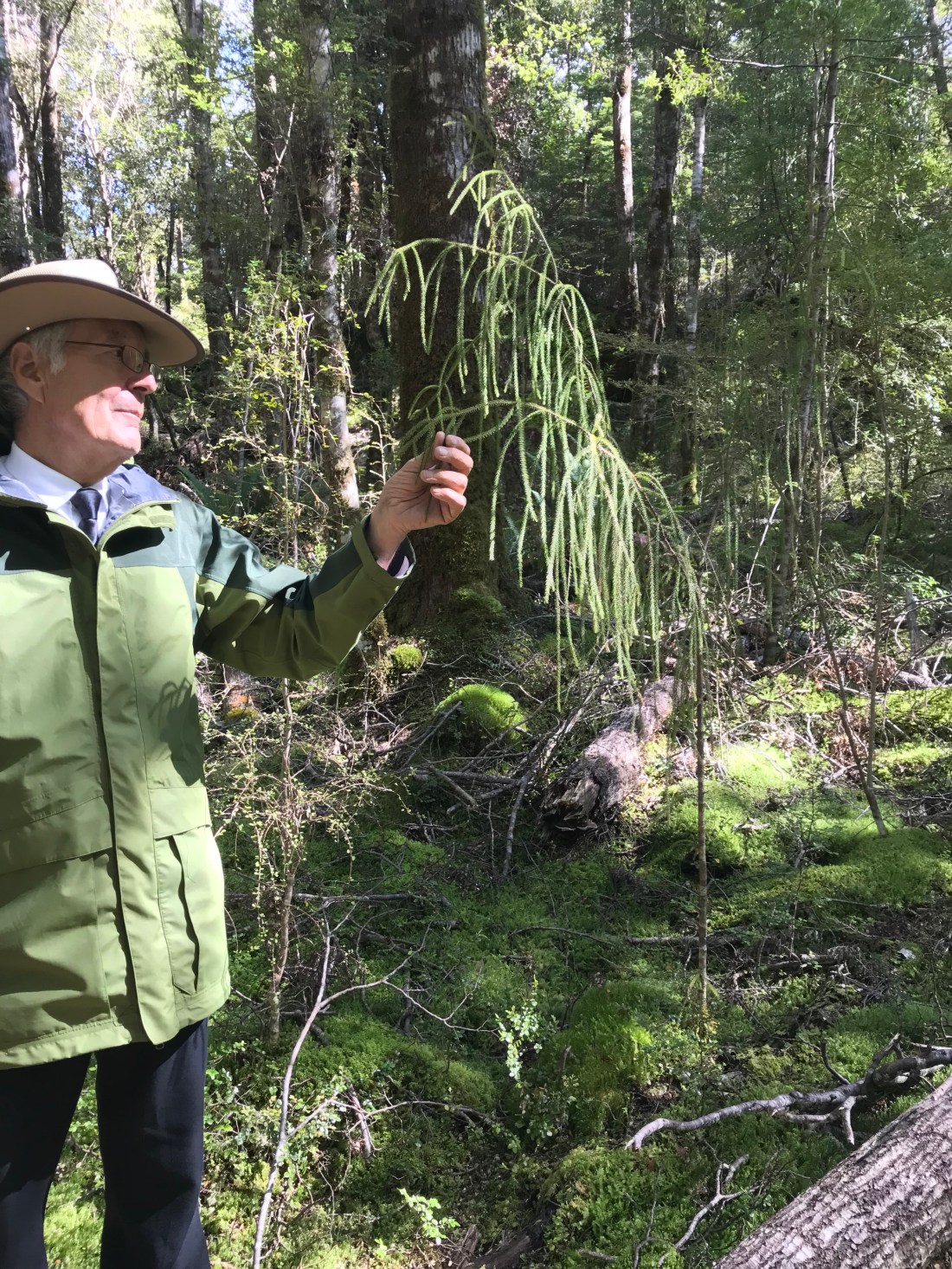
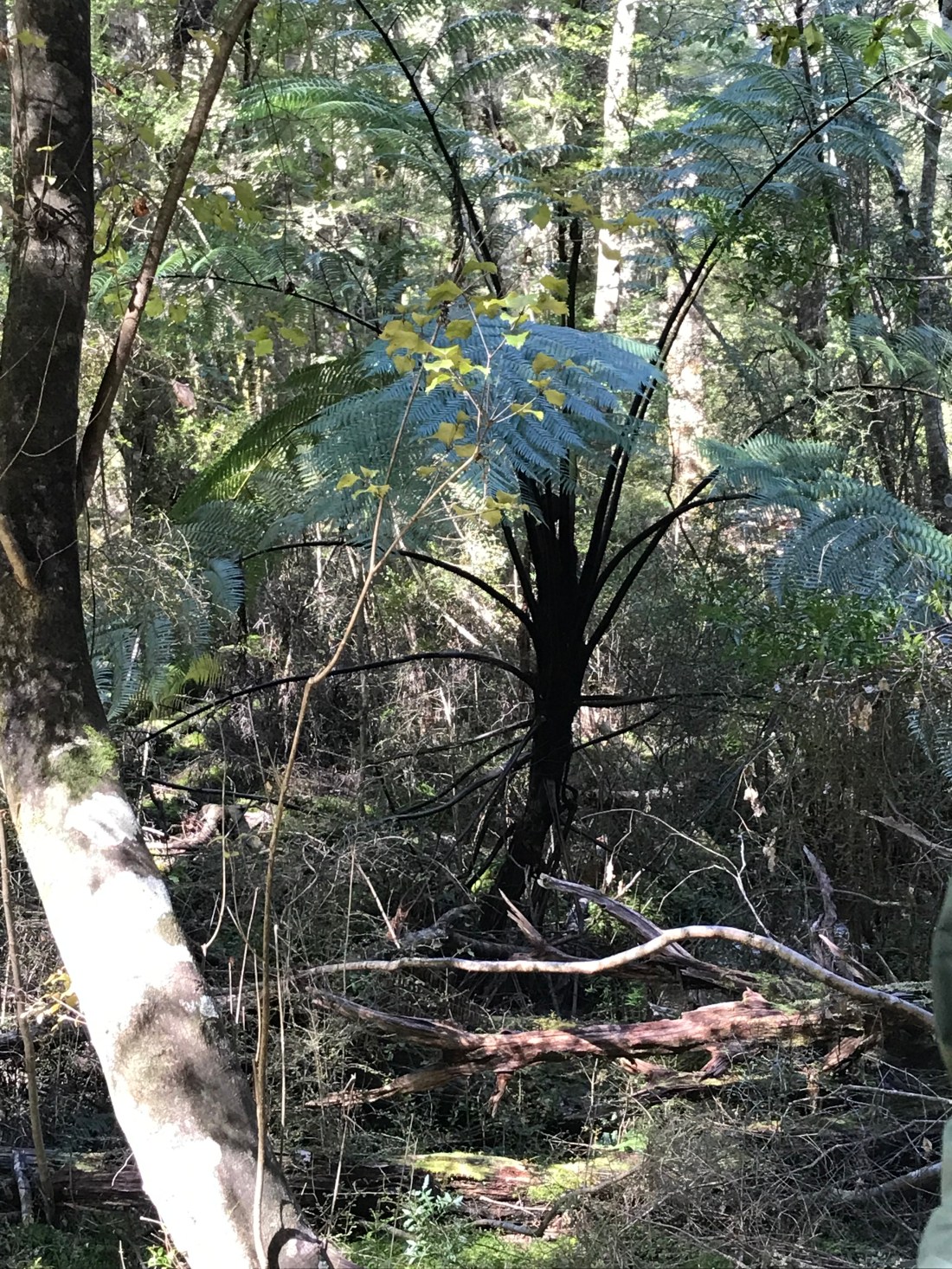
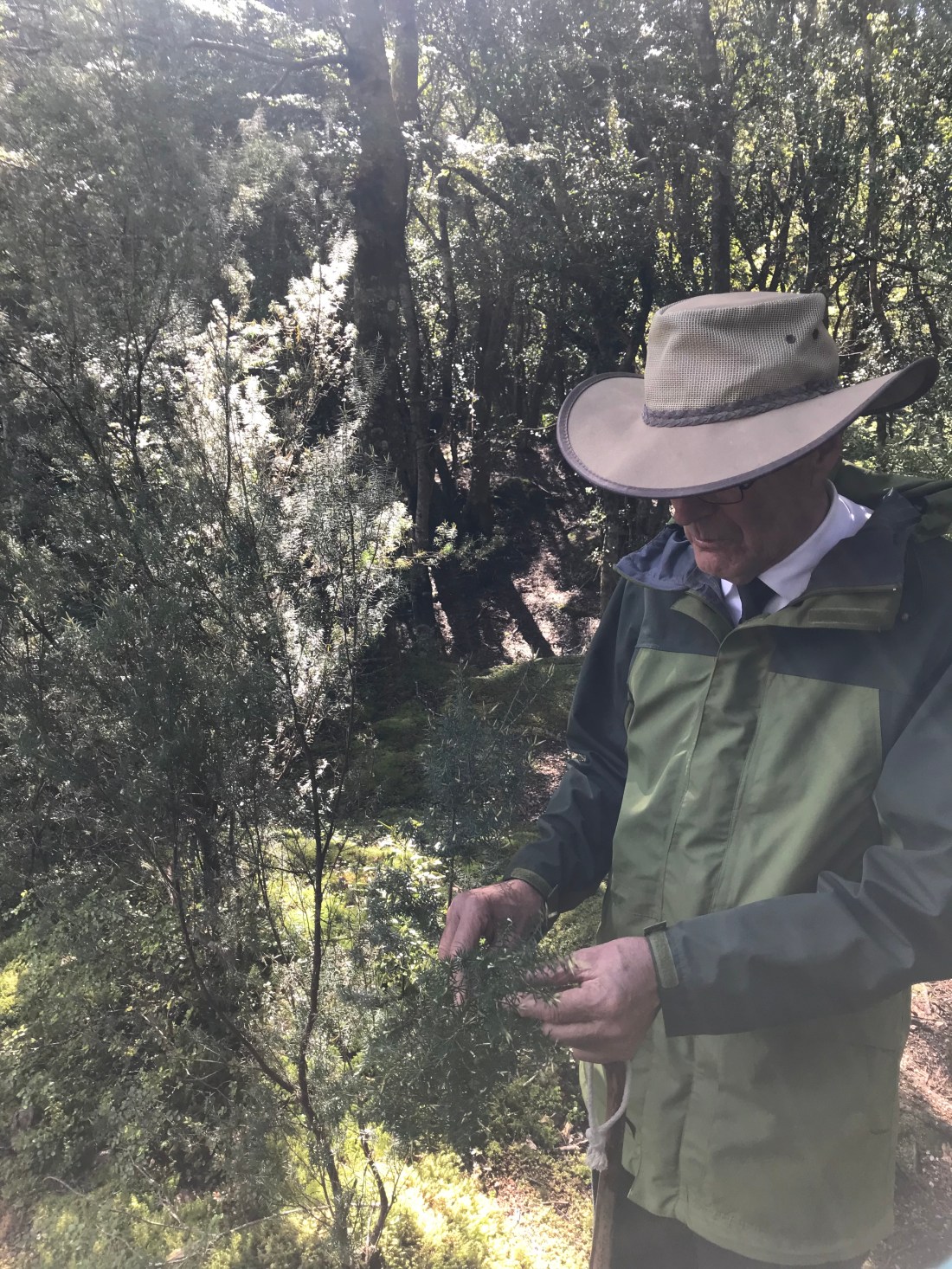
Anyway, this boat was called Faith after its owner’s wife, rather than for any religious reason. And I’m very glad to report that the lake was as flat as a millpond as we sailed across it, and the panorama was beautiful. Half way round, we stepped off onto a little island jetty to go for a bushwalk with George, who turned out to also be very knowledgable about the flora and fauna we saw en route.

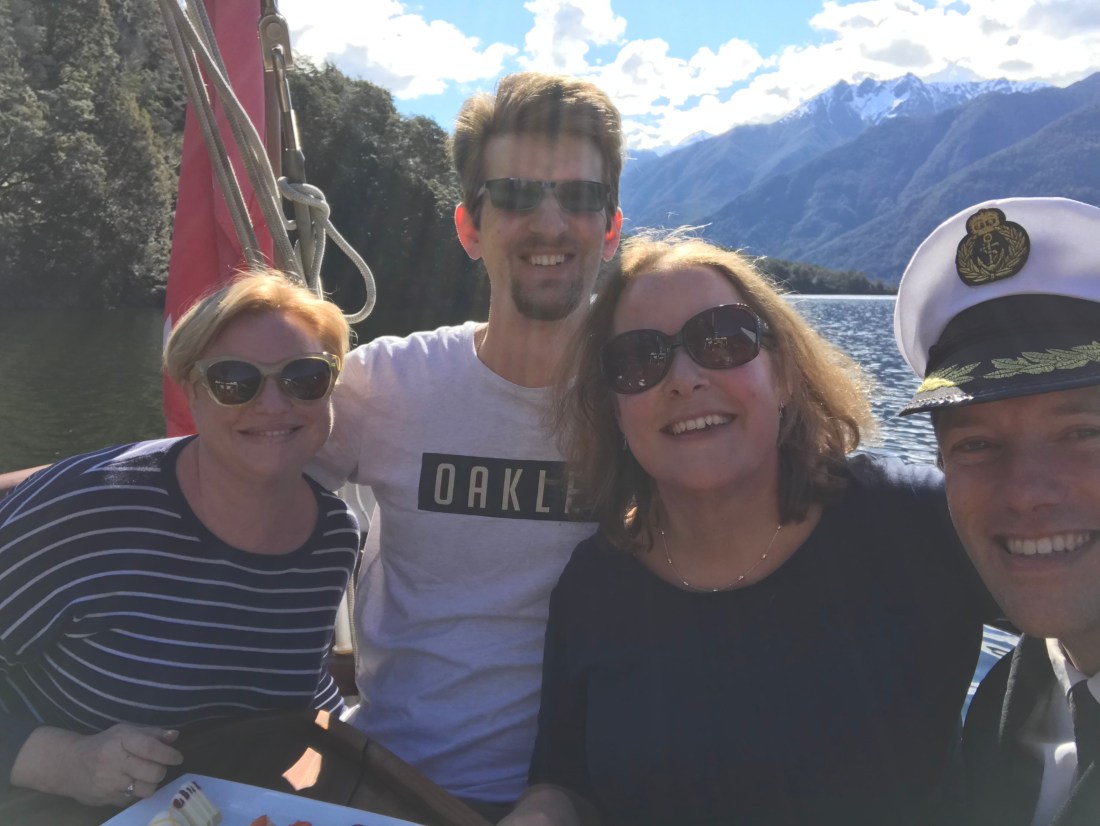
Then it was back on the boat for afternoon tea including drinks of our choice before we set sail back to Te Anau.

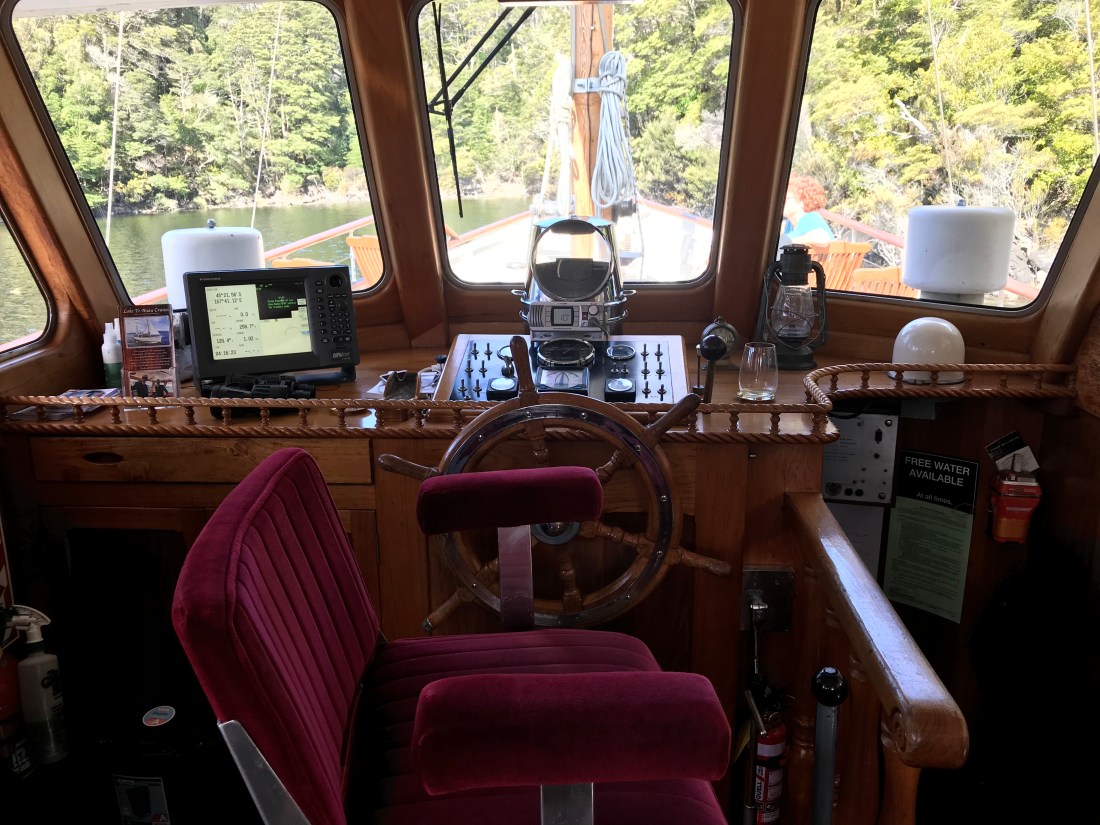
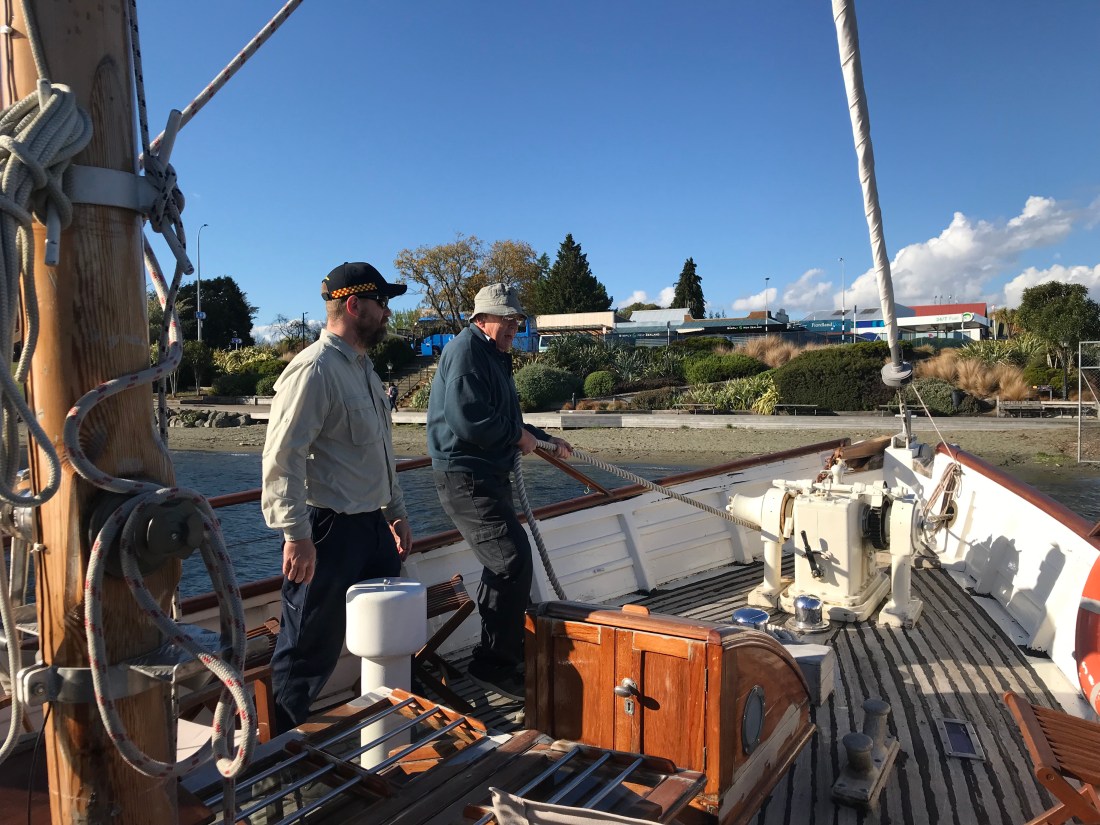
Ken (once a sailor, always a sailor) was in his element! 👆🏼Another great thing about this trip was that anyone could get involved with sailing the boat if they wanted to.

We arrived back with just enough time to catch the last showing of the Fjordland film in the local cinema, a beautifully shot introduction to the region.

The final words of the film were, “as man disappears from sight, the land remains…” which put me in mind of my conversations about climate change.

We dined out splendidly in Te Anau, and the next day after a fullsome breakfast at the lodge and our little impromptu concert, went our separate ways, Ken and Les driving back up to Wellington, and Stu and Tash and I continuing on to the southernmost point of the South Island.

Te Anau

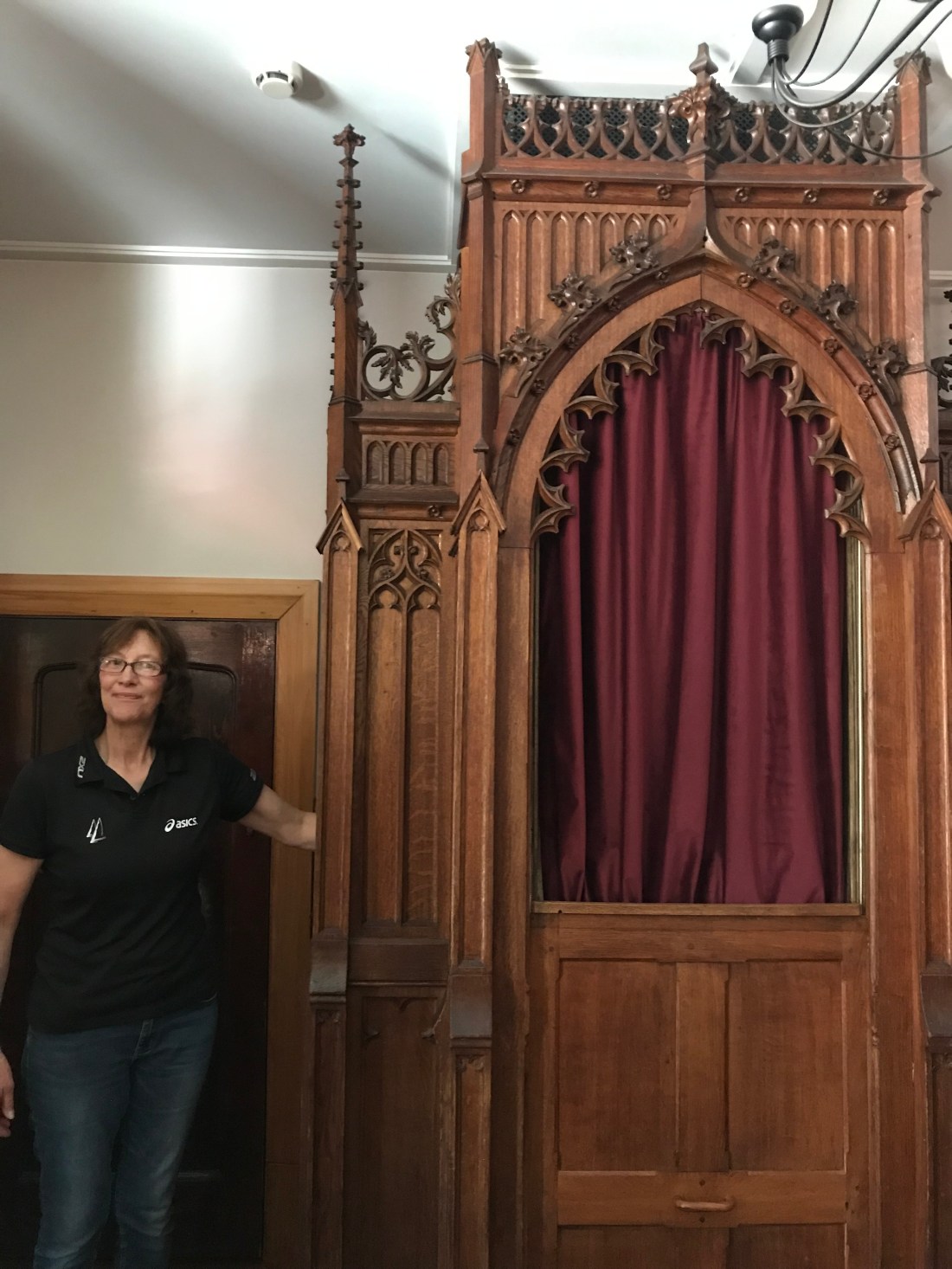
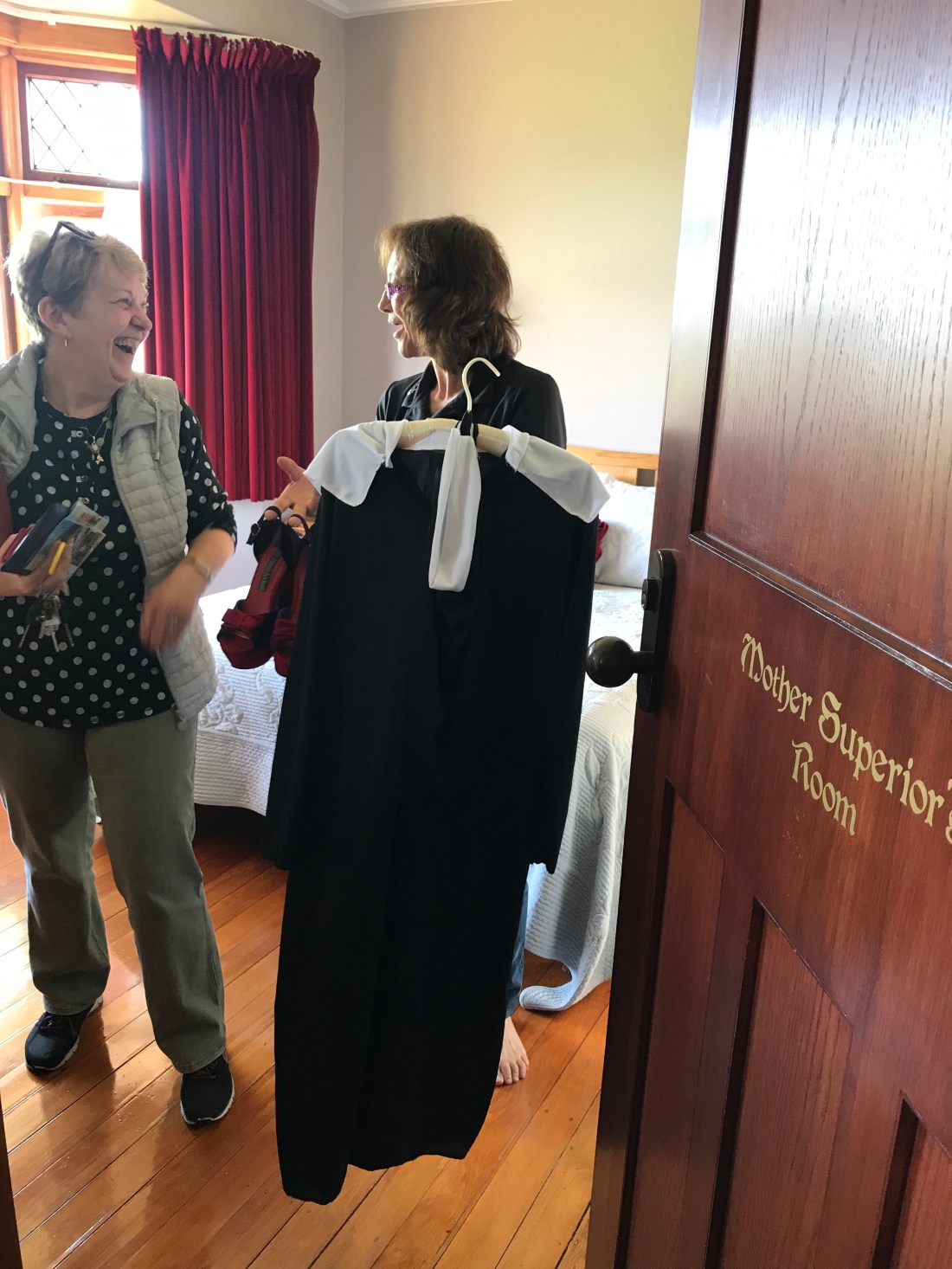
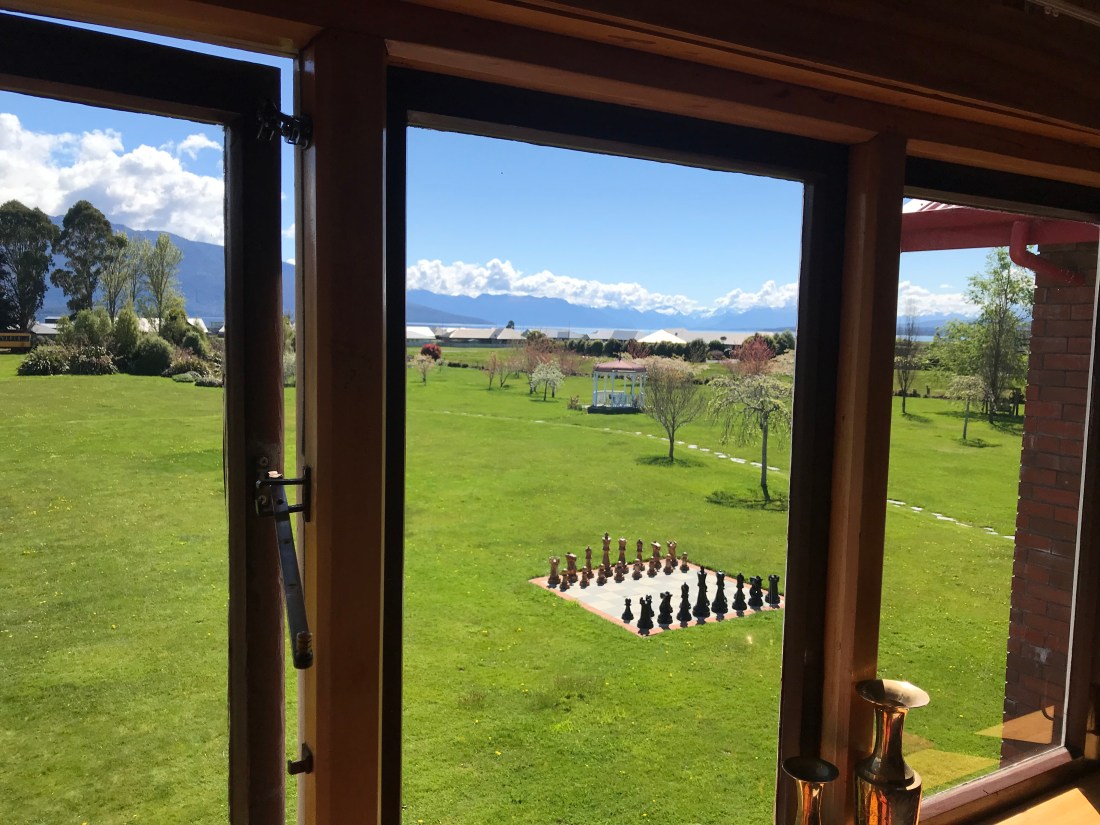
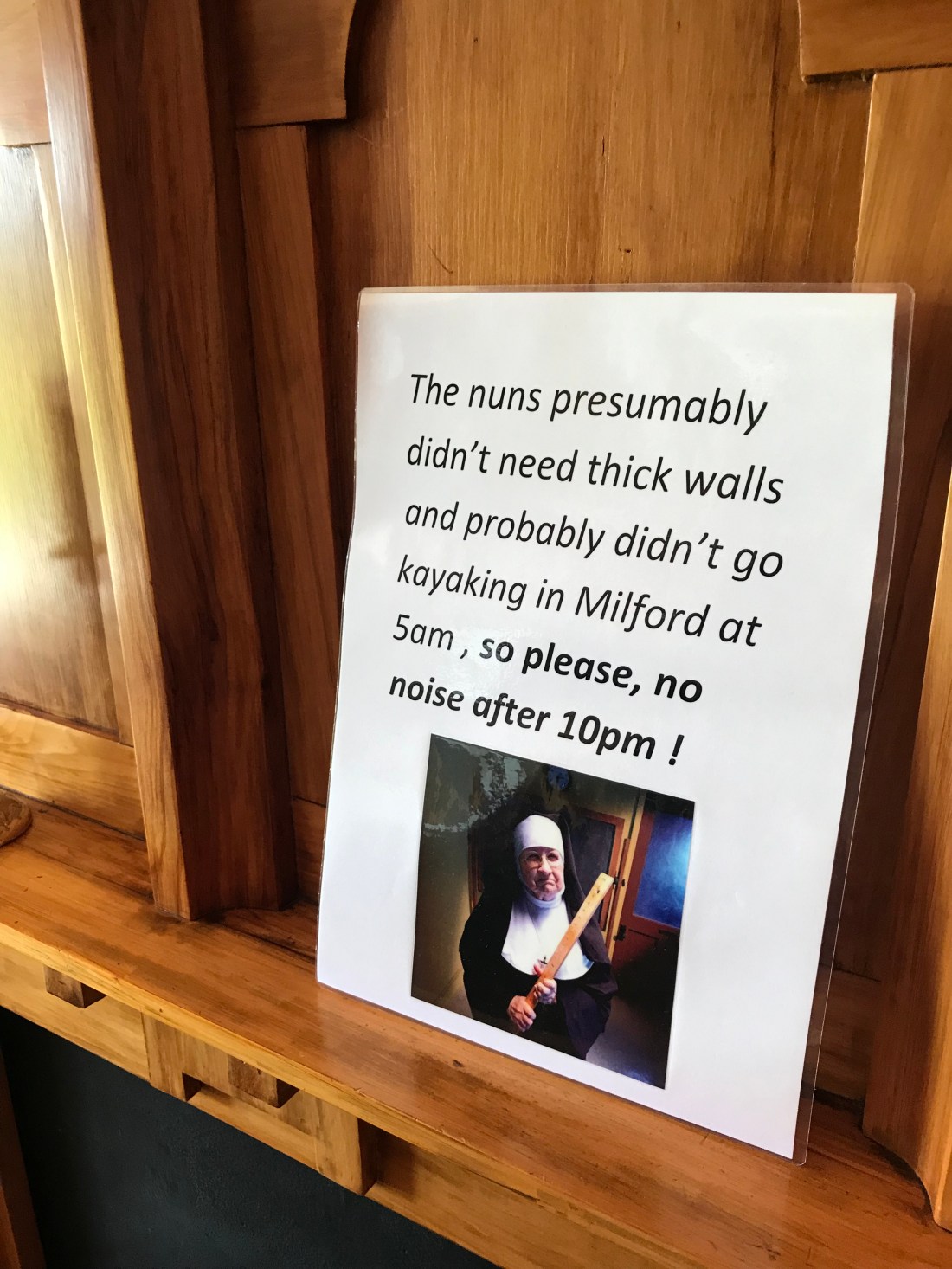
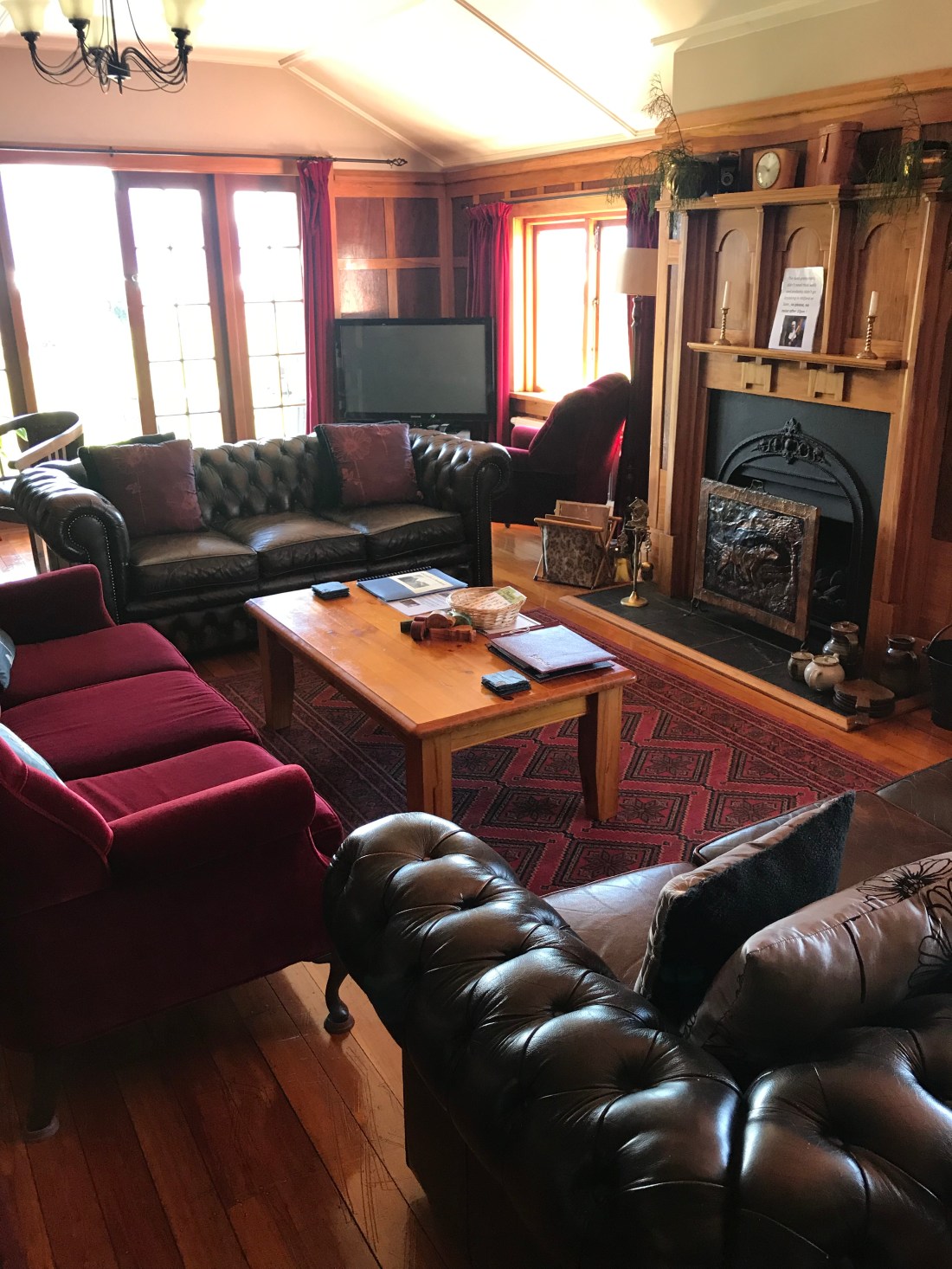
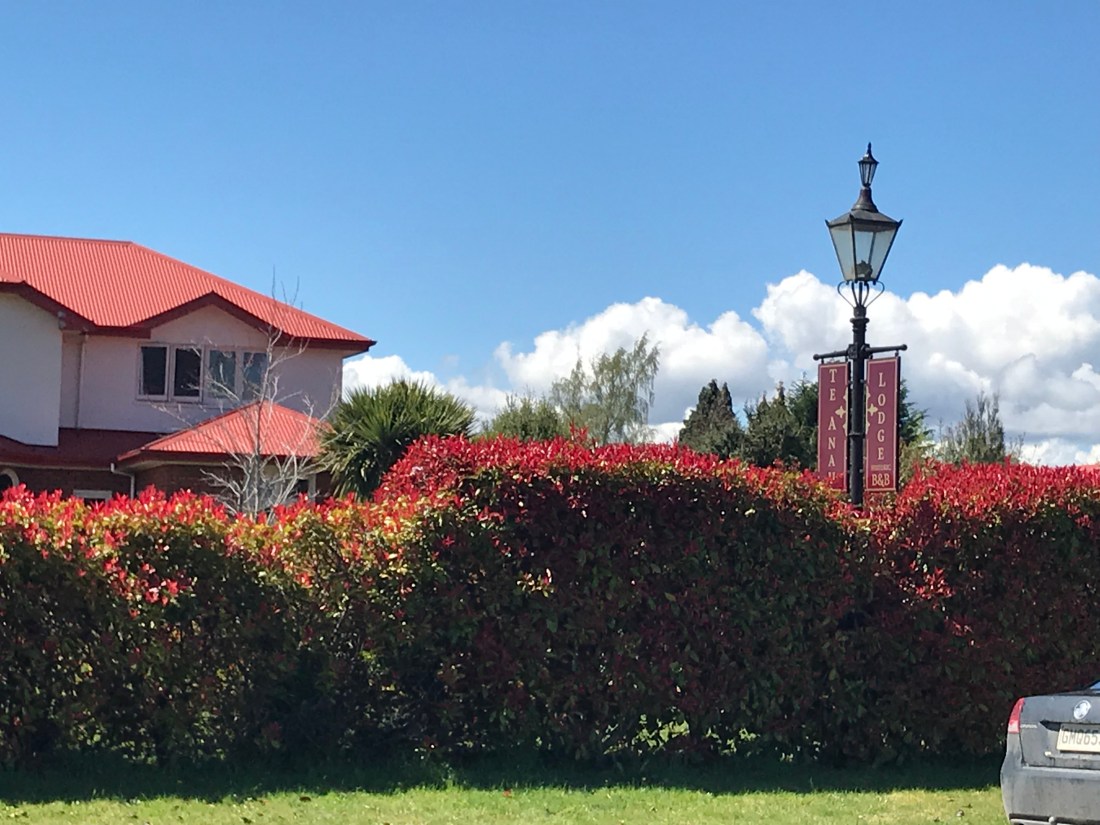
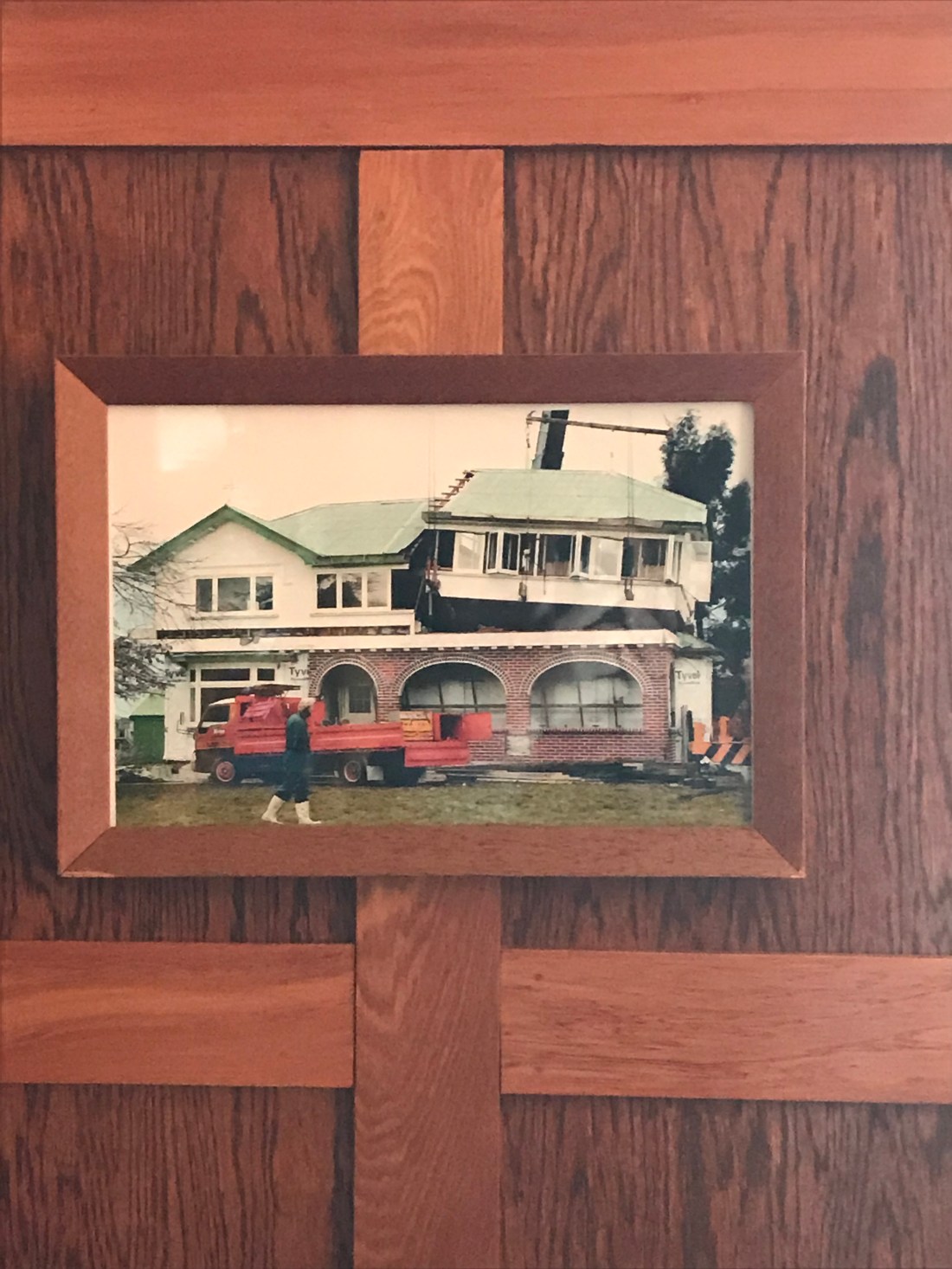
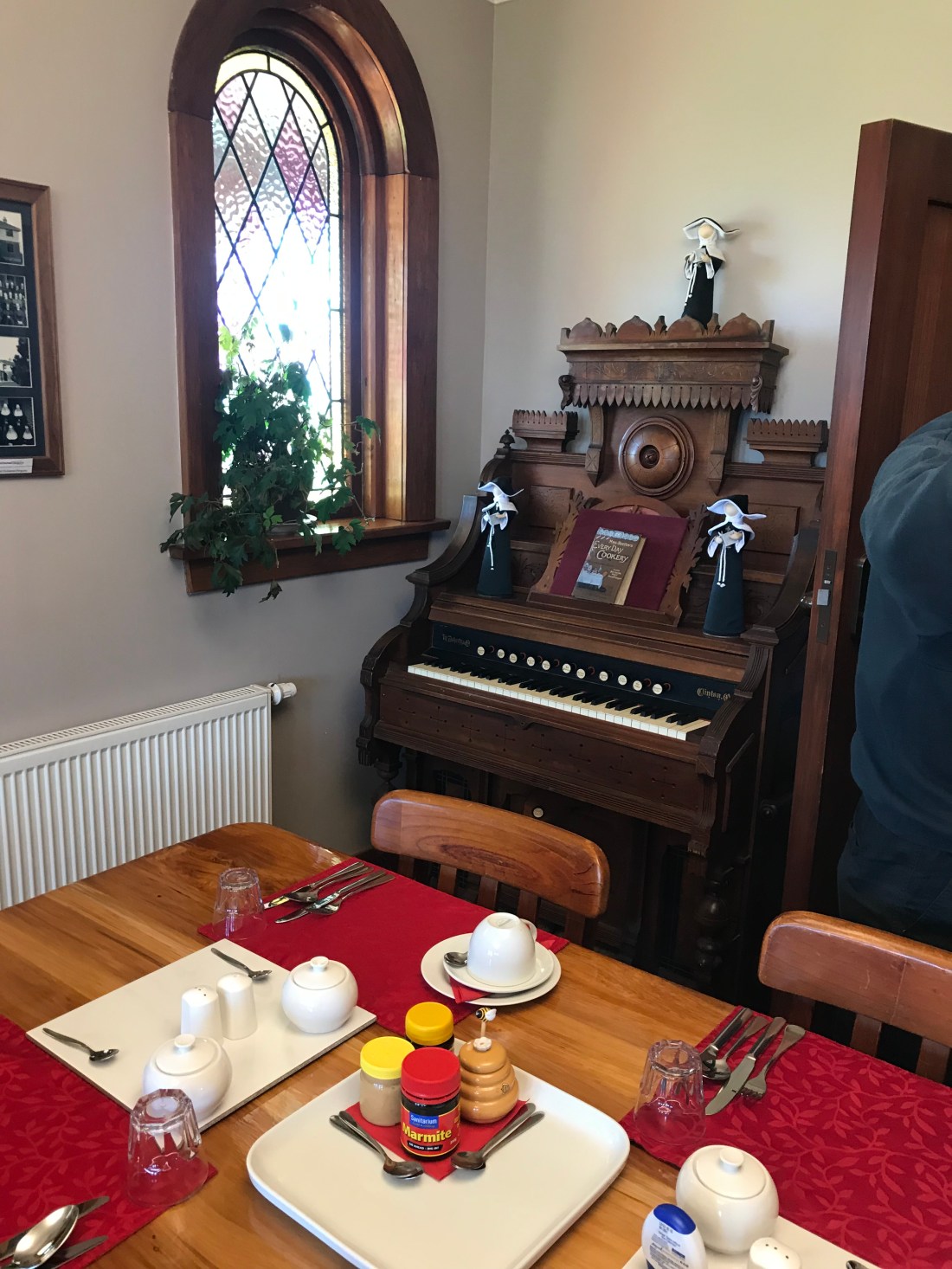
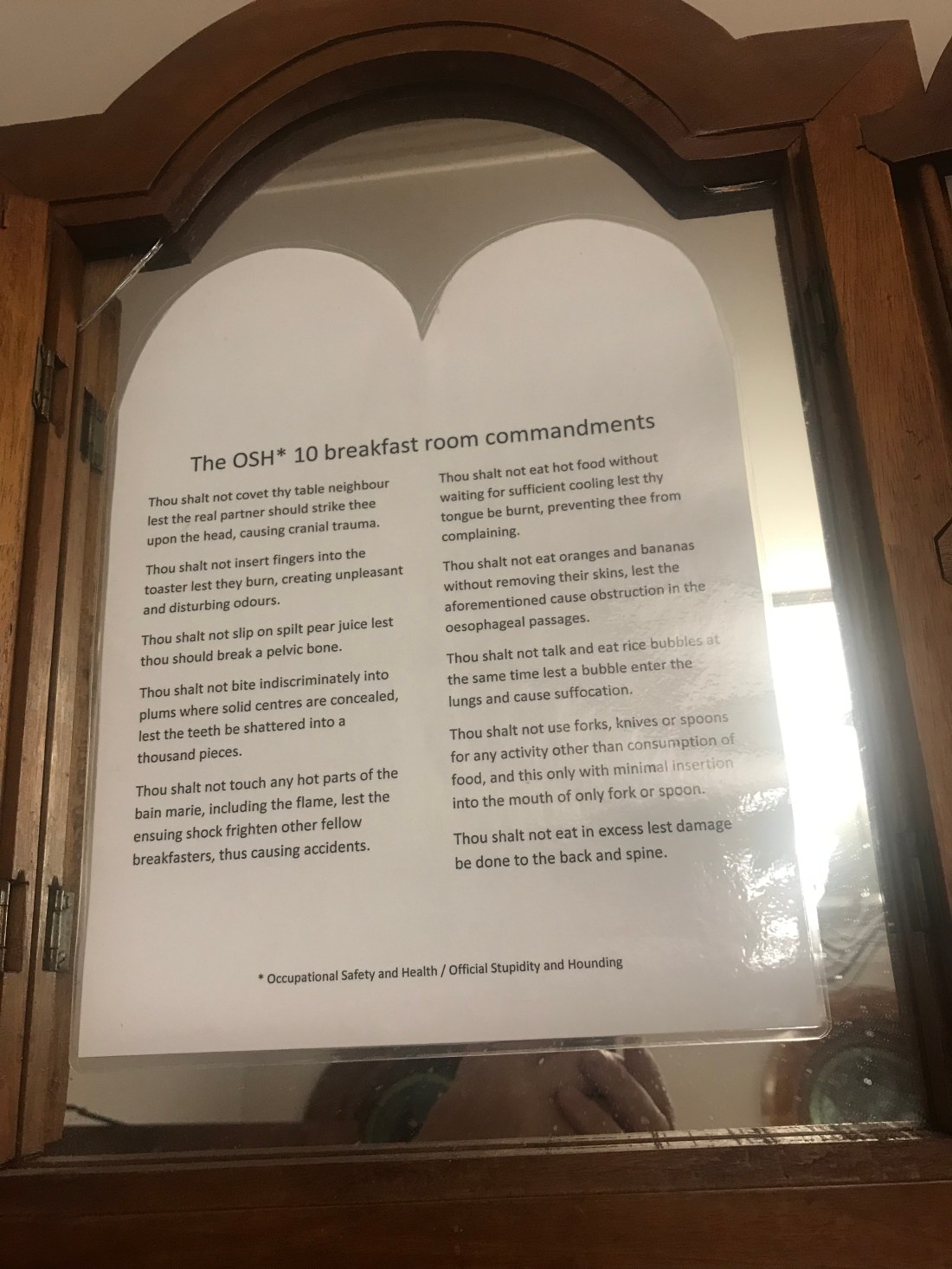
On arriving in Te Anau, we checked into our enterprising lodge for the night, which was a house attached to the Te Anau Lodge, an ex convent, that the owner had bought and moved from its previous location to this happy spot, while retaining a lot of convent furniture (the confessional is now a dumb waiter!), and adding quite a few more period furnishings, along with tongue in cheek “breakfast commandments”, and such like.

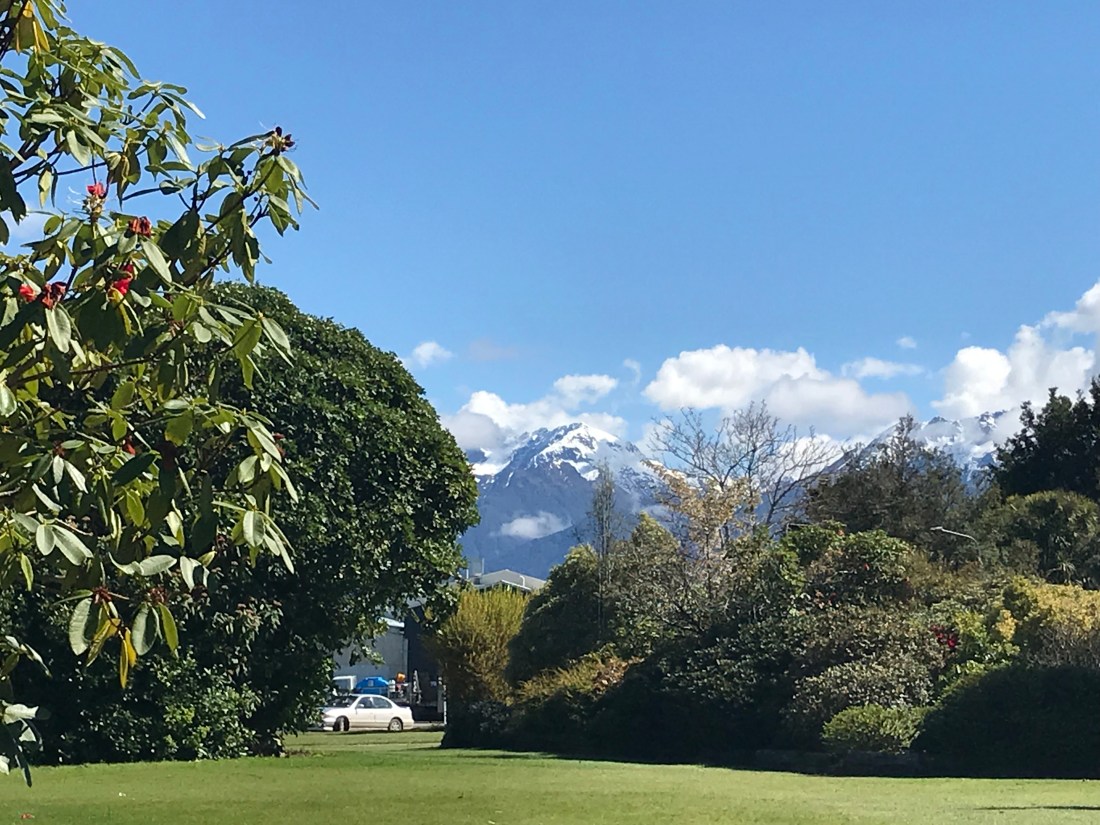
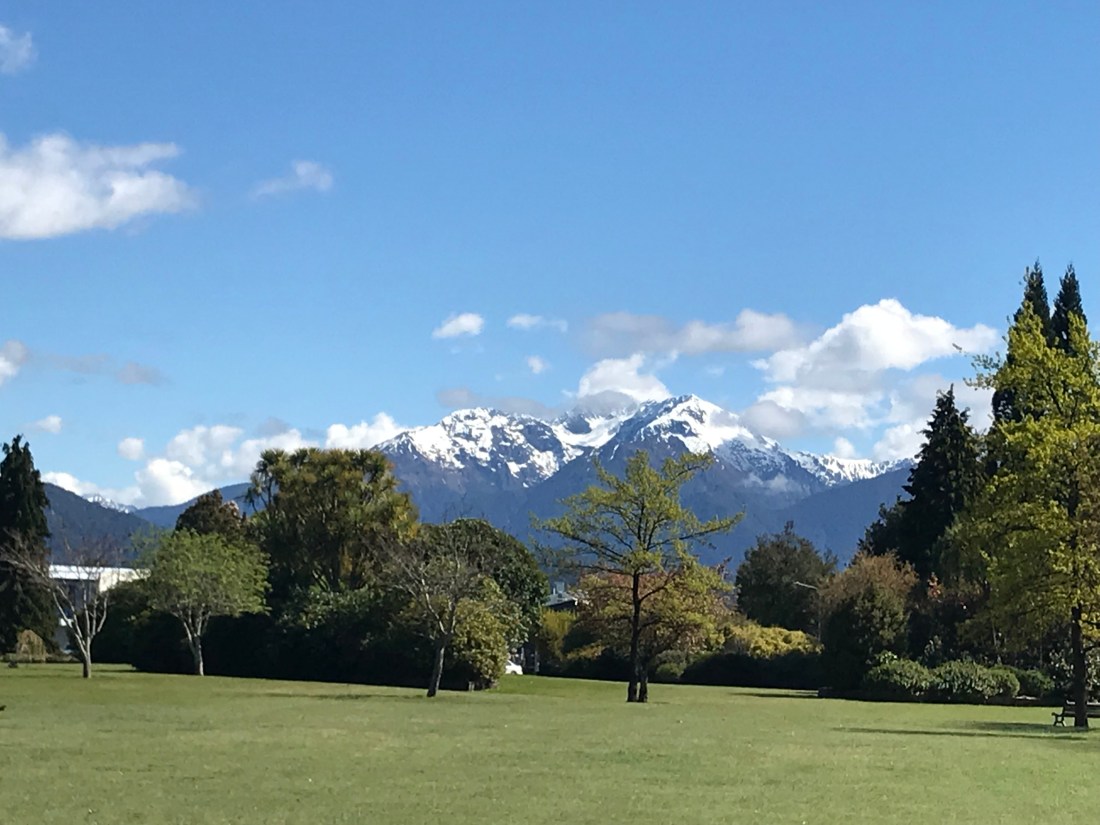
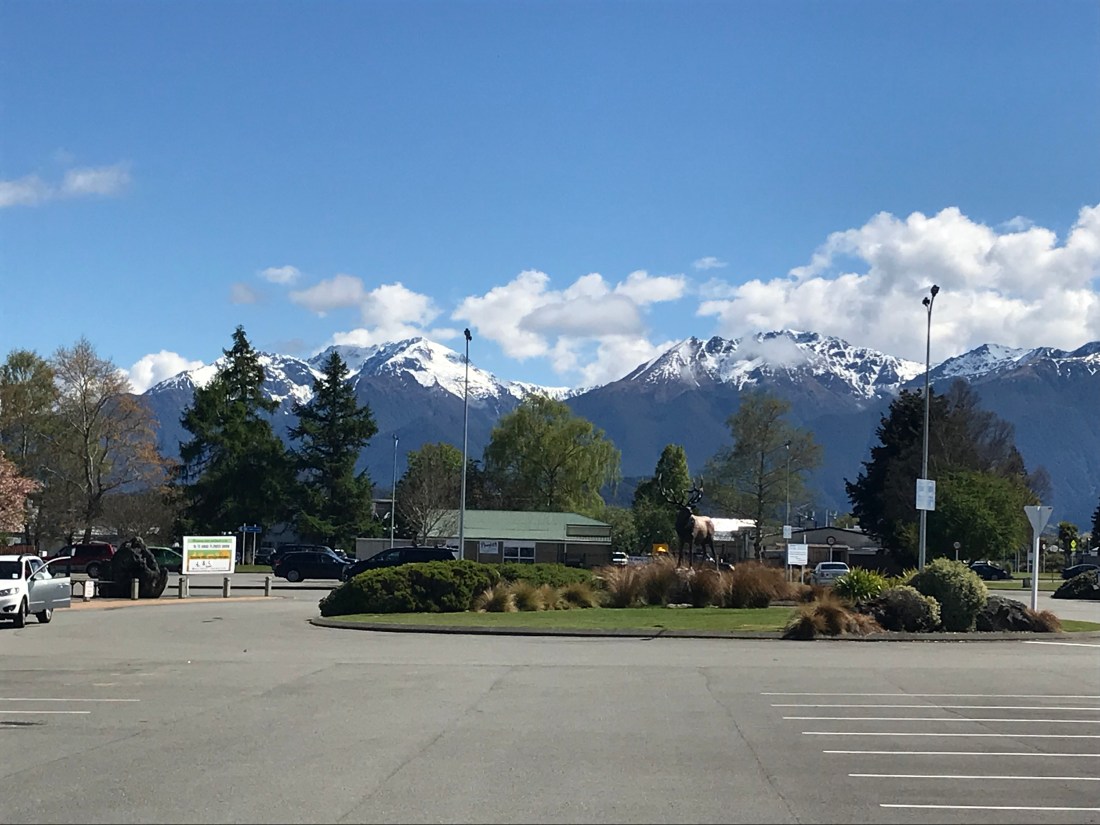
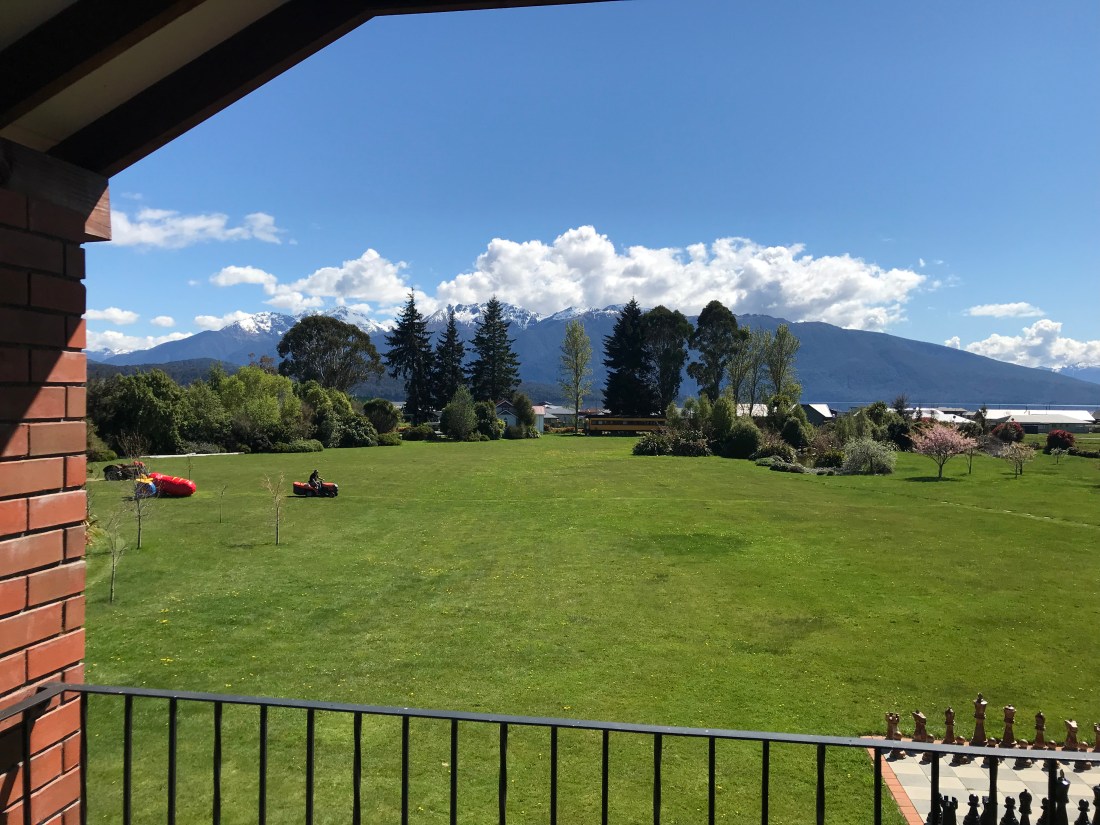
Here are public gardens at Te Anau, surrounded by impressive mountains, and also some pictures of the quirky Te Anau Lodge:

This👇🏼 shows how they managed to transport the convent in quarters on the back of a lorry! In New Zealand it’s quite normal to transport your entire house somewhere else on the back of a lorry. I’m not sure many people do it with such a big place though. The mind boggles!

A musical interlude…

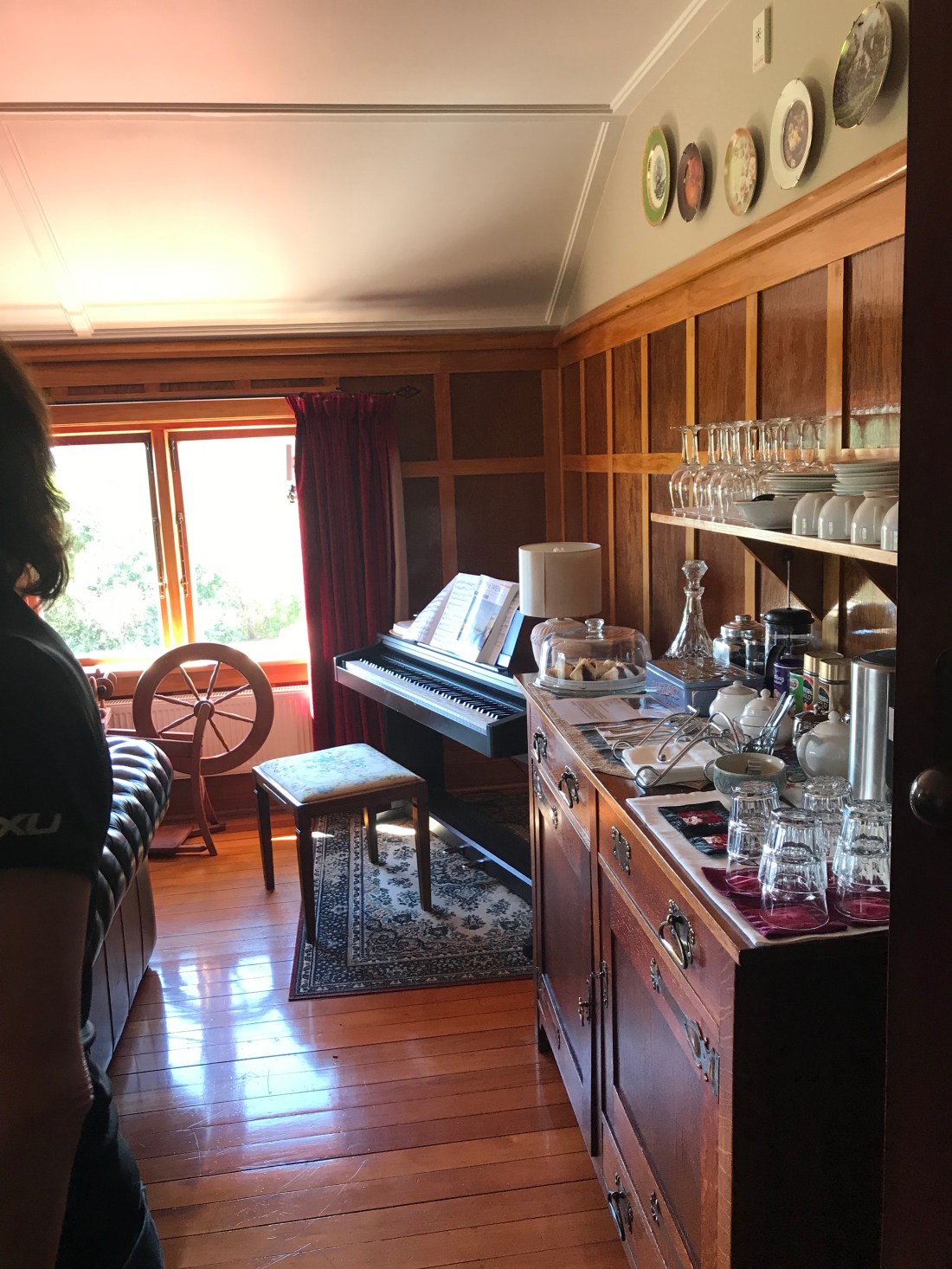
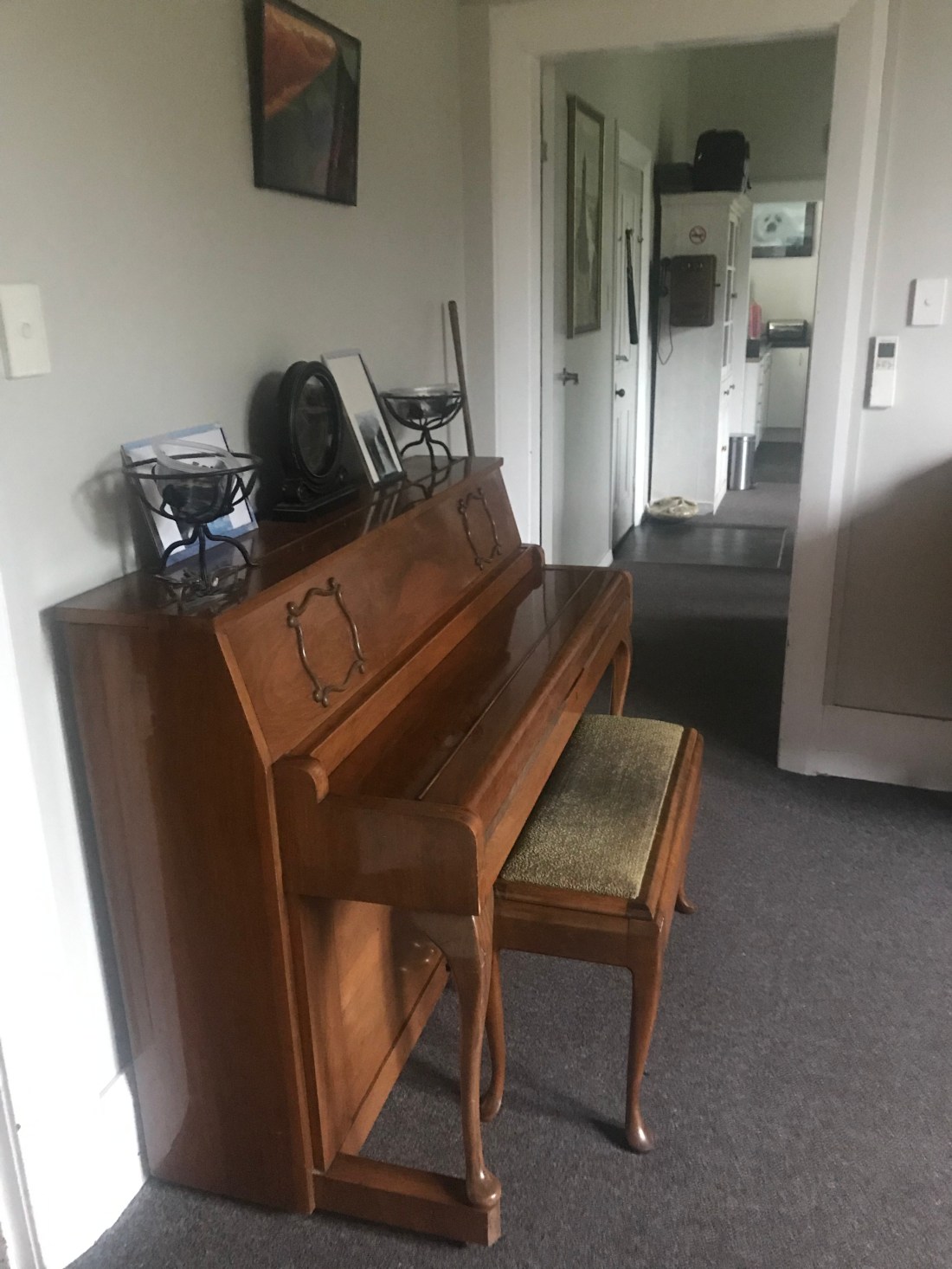
The enterprising owner of this establishment is Mark, who, on hearing I played the piano, encouraged me to have a go on the piano in the house where we were staying.

We told him we were going on a boat trip on the lake the next day, which delighted him, as he’s great friends with George, who owns the boat and runs the trips, and whose previous house we were staying in, and whose piano it was (George used to manage the lodge for Mark before he retired, bought the boat and started running the trips).

When we got to the boat trip, George already knew about us. Word travels fast in these quiet places! He made me promise to play four big tunes on his piano. I wished I’d brought my music on this leg of my journey (mental note: always bring music, as you never know, and sometimes opportunities come very unexpectedly as they did in France as well).

Anyway, so I played what I could remember and then it emerged that Mark is really a very good violinist, who has professional musician friends who come down to Te Anau every couple of years for a baroque festival that he organises! Before we left Te Anau the next morning, he managed to print off the music to a fiendishly difficult of music (Praeludium & Allegro by the virtuouso violinist Fritz Kreisler) that I remember playing years ago with a school friend who is an excellent violinist. Although neither of us had played it for decades, we had a go at it together, and it was lovely to play together and to hear this wonderful music again after so long.

If you’re lucky enough to get the opportunity to visit this part of the world, we strongly recommend Te Anau Lodge and also the boat trip by Faith in Fijordland too. You’ll see why…

Back to NZ: The Mirror Lakes

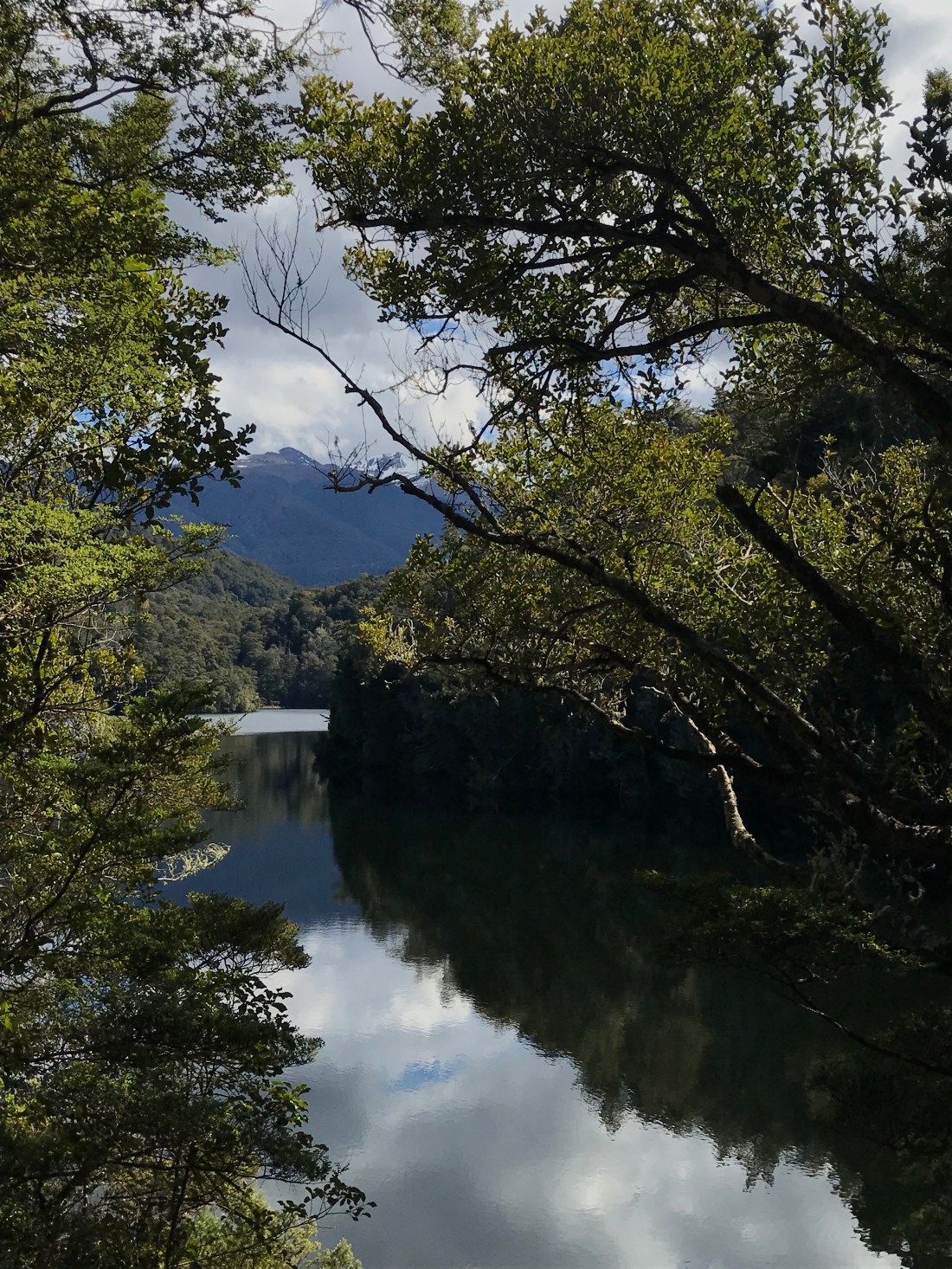
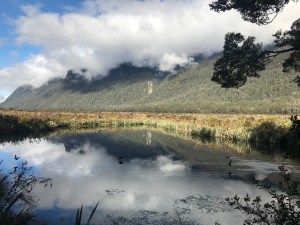
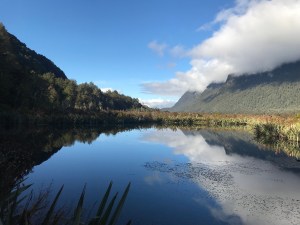
We left Knobs Flat, stopping off to admire the “Mirror Lakes” (ox bow lakes formed by the meanders of the river eventually becoming so twisty that little lakes end up cut off where the bends were – I remember that from my school geography lessons about glaciation) en route back to Te Anau.

Here are the Mirror Lakes in all their glory:

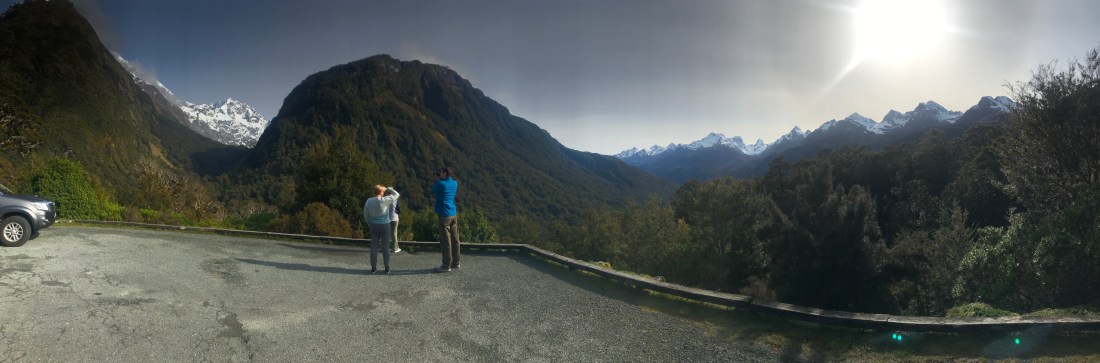
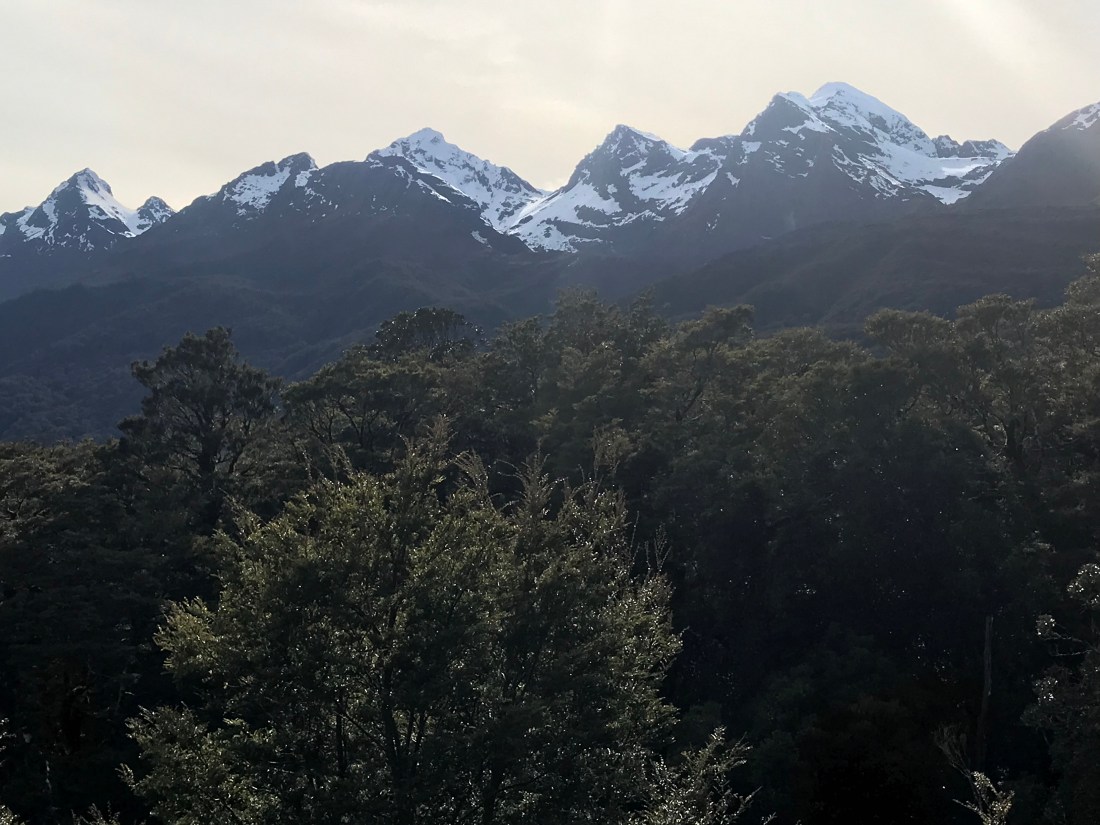
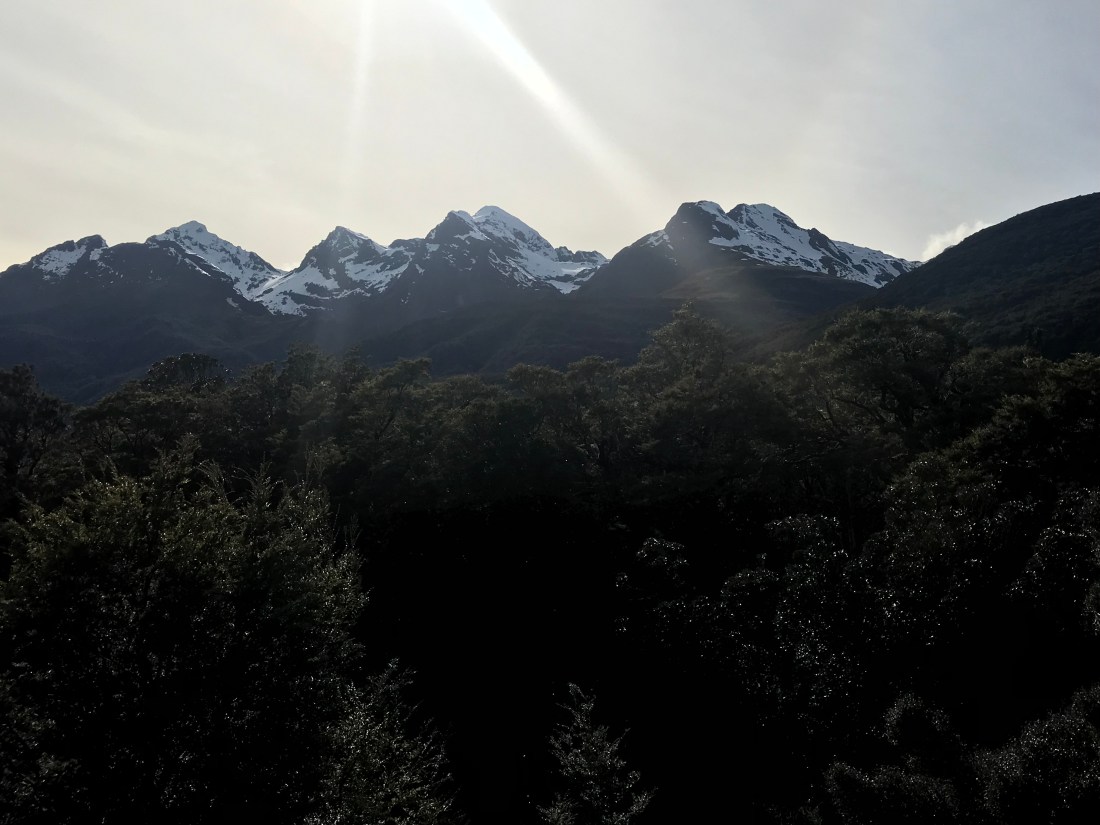
On our way back to Te Anau, we couldn’t resist stopping in a lay-by or two where we’d stopped two days before, seeing the altered views with the clearer weather:

Another Retro Post: Pseudo Thanksgiving, California style

This is a super retro post, which I thought I might as well do while I’m being retro. While I was with my brother and sister in law in California, they invited some friends over for an early kind of US thanksgiving type dinner. It was great to meet all these people and we had many interesting conversations about silence (inspired by the fact that my travel plans include a visit to my Swiss friend Delia, who has become a nun recently), about travel and experiences of emigration, about work, jobs and the cost of living. We also had a laugh and a lot of great food and drink. Which was a great thing! Good times thanks everyone. 😊

Retro post: Onwards and Upwards

I’m having some problems with WordPress at the moment delaying my uploads. In the course of trying to fix them, I saw this post from 12th Oct was never published! From halfway down the North Island of New Zealand…

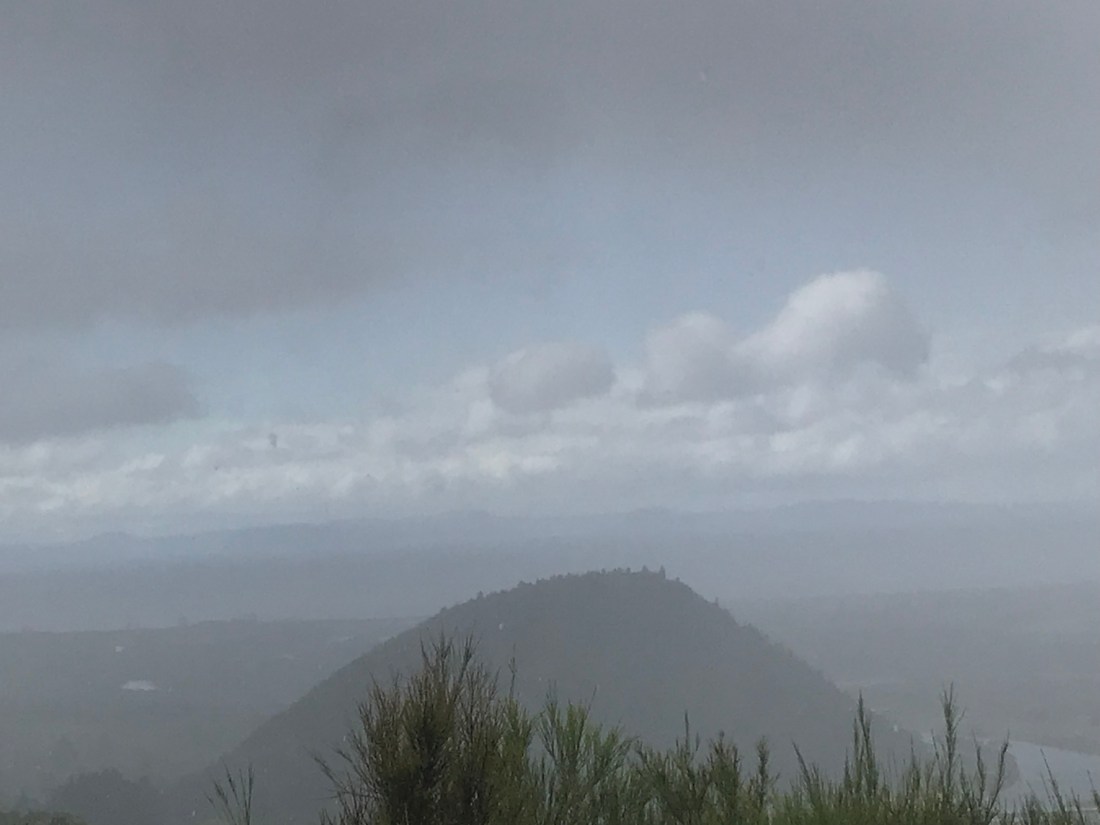
I hadn’t appreciated that the North Island has mountain ranges as well as the South Island. We drove south around the enormous Lake Taupo, stopping for a delicious lunch of fish and chips made with fresh snapper. Stuffed to the gills, we drove further around the lake and then up to skirted the edge of Mount Ruapehu, the highest mountain in the North Island, made famous as Mount Doom in The Lord of the Rings films. It wasn’t long before we had climbed above the snow line. Incredibly, for anyone not familiar with mountainous regions, this colossal mountain was more or less invisible due to the low cloud, as the snow fell. This👇🏼was the most I could see of any mountain, and I don’t think this one was Ruapehu!

A very palatial looking café and hotel appeared out of the mist some way up, with about 10 snowmen that had been constructed (no doubt by kids on school holidays) on the lawn in front of it.

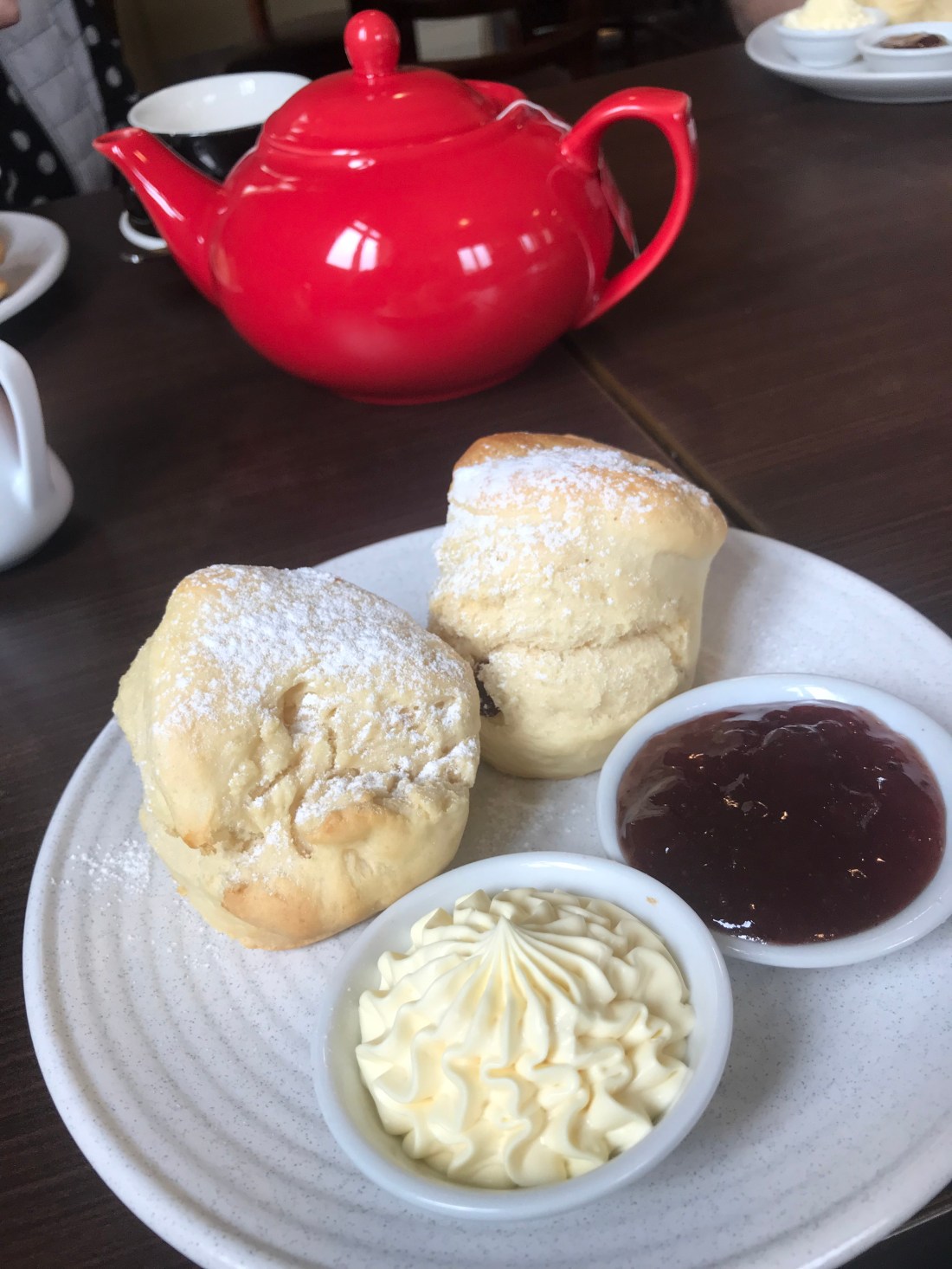
We sought warmth, a refuge and a cup of tea in the café, and through a short series of miscommunications with the very keen and attentive waitress, inadvertently ended up with a delicious cream tea each! We thought we were full, but where there’s a will, there’s a way! Don’t mind if I do… 😋 We had the usual cream or jam first debate, and the do you call it a “scon” or “scohne”. I pulled the “I’m from Dorset and that’s a darn sight nearer Devon than anyone else” card, so to my mind won. Of course, my uncle was also born and bred in Dorset, but he’s lived in NZ for over thirty years, which has clearly messed with his memory of how these things should be. I’ll leave it to readers to continue those time honoured debates. The main lesson being, when the universe offers you such delights, you should make jolly sure you enjoy them.

On the Milford Road

Apologies – I’ve just realised this post should’ve come before the Milford Sound one! Hmmm if I can rejig them I will!…

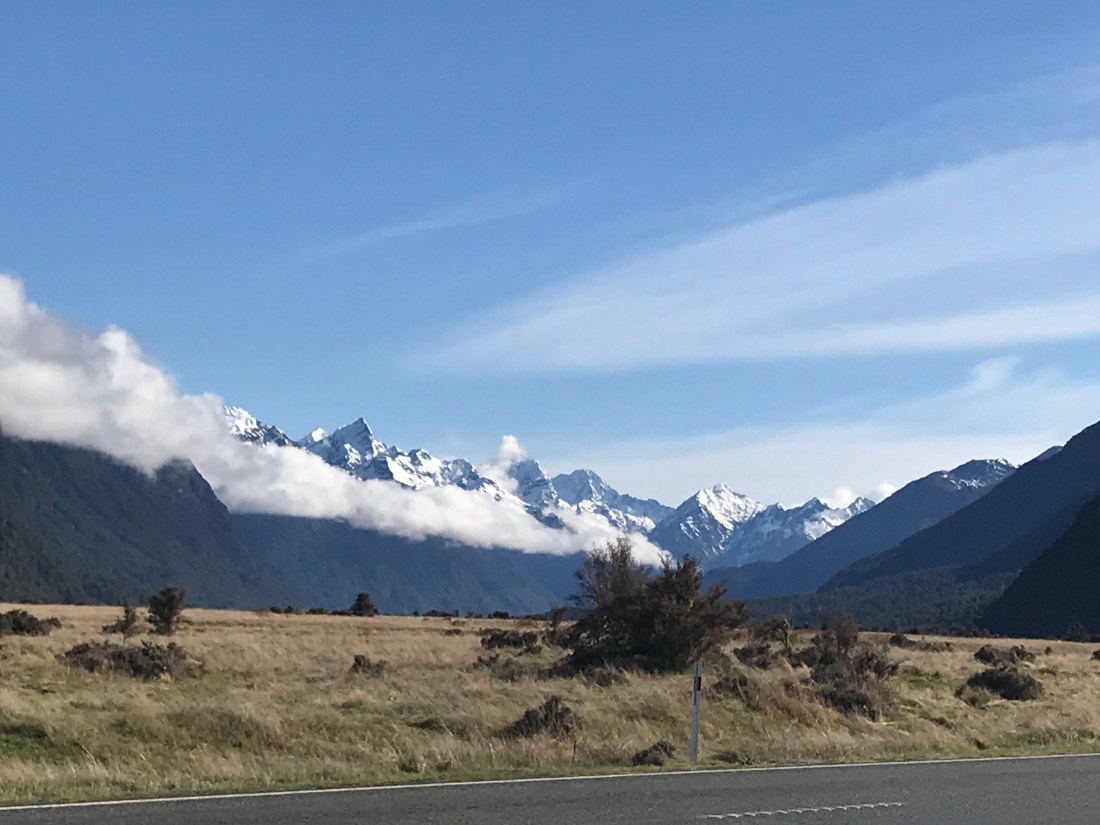
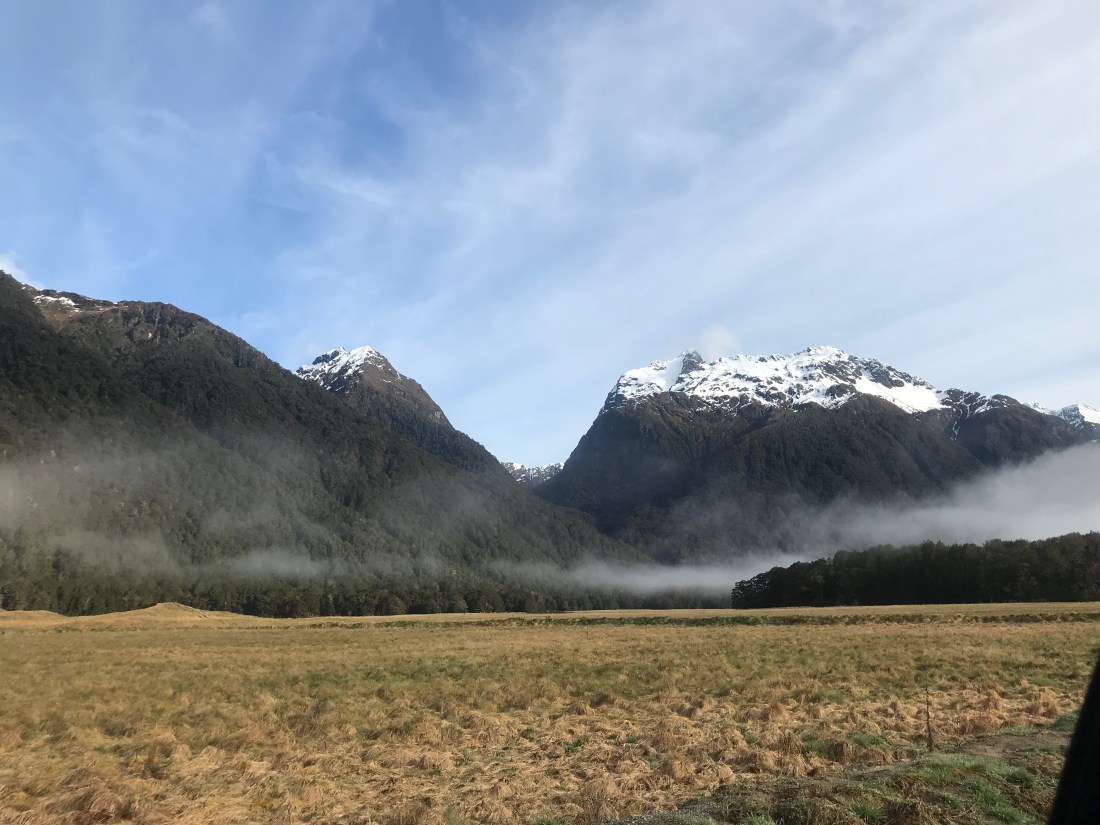
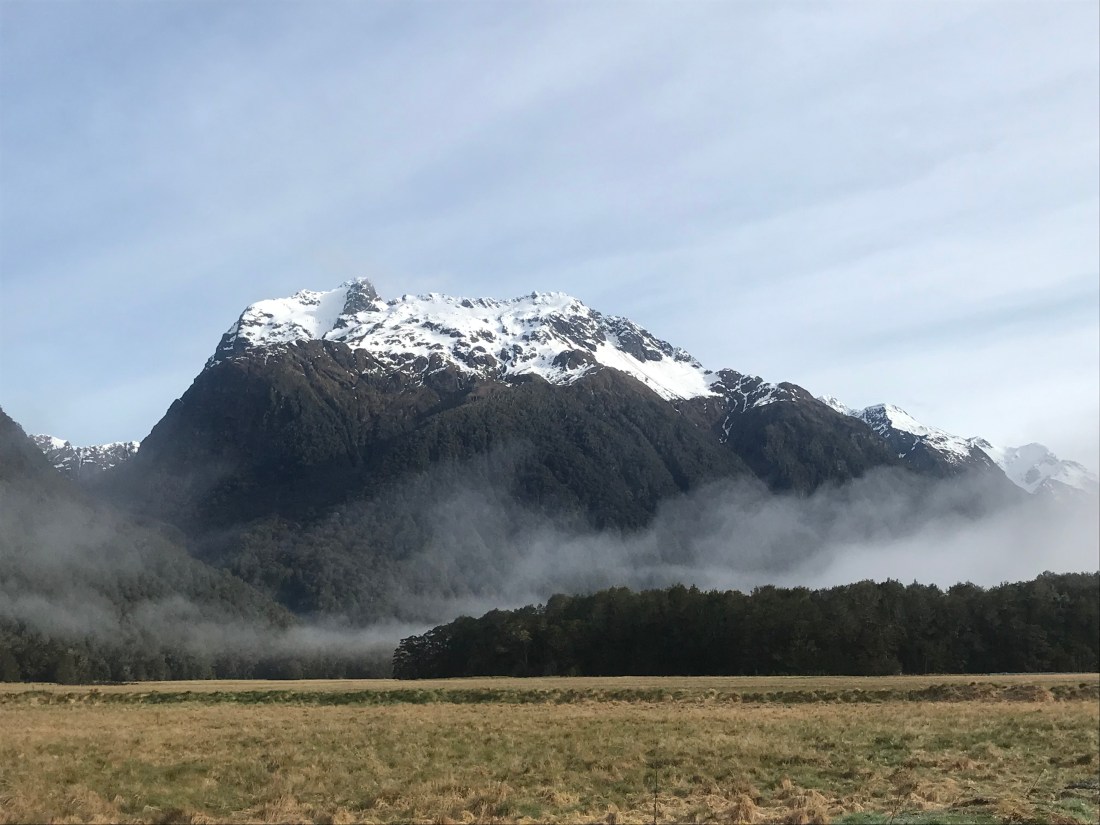
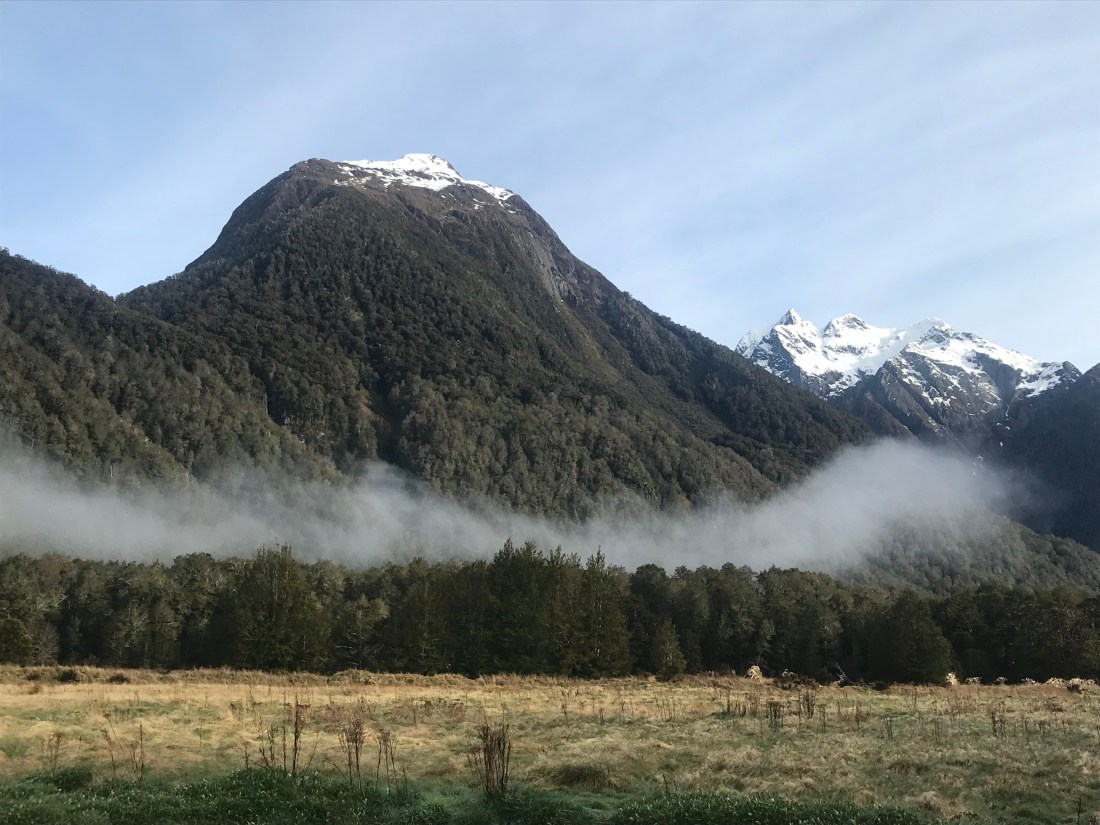
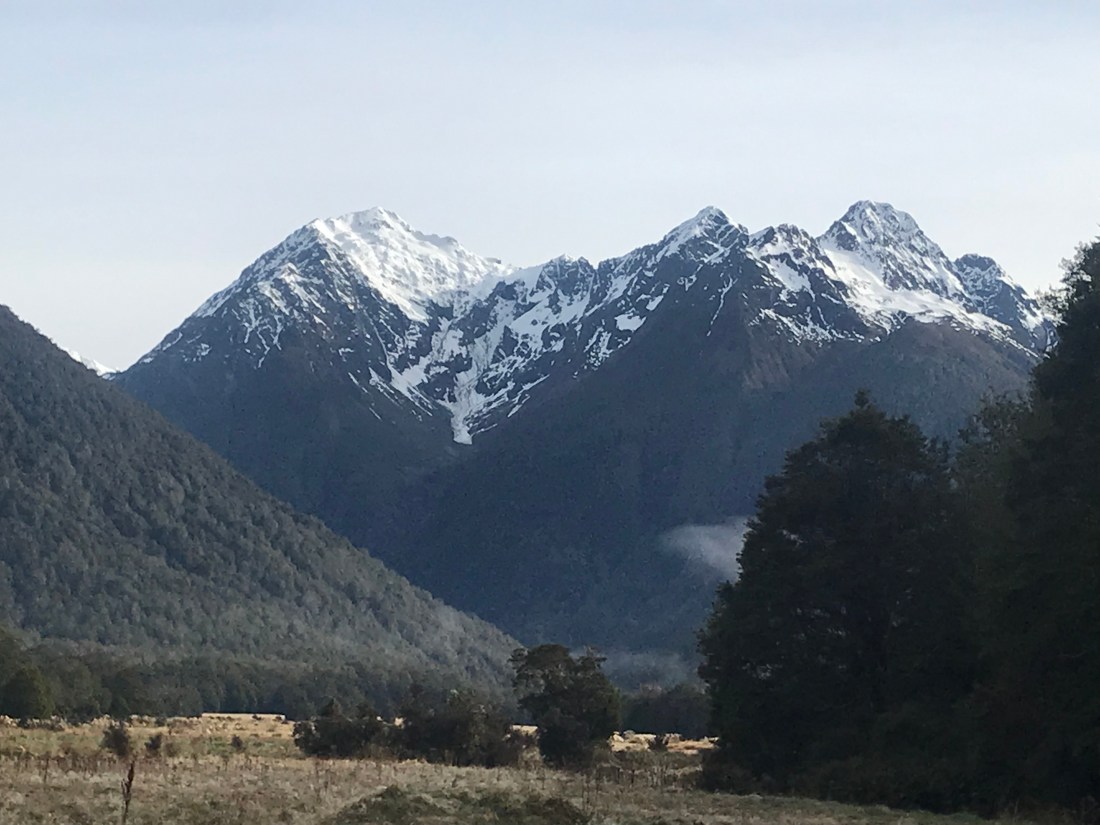
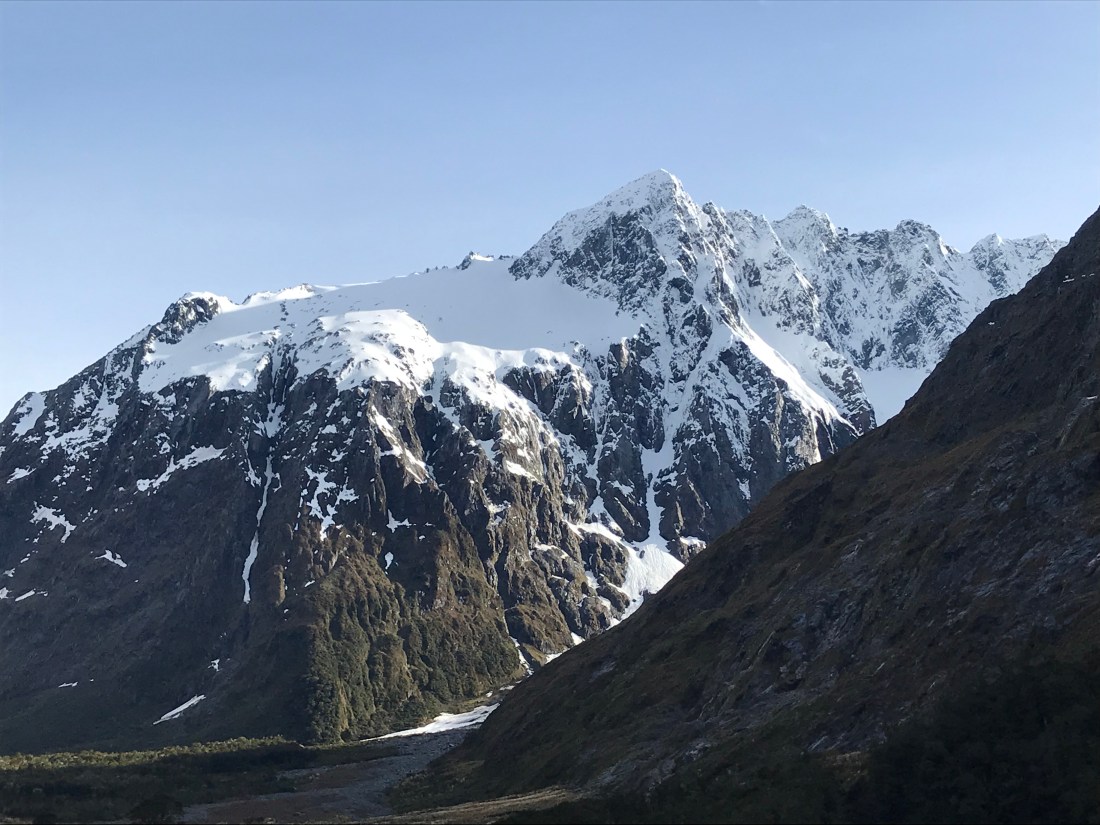
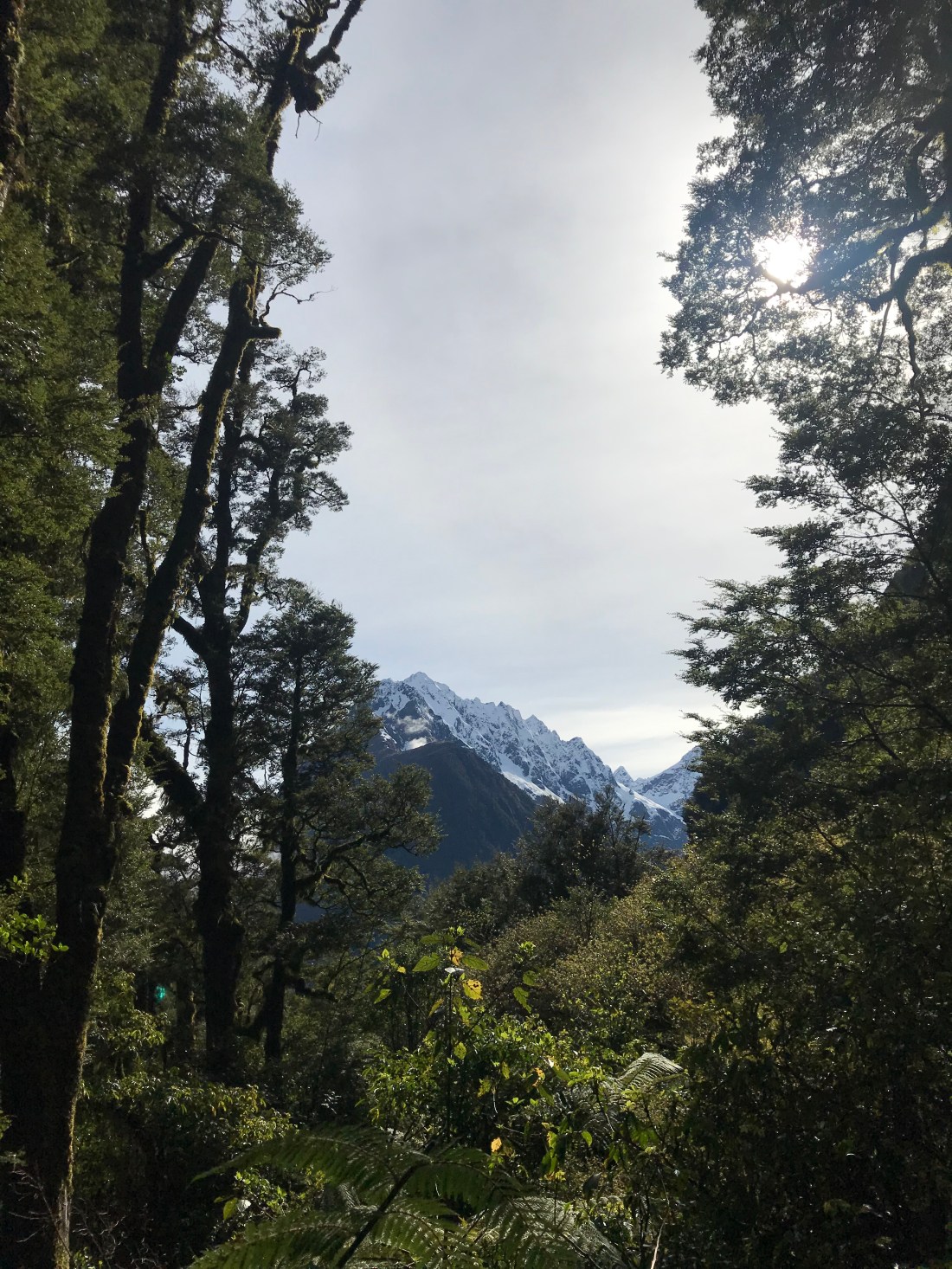
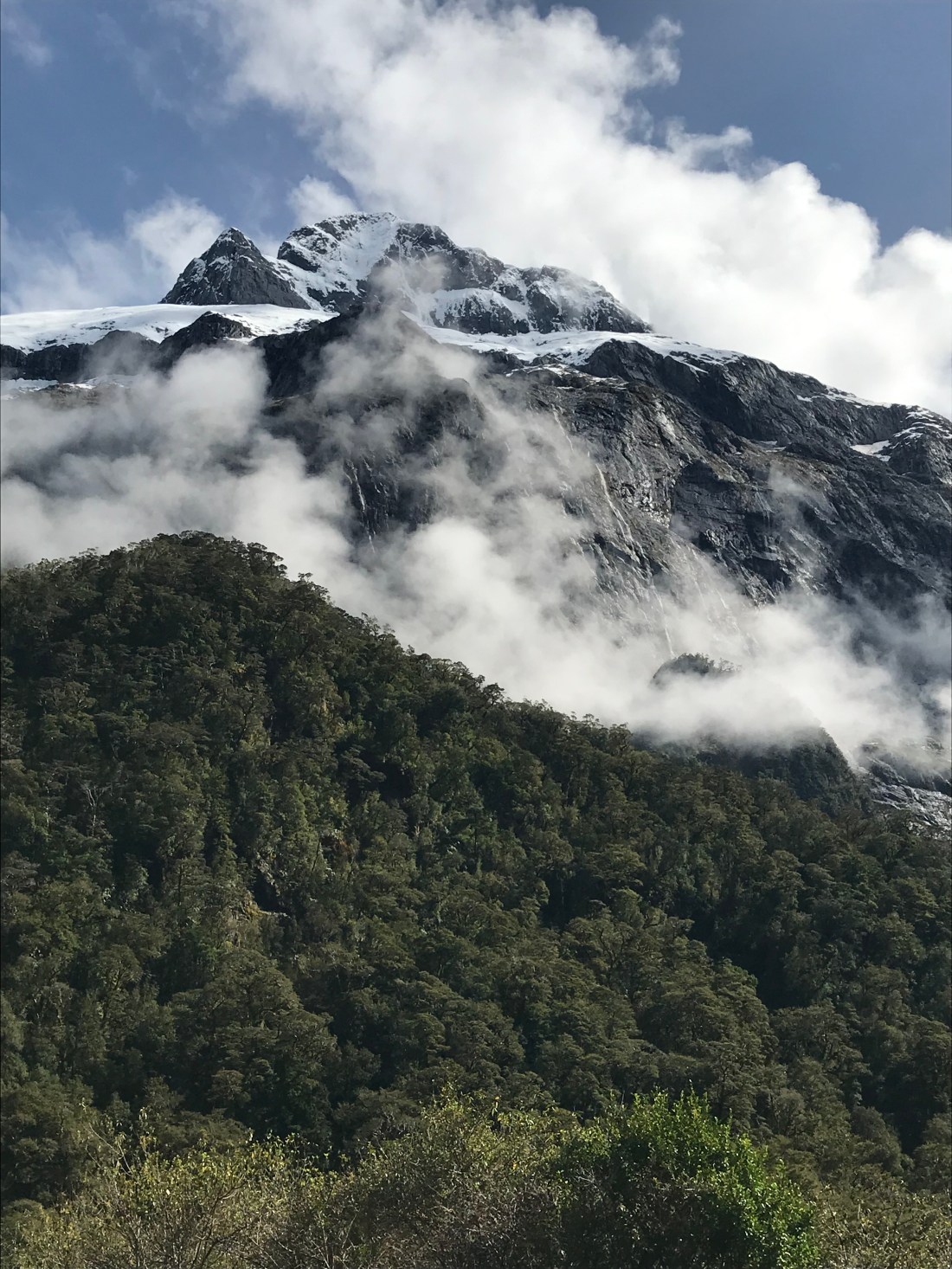
We awoke to gloriously sunny and clear weather and more stupendous views:
We drove on and as the landscape kept changing, opening out into wide valleys framed by mountains, then narrowing into forested areas, we passed a sign saying “Latitude 45 degrees South”. The temperature was getting appreciably cooler although in the truck it was easy to not notice how we were climbing until my ears popped.

Near Lake Gunn I finally managed to capture a tui singing:
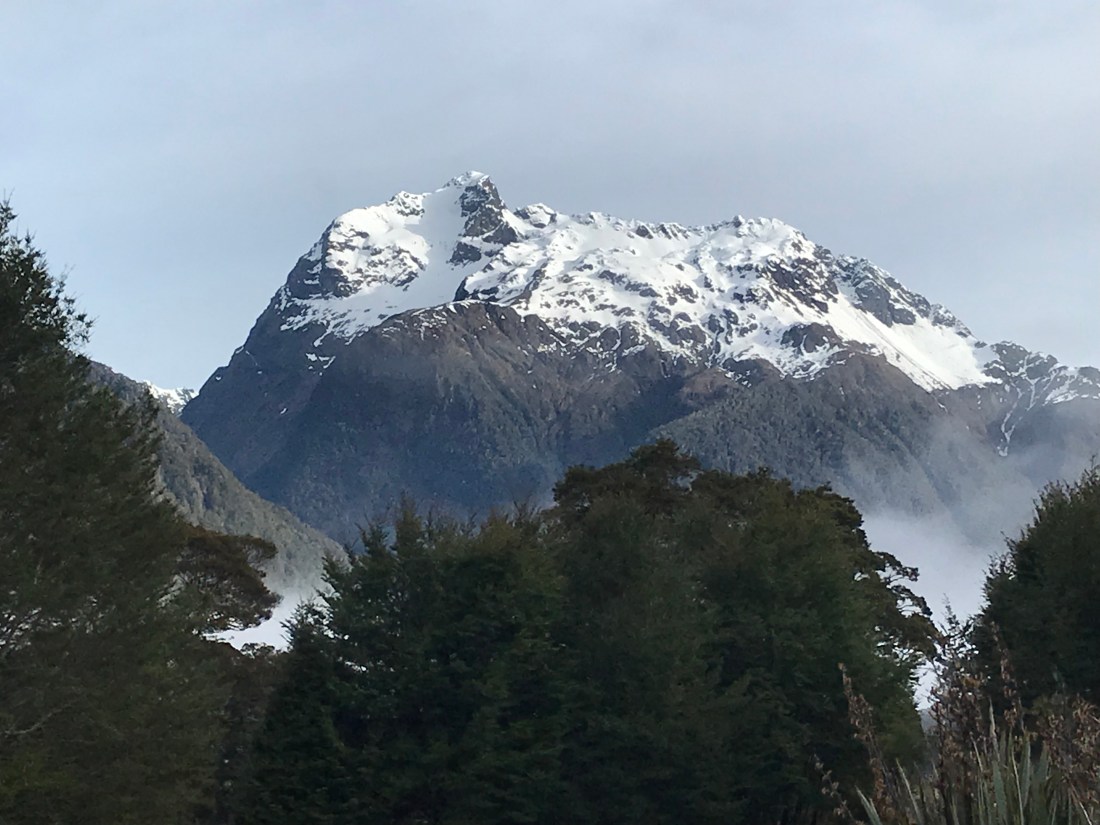
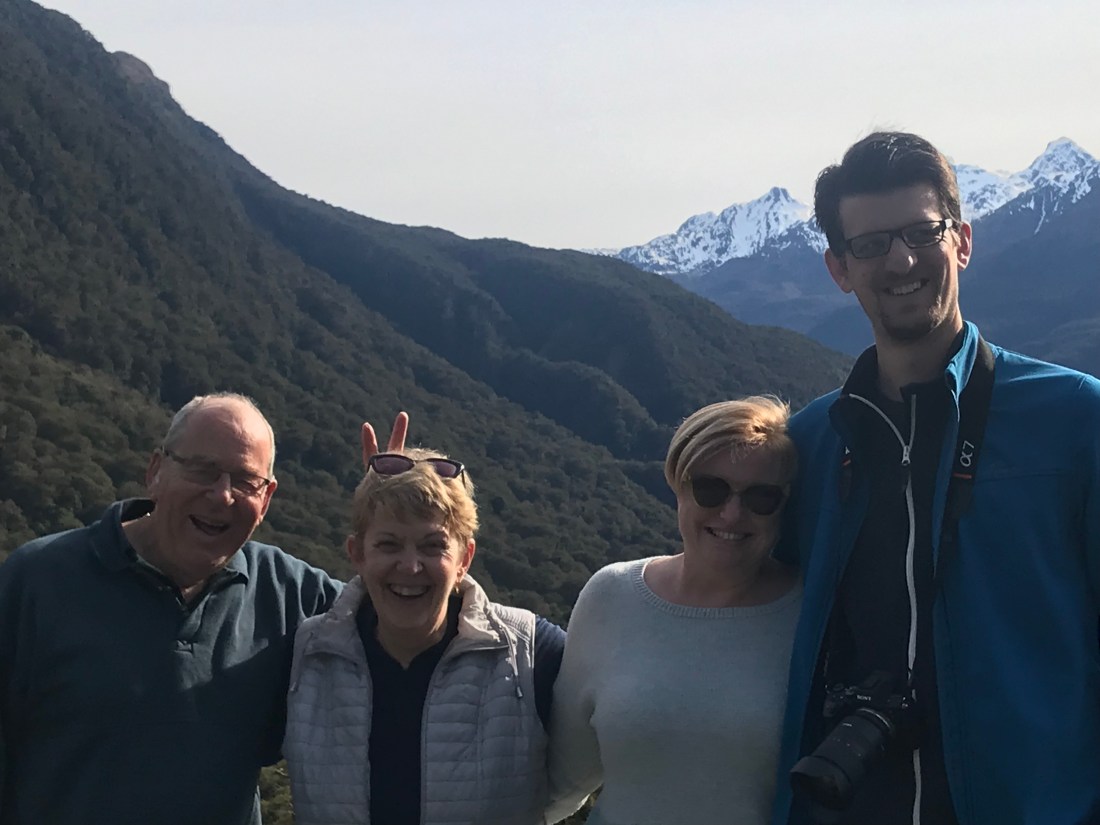
The many lookout lay bys were beautiful with increasingly dramatic mountain views. This was a special moment at one such viewpoint:

More views en route…

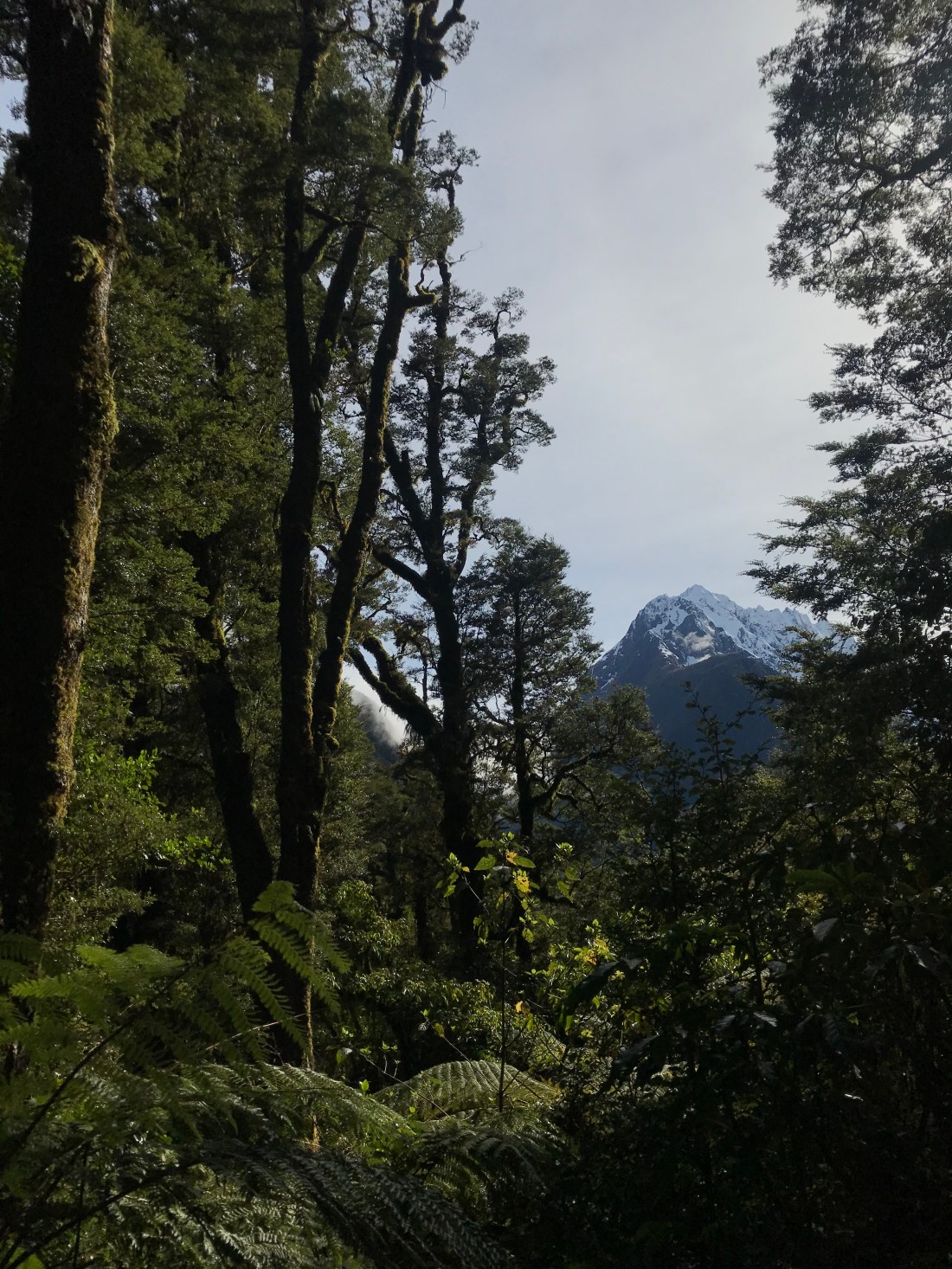
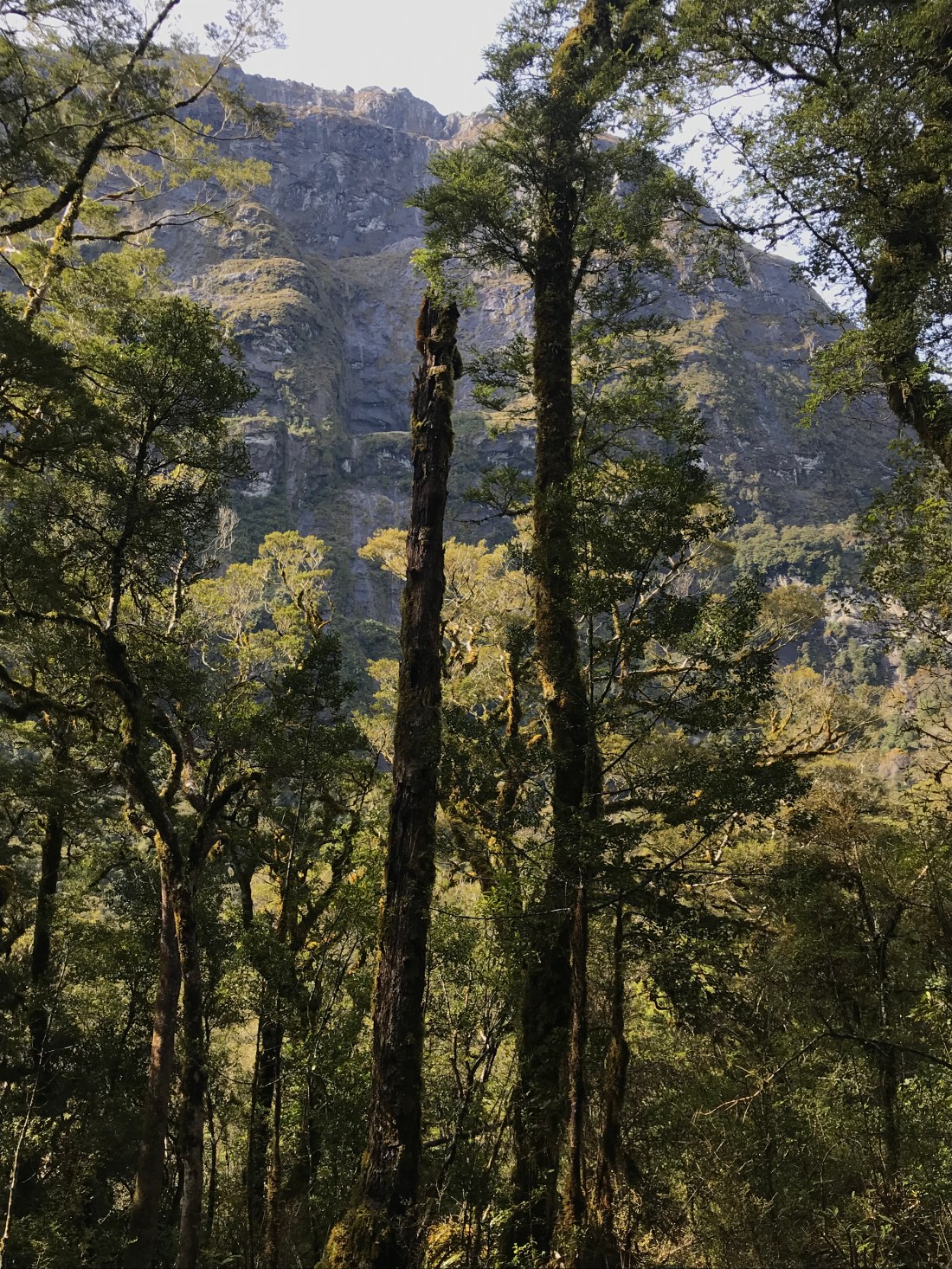
We stopped off at the Chasm waterfall, which was torrential even though there hadn’t been so much rain here lately. There’s a short bushwalk that takes you through a beautifully lush wood, everywhere dripping with fresh water, sun sparkling off the leaves, to the top of the thundering waterfall.

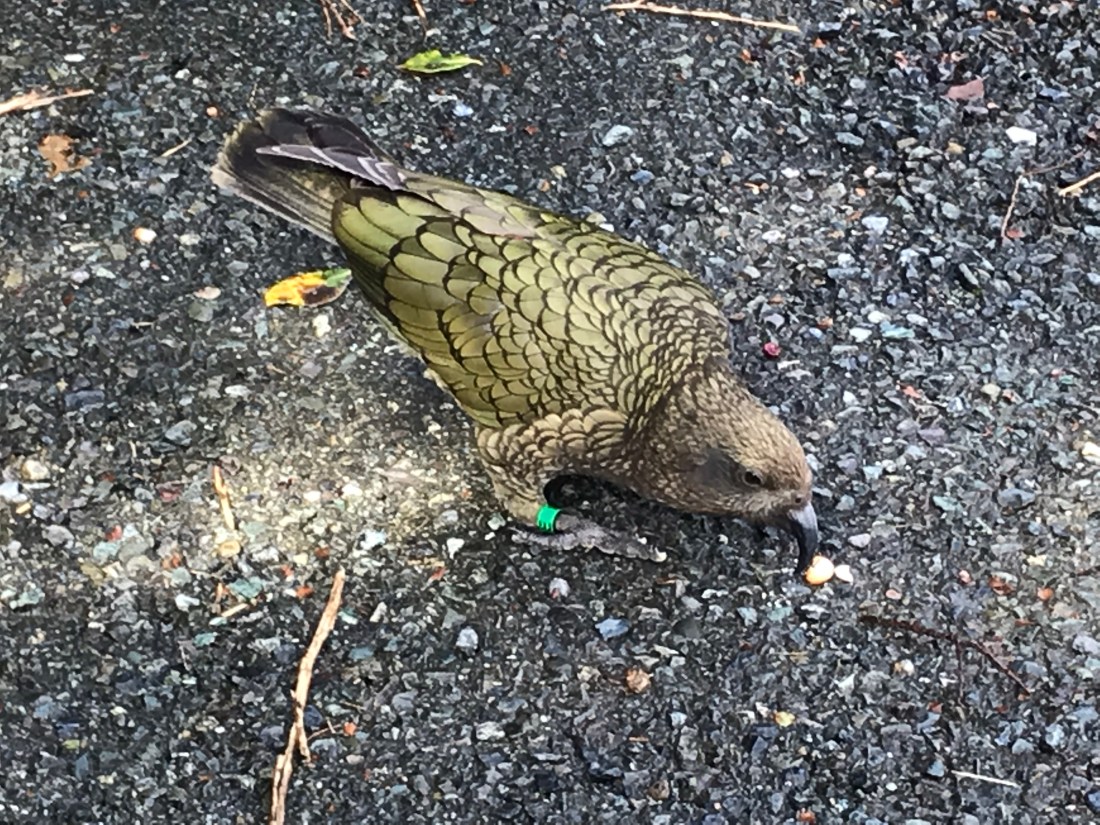
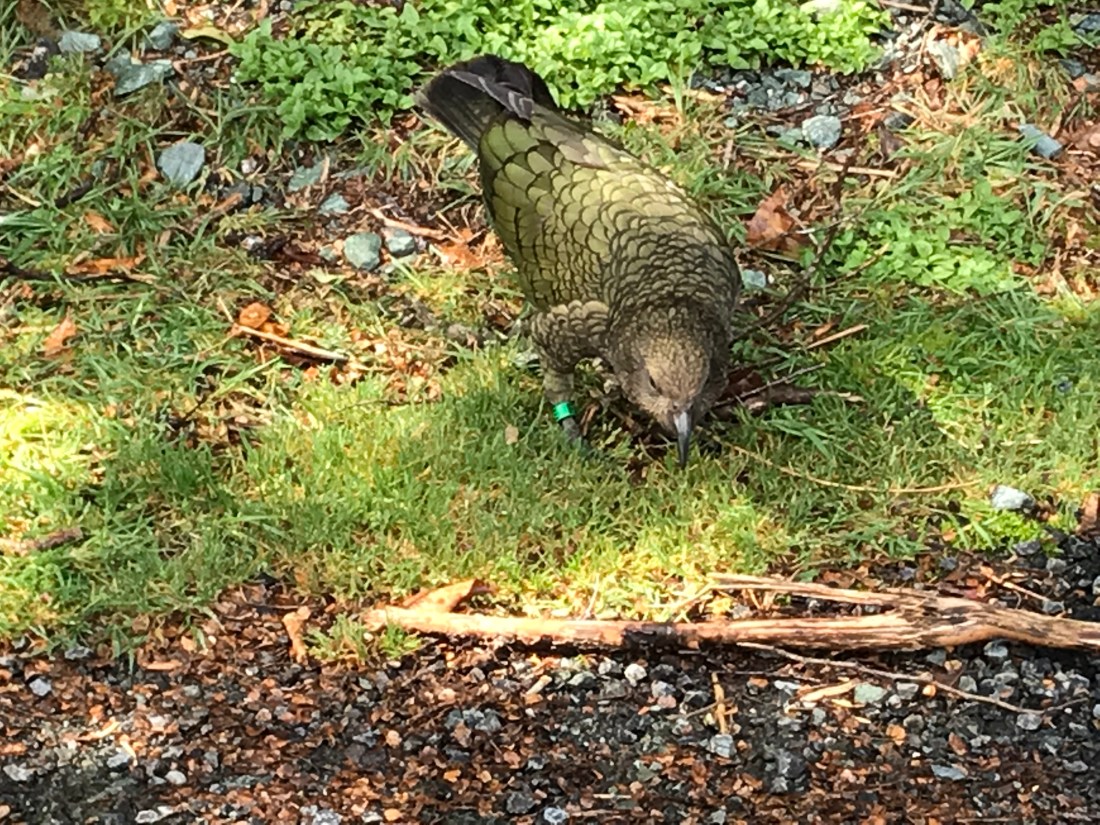
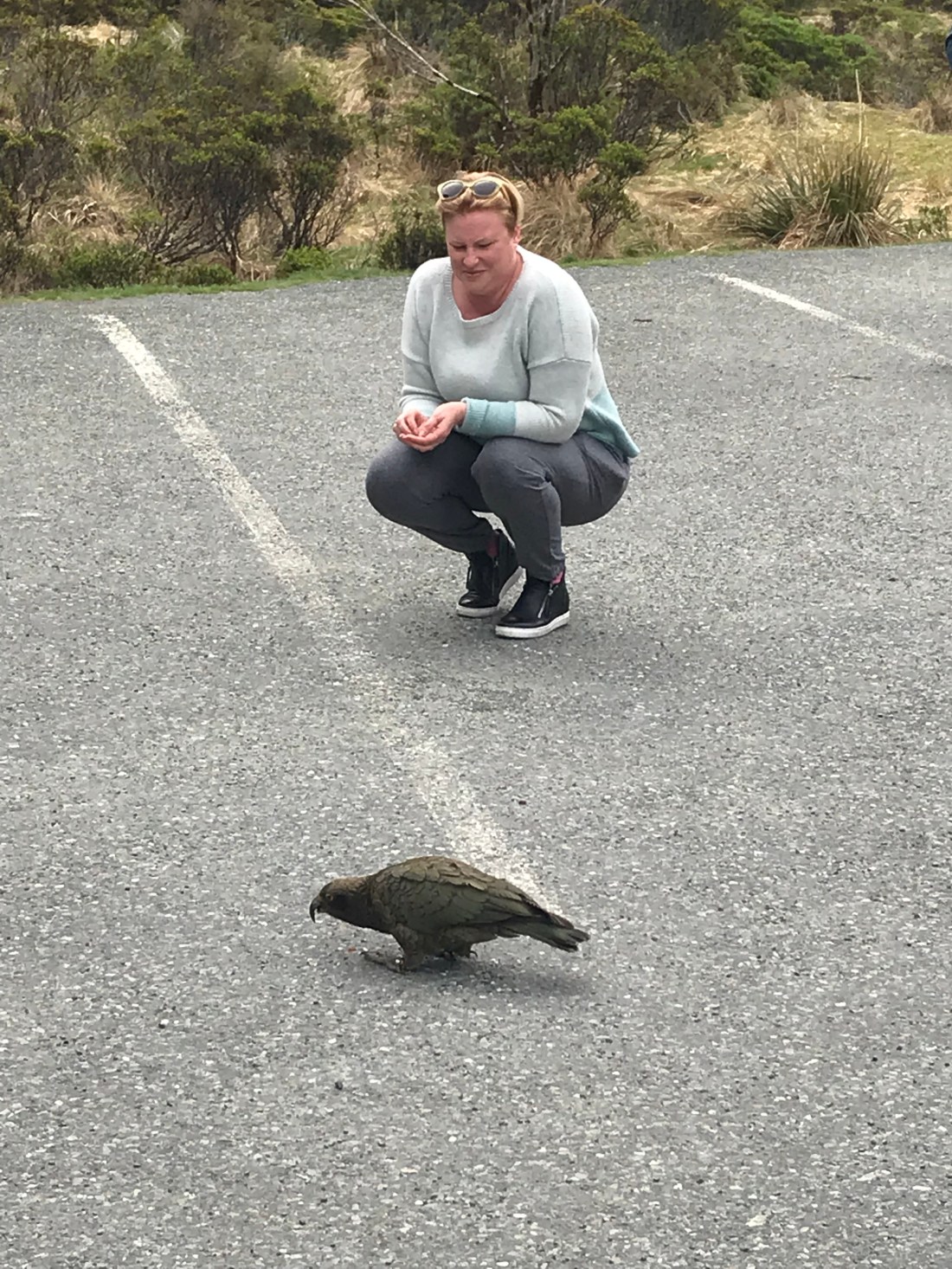
On returning to the car park, Stu and I found the others all busy being entertained by a couple of kea birds. We were hoping to see some in the wild and we weren’t disappointed. They seemed pretty untroubled by the humans around, pecking away at anything peckable at, true to form.

From this point we drove up to the Homer Tunnel, which works its way down through the heart of Homer Saddle in the Darran Mountain range. Apparently this 1.2km long tunnel was initially dug by five men using only picks and wheelbarrows in 1935. Other relief workers during the Depression then joined the work and it took five years to pierce the mountain, though due to problems with avalanches and the constant stream of snow melt coming into the tunnel, and also World War II, it wasn’t completed and opened until 1953. The men lived in tents in the mountains while they were working on it.

The tunnel has since been widened and lighting has now been installed to make it possible and safer for the tourist coaches to get through on their way to Milford Sound.

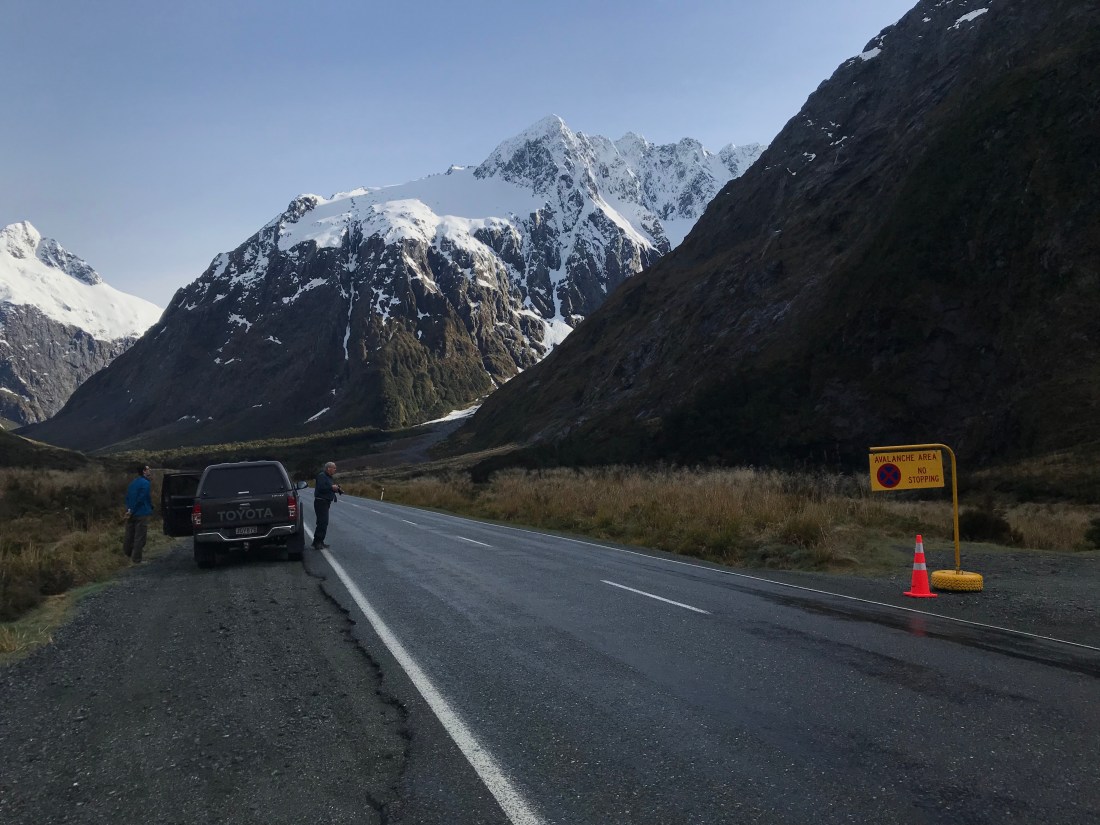
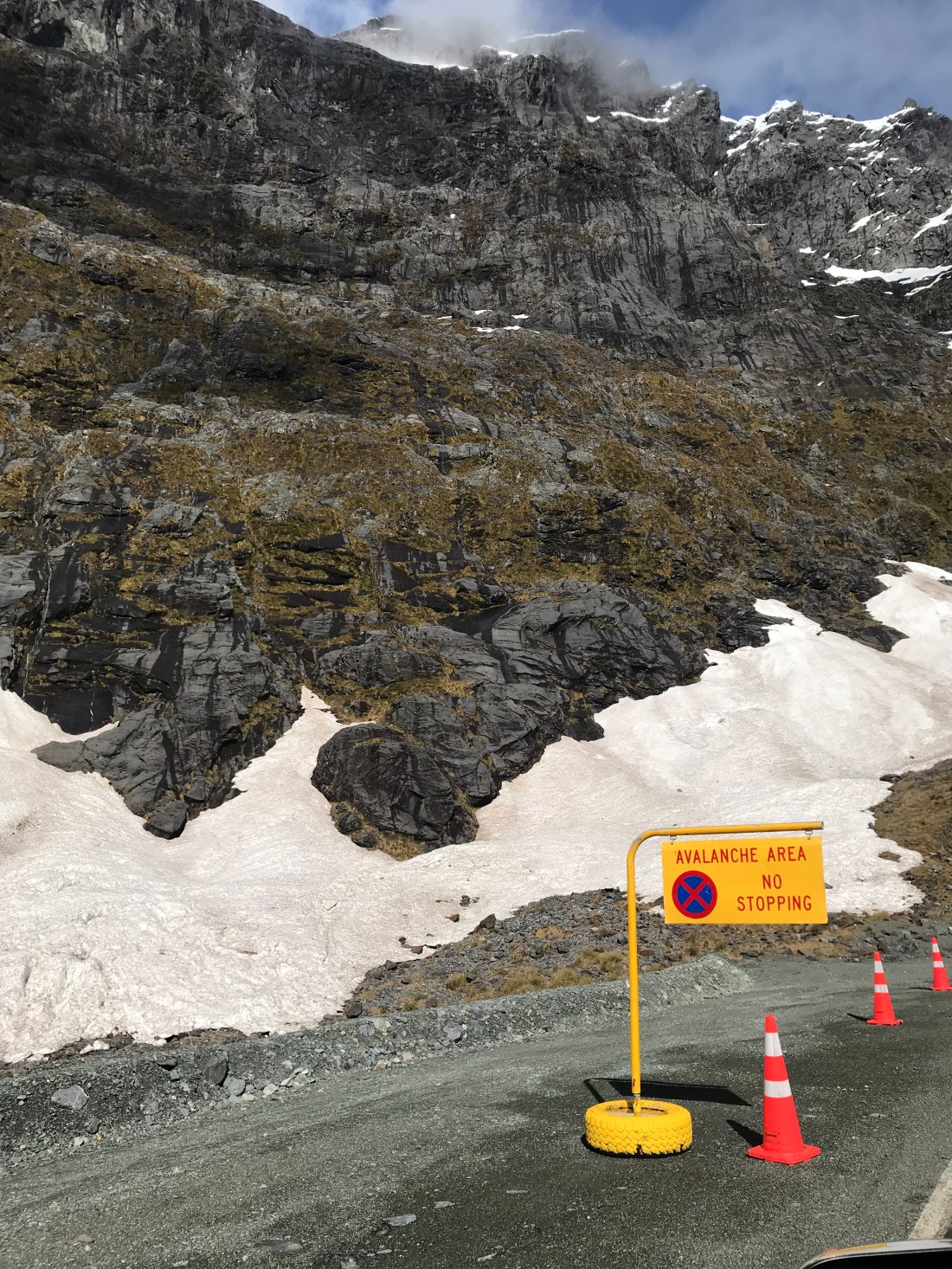
As we approached the tunnel, we were at the snow line. Throughout NZ there are great lookout lay-bys you can pull into to look at the stupendous views, and we often ended up leap frogging these with various camper vans on the route. As you approach the Homer Tunnel, though, there’s a risk of avalanche, so you are no longer allowed to stop beyond a certain point (except when there’s a queue of traffic waiting to enter the tunnel, of course). Entrance to the tunnel is controlled by traffic lights, so the traffic is only coming through in one direction at a time, so when you make this journey to Milford Sound, you have to allow about half an hour extra in case you hit a red light.

The earliest photo I could take after exiting the tunnel was this:
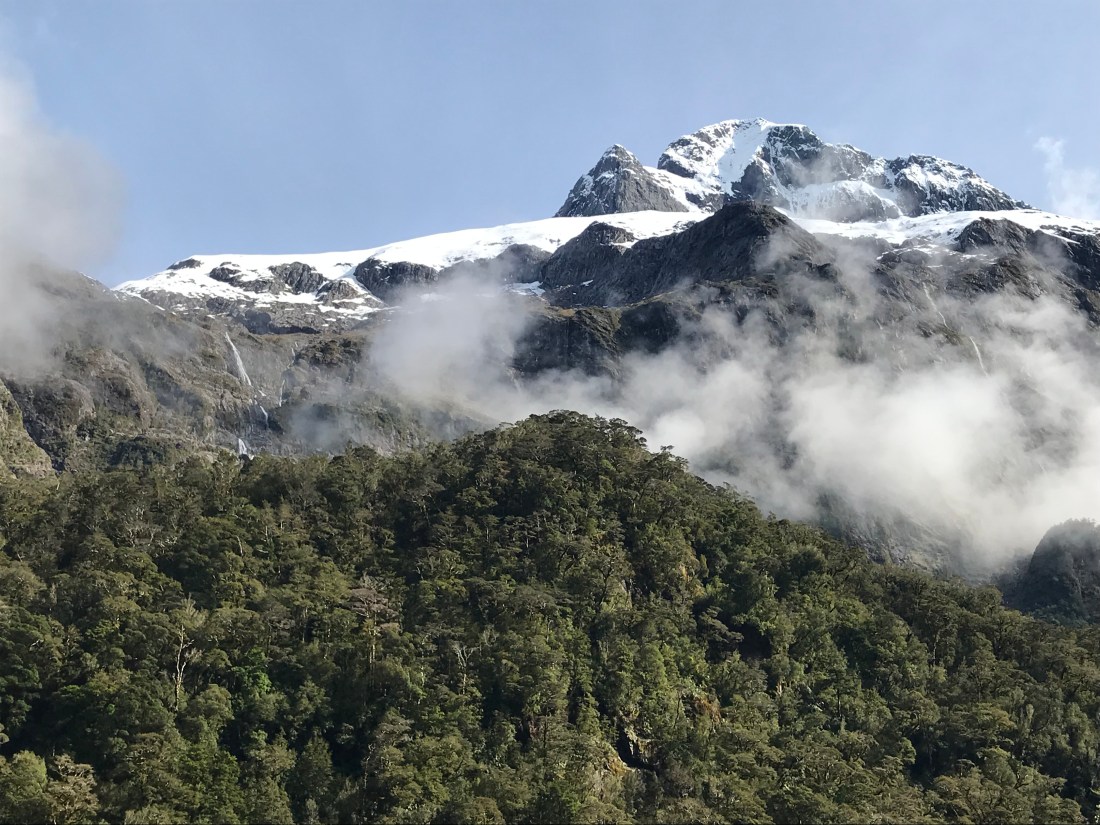
We made our way along this beautiful road all the way down into Milford Sound area, where Stu and Tash and I hopped on a boat and K and L went for a walk (having done several boat rides on the Sound before).

Milford Sound

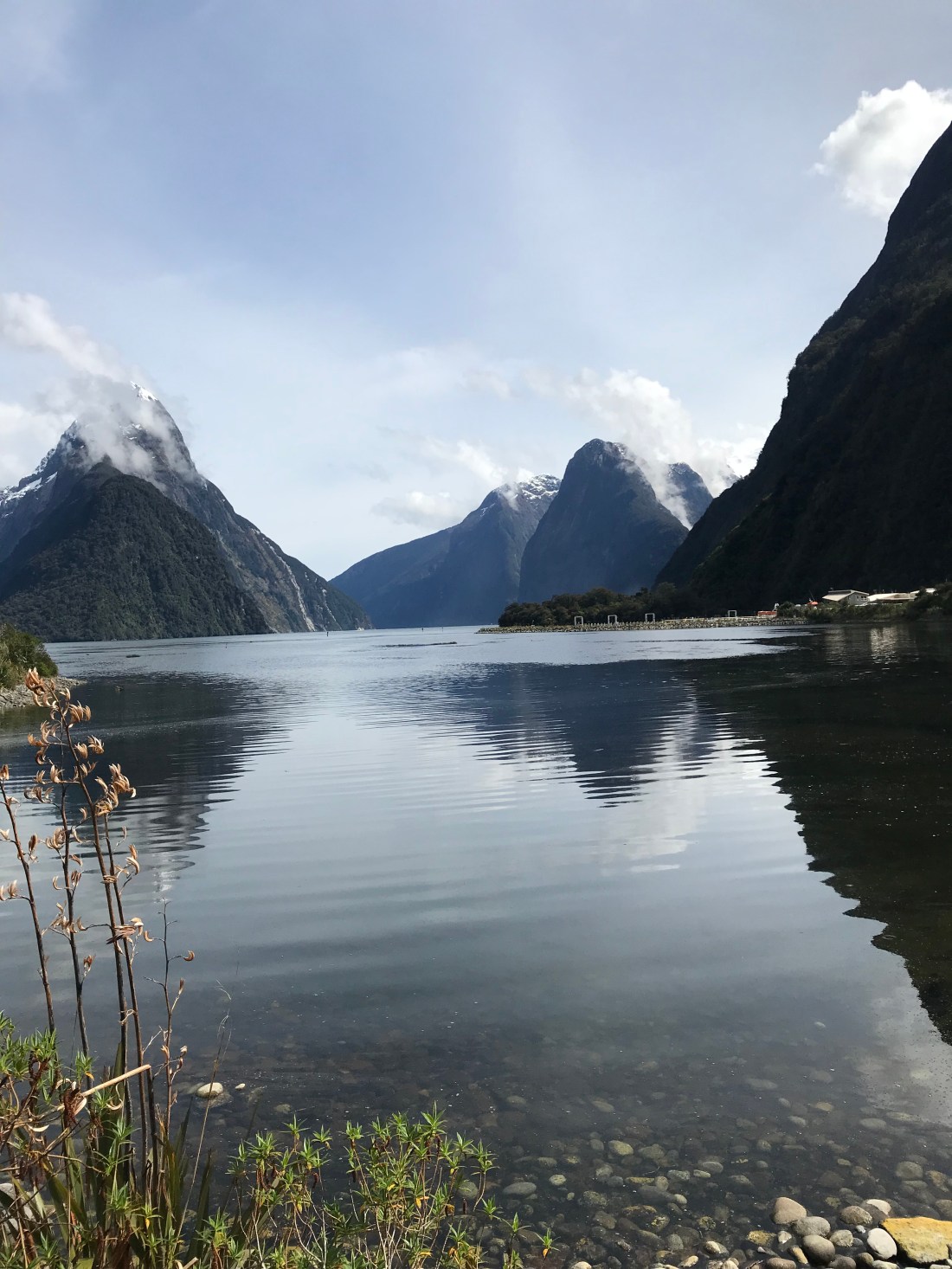
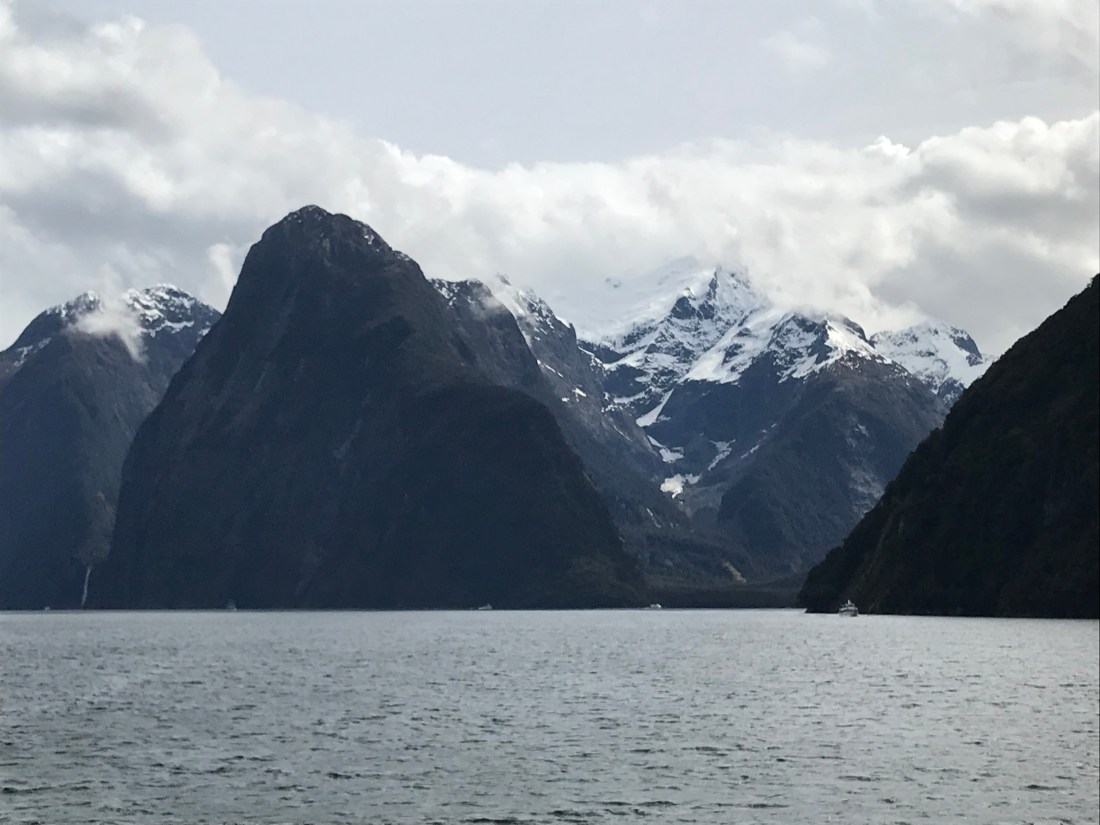
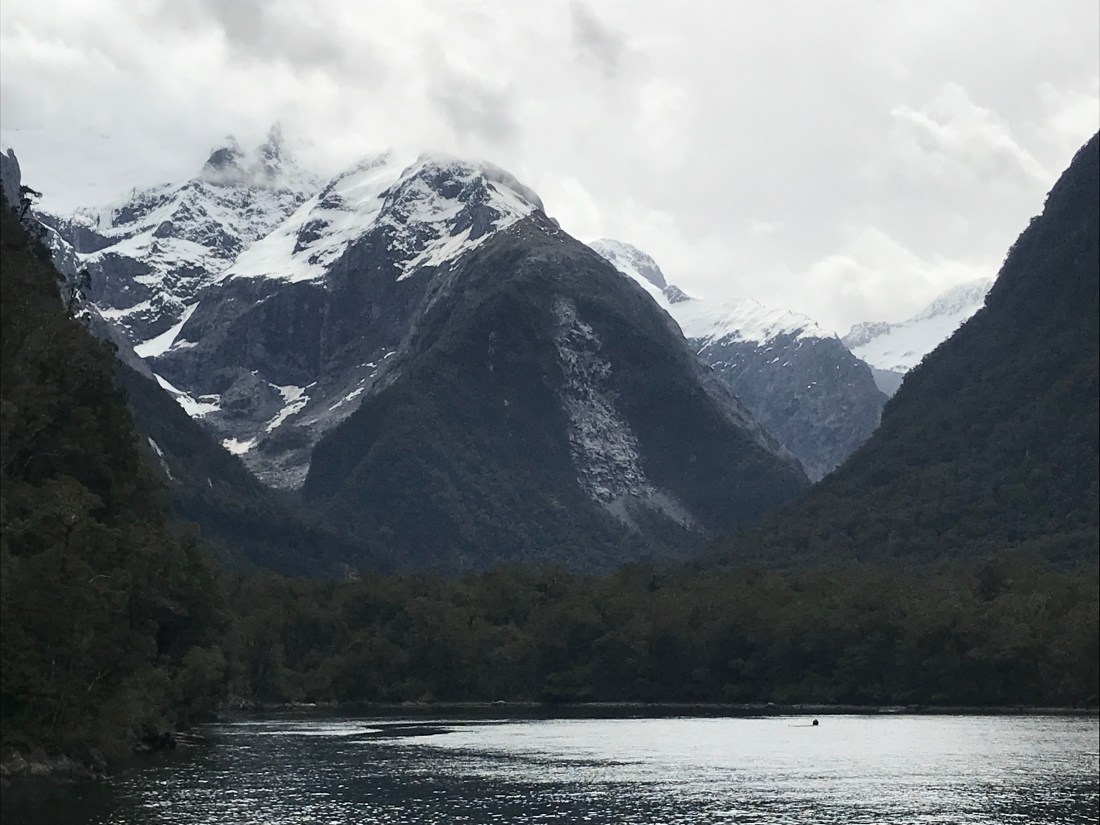
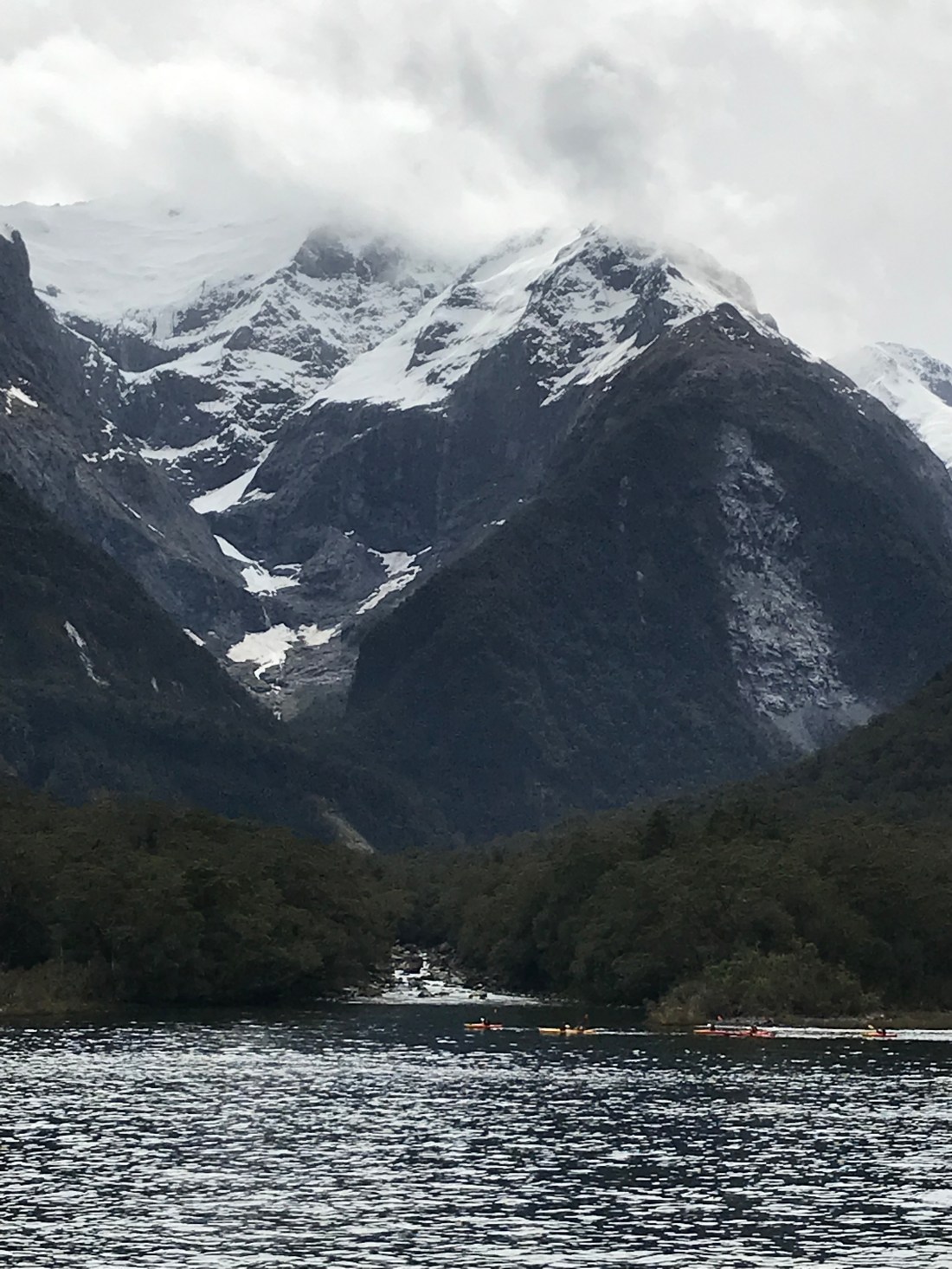
The guide’s information on this cruise was really good, but I didn’t manage to note it all down. One thing they did say was that Milford Sound is actually not really a Sound but a Fijord, because it opens out to the sea. It has both freshwater and sea water in it, providing a unique habitat for all kinds of creatures. We didn’t see any dolphins, though they are sometimes seen there. But we did see a penguin preening himself. He was too far away for me to get a picture though.

The largest glacier in New Zealand is the Tasman, and I think they said that it is melting on average 60cm per day now. At the current rate, there won’t be any glaciers left in NZ within the next fifty years. I will have to come back again to try and see one, as our attempts this time were a wash out.

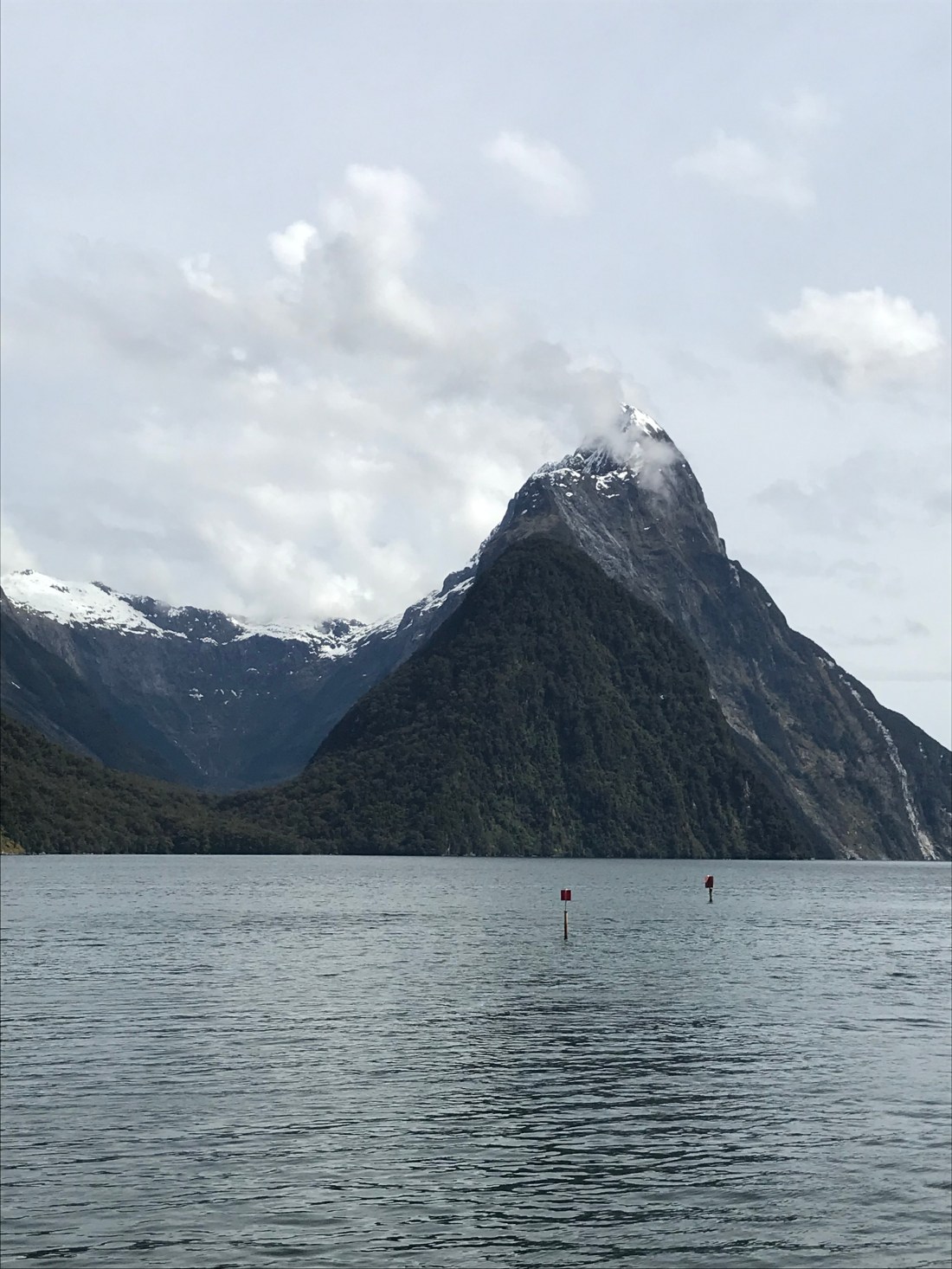
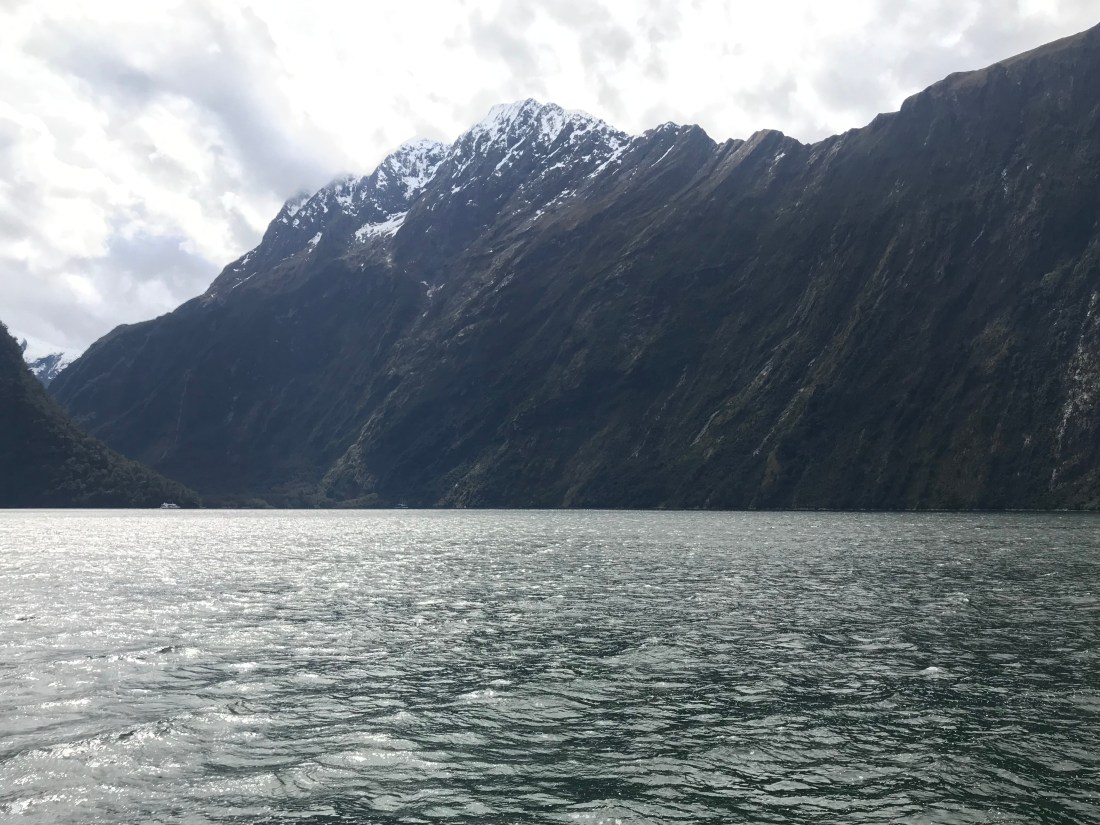
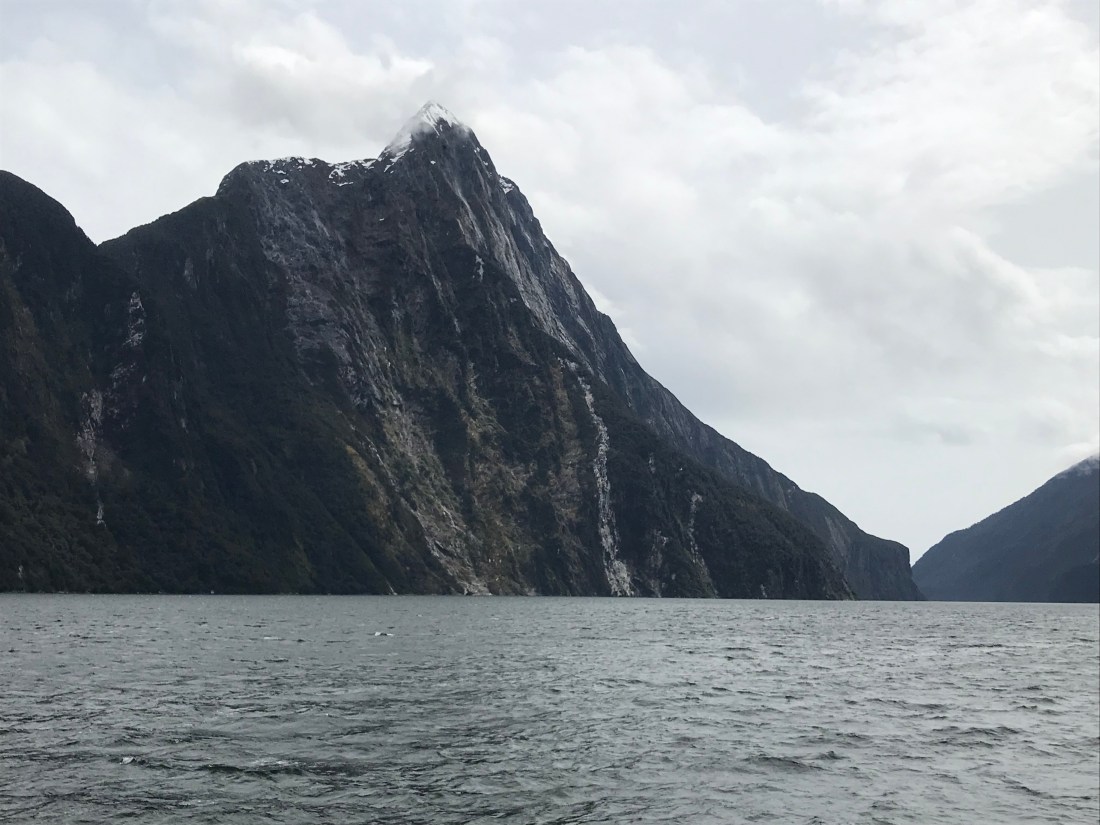
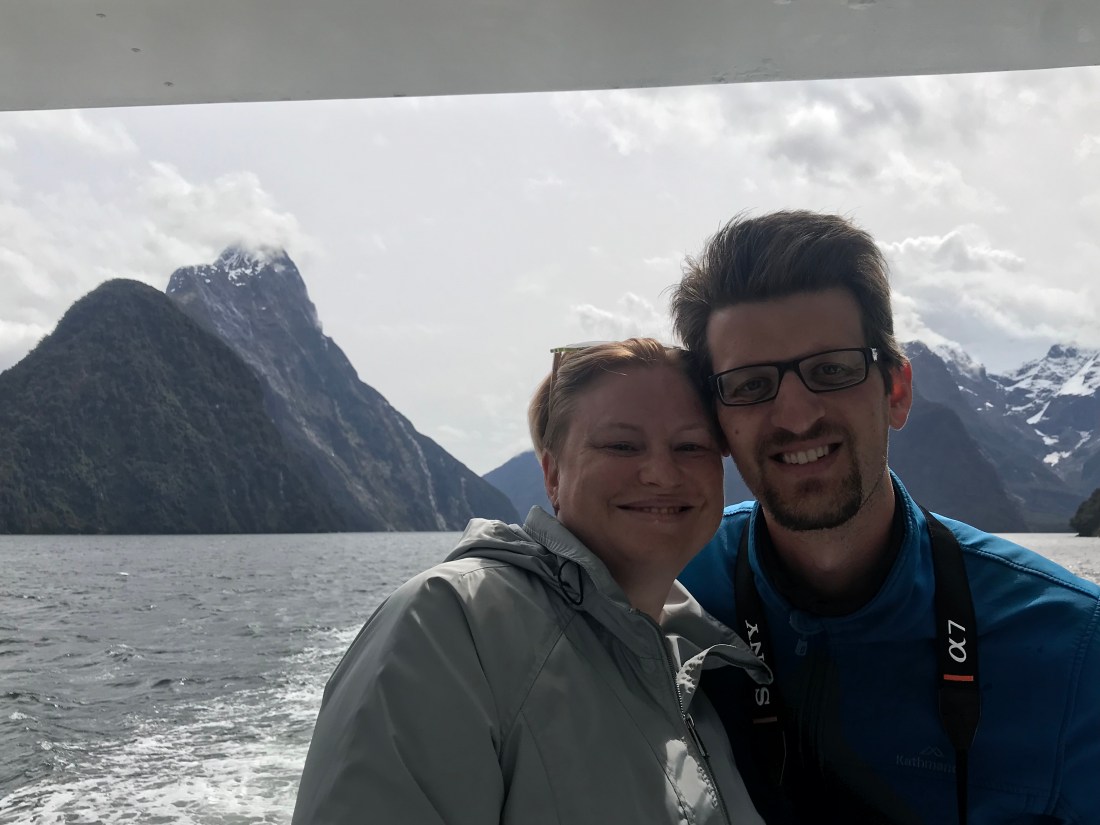
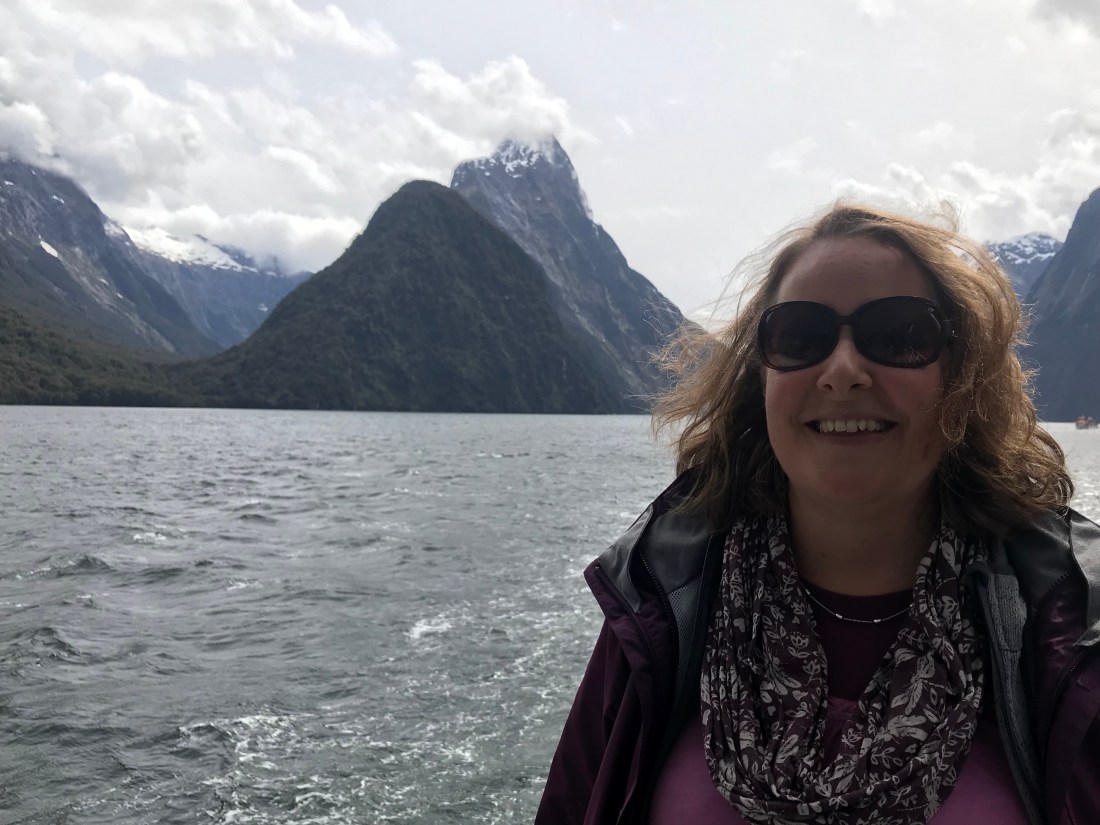
Mitre Peak is the iconic peak that people most easily associate with Milford Sound. It looms in a craggy and formidable way, snow sprinkled, just opposite the jetty where the cruises set off. Apparently one local man has climbed it three times bare foot!

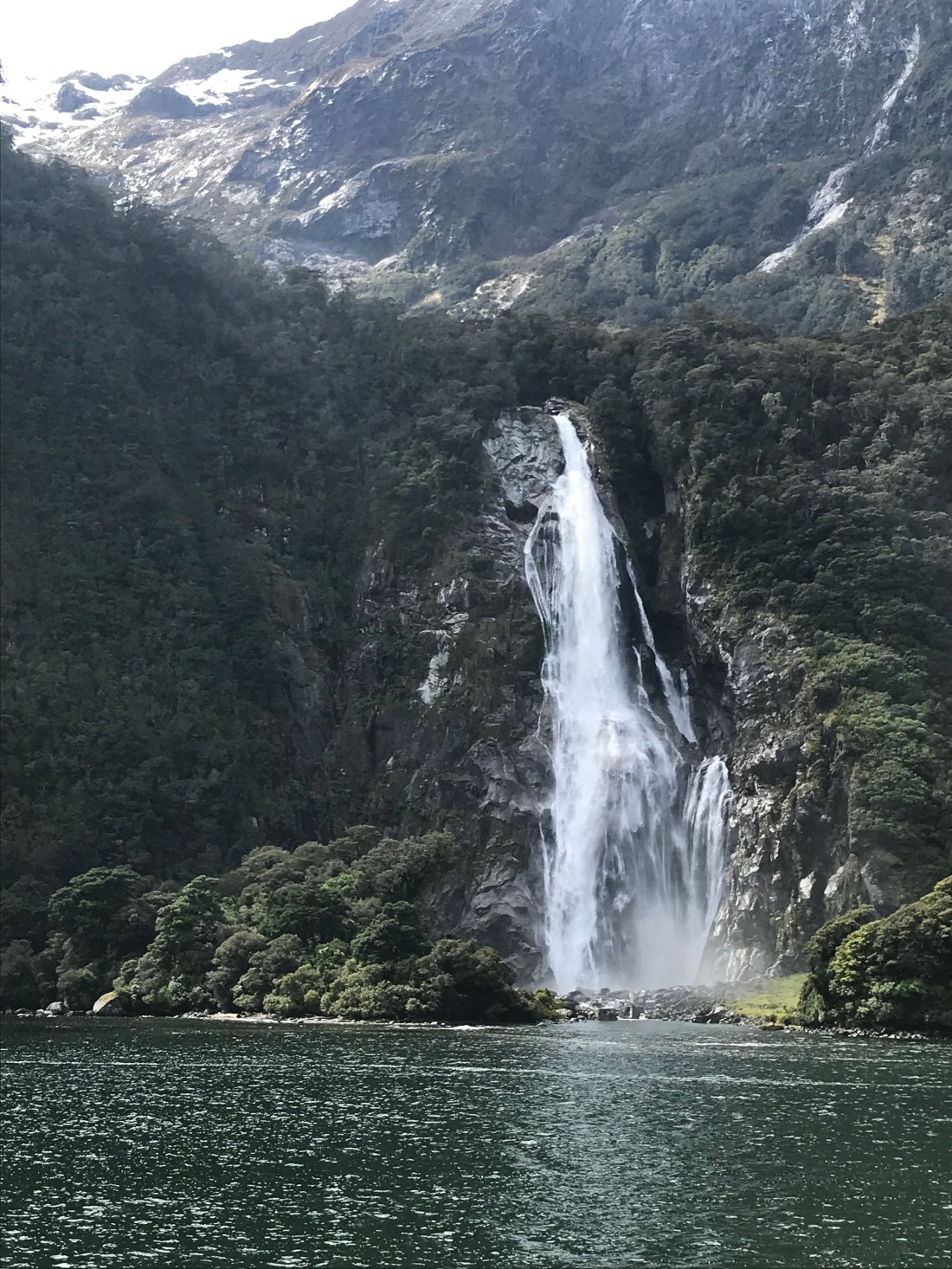
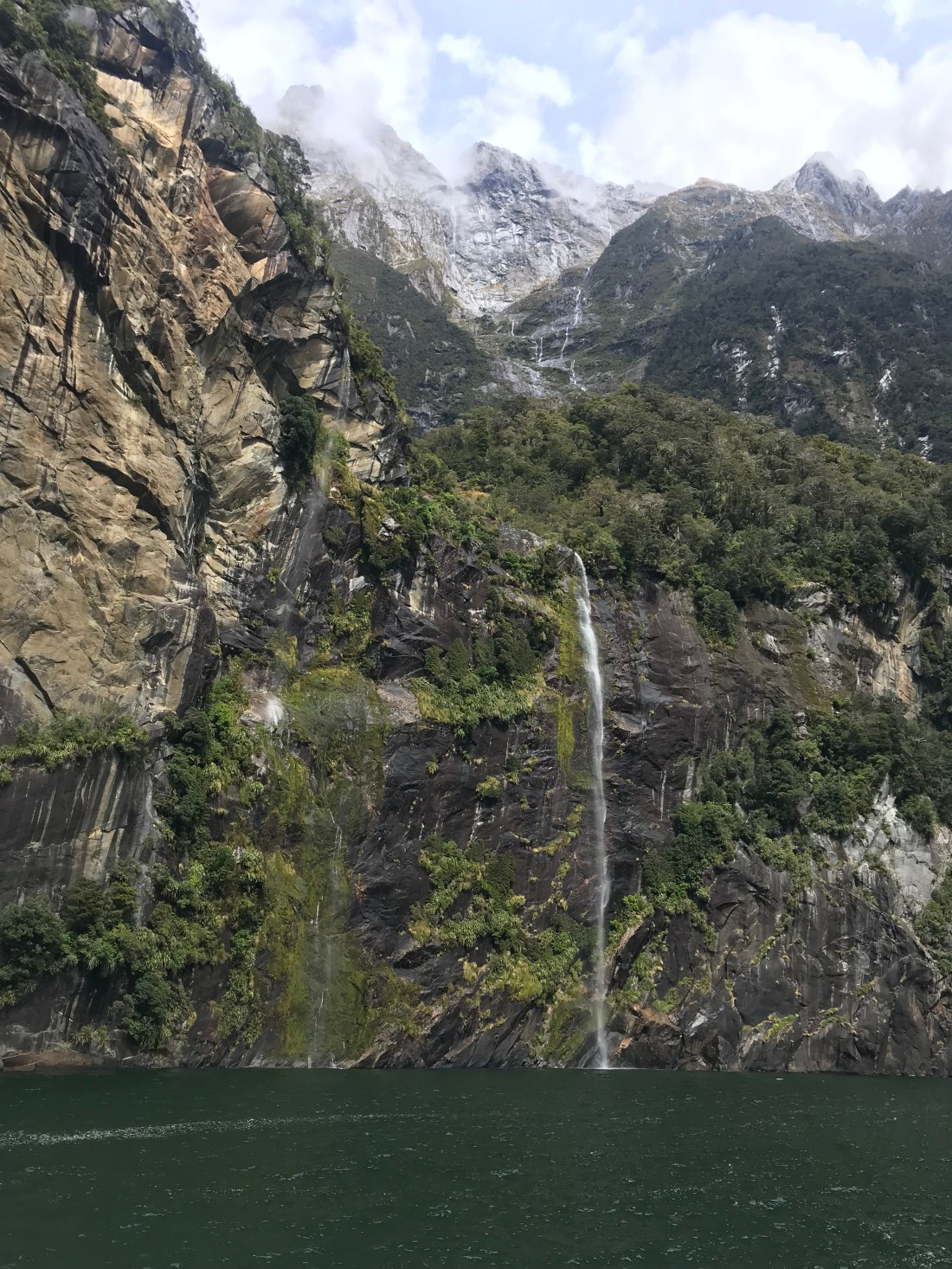
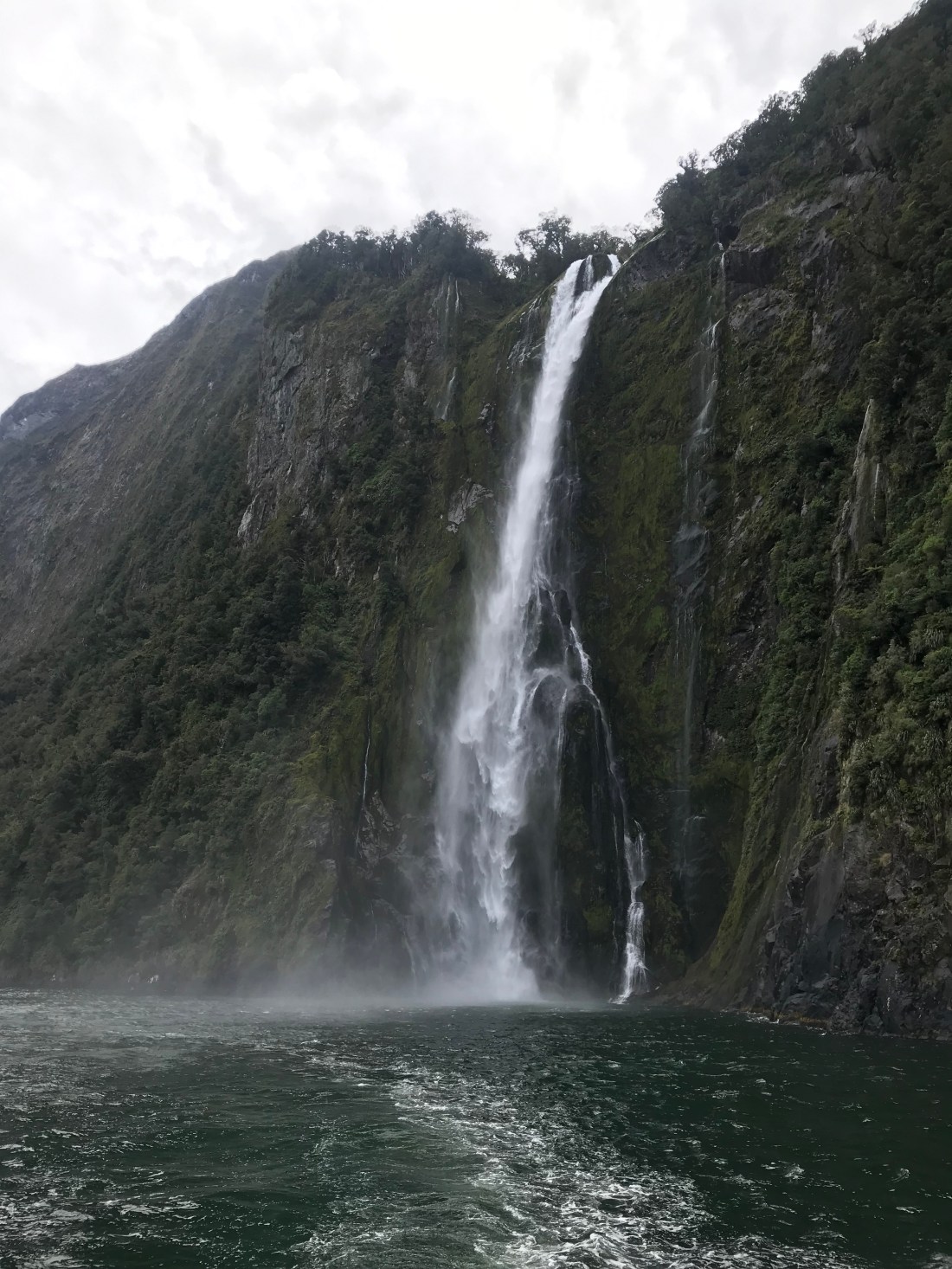
If they go 6 days without rain here it’s considered a drought! If it rains when you’re here, the trip is only more spectacular due to the many waterfalls that proliferate. While we were there, it didn’t rain, but there were still a few permanent waterfalls that fall from a huge height for us to marvel at. Stirling Falls was one of them. It falls three times the height of Niagara Falls! 😲

Here is Lady Bowen Falls:
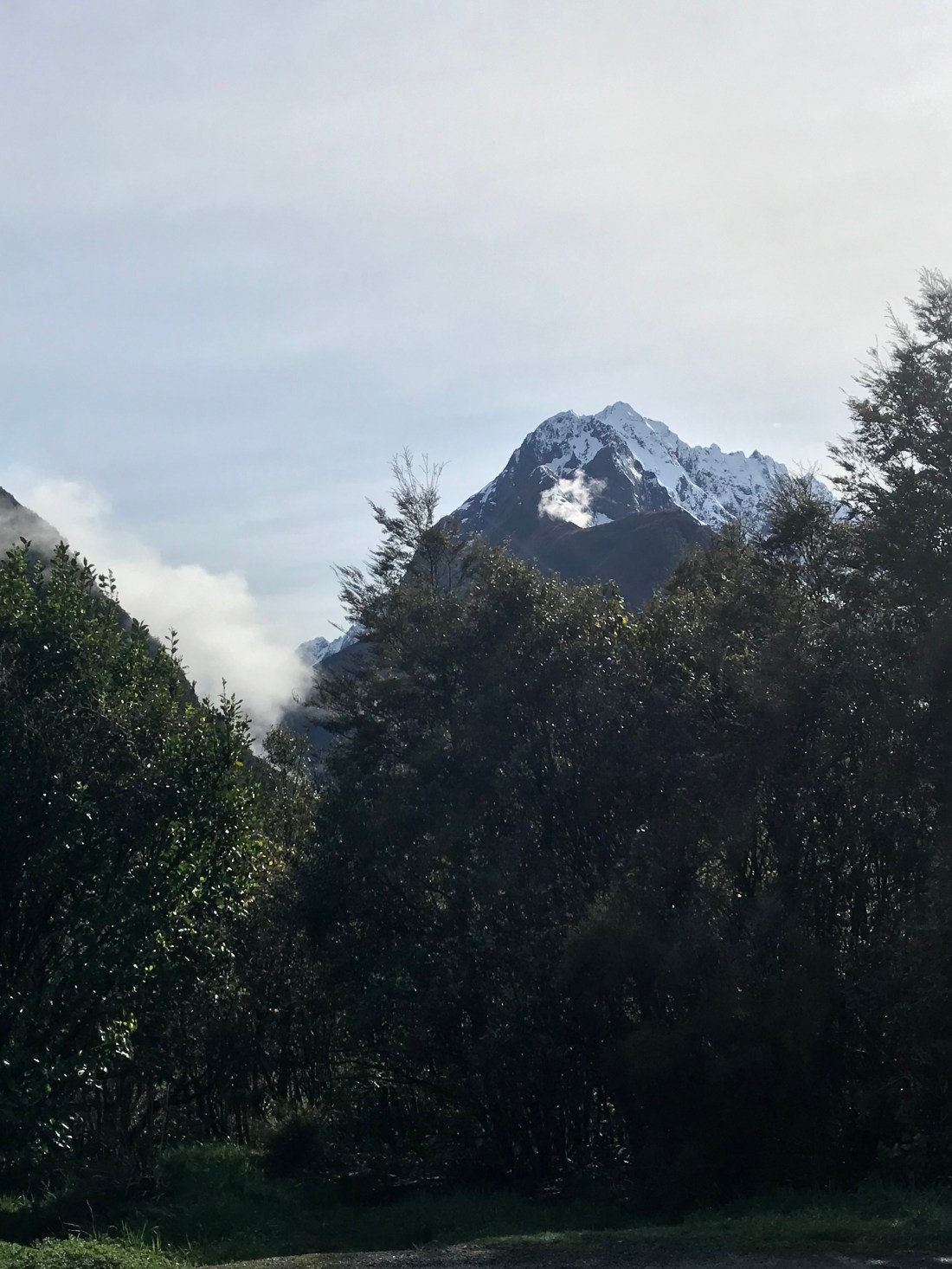
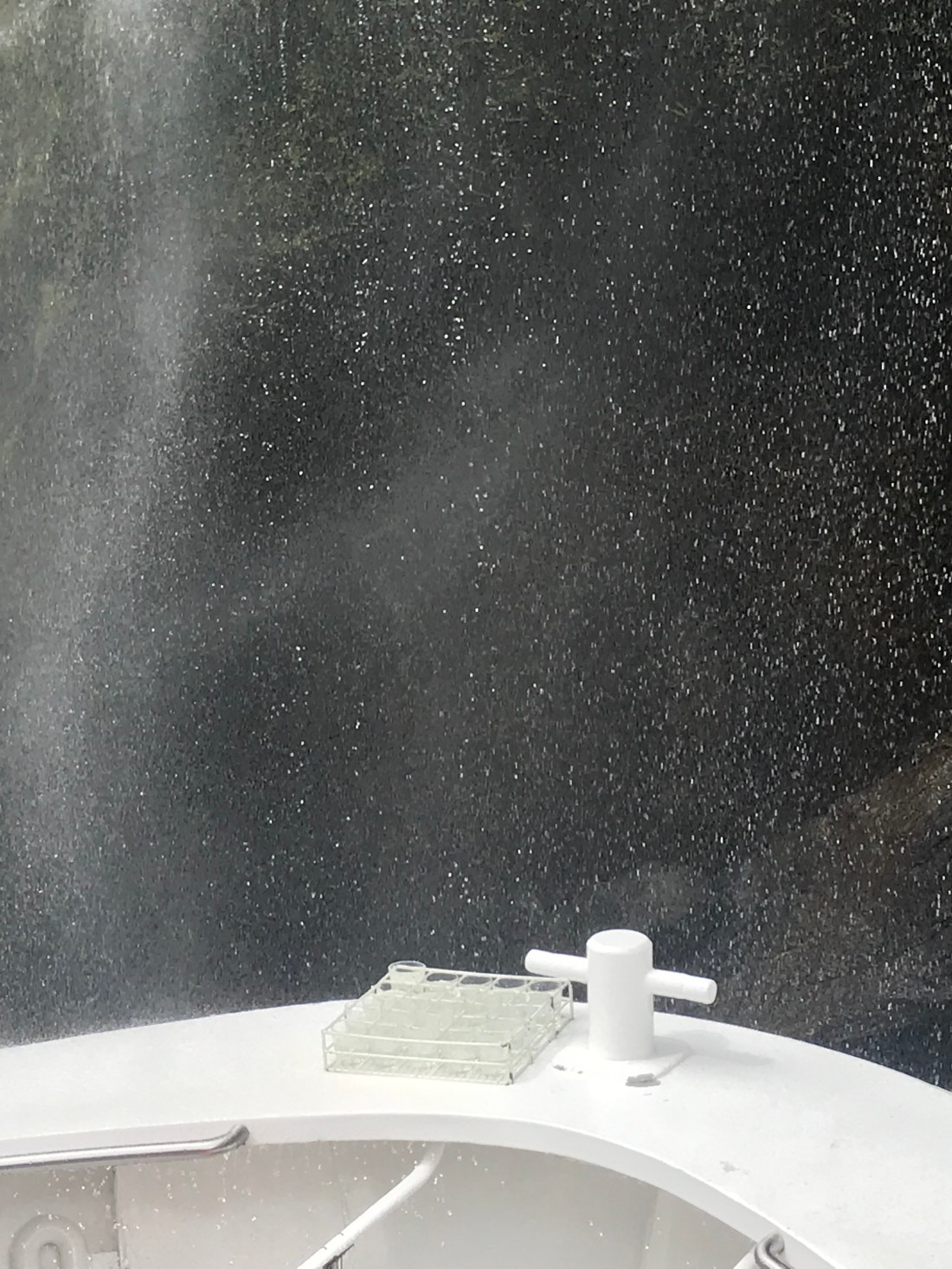
The cruise boat skippers take delight in seeing how close to these high waterfalls they can sail. On our boat, the crew set out a tray with a load of glasses on it and balanced it on the very front of the boat. The skipper managed to come so close to the waterfall that all the glasses filled with pure glacial water. We then had the chance to drink it of course!

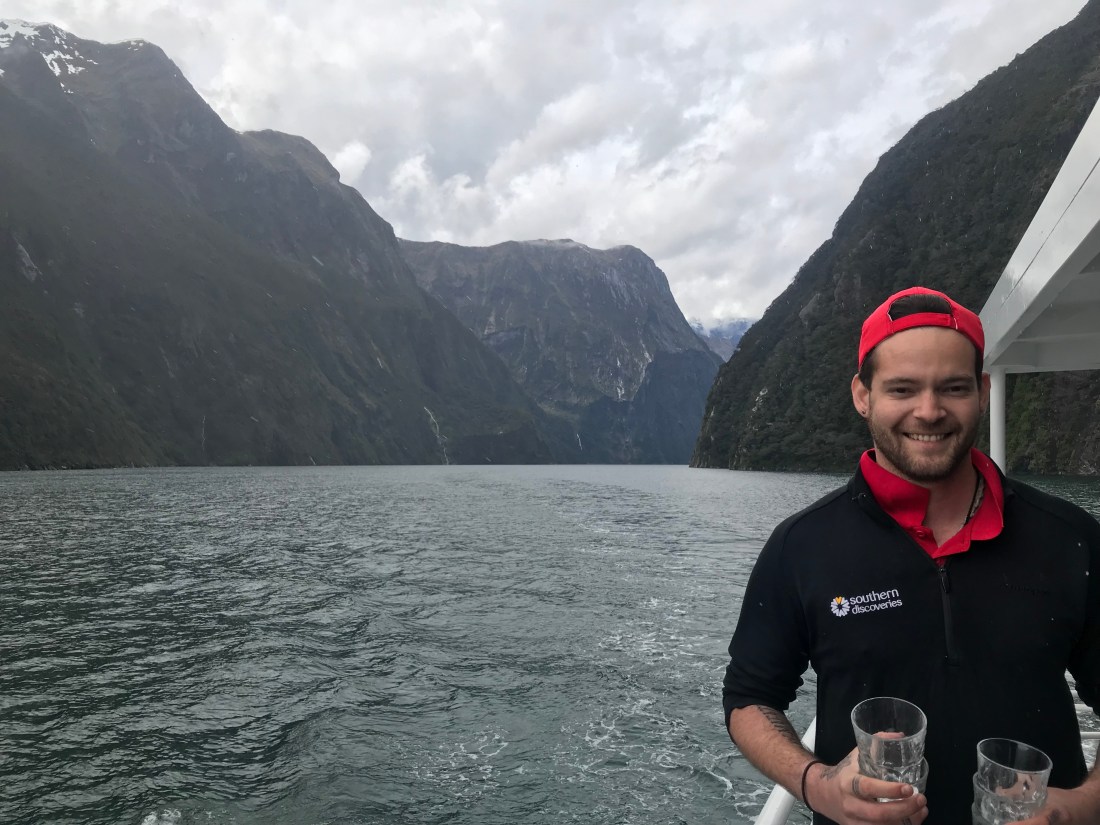
I got chatting with one of the crew of the boat, who’s half Fijian, half Kiwi. He has lived here and worked on the boats for about two years. I guess he must be in his mid 20s.

I asked him what it was like being so cut off from the rest of the world (it takes him half a day to get to the nearest town, even, and WiFi is so expensive it’s pretty much off limits to him). He said to be honest that all the goings on in the world seem pretty meaningless and trifling when you’re surrounded by the product of hundreds of thousands of years worth of glaciation every day. He pointed out the three visible “shelves” in the rock on either side of the Sound (you might be able to see them in the picture above), said each one had been created by an ice age, and divers have found two more beneath the surface as well.

He talked about the climate change issue. From his point of view, it’s sad, but the reality is that most of the species of animal now alive will be extinct before too long if you talk in terms of ice ages, anyway. He expressed a similar point of view to others I’ve met on my travels in NZ that we are mistaken if we think we are capable of really having much effect on the colossal forces of nature at work. But then his dad did work in the oil industry. He definitely has a point though, and it continues to give me much food for thought.

However, it is worth noting that within minutes of having made this statement, he was talking to us about the importance of not feeding kea, because when we give them food (even nuts and fruit) that they wouldn’t naturally be able to find, recent research has shown that it acts like cocaine on them, giving them such a sugar rush that they often become aggressive towards each other. In other words, the world may be going to hell in a hand cart, but there’s no need for us to give it a helping hand, I suppose.

Kea are highly intelligent birds, also having an eye to the main chance. Apparently a pack of keas have been known to hunt and kill a sheep before. The guy on the boat told us a story about a group of kea that had recently been seen dragging cones across a road to stop the cars so they could beg for food!

Kea have also been seen riding on the roof of coaches and cars through the Homer Tunnel to save them the bother of having to fly over the top! They stay hunkered down on the vehicles until they get down to Milford, then fly off. We actually saw a kea sitting on the back of a coach roof, pecking at the rubber seal to the windows, something they’re infamous for.

Some more images from the trip:

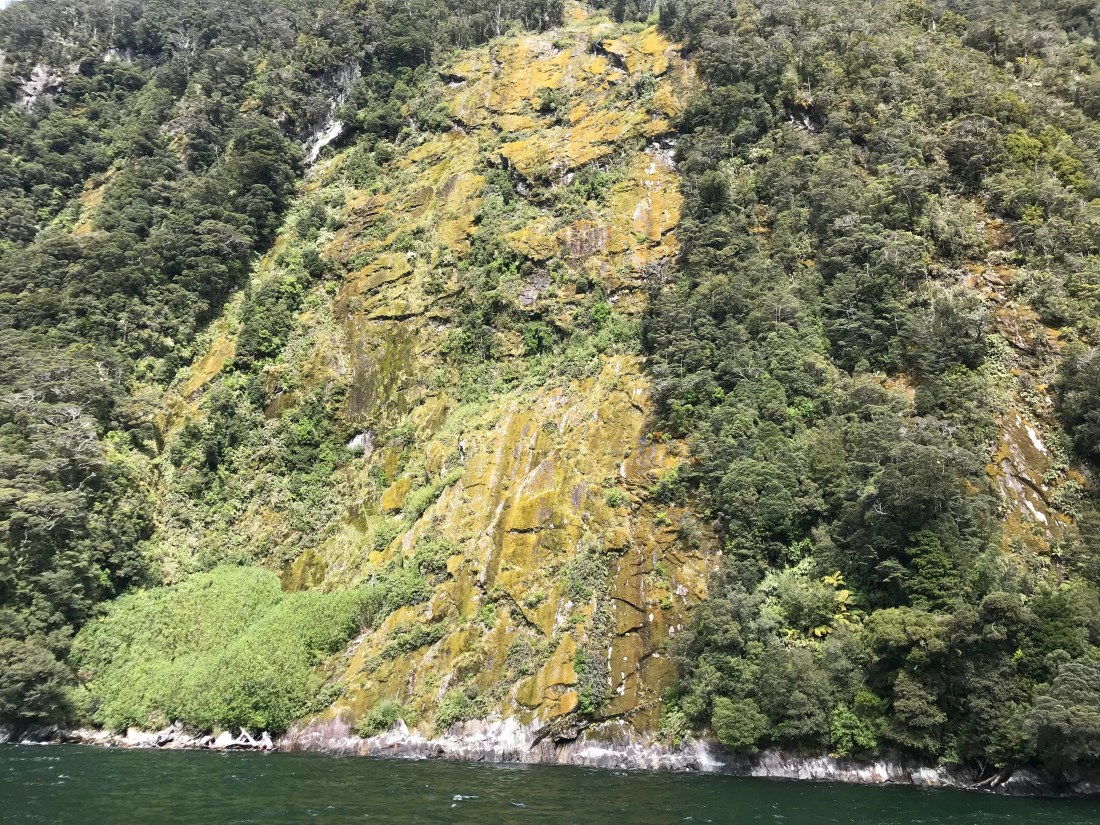
Here you can see where the vegetation has grown so well it has become too heavy and slipped into the water, taking some of the rock face with it:

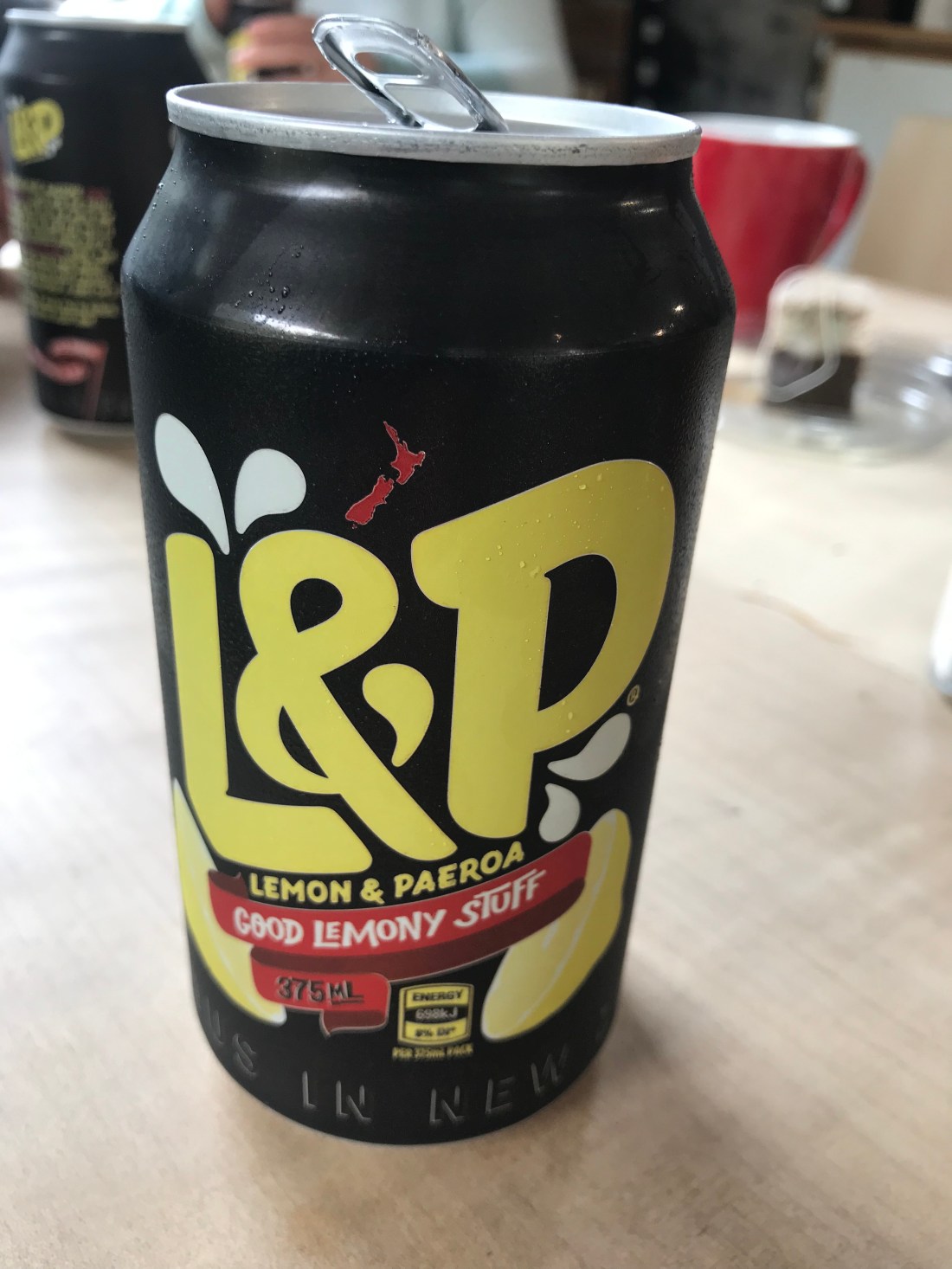
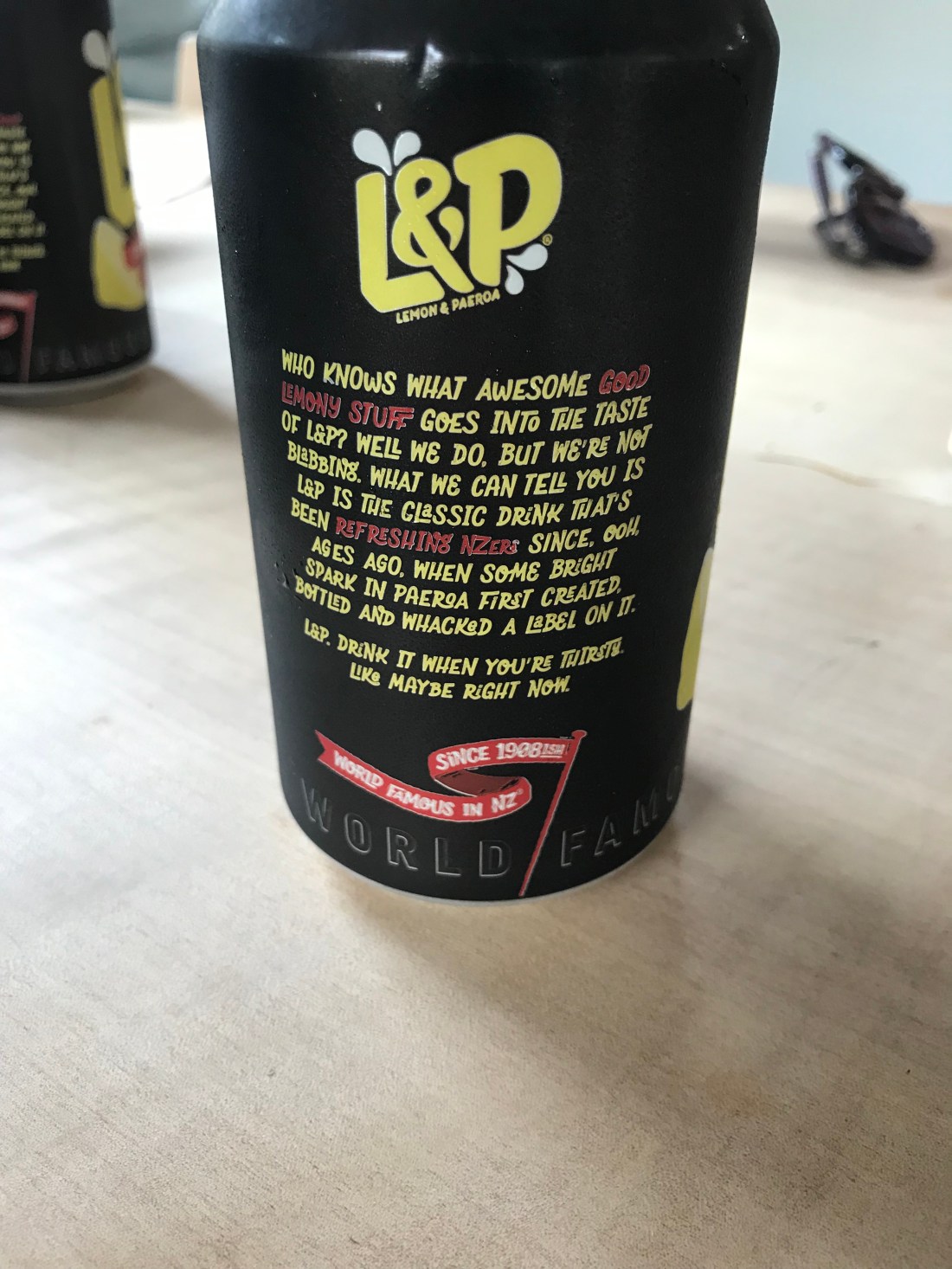
I had my first taste of Lemon & Paeroa on this trip too. Cheers! 😋

Knobs Flat

You have to drive South around three mountain ranges and through (yes, through) another mountain in order to reach Milford Sound (unless you’re prepared to carry all your stuff on your back and walk the Routeburn Track, which joins Glenorchy to the Milford Road).

As we continued on towards Knobs Flat, in the direction of Milford Sound, Ken said he thought the Milford Road is the most beautiful road in New Zealand. I was on the verge of protesting again, given the awesomely beautiful roads we’d already driven on. I thought we’d pretty much seen mountains every which way mountains could be. Then, suddenly, this view opened out in front of us:

The change of colour, scope, light, perspective; everything. Wow. I tried to take a panoramic pic but my phone couldn’t cope with the immensity of the panorama. Yes the same phone that took all those other panoramas. Somehow 360 degrees was about 180 degrees too much for it! Wow.

We arrived at Knobs Flat 👆🏼 and the young lady welcoming us offered us the office’s stash of board games. Hurray! It was a bit limited but I picked up Scrabble for our evening’s entertainment (enhanced by wine) and we settled in to the very comfortable cabins.

It has to be said, the quality of showers in New Zealand motels is variable but generally was much better than I’d expect in the UK. Ironically, here in the middle of nowhere, with no WiFi or phone signal, the running water and electricity worked just fine and in fact, the showers were some of the best we’d experienced! And they had a two hob gas burner with mini grill in each cabin too.

In the late afternoon, we followed the ranger’s suggestion of going for a short walk to a hidden waterfall. I suspect her estimation of it being a fifteen minute walk was probably borne out of spending most of her time the last few years mainly in this rather remote spot, where minutes or hours probably don’t really signify much beyond helping to provide an indication of when the sun might rise or set. There’s a lot to be said for joining a slower pace of living in our often far too hurried world, I think. About which more later…

We had a little adventure on the walk when we came to the stream the lady had mentioned and were faced with a choice of two possible tree trunks laying across it over which to cross the raging torrent. Both looked like they’d be tricky to not lose your footing on, and also tricky to disembark from at the other side. Intrepid explorers that we are, refusing to be defeated, we set off in our various conditions of health and mobility, with various different ways of negotiating this hurdle, and all made it to the other side triumphantly (though maybe a bit wary about the return journey).

When we reached the waterfall after a lot of clambering over rocks and tree roots in the forest, it was indeed spectacularly high. I also saw what she meant when she said I could try wild swimming in the pool if I wanted but it was pretty small, though deep and the waterfall would probably flay me alive. Also, I’m not sure I’d have been able to get down there or back up again.

Stu enjoyed taking some decent shots with his proper camera here. After marvelling for a while at the waterfall, we made our way back. Having got most of the way back with no trouble, Ken stepped remarkably confidently over a slippery log and promptly slipped on something small the other side, falling to the ground! Ouch! That’s normally my trick. Fortunately he seemed relatively unscathed so we continued on. And we all made it back over the stream again one way or another.

So the wine we cracked open over dinner was of course purely medicinal! Here’s Stu polishing off our delicious über macaroni cheese:

After dinner I introduced the assembled company to my usual old skool party tricks. (“I pass the scissors crossed”, which Stu guessed almost straight away, the clever bean (maybe it was something in that macaroni cheese?!?!??) and “Magic finger”, which as usual no one managed to guess – yes, I’m still doing that one… anyone who’s been around on such occasions, sorry, not sorry! Anyone who’s not experienced these brain teasers, bring me a bottle of wine some time and I’ll introduce you to them.) Then, we played Scrabble, which Tash won with great panache, while the guys talked photography together.

We stayed at Knobs Flat for two nights, which gave me time to really savour the quiet, and to enjoy the prolific birdsong particularly at dawn and dusk. Below is a video recording some particularly beautiful birdsong. I’ve no idea what the bird was, but the way its song echoed around the quiet valley was quite something. The Milford Road which runs right past here is pretty busy with coaches and cars going to Milford Sound especially during the day, but it is a very beautiful place.

Southward

We drove to the south of Lake Wakatipu and then continued on via Kingston and Mossburn to Te Anau, where we had a break before continuing back North up to Knobs Flat.

Most of the countryside consisted of open valleys of farmland surrounded by steep hills, some rugged, some gently green and brown, the odd tree, lots of sheep, a few highland cows and “humbug cows” as I call them and the odd field of more normal dairy herds.

An ethical interlude…

There was a noticeable increase in the number of deer farms in this region too. It was very weird seeing these normally shy and hidden animals in a herd in a field surrounded by a fence. Deer farming has taken off here in the last few years as a way of dealing with the over population of deer, caused by the fact that they are not native to New Zealand, but were introduced by colonisers from the British empire, so they could enjoy shooting them for sport. Because deer aren’t native, they have no natural predators, so the deer population has exploded in size and has been decimating lots of native plants and animals. Great Britain is really not so great. The more I learn on my travels about our dealings with the world, the more appalled I am, frankly.

In response to this problem with the deer, some bright spark developed a method of capturing them by shooting nets from helicopters (they had to use helicopters because the terrain is so mountainous there would be no other way of catching them), and then putting the deer into paddocks surrounded by deer proof fences.

A fashion for venison meat has also taken off in New Zealand, perhaps fuelled partly by the thought that this is one way of getting rid of a pest.

I have so many ethical problems with all of this, and as always with ethical issues, any response or action ends up being a trade off.

Ever since we adopted a rescue cat about a year ago, I’ve found myself becoming much more sensitised towards the experiences of animals. Our cat, Xena (Warrior Princess) (who’s scared of the cat flap), has such a particular personality, particular likes and dislikes, and she’s so responsive to affection and kindness (when she wants to be, obviously – she is a cat after all!). I find that now I can’t look at animals and not consider how they might be experiencing life.

From that standpoint the deer hunting is awful. But of course from the other standpoint, the deer’s decimation of native habitats and creatures is also awful. So I find myself wondering why those colonisers were so thoughtless as to introduce non native species in the first place. And, as is often the case in these sorts of circumstances, I find myself thinking that in order to get to where I think we should be going in terms of looking after our planet, I really wouldn’t start from here. But we have to start from where we are of course. Humph.

Generally speaking I have been trying to eat less meat and consume less animal products, in a bid to do my bit to discourage the over production of it all, which is decimating whole swathes of countryside all over the world and also causing very poor distribution of food among human populations as so much of it goes to feed the animals we insist on proliferating to feed our insatiable appetites. But I must confess I did have a venison burger in Dunedin. And I have eaten more meat on my journey so far than I ever would have done at home. It is quite tricky to avoid in a country whose main industries include meat and dairy farming.

I’m no expert in these things, and I’m aware there are massive economic issues for farmers, too. But is forceably separating mother cows from their baby calves in order to keep being able to syphon off their milk really an acceptable practice? My uncle says the cows make an agonising noise when this happens. I’m not surprised! Then there are these “Peach teats; calves love em” here which are like enormous false udders where a whole herd of calves feed, tails wagging 19 to the dozen. It’s very cute to watch, but what are they drinking? I don’t actually know. If they were drinking natural cows’ milk then why is it more economic for them to drink it in this unnatural way than to get it from their mothers? I have no idea.

Professor David Clough (Professor of Theological Ethics at the University of Chester), whose work on theology and animals is second to none, has worked with others to create this website, seeking to at least challenge churches to take these ethical issues seriously and begin to change their behaviour accordingly: https://www.becreaturekind.org/.

One of his very practical suggestions is that instead of having the default food options set up to favour meat eating, that we #defaultveg. In other words, that the default norm is to offer food that is veggie, and if people want to eat meat they have to explicitly opt for that. Because everyone can eat veggie food. I love this idea for its simplicity and practicality as well as for its potential to facilitate huge cultural change. We do a lot of cooking for others back at home, and we tend to #defaultveg, partly because it’s our preference anyway ethically and in terms of health and it’s cheaper and we love veggie food, but it’s also because it’s simpler because if it’s gluten free and veggie (vegan if possible) then pretty much everyone can eat it so you only have to make one big pot of something to share.

Here are the Prof’s general top tips for dealing with this issue, summarised wholly inadequately and overly simplistically by me (for more detail visit the website or contact him):

We have a choice about what we eat. Other animals don’t. So it’s for us to take responsibility for our choices. To vastly improve the situation we could:

A) eat less meat (consider reducing the number of days/week or meals/day we eat meat or if we don’t eat it often, consider becoming vegetarian or vegan) and consume less dairy products

B) consume fewer animal products (in cosmetics, leather goods etc)

C) when we do eat meat, dairy or buy other animal products or things with other animal products in them, try to find a source for those things that is concerned for the welfare of the animals

Here endeth the ethical interlude…for now, at least.