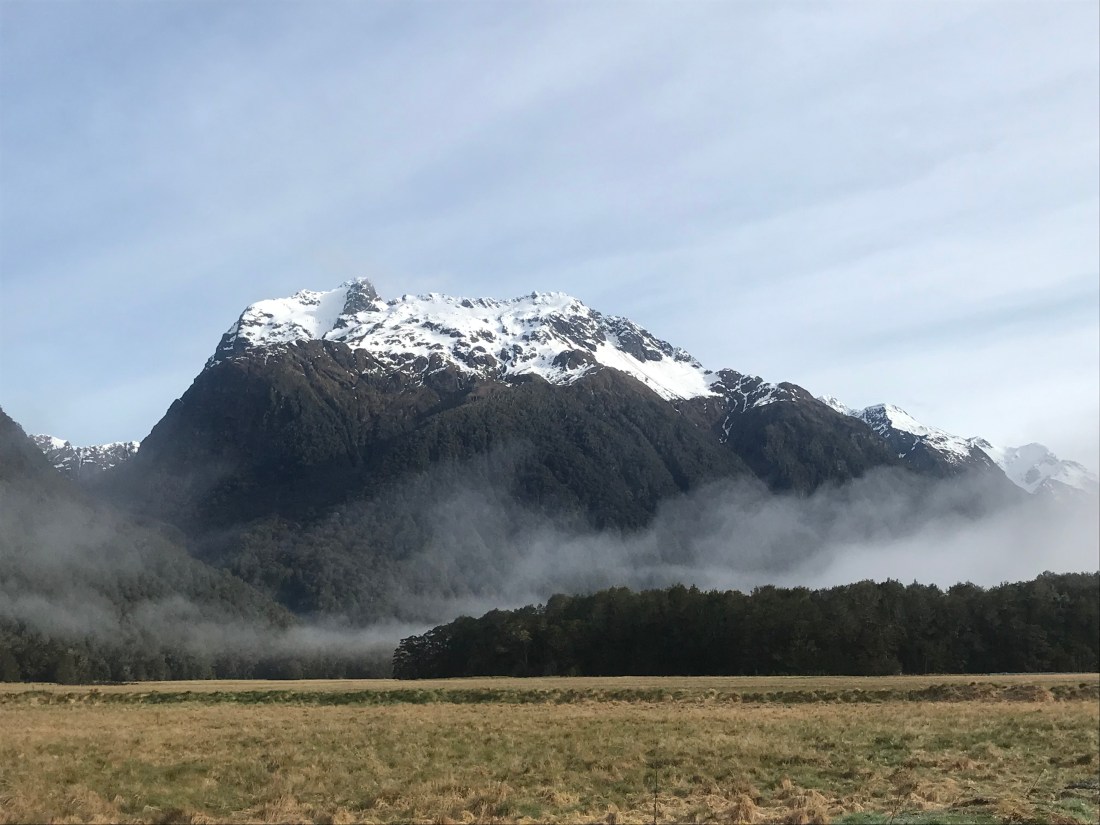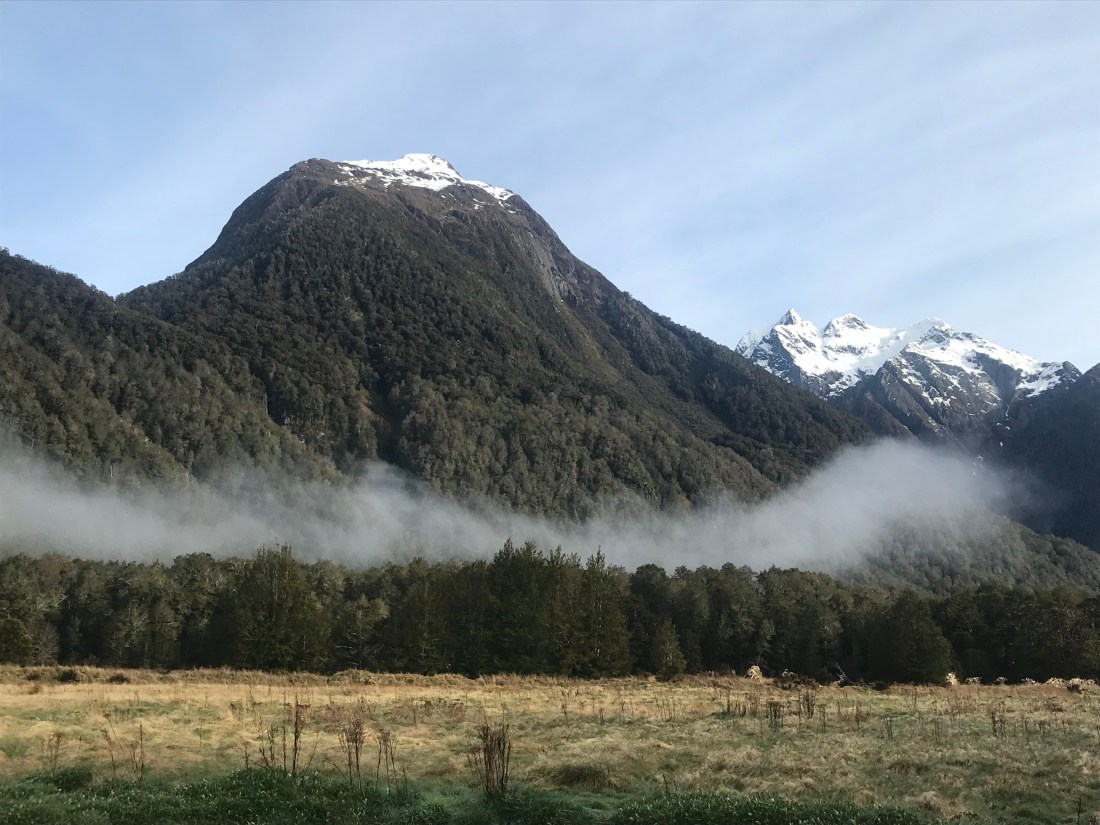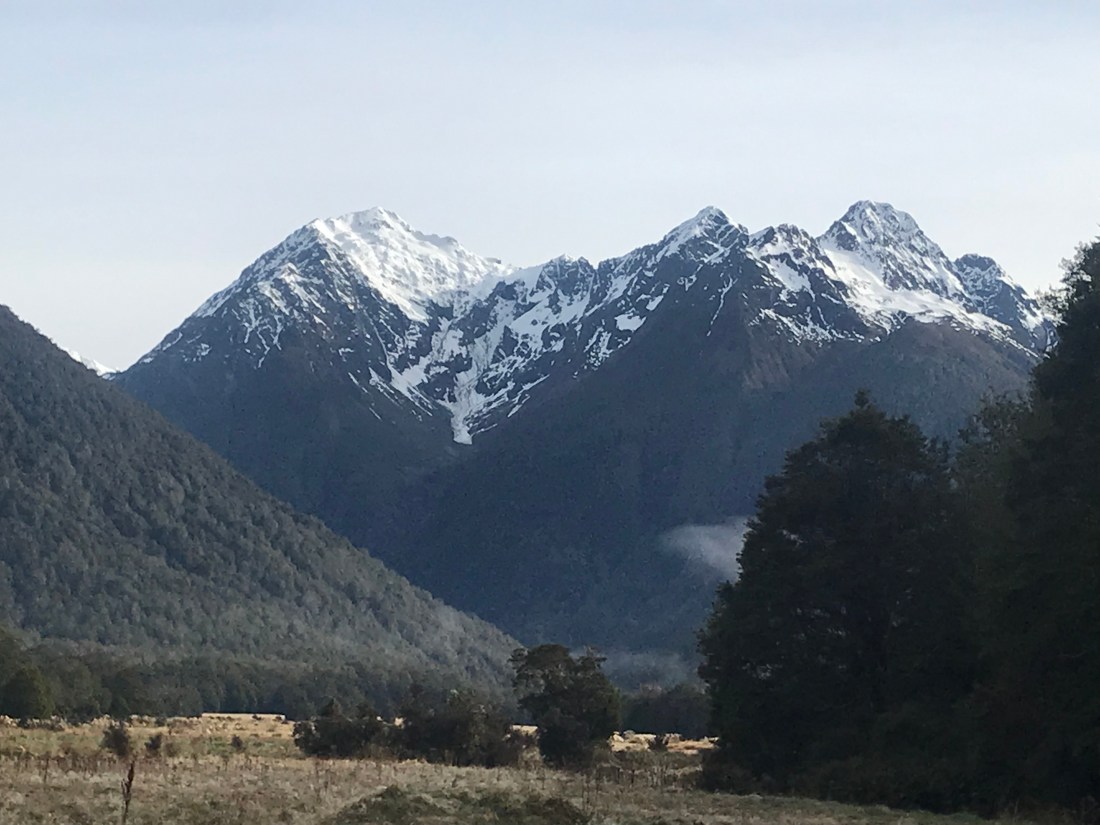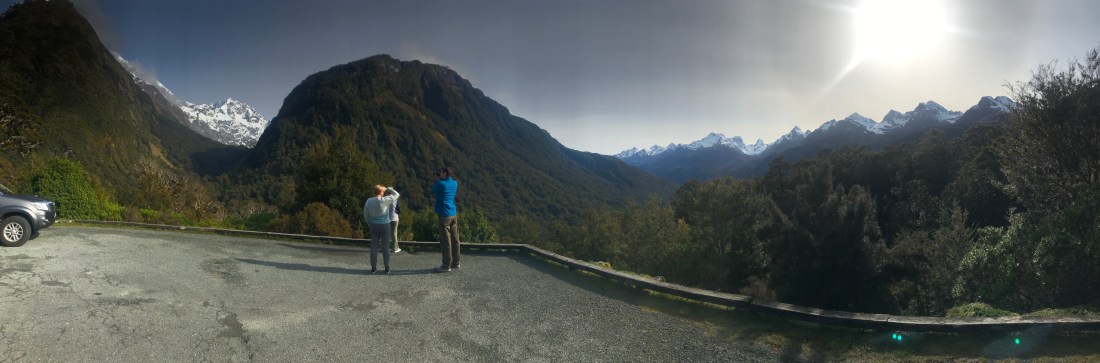
Invergiggle (Invercargill)

Having visited the Invercargill i-site for tips on our route ahead, we went for our usual morning sanity-giving coffee stop, during which I learnt the official definition of a long black, an americano, a latte and a flat white, and how come you can get large flat whites here (in the UK a flat white is a flat white and is relatively small, but here it can vary in size, while an americano here is a long black with extra hot water already added to a fixed size, whereas in the UK you can order different sizes of americano). Suitably refuelled, we took ourselves down the road to…the hardware store. Of course! Every tourist should drop into a hardware store… well this one is a bit different…
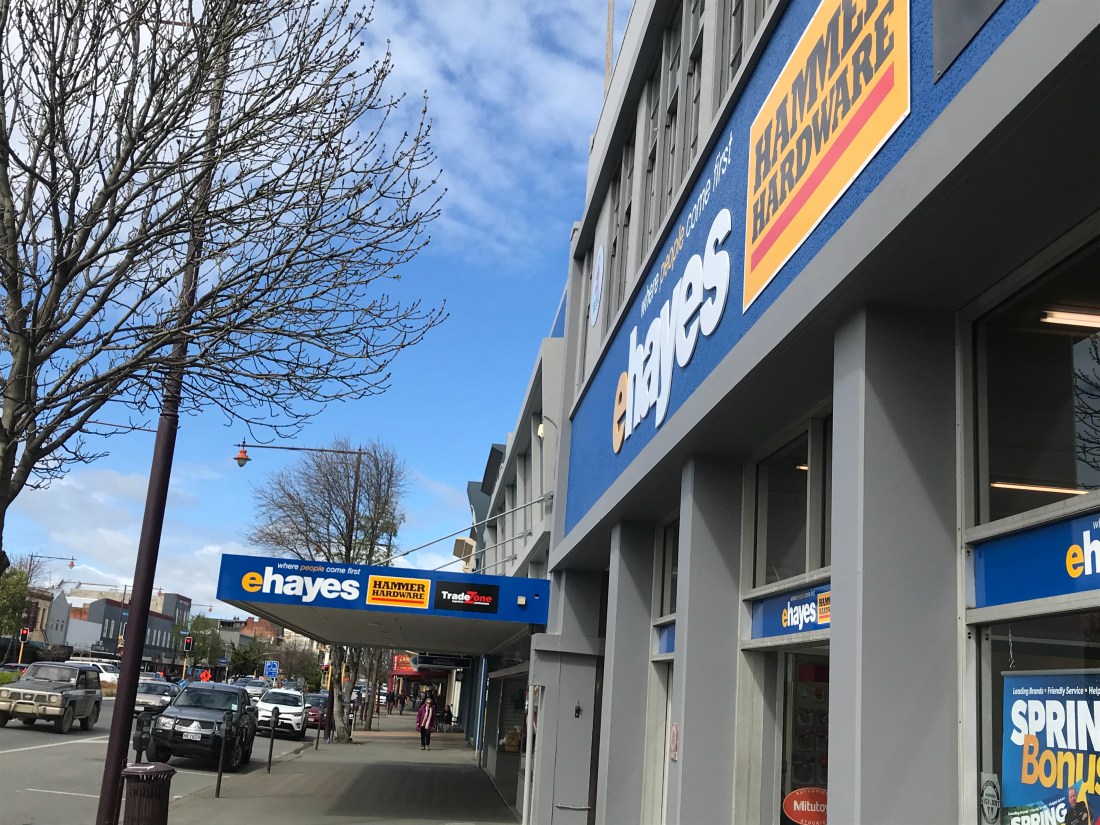
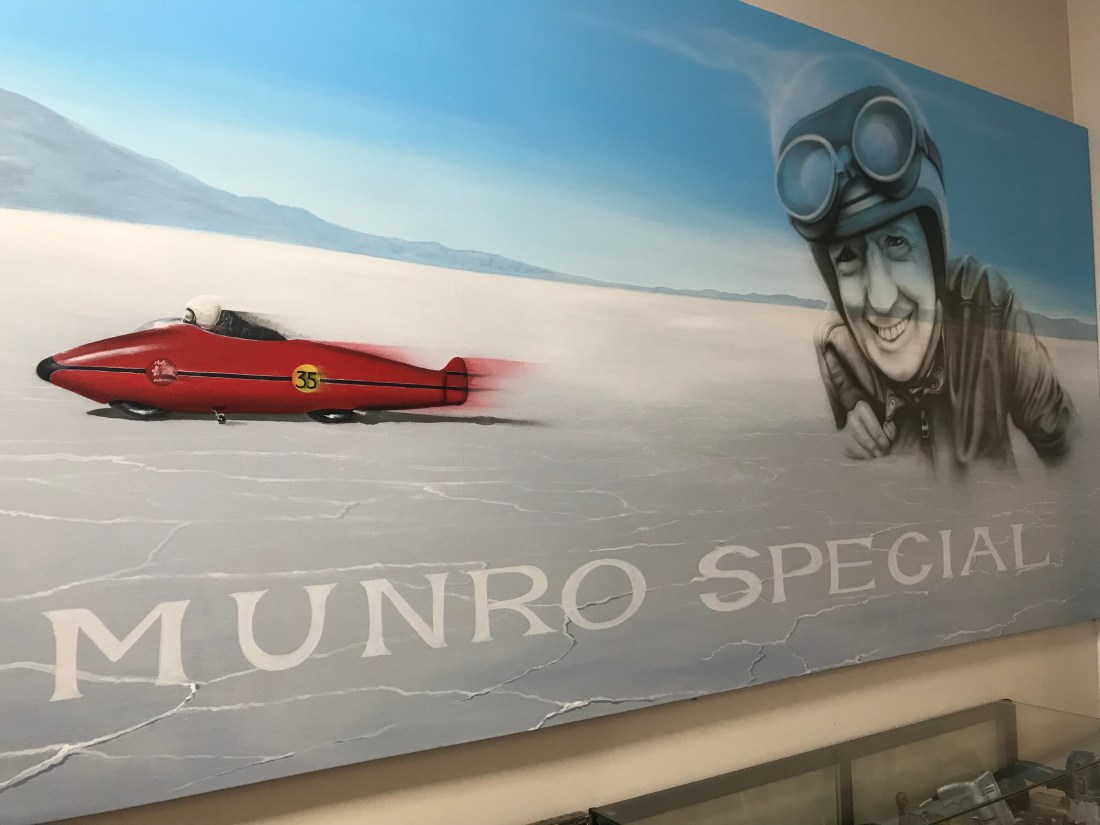
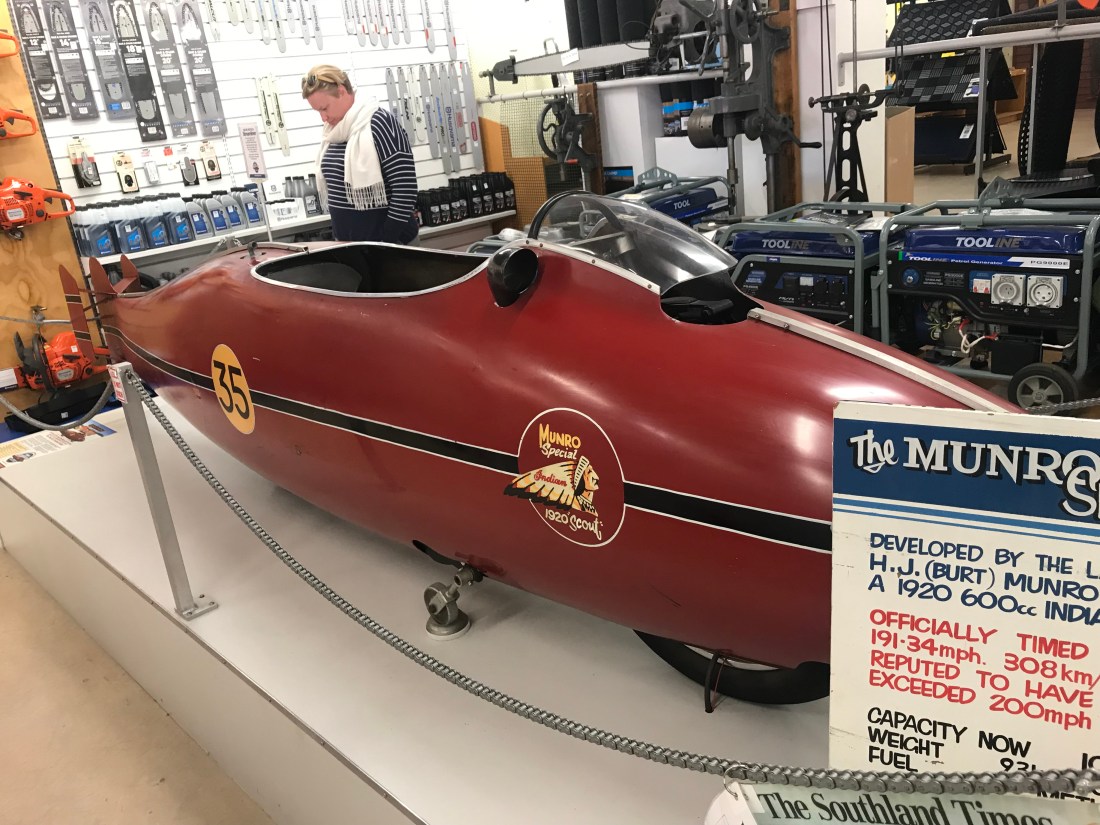
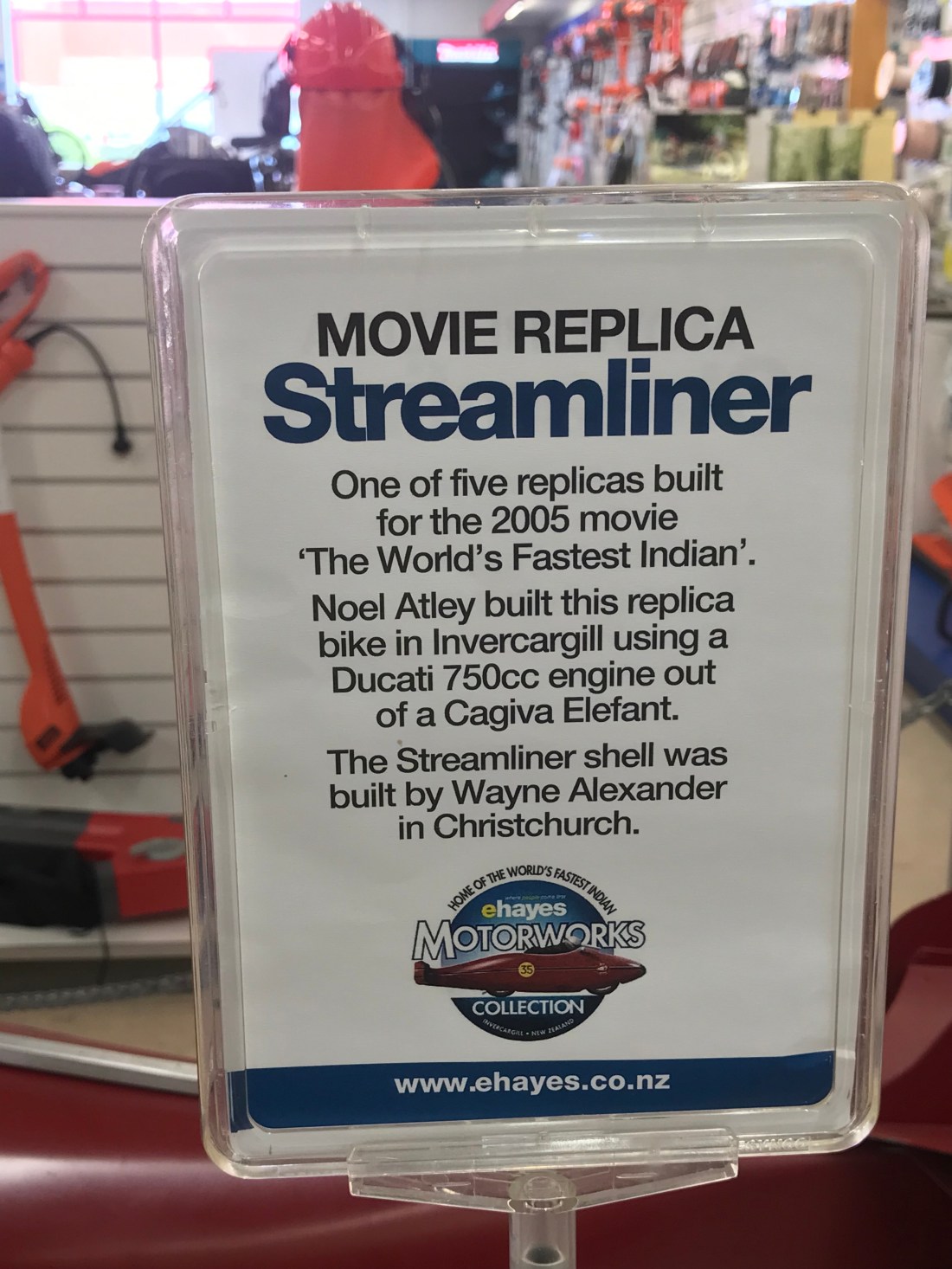
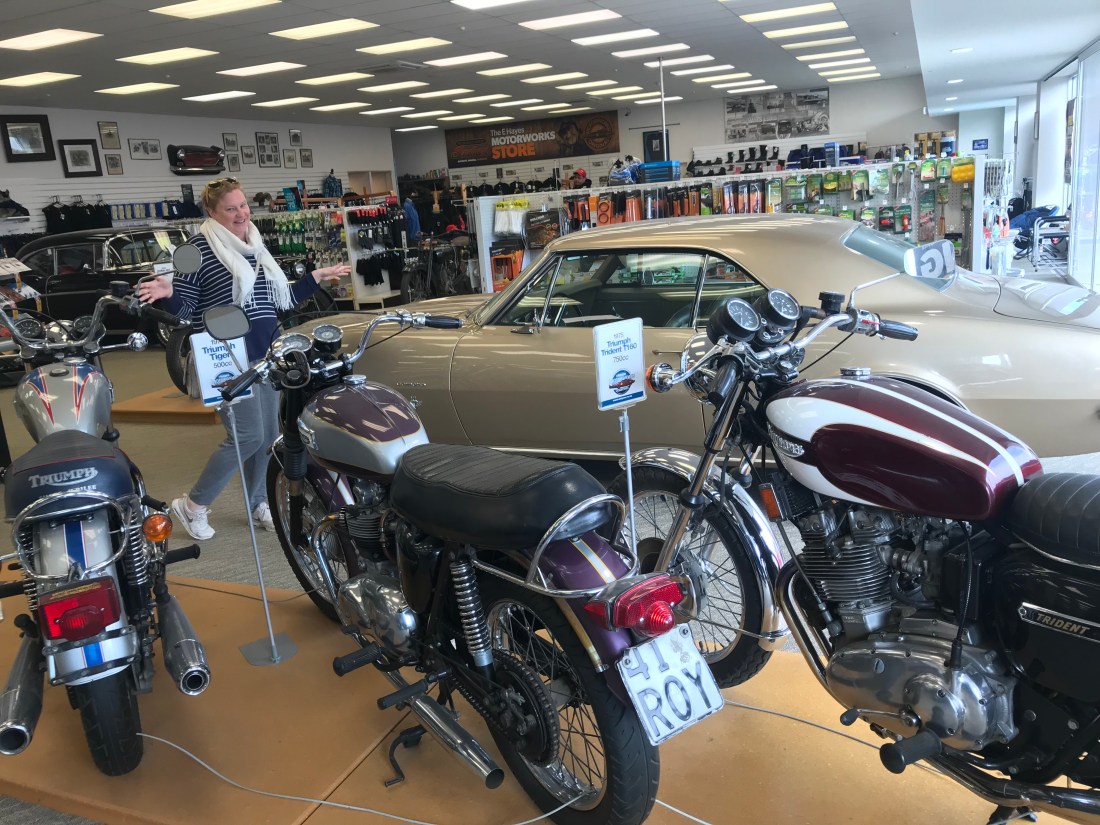
Welcome to ehayes hardware store. A museum interspersed with hardware. Well, more of a hardware shop interspersed with museum pieces. It was bizarre having such antiquated things interspersed with such new things, and having such extraordinary things interspersed with such mundane things. Like lawn mowers next to historic motorbikes. Or highly polished classic cars next to hiking socks. Or doormats next to the picture of Burt Munro with his bike. Weird!
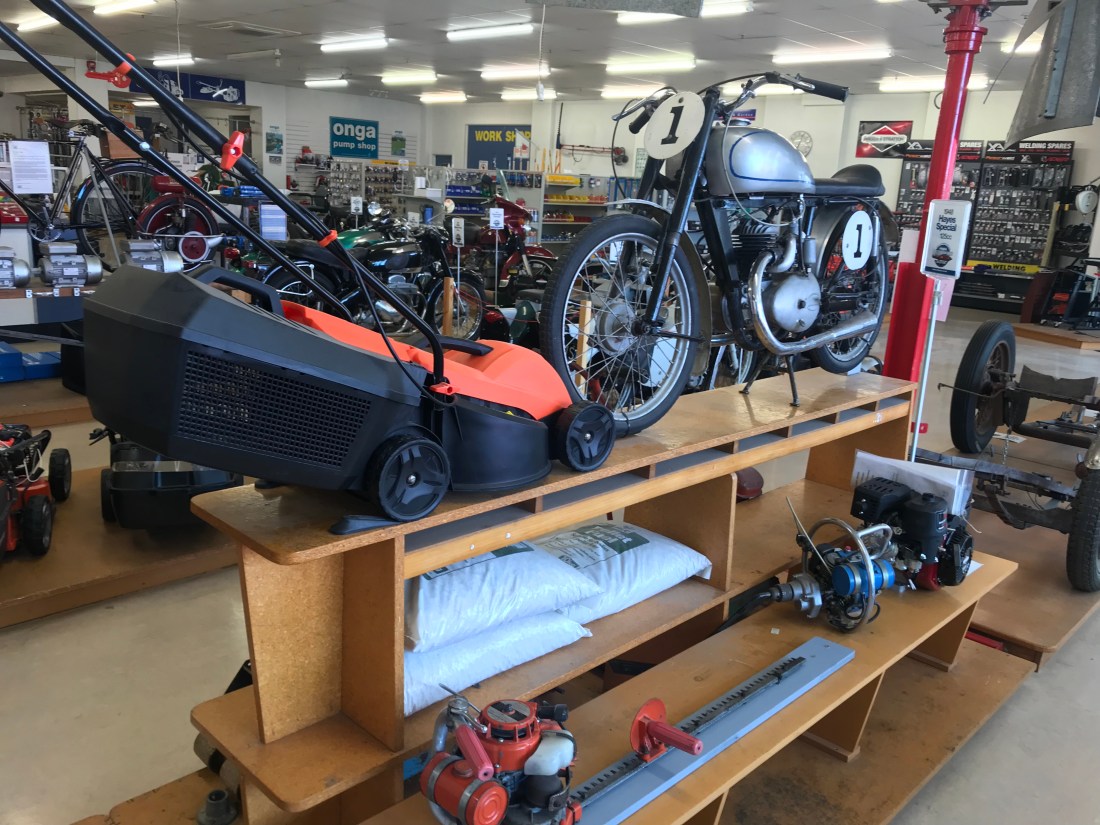
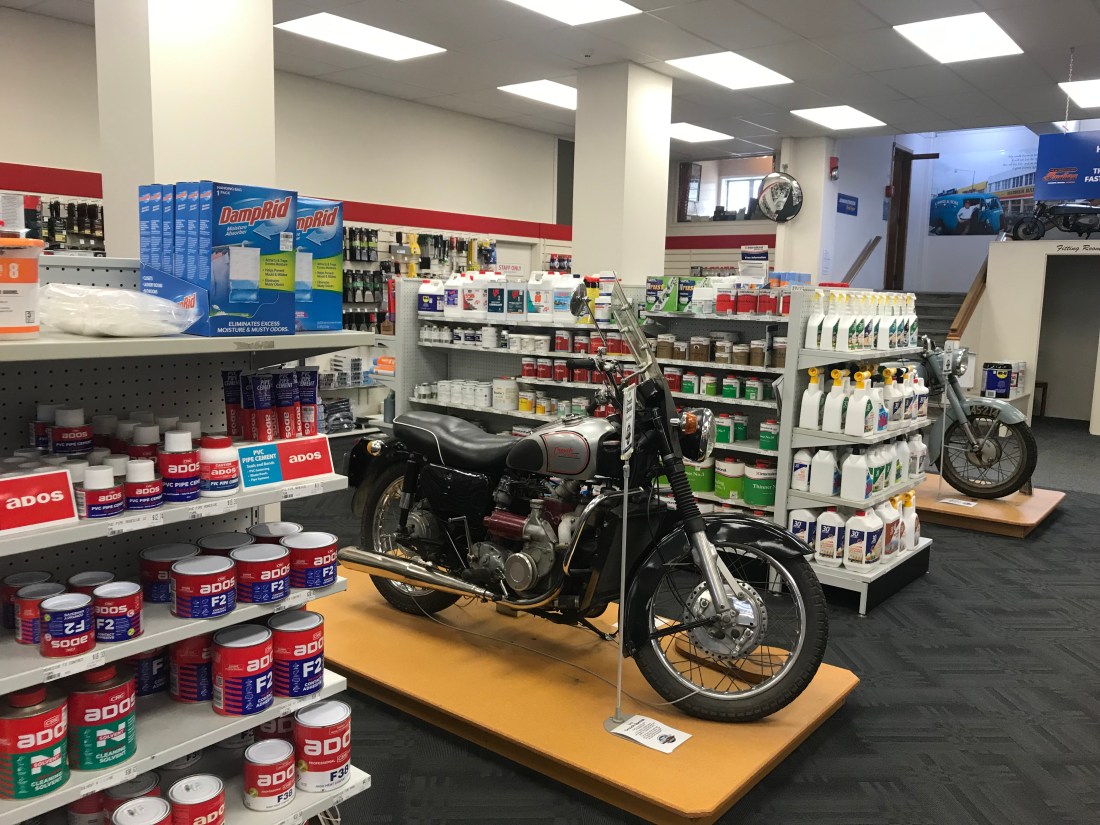
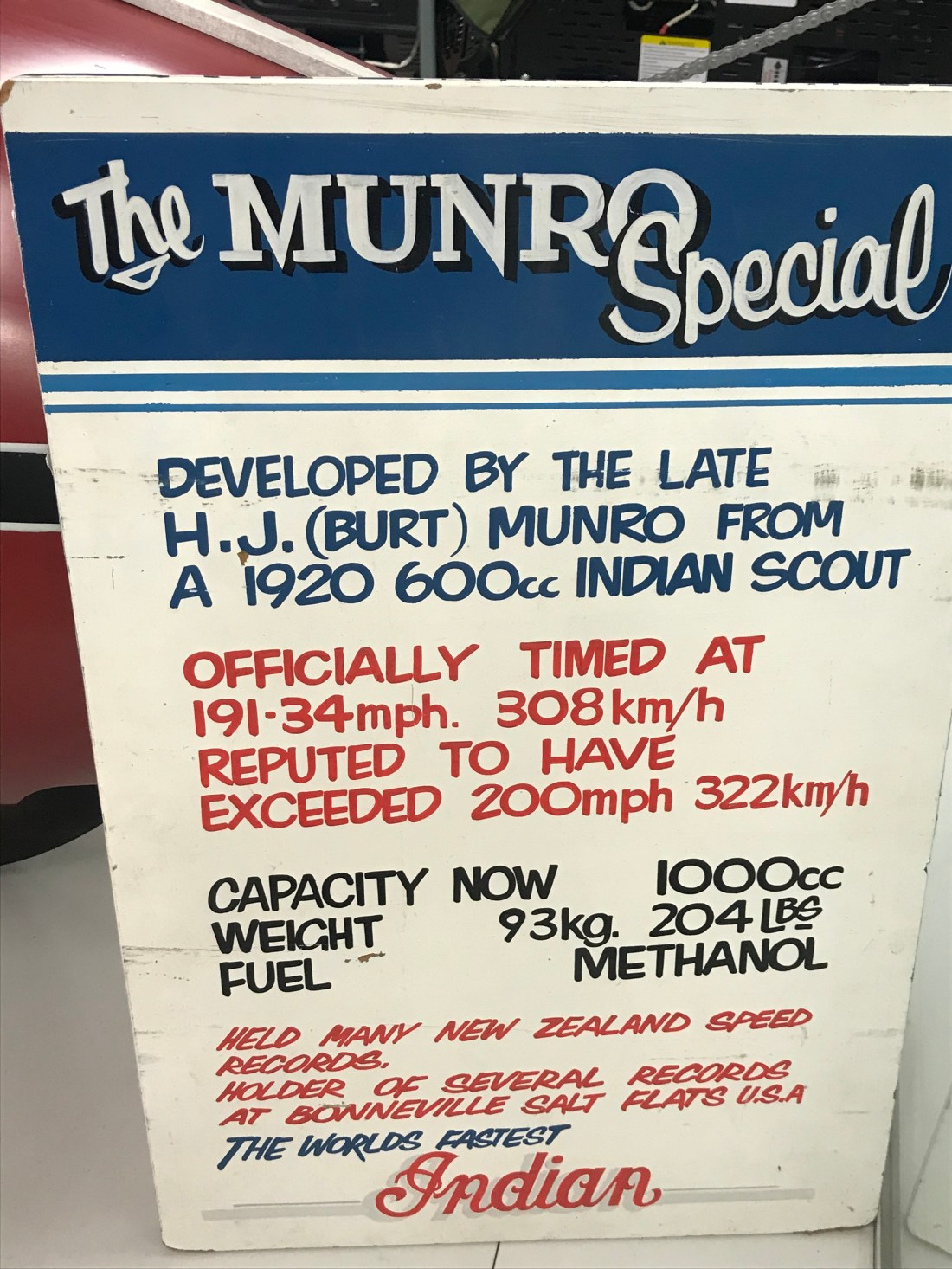
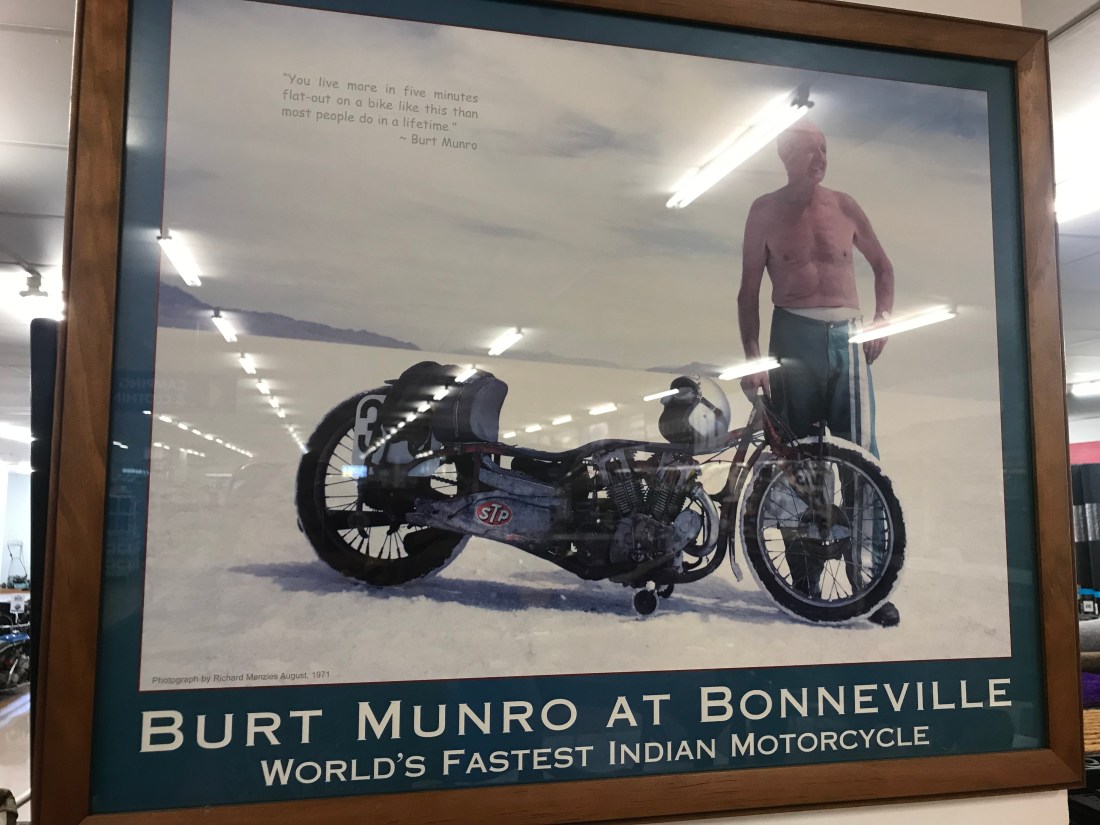
For anyone who doesn’t know (I didn’t), Burt Munro is surely the most famous person to come from Invercargill. He became famous when he managed to adapt his 1920 Indian motorbike to win the landspeed title several times at Bonneville, Salt Flats, USA in the 1950s. (The World’s Fastest Indian is a 2005 film telling the Burt Munro story.) For those who understand such things, he managed to crank it up from 600cc to 1000cc.
The hardware store has a wall full of “Offerings to the God of speed”, displaying the many engine parts Munro created, tried and tested in the process of trying to make the thing faster. Then it has a stash of his tools and workshop stuff too.
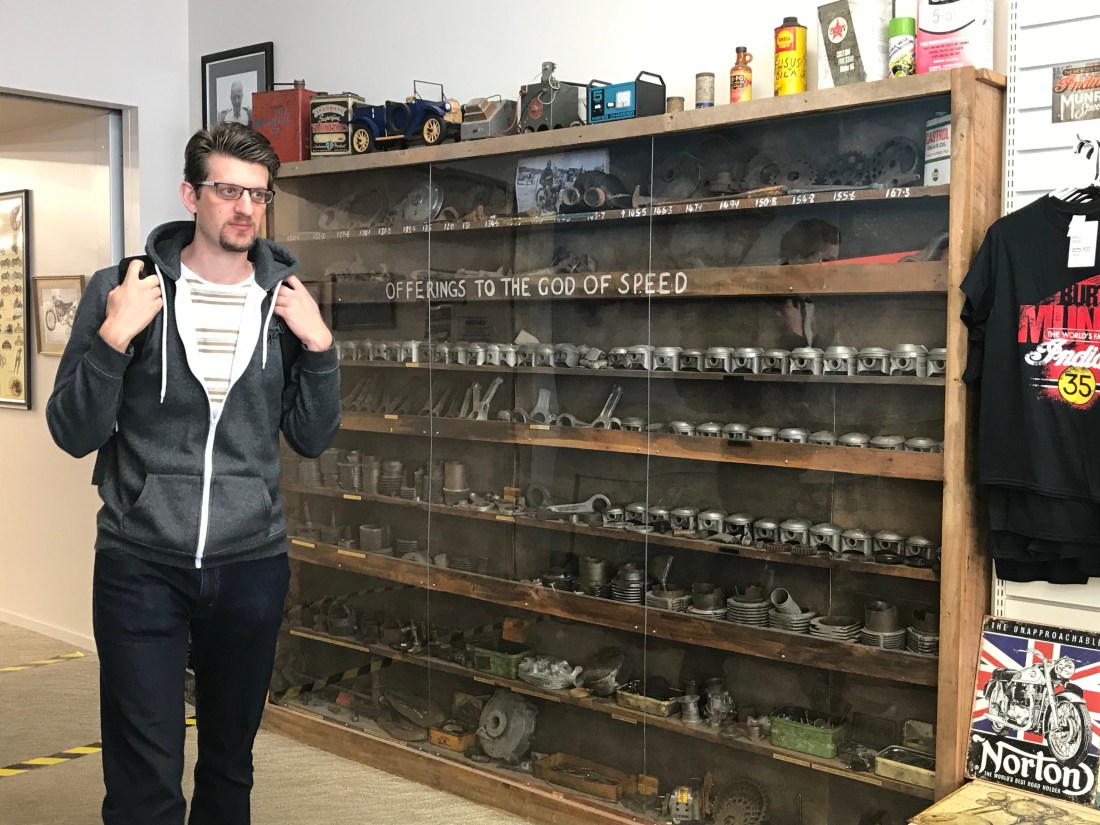
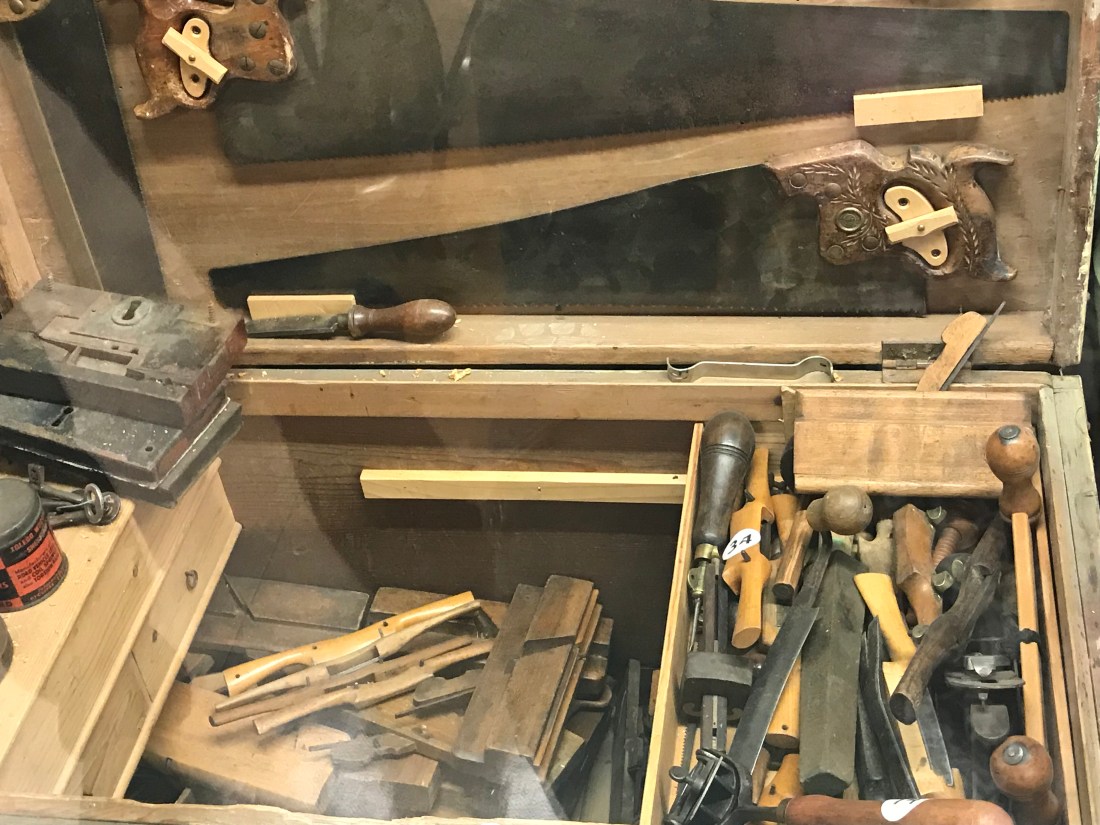
At the height of his success, the bike was officially timed going 191.34mph, but it’s thought to have reached over 200mph. It weighs 93kg. Which is not all that much more than me. A salutary thought. There’s no way I’m gonna be breaking any land speed records, that’s for sure! 😂

Munro reportedly said, “You live more in five minutes flat out on a bike like this than most people do in a lifetime”.

We exited the store via a whole other section full of Christmas decorations, wall hangings, souvenirs and knick knacks of various kinds just after some classic cars and motorbikes. Well, it’s one way of funding a museum I guess. And of helping keep a hardware store going too. Here’s Tash with her favourite exhibits:
Bluff

We drove through Invercargill in two lanes of traffic!! With traffic lights, cars and lorries and everything. This was quite a shock after all our twisty single lane carriageways with hardly another vehicle in sight.

The landscape is flat as a pancake for the first time that I can remember in the South Island.

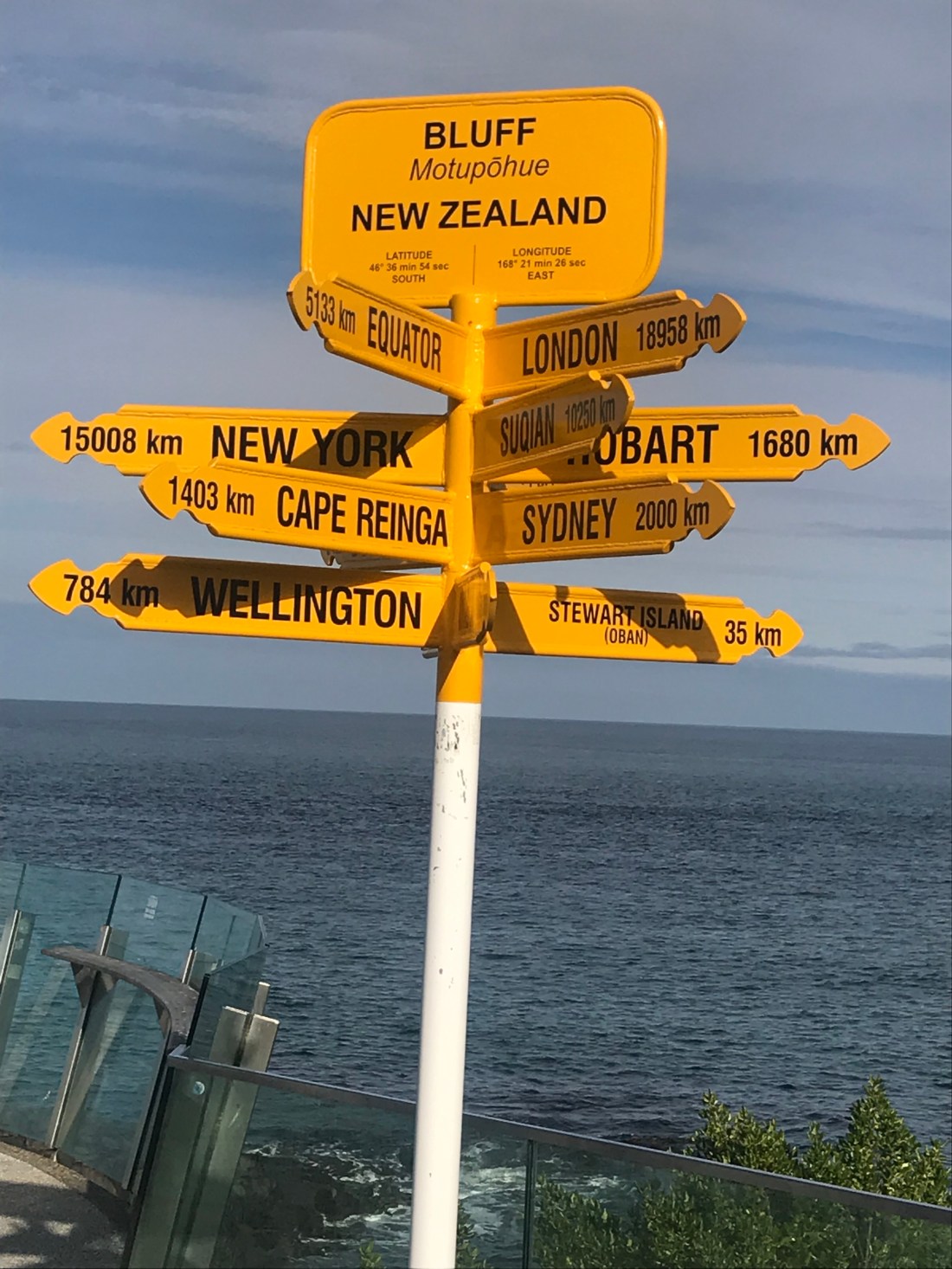
At Bluff we stayed a short walk away from this famous sign. This is the touristy Southernmost point of the South Island (though we found one a bit further south again, about which more later…).

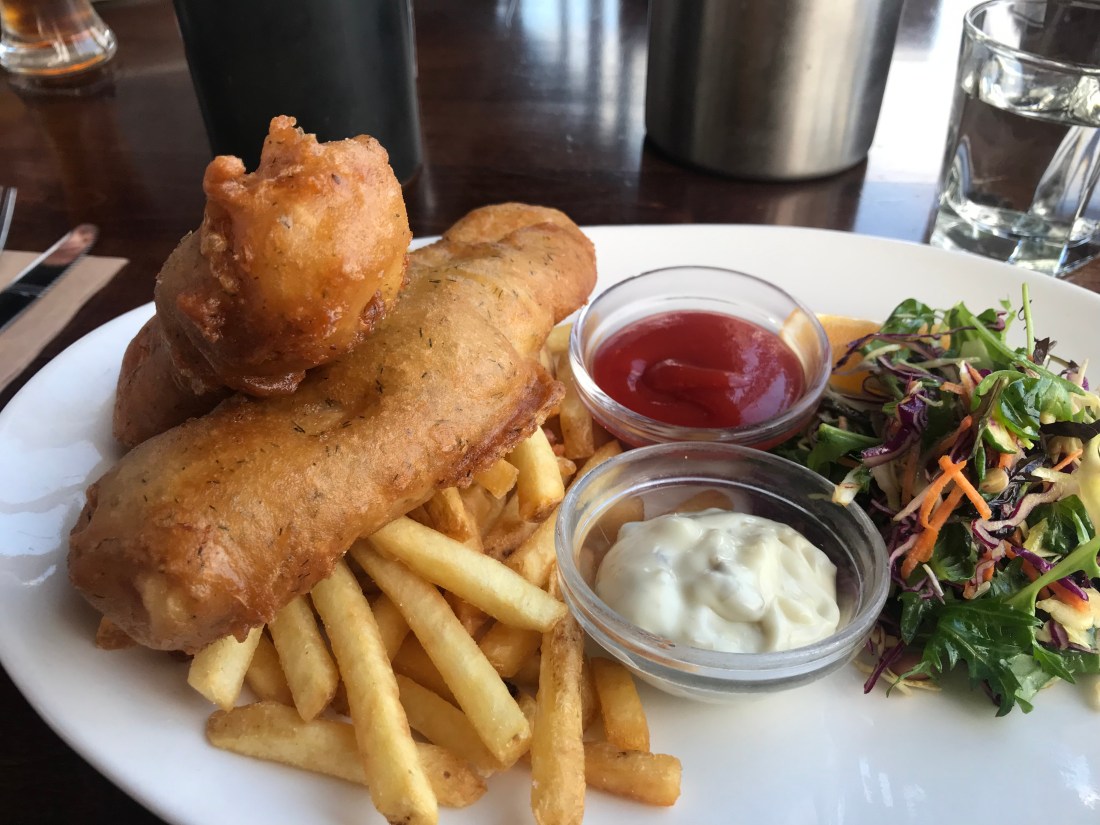
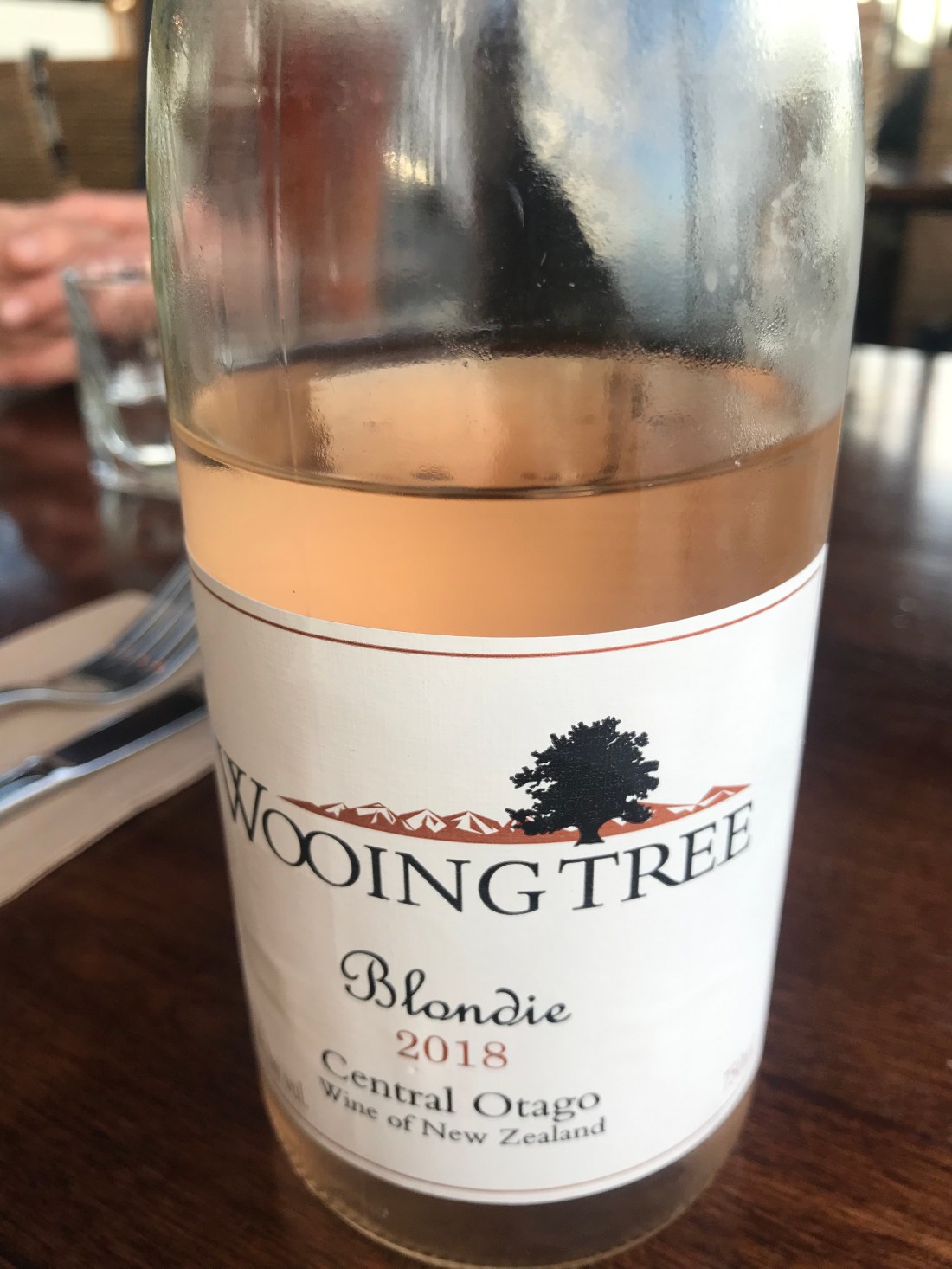
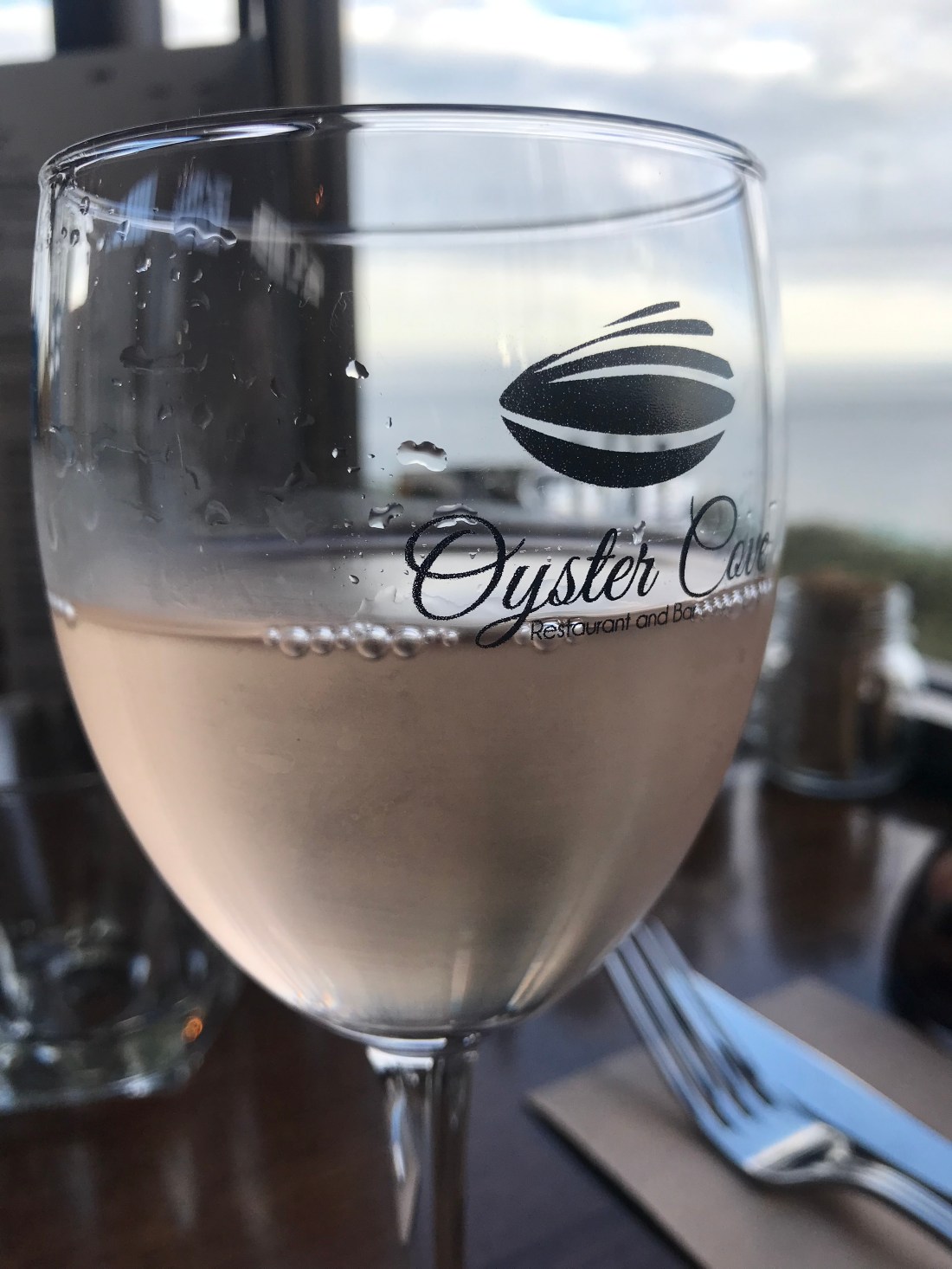
And had a delicious meal of locally sourced blue cod and chips, and a bottle of Wooing Tree (having seen said tree in the vineyard near Cromwell, near the jet boats in Queenstown). This is a curious wine; a white/roséish pinot noir. Very tasty!

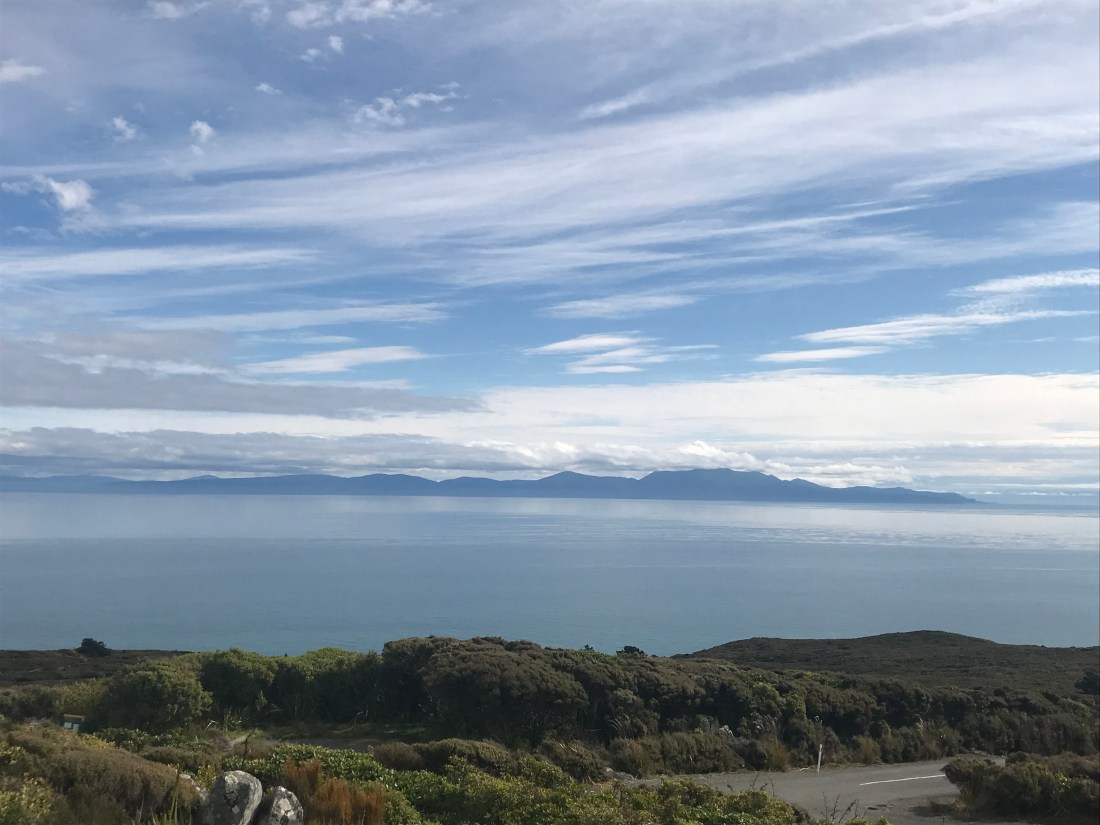
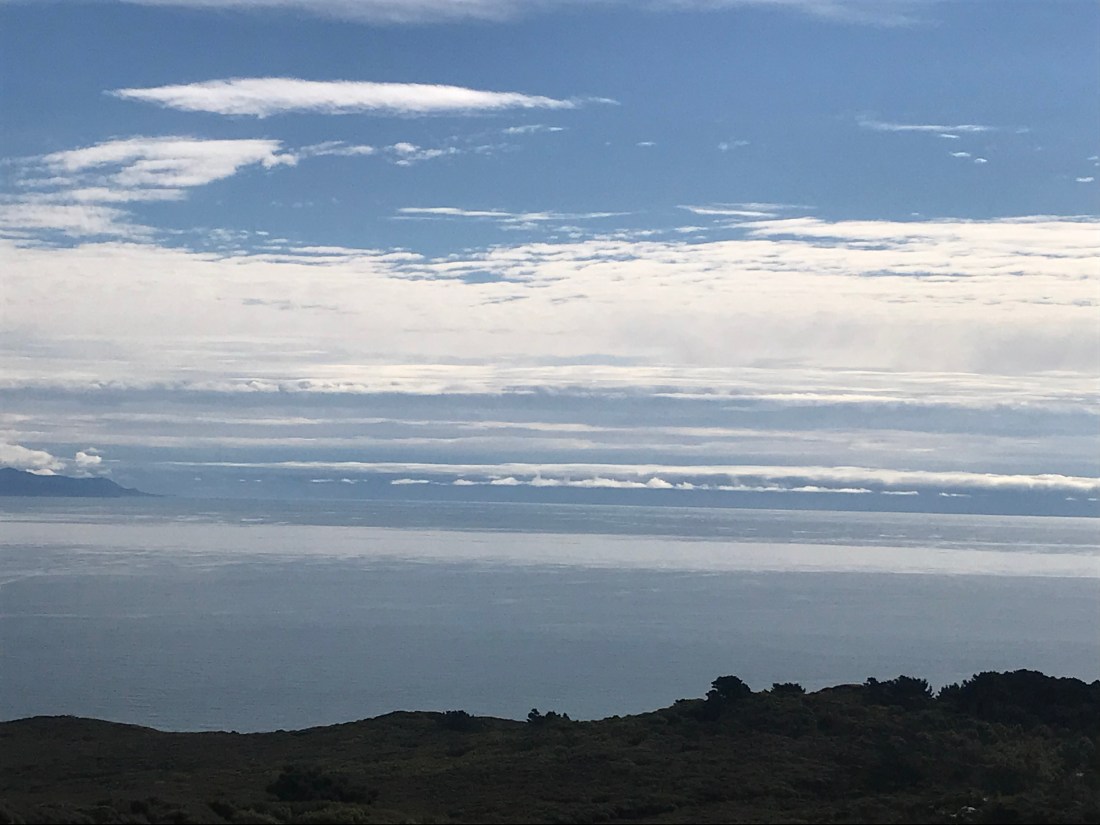
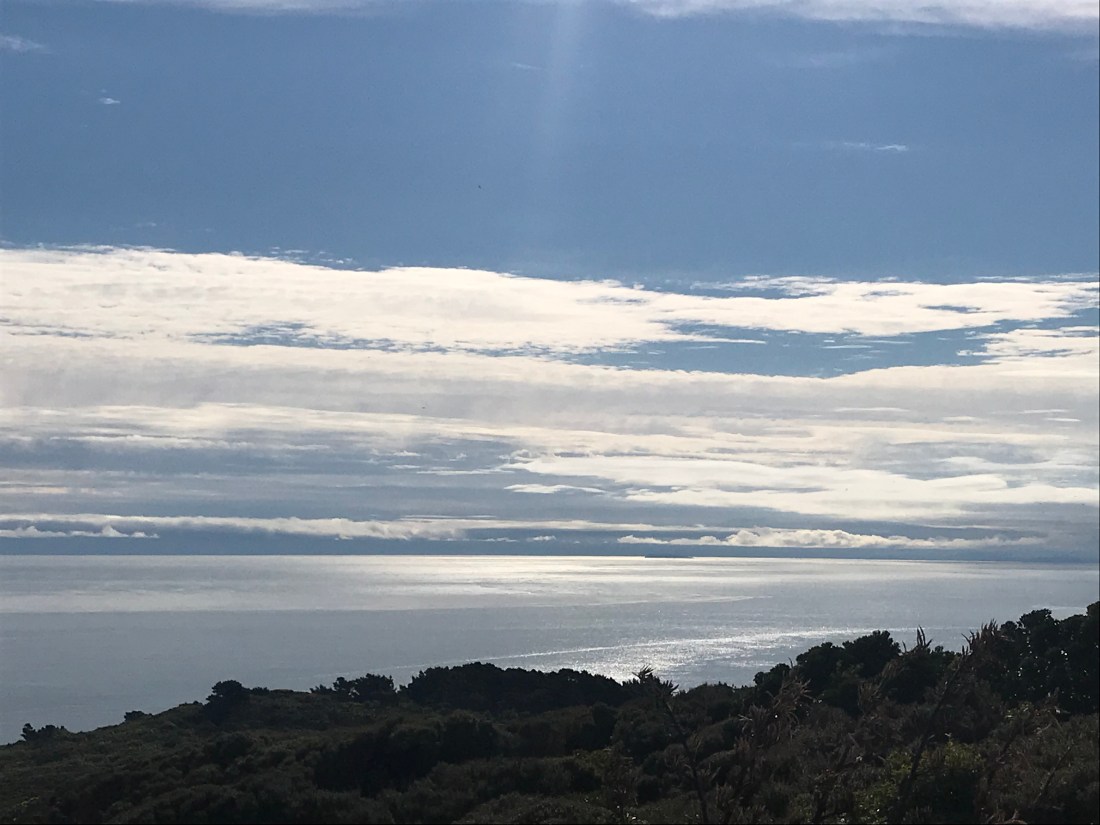
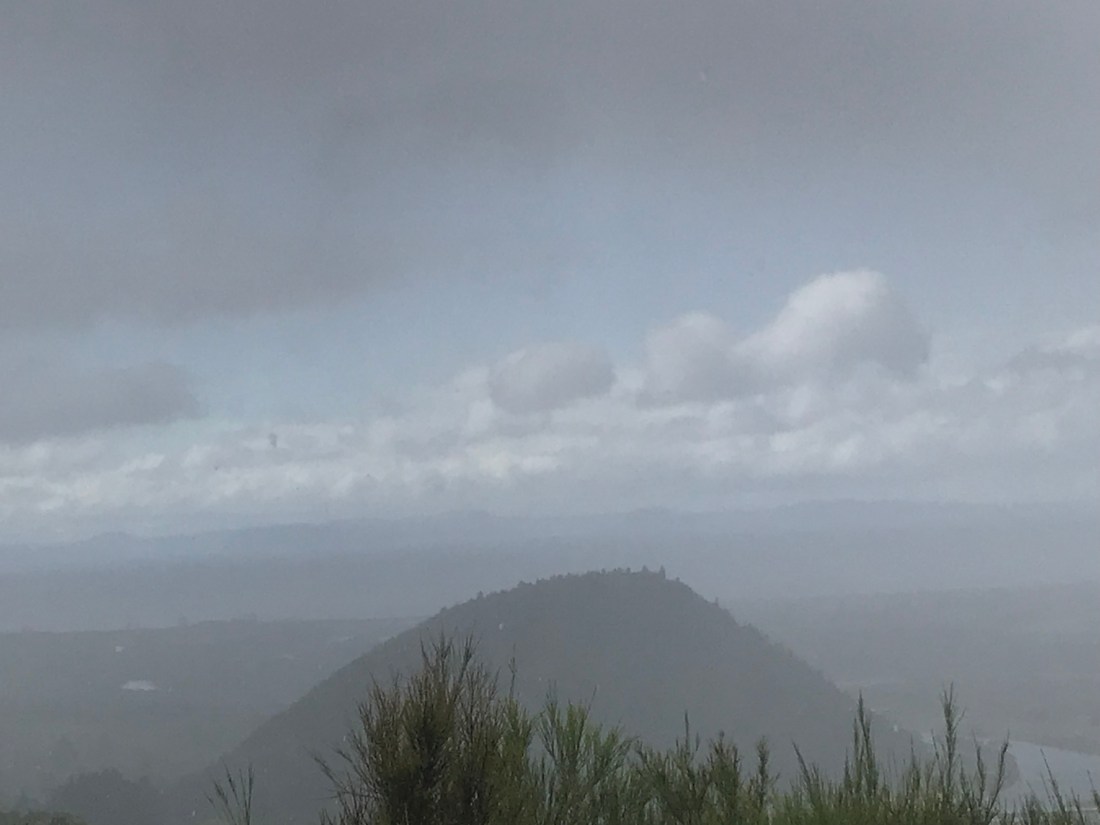
We went up to a viewpoint and saw beautiful views of Stewart Island quite a bit closer now. It’s quite tricky to tell where the sky and cloud leave off and the land begins:
Going South with Stu & Tash

We waved goodbye to Ken and Les at Te Anau, and then made our way southward.

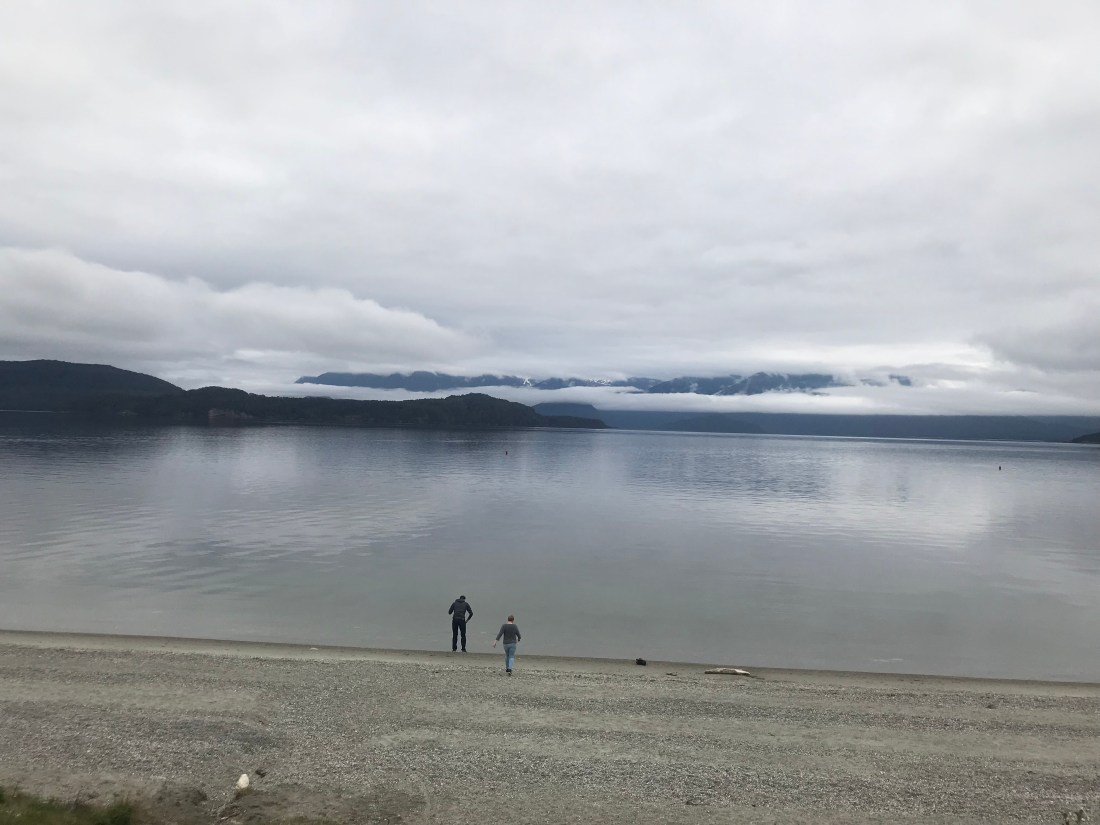
I had a quick dip in Lake Manapouri at Fraser’s Beach, not far from Te Anau. Although the surface area of Manapouri is much smaller than Te Anau, it is slightly deeper at its deepest point. No one else was around and the water was so clear and refreshing, as it seems to be everywhere here. Hmmm lovely!

The countryside we’re driving through now is much less mountainous. Think rolling bright green hills full of soft grass for the many sheep to enjoy, interspersed with hillsides covered in plantations of pine trees and big patches of yellow gorse (a pest in New Zealand, as it’s non native and spreads out of control). Every now and again, there’s a big section of pine forest that has been felled by loggers, green trees replaced with lengths of log ready for transit.

The Foveaux Strait (pronounced Foh voh) is the name for the body of sea between the South Island and Stewart Island, just off the South coast. At McCracken’s Rest, we stopped at a lookout over the sea. As we watched, suddenly Tash spotted a little group of 4 Hector’s dolphins swimming and diving along. This is the smallest known breed of dolphin. Hector’s dolphins are also very rare and I think have only been seen in New Zealand. This area is home to one of the largest populations of them.

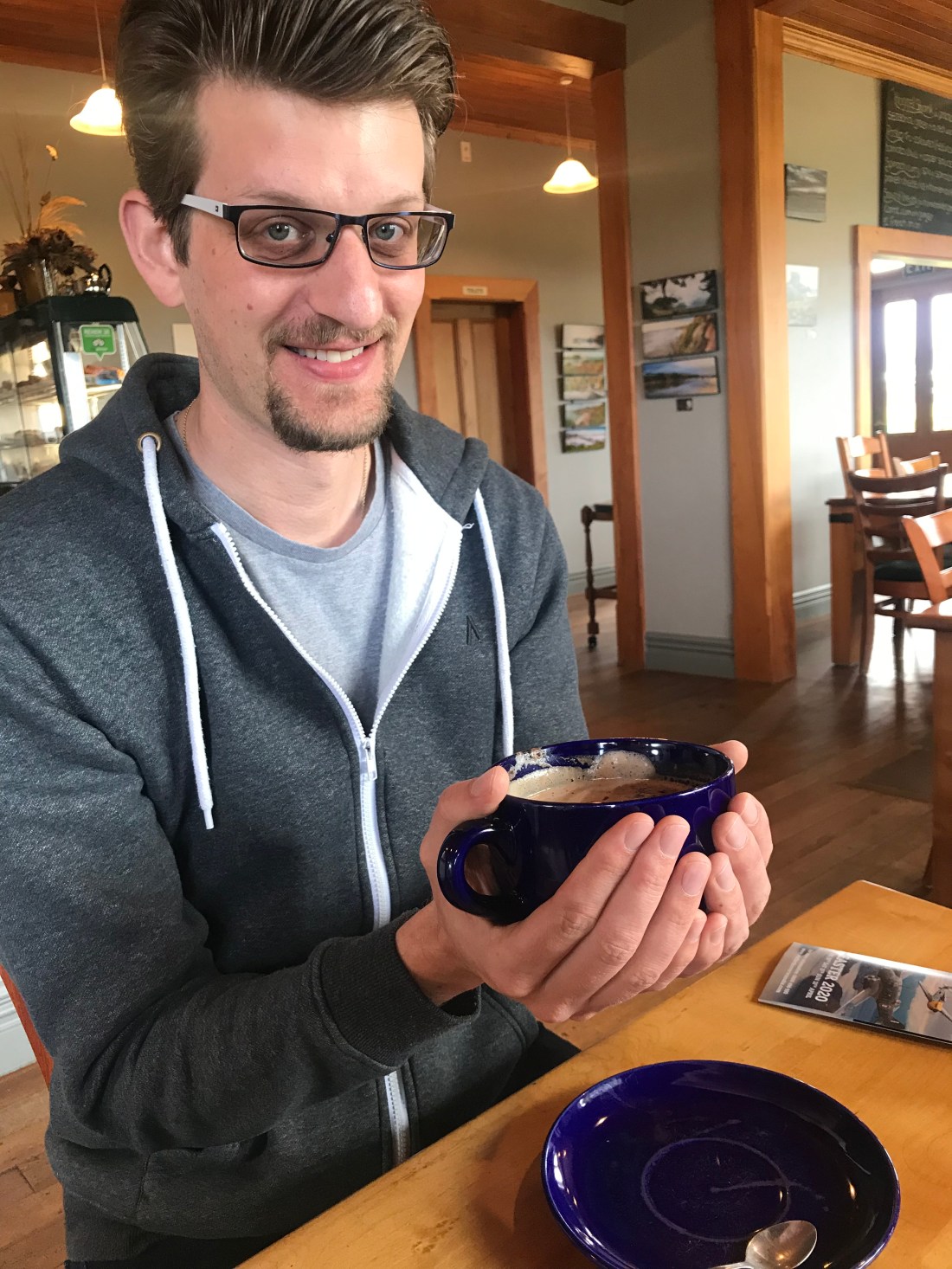
We stopped off at Orepuki (following another of George’s great recommendations) for lunch, where Stu found the perfectly sized bowl for his mocha, and I was mightily comforted by the warming carrot and coriander soup, which reminded me strongly of home.

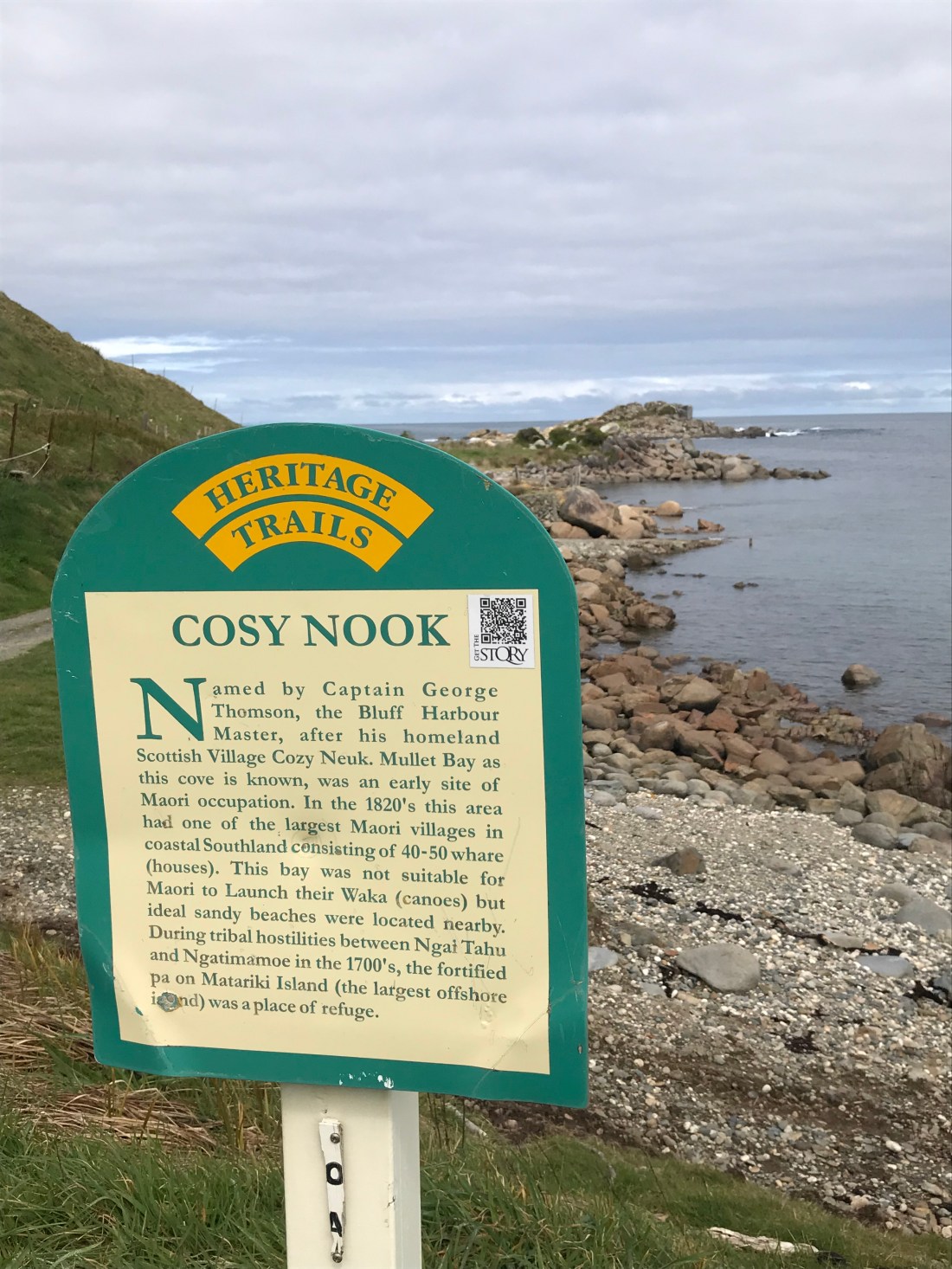
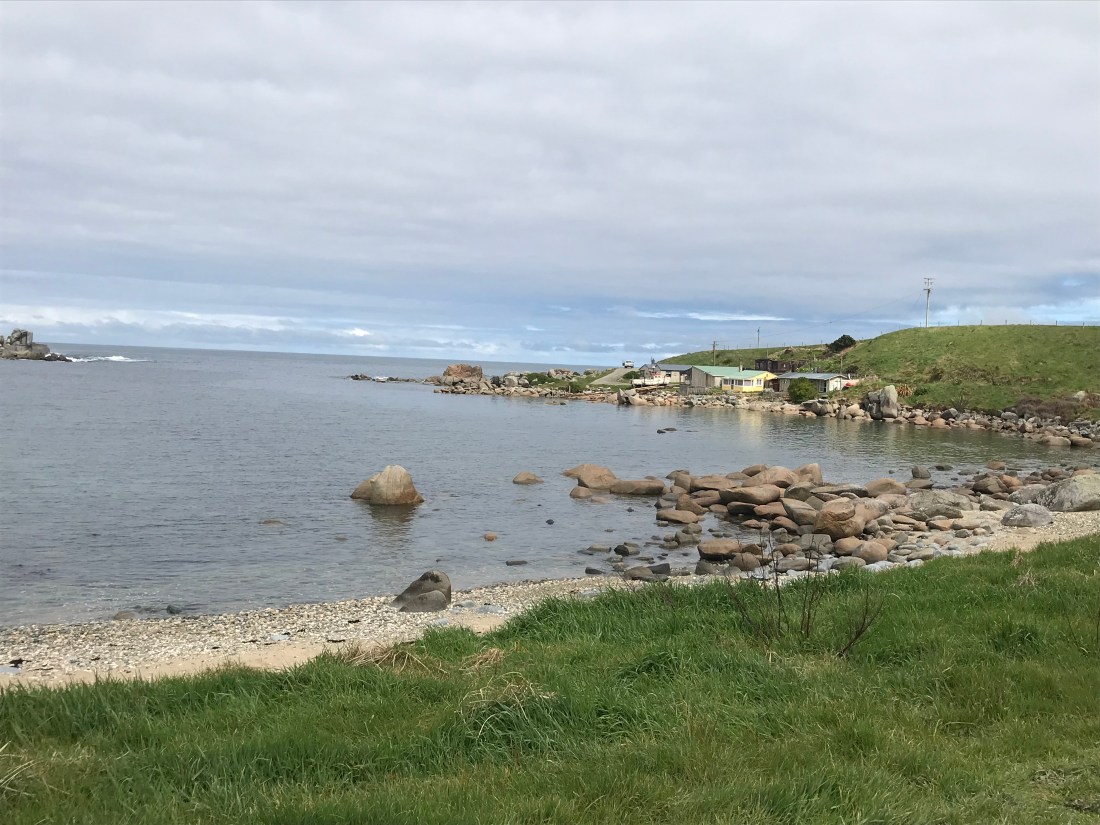
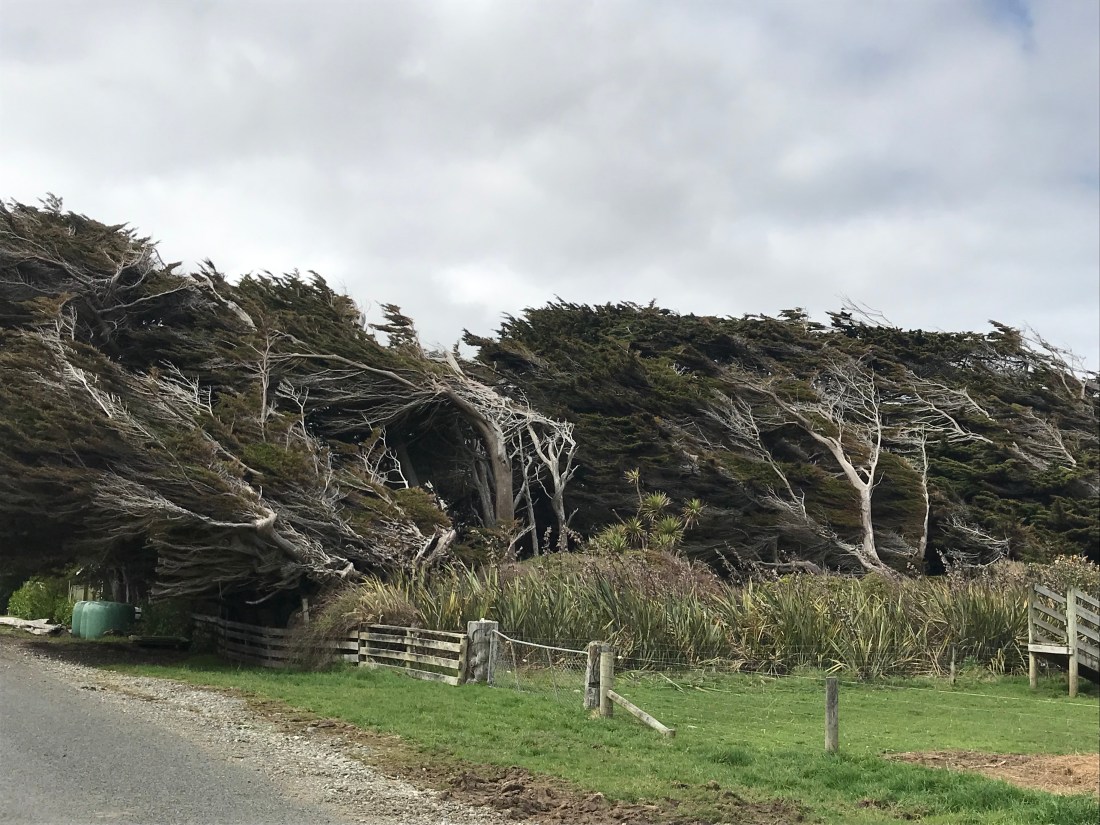
Then we took a couple of short detours along the beautiful coastline; the first to Cosy Nook Bay, where the trees were blown virtually horizontal by the prevailing wind coming off the sea.

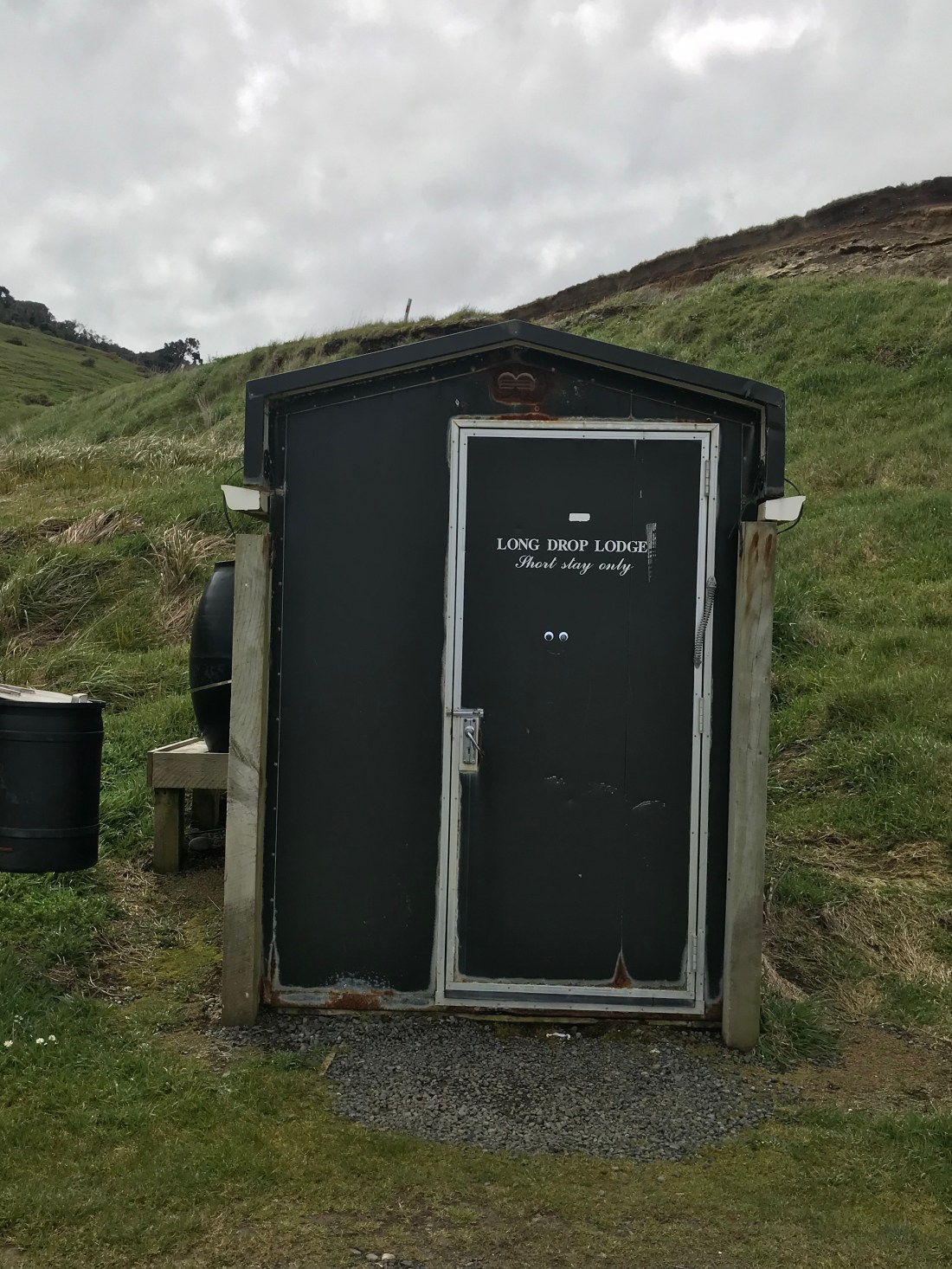
The kiwi sense of humour! 👇🏼 (“Long drop lodge; short stay only”)

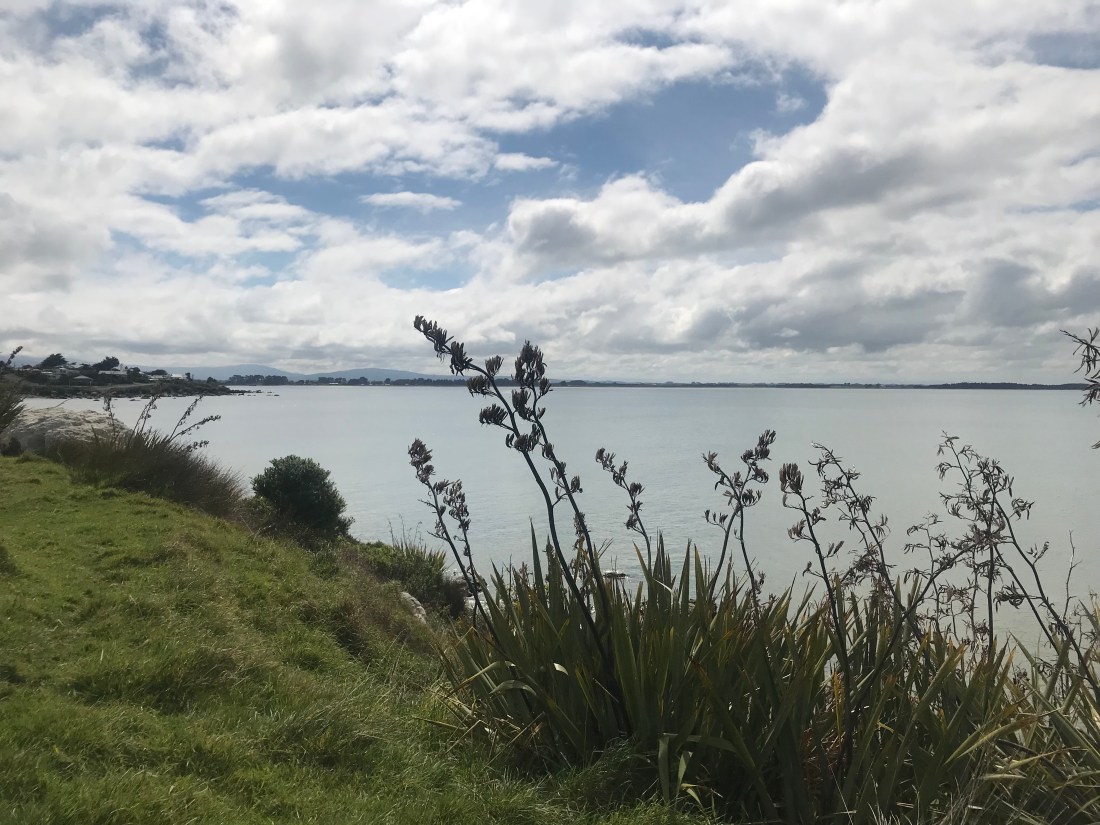
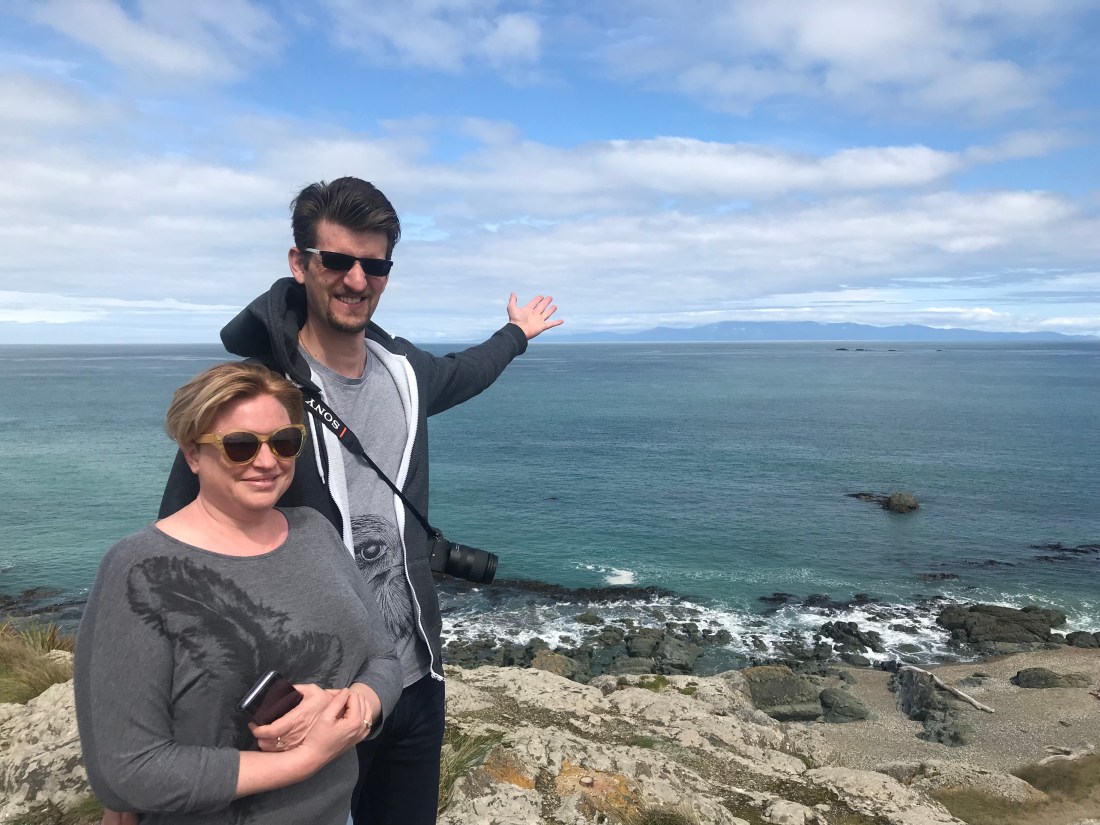
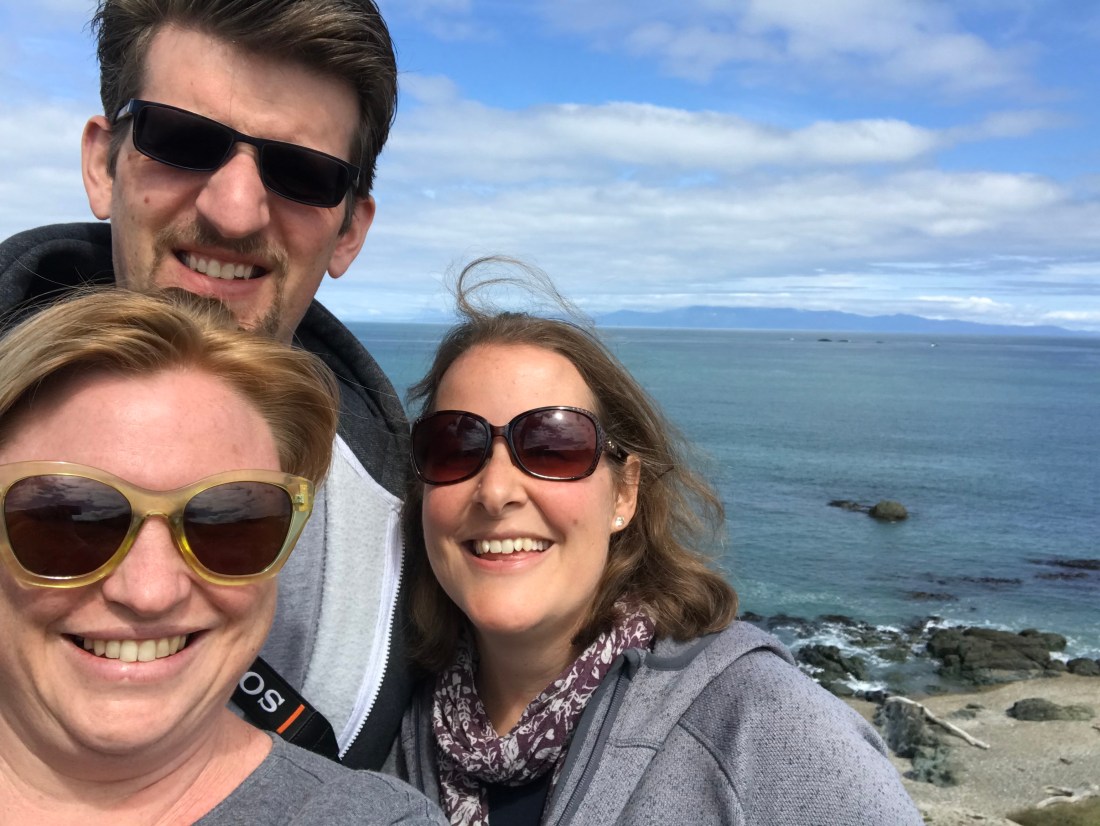
Then we detoured to Howells Point at Riverton, overlooking Stewart Island (another recommendation from skipper George). We were surprised how warm we were as the sun broke through the clouds. Stuart and Tash in front of the island named after him (though spelt differently!) 👇🏼

Faith in Fjordland

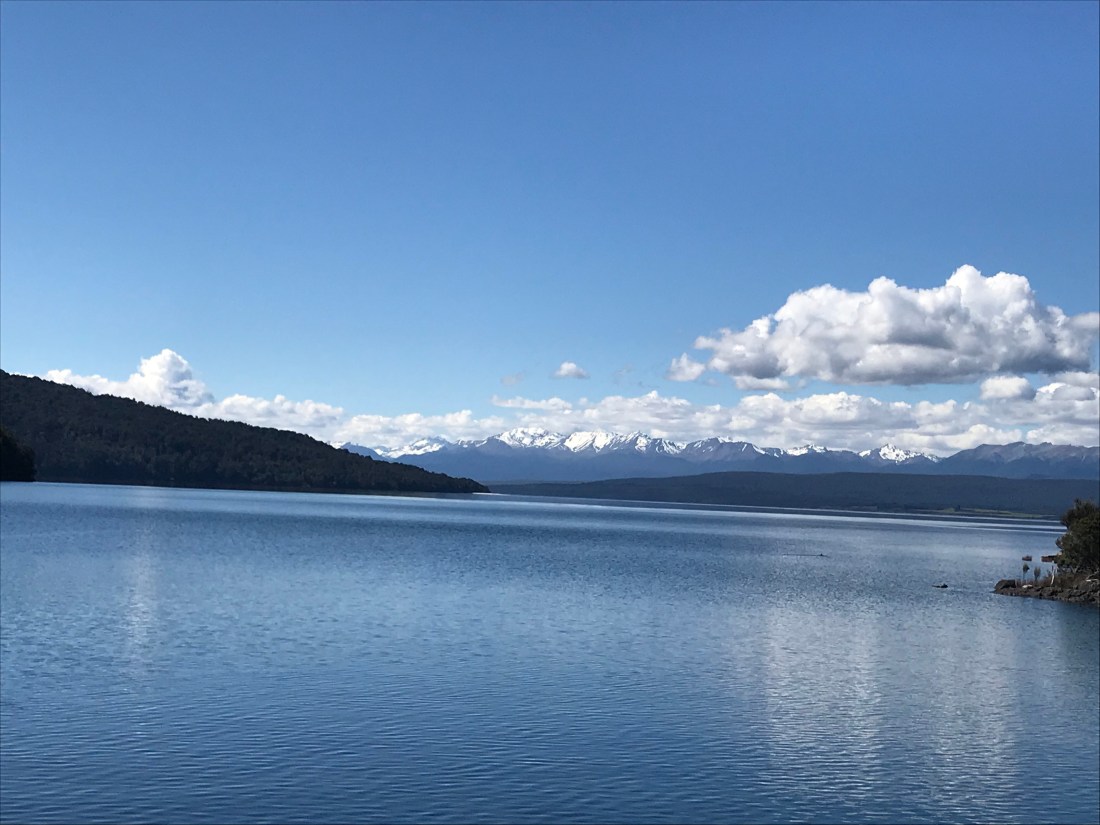
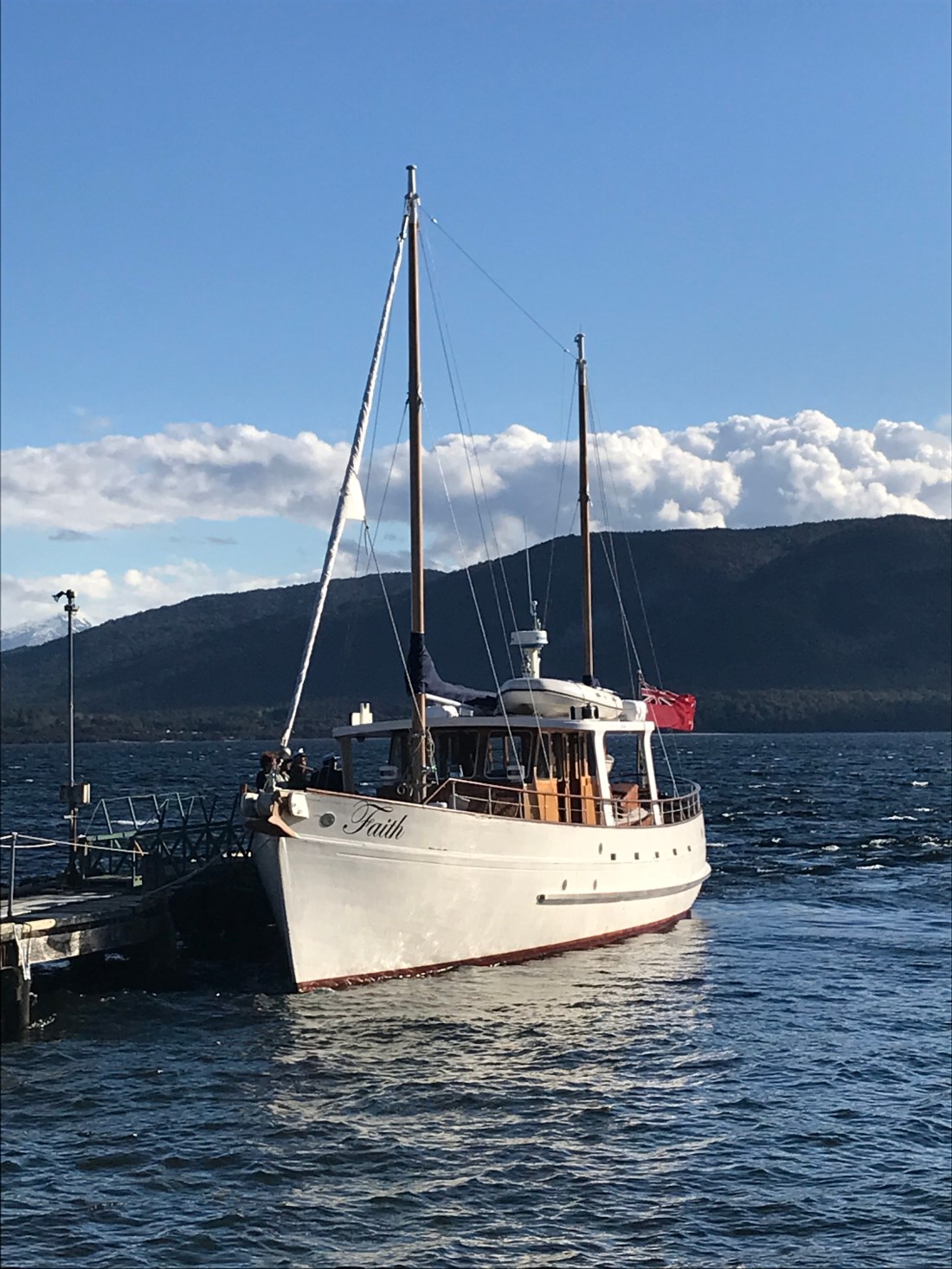
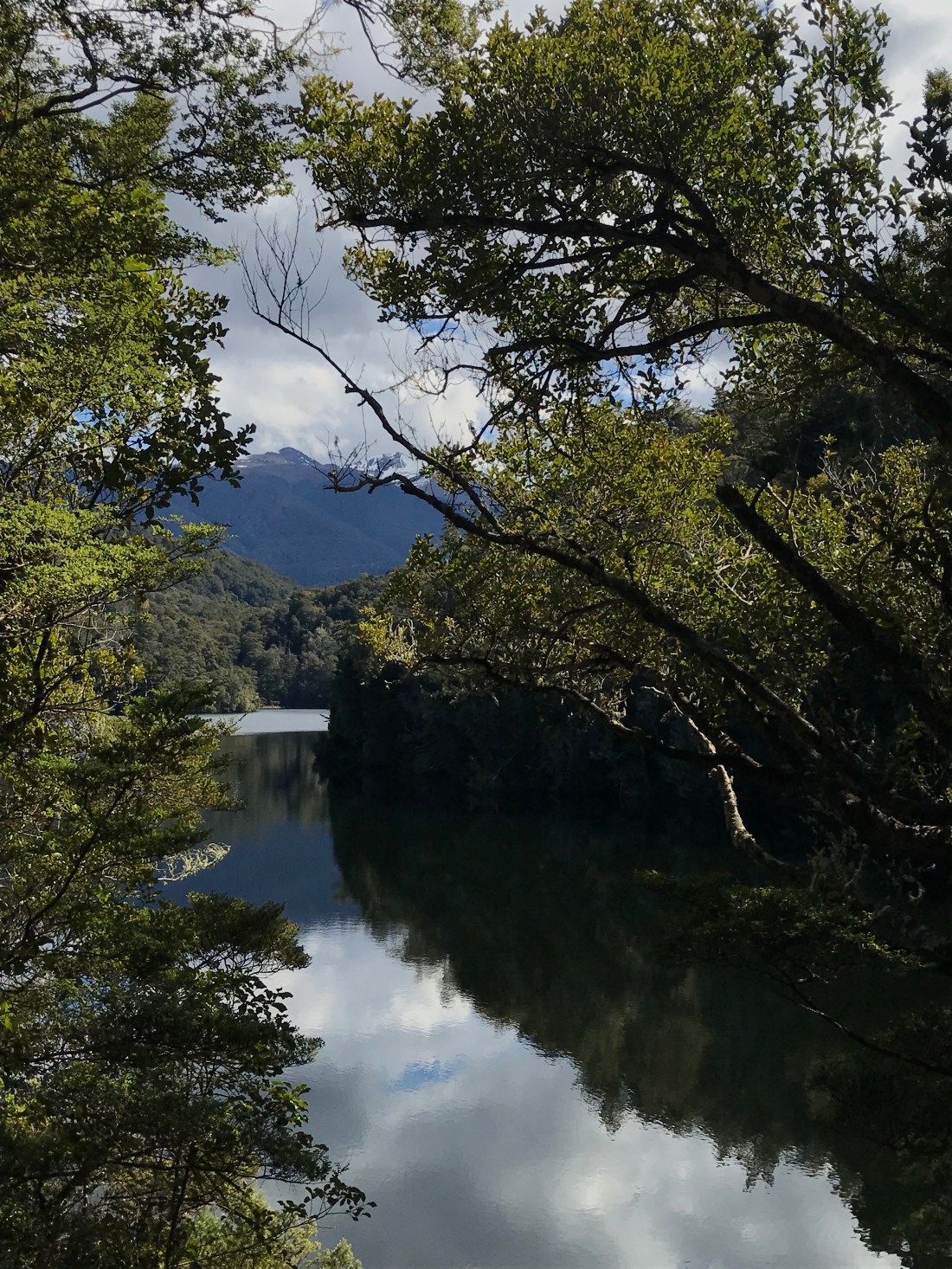
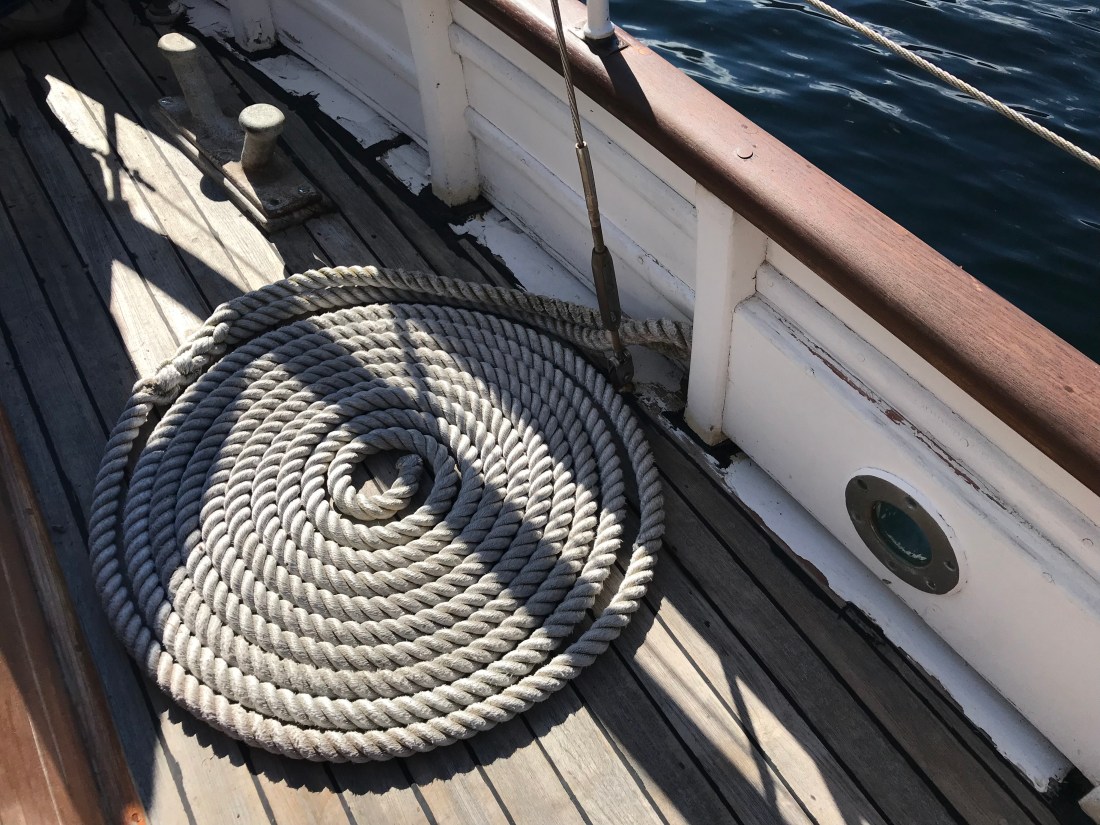
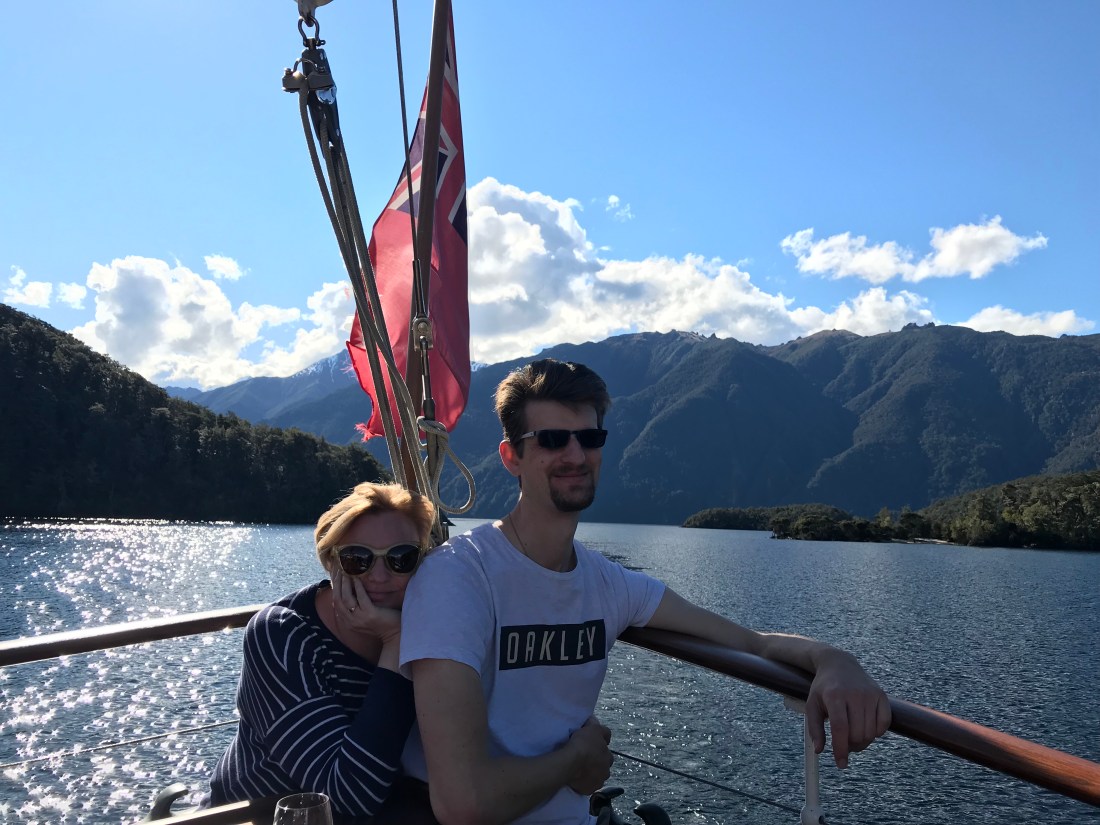
We went on this boat trip on Lake Te Anau, which was stunningly beautiful. The lake is enormous. In NZ it’s second only to Lake Taupo in terms of its surface area. But volume wise it is the largest fresh water lake in Australasia. To give you an idea, the main body of the lake is 65km long and up to 417m deep. The Olympic swimming pool I swim in at home is 2m deep, to give some comparison! Te Anau is unique in NZ for having three inland fjords. I’m still quite confused about what makes a fjord a fjord, but they are just beautiful, anyway.

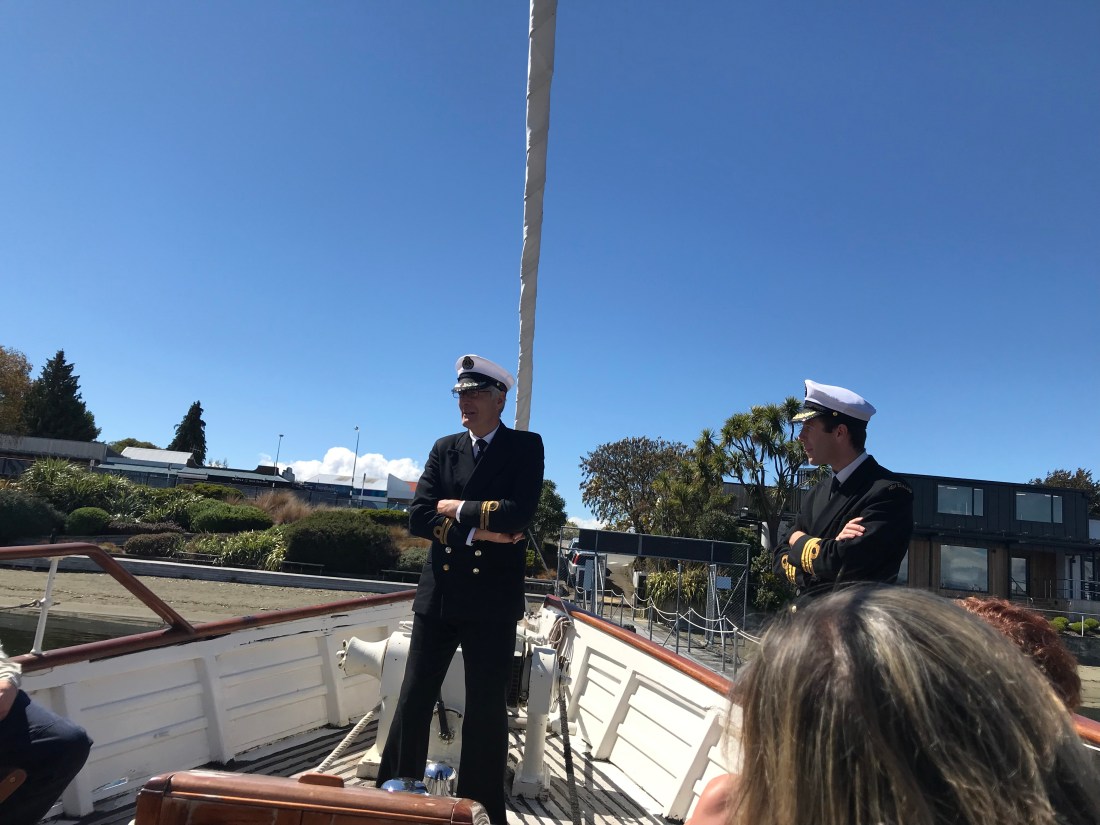
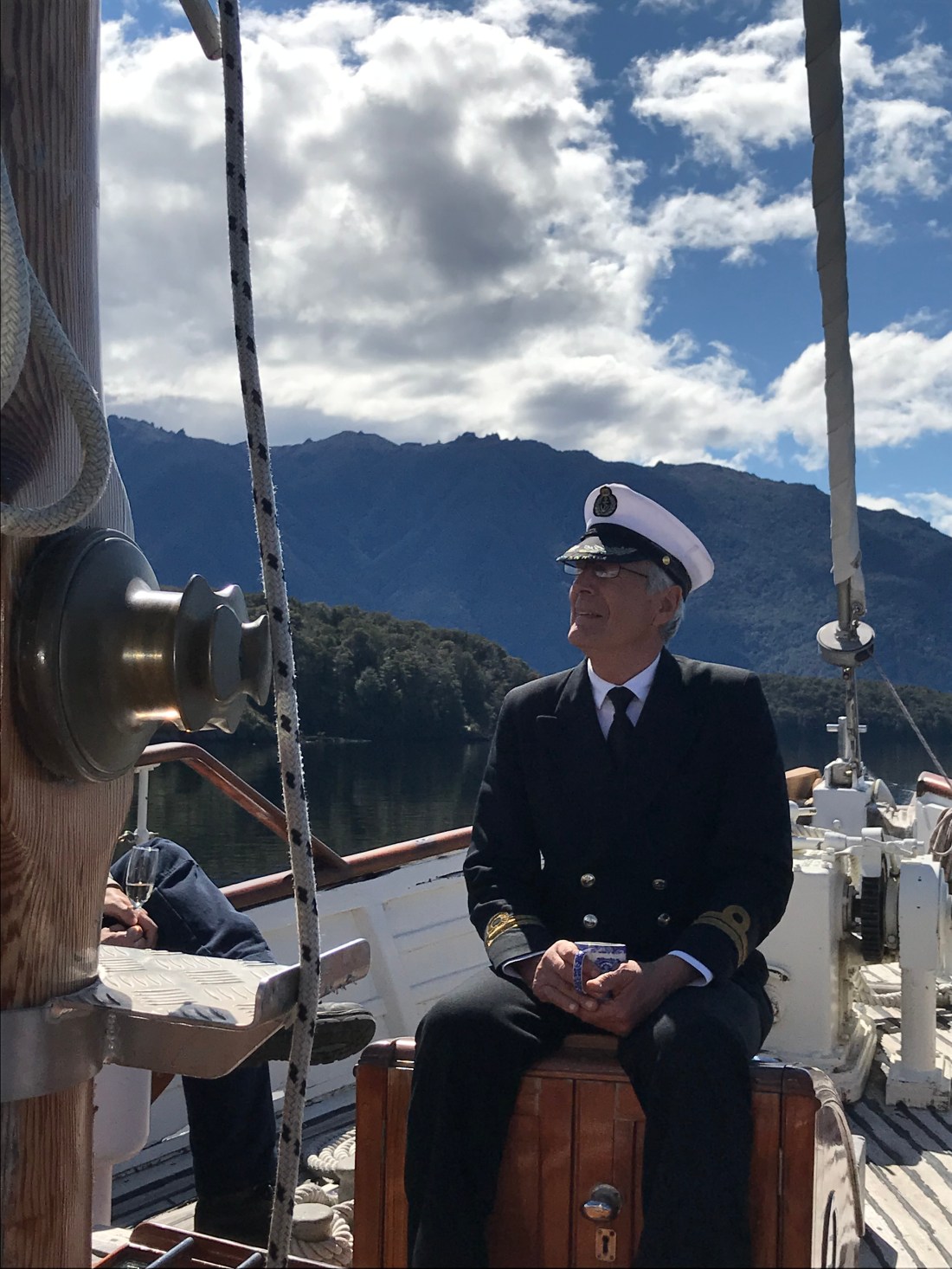
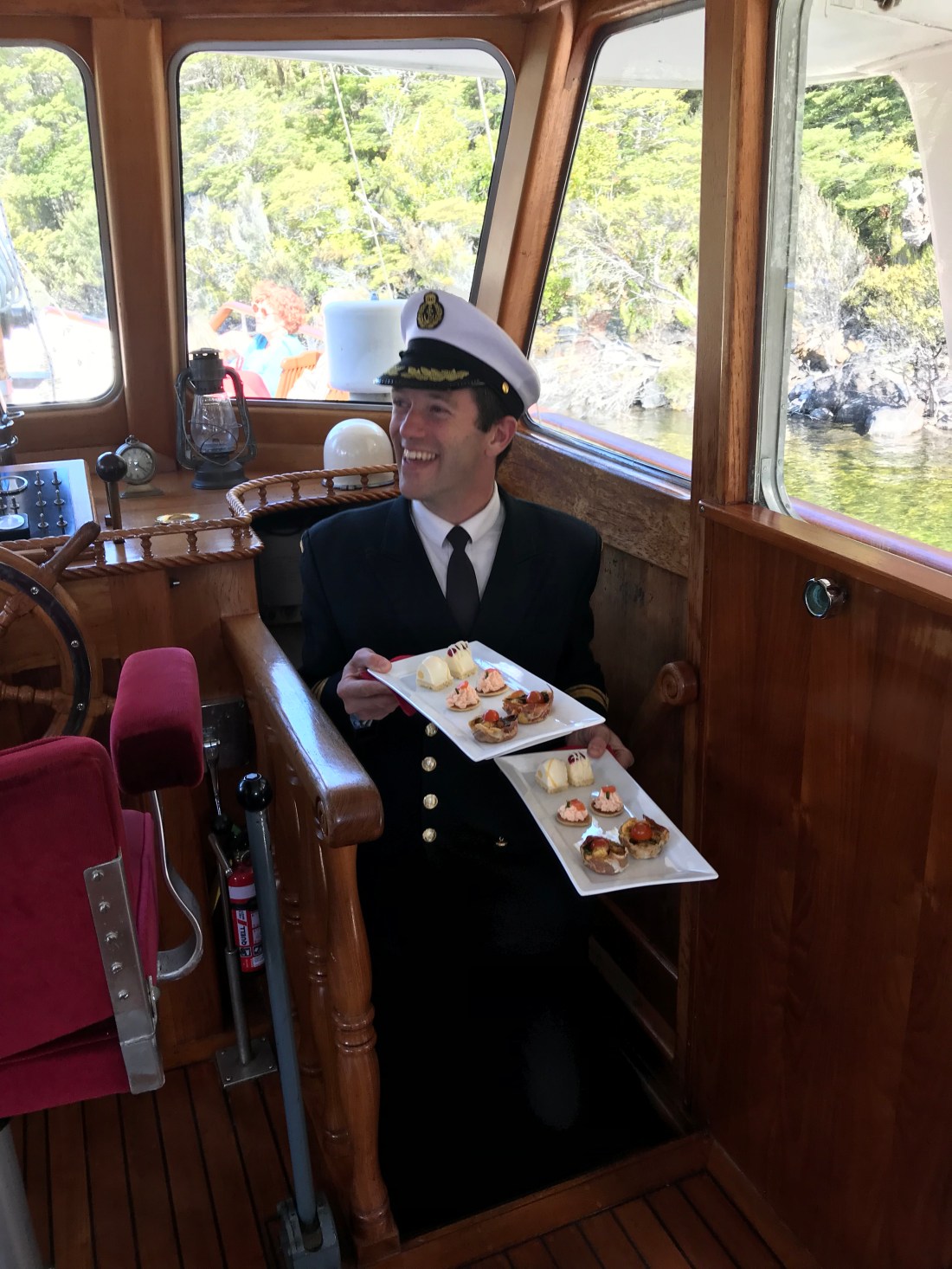
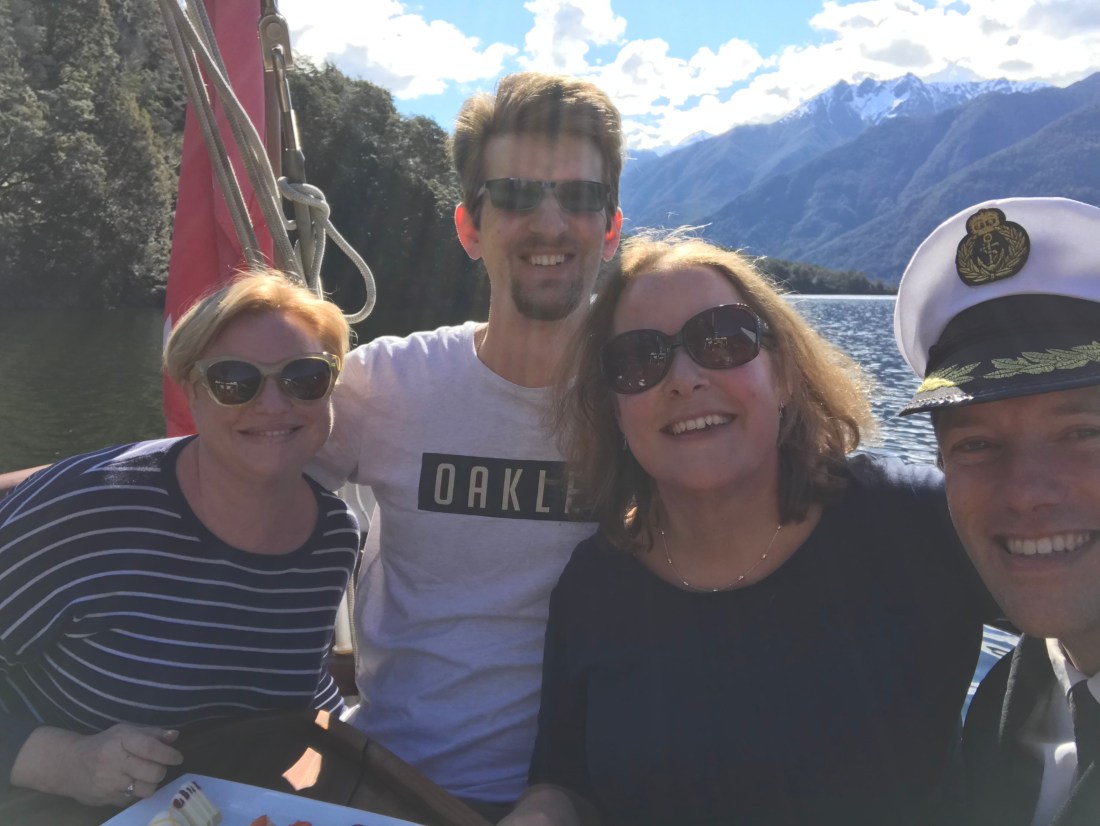
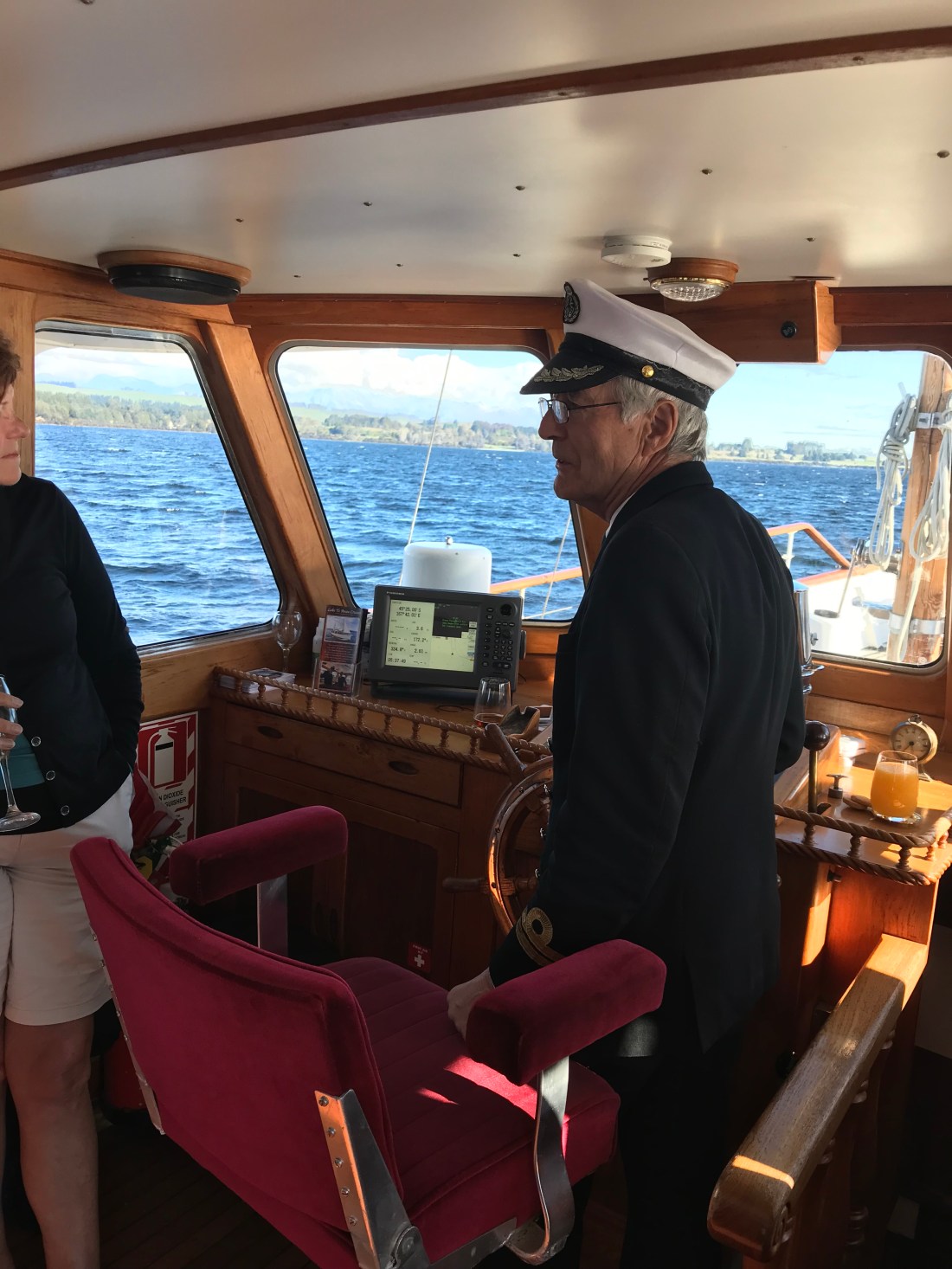
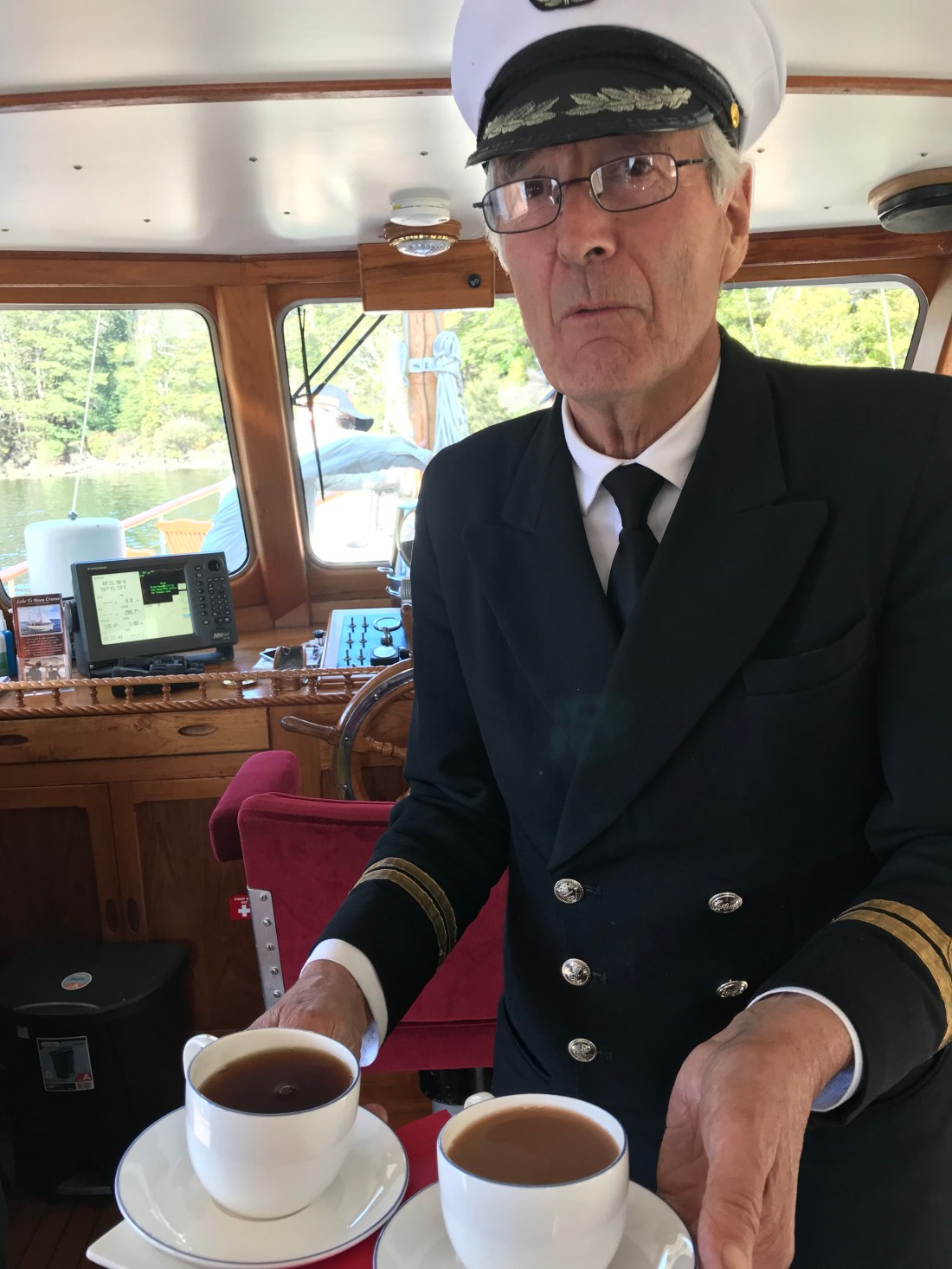
George and Adam were our faithful skippers for the afternoon.

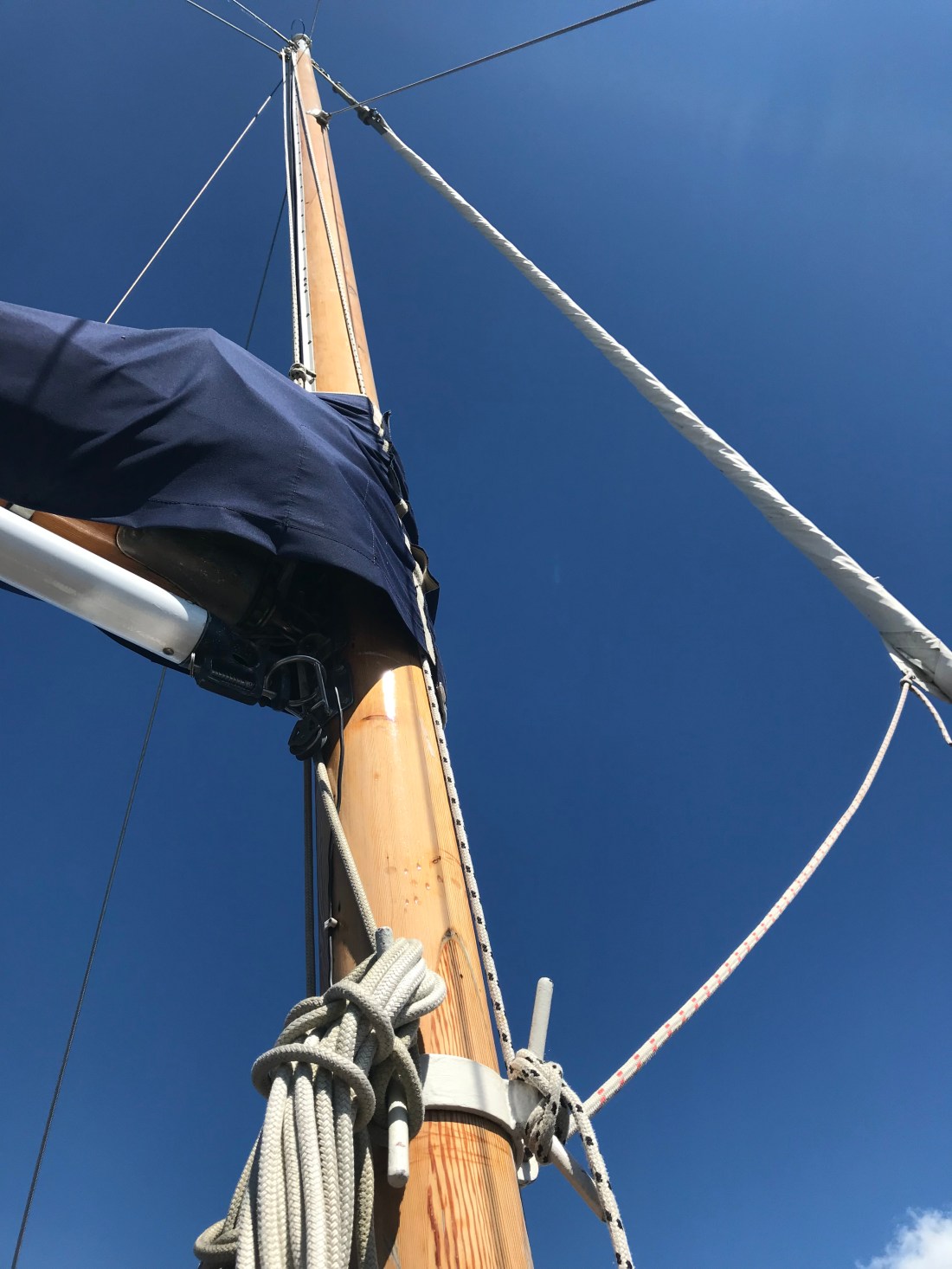
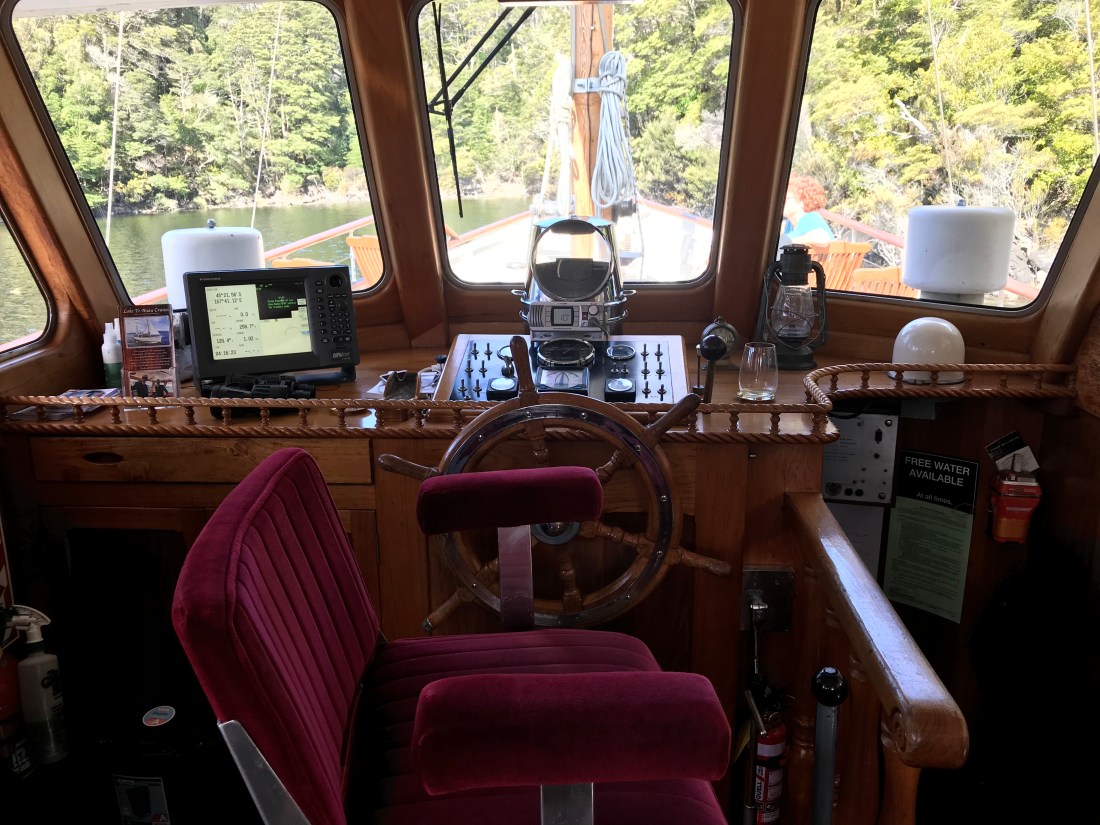
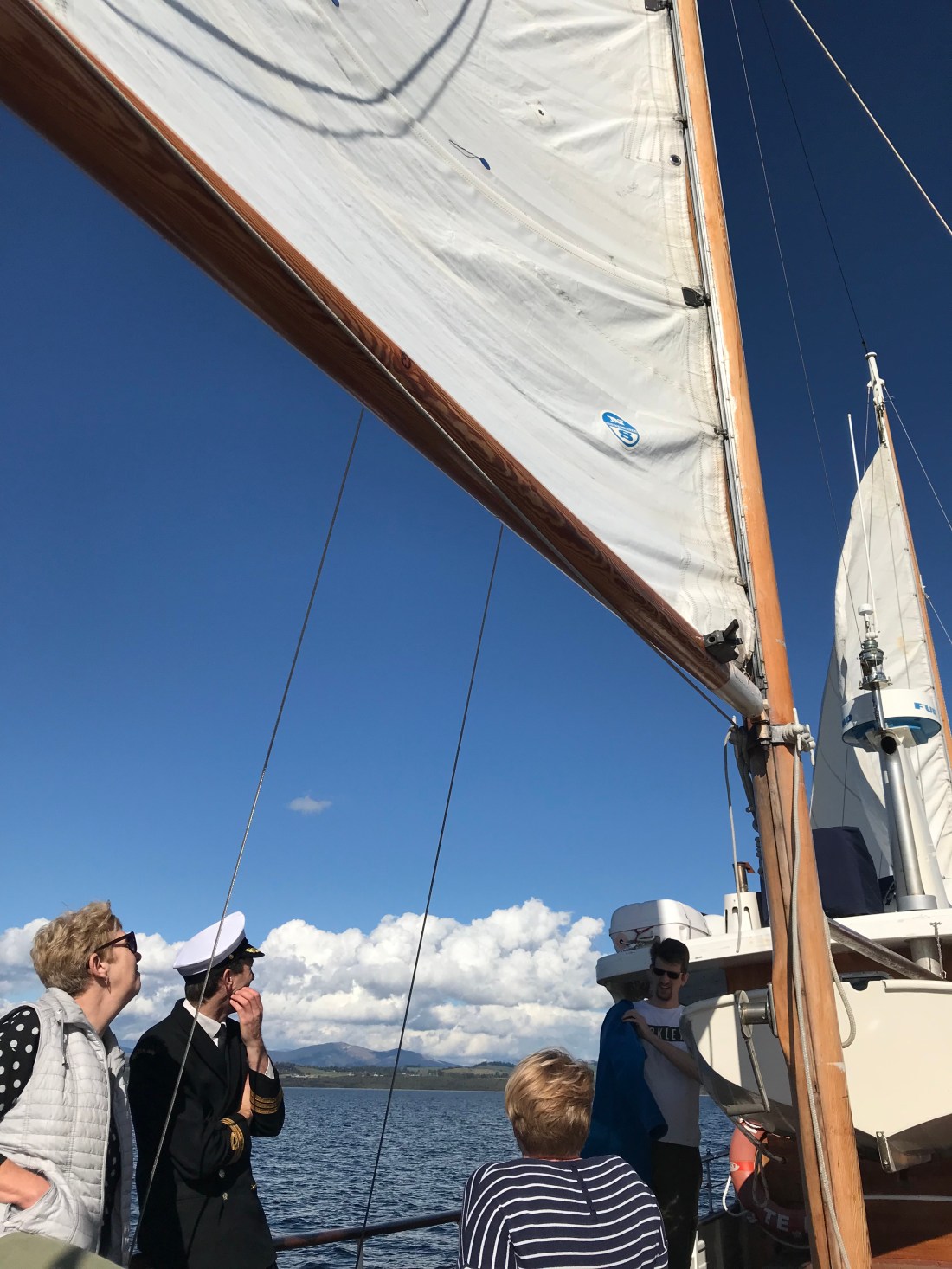
As we set sail, George told us about the history of the boat, which was fascinating.

It was built in Scotland and was requisitioned during the war to be used as a cargo ship in Scotland. Winston Churchill knew the owner and sailed in it quite a bit. In fact, he had another boat made that was similar, he liked it so much. Faith was bought by a new family at some point after the war and they sailed it round the world to New Zealand. Curiously, the twin boat Churchill had made now resides just a few hours away in Queenstown.

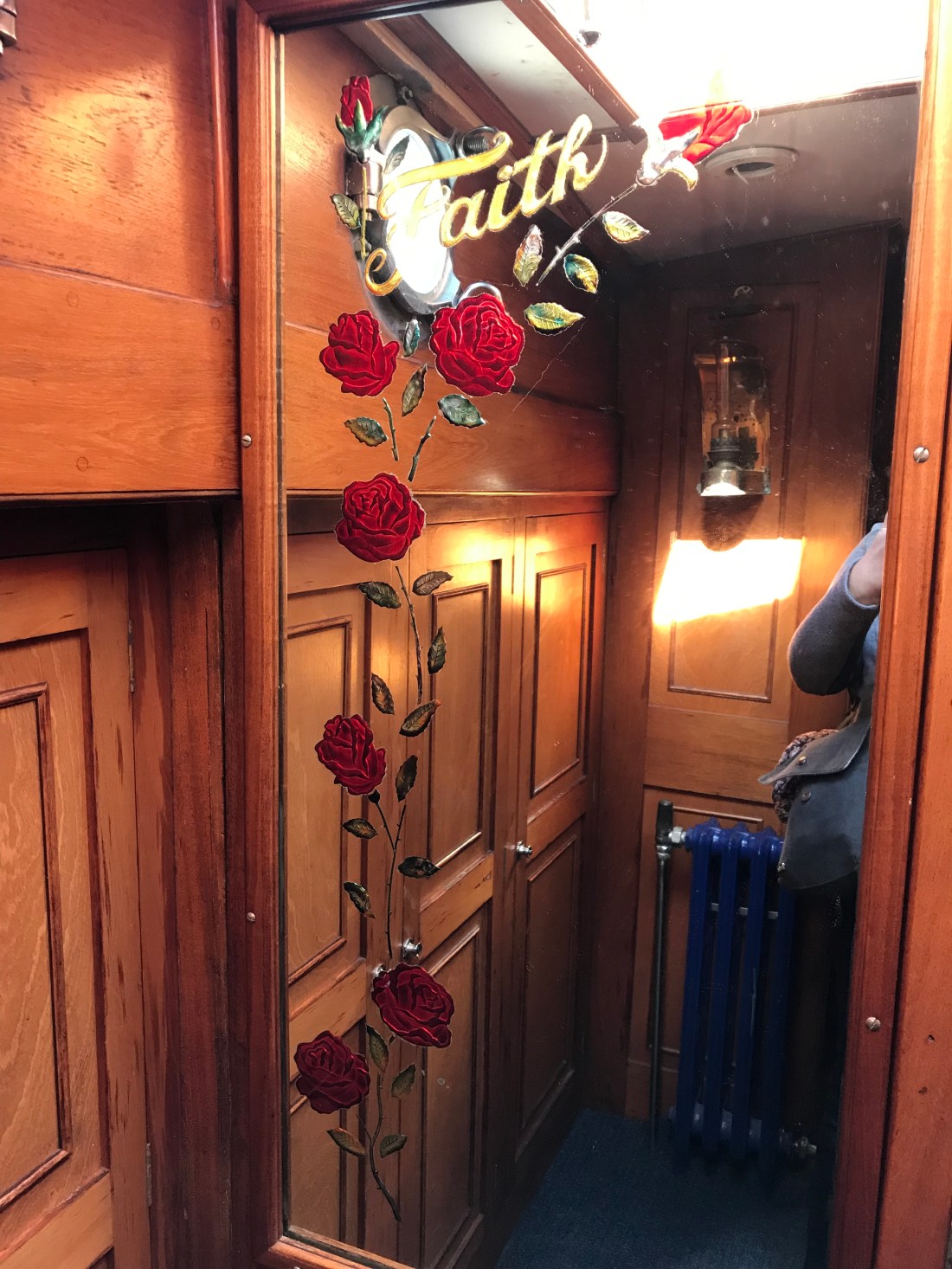
Anyone who knows my cancer story, will probably guess that sailing on a boat called Faith was a deeply symbolic thing for me. In the midst of chemo a few years ago, one of my wonderful friends brought me a word about the story of the calming of the storm. In this gospel story, Jesus is asleep in the bottom of the boat, while his followers are fearing for their lives because of the storm that’s blown up all around them. When they woke him, Jesus commanded the wind and the waves to be still, and they were instantly stilled. Then he asked his friends, “Why were you so afraid?” (Hmmm… because, a life threatening storm was there, maybe?!) My friend shared with me the thought that the real miracle is not the calming of the storm. The real miracle will be when we have enough faith to curl up and go to sleep with Jesus in the bottom of the boat in the face of the storm. Jo wondered whether that was what Jesus was inviting me to do, in the face of the “storm” of cancer. I can’t claim any great faith, really. To be honest, through my treatment I was so exhausted it was all I could manage to do to curl up and sleep in the bottom of the boat. But it was a really significant word for me to not worry about the cancer or try to somehow pray against it, but just to go to sleep alongside Jesus. Sometimes it’s good to know that everything doesn’t always have to be down to you. Sometimes, perhaps we are invited to simply let go and to trust. Hurray for boats called Faith, eh?

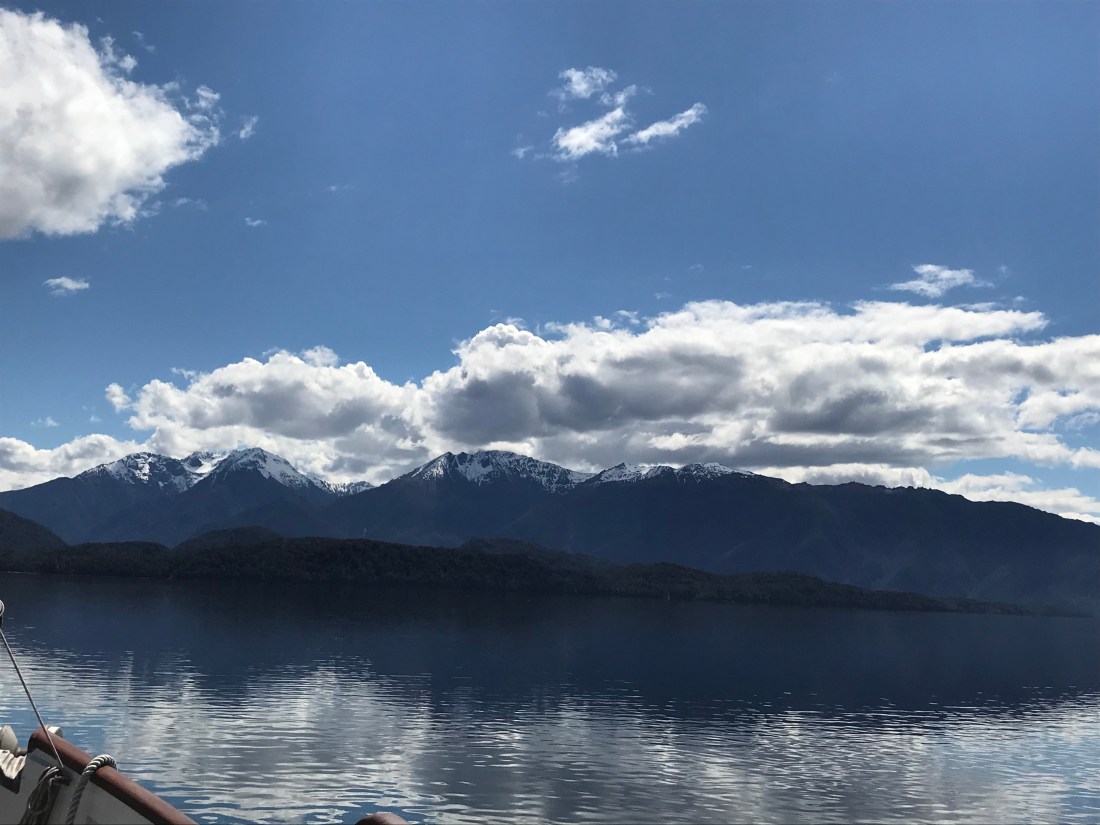
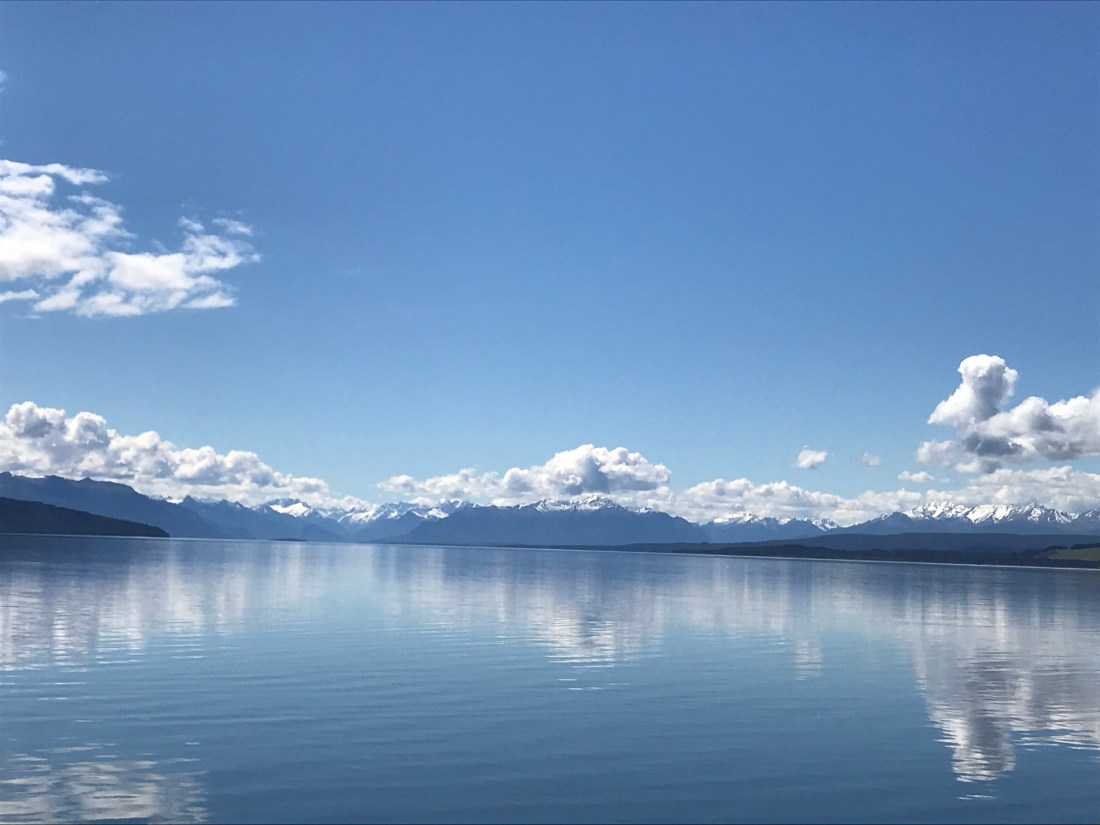
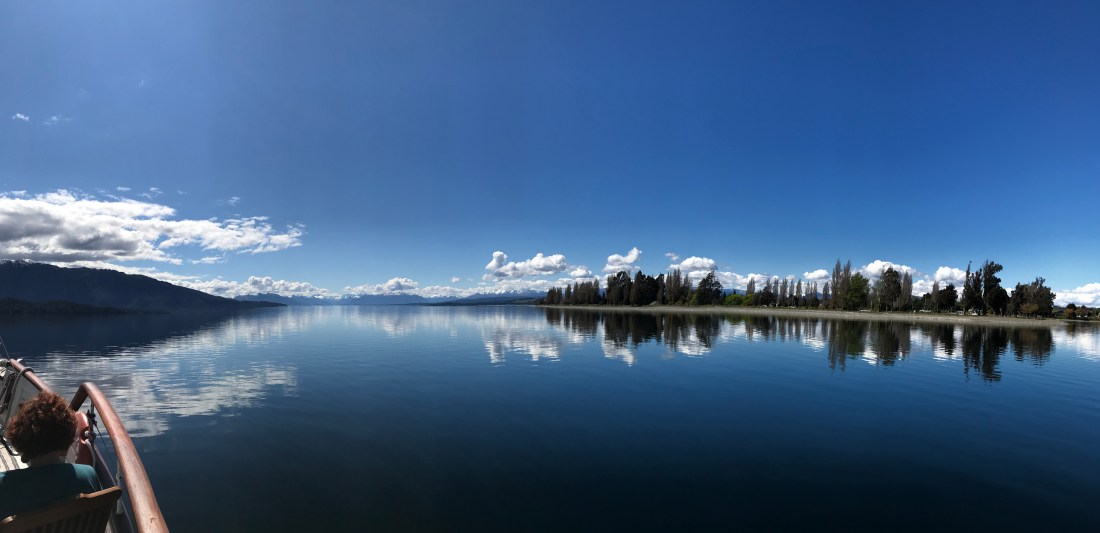
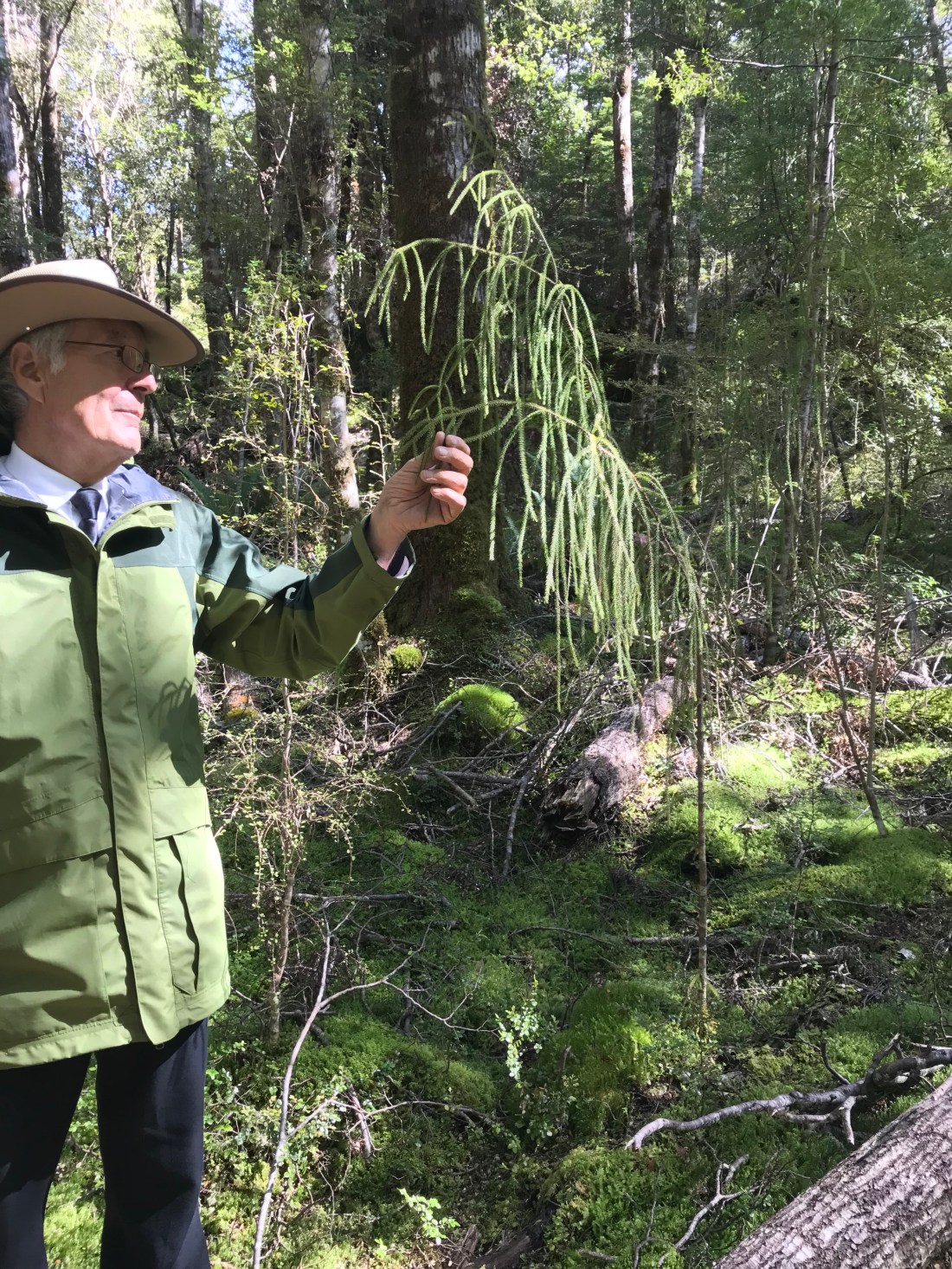
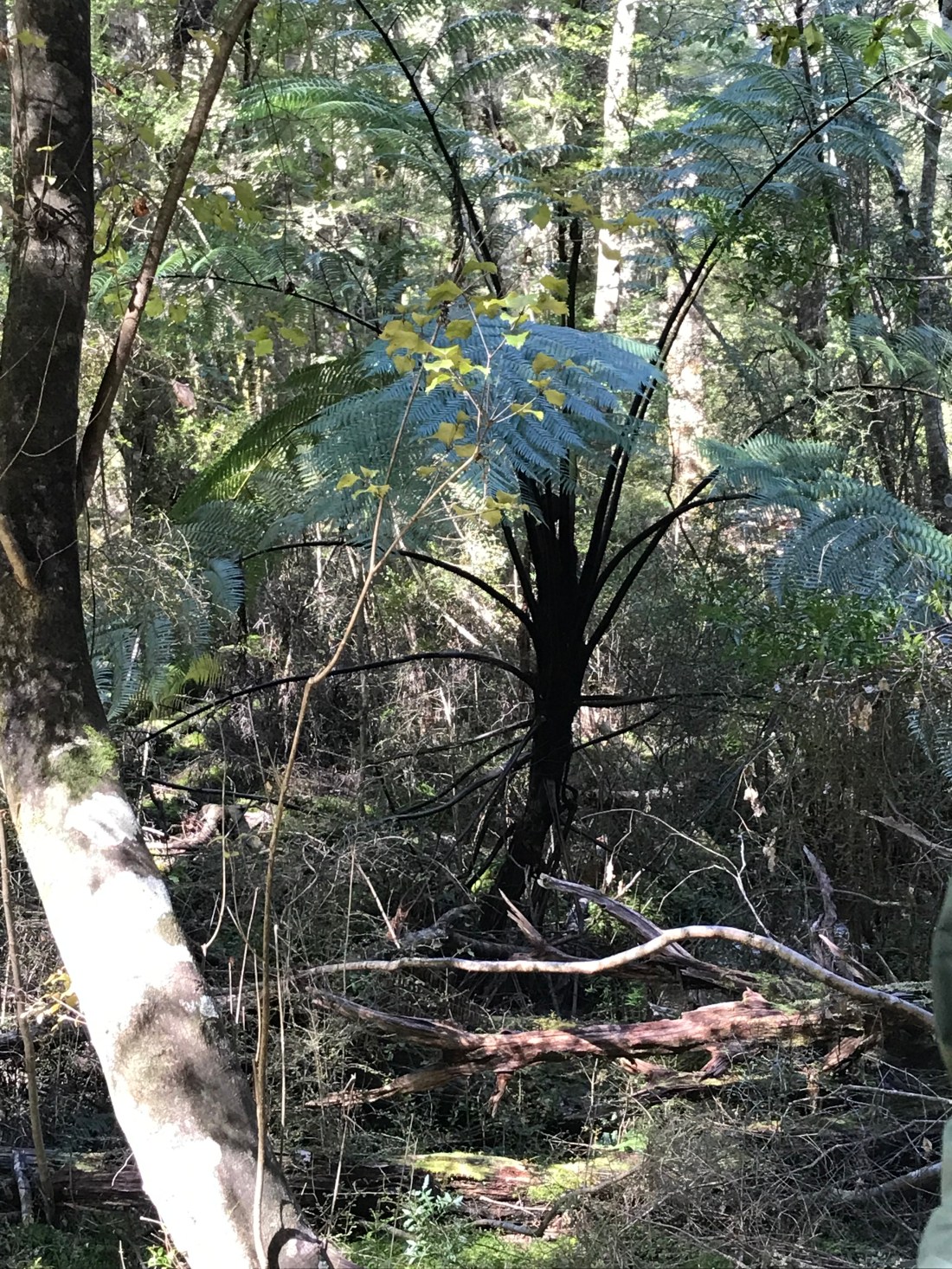
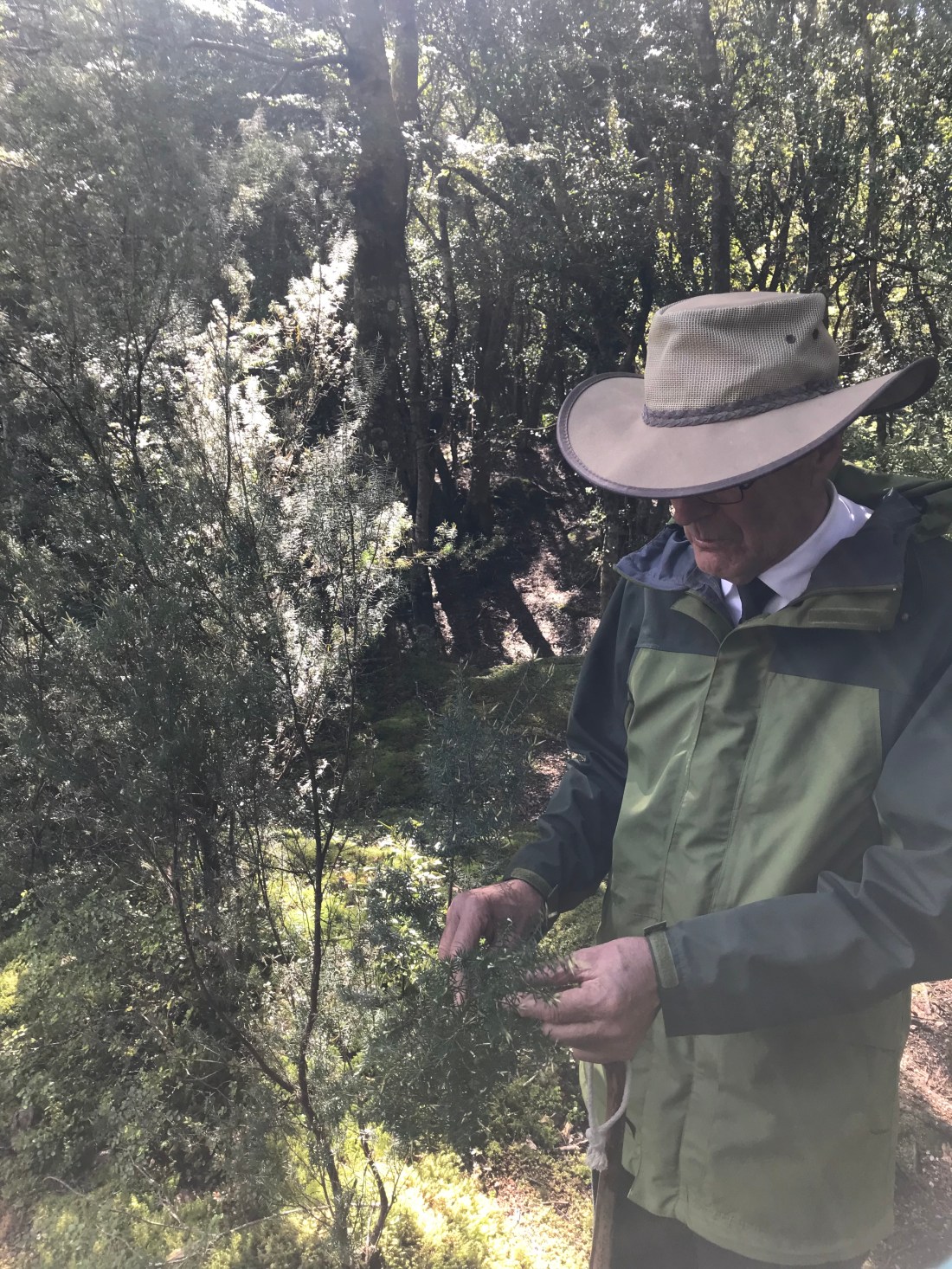
Anyway, this boat was called Faith after its owner’s wife, rather than for any religious reason. And I’m very glad to report that the lake was as flat as a millpond as we sailed across it, and the panorama was beautiful. Half way round, we stepped off onto a little island jetty to go for a bushwalk with George, who turned out to also be very knowledgable about the flora and fauna we saw en route.

Then it was back on the boat for afternoon tea including drinks of our choice before we set sail back to Te Anau.

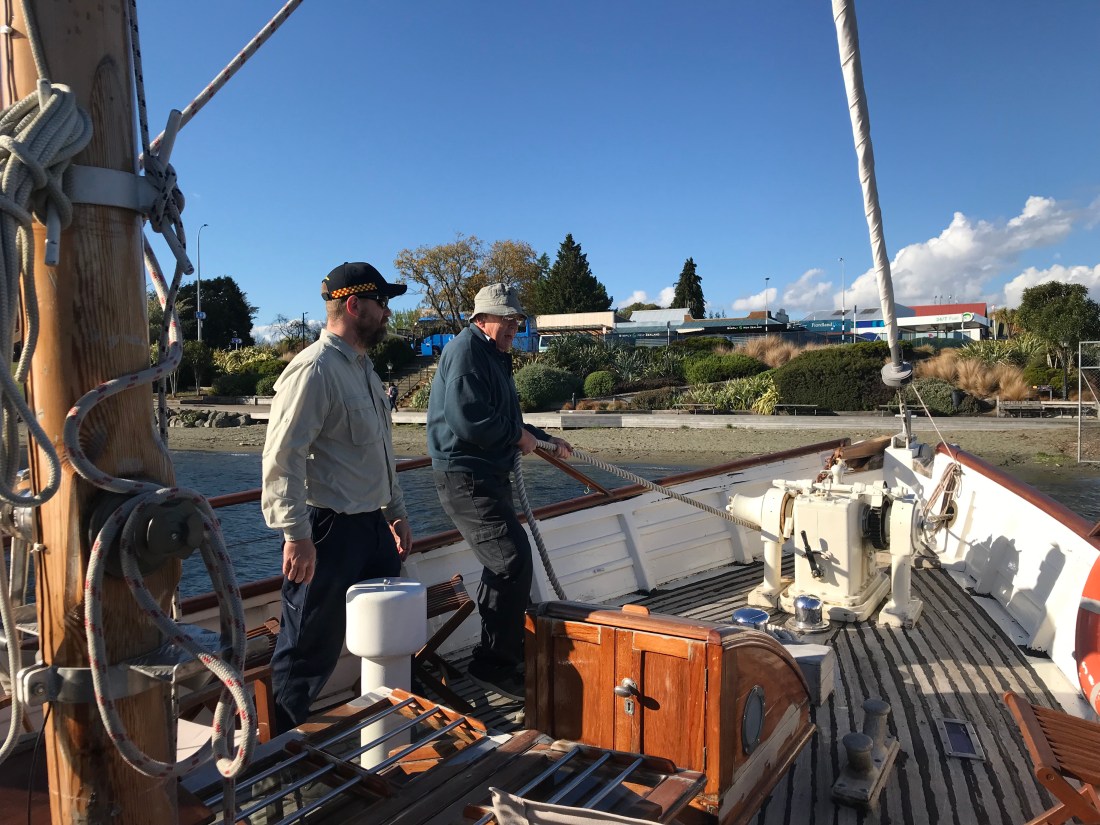
Ken (once a sailor, always a sailor) was in his element! 👆🏼Another great thing about this trip was that anyone could get involved with sailing the boat if they wanted to.

We arrived back with just enough time to catch the last showing of the Fjordland film in the local cinema, a beautifully shot introduction to the region.

The final words of the film were, “as man disappears from sight, the land remains…” which put me in mind of my conversations about climate change.

We dined out splendidly in Te Anau, and the next day after a fullsome breakfast at the lodge and our little impromptu concert, went our separate ways, Ken and Les driving back up to Wellington, and Stu and Tash and I continuing on to the southernmost point of the South Island.

Te Anau

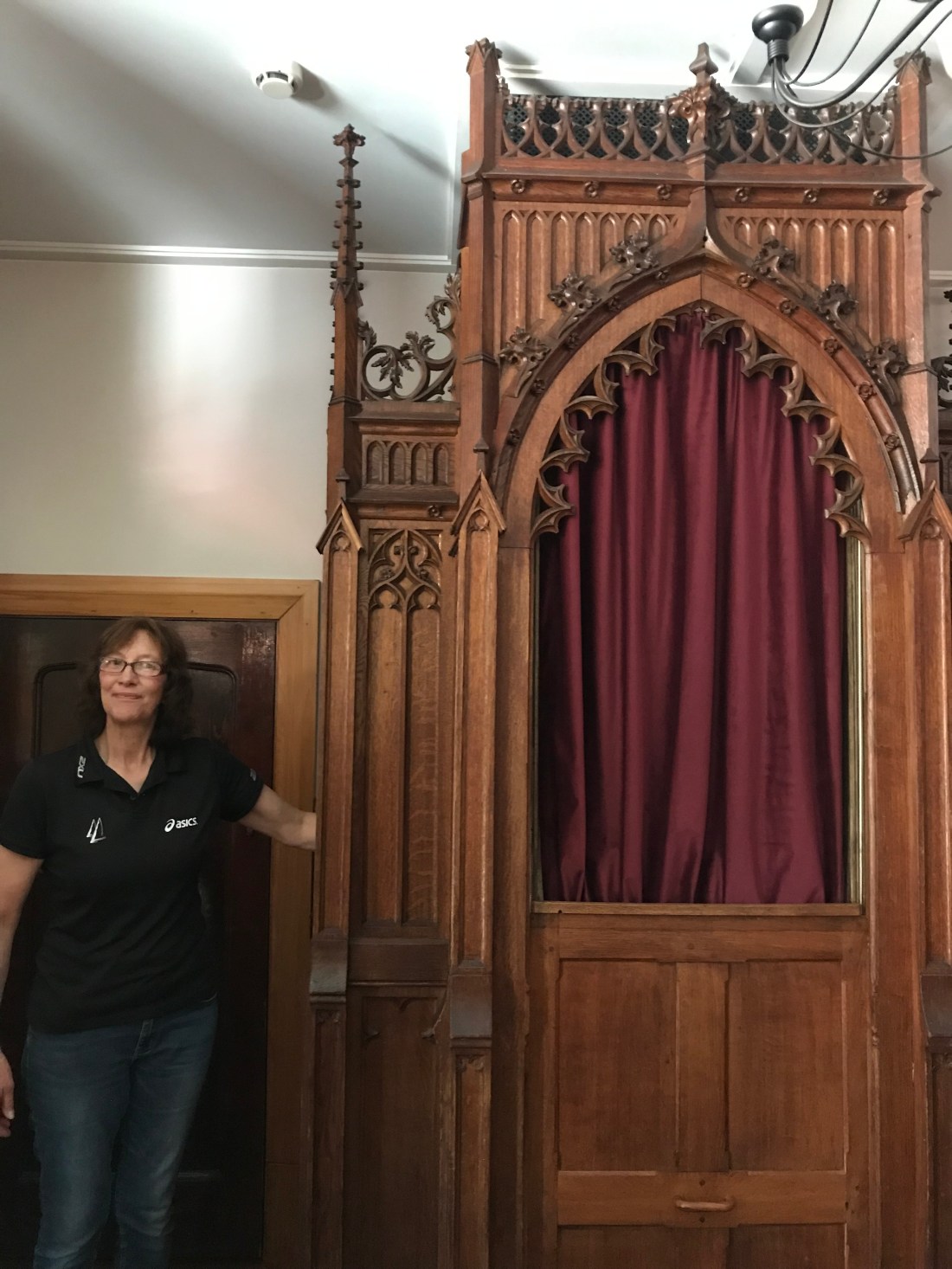
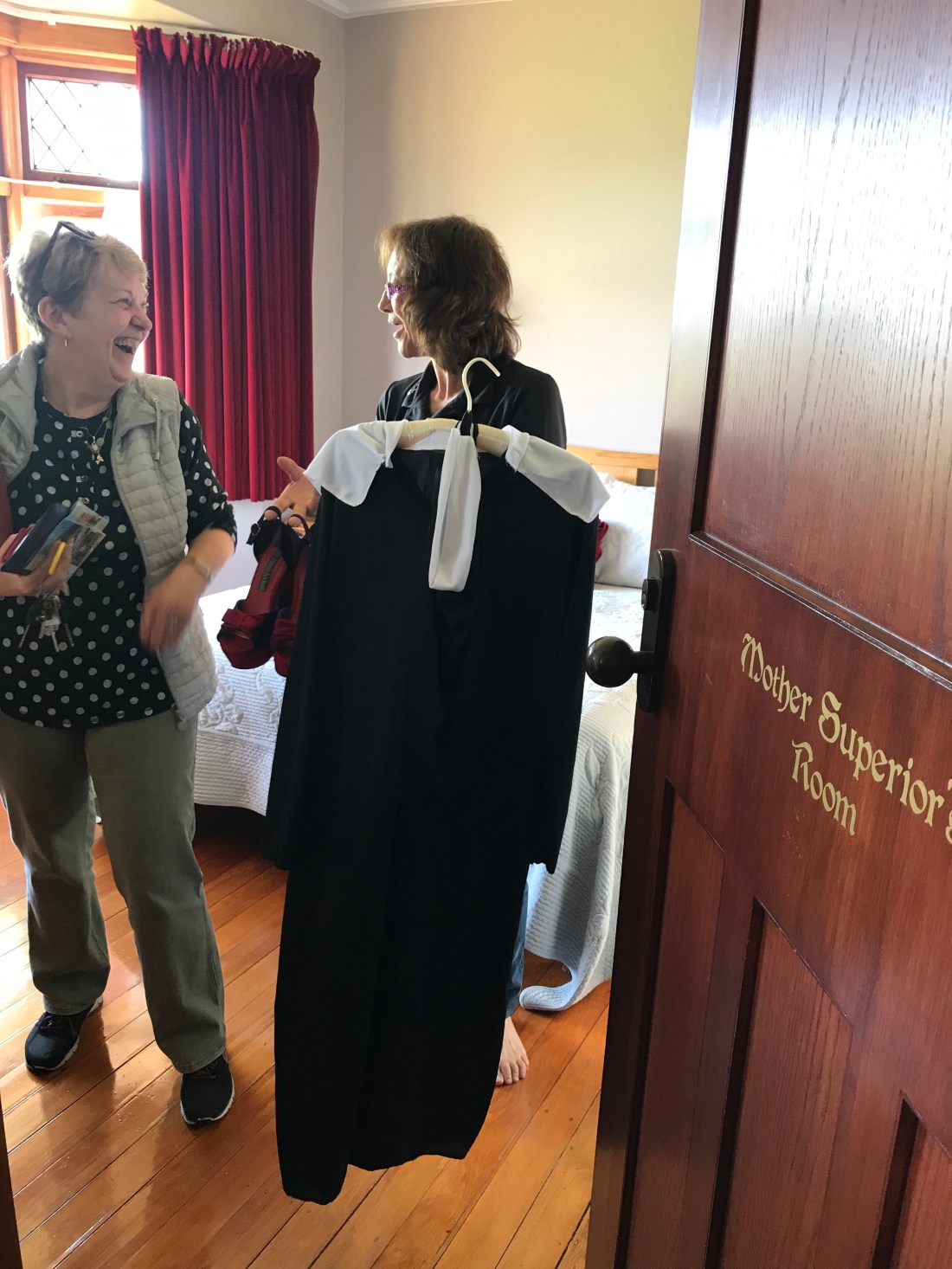
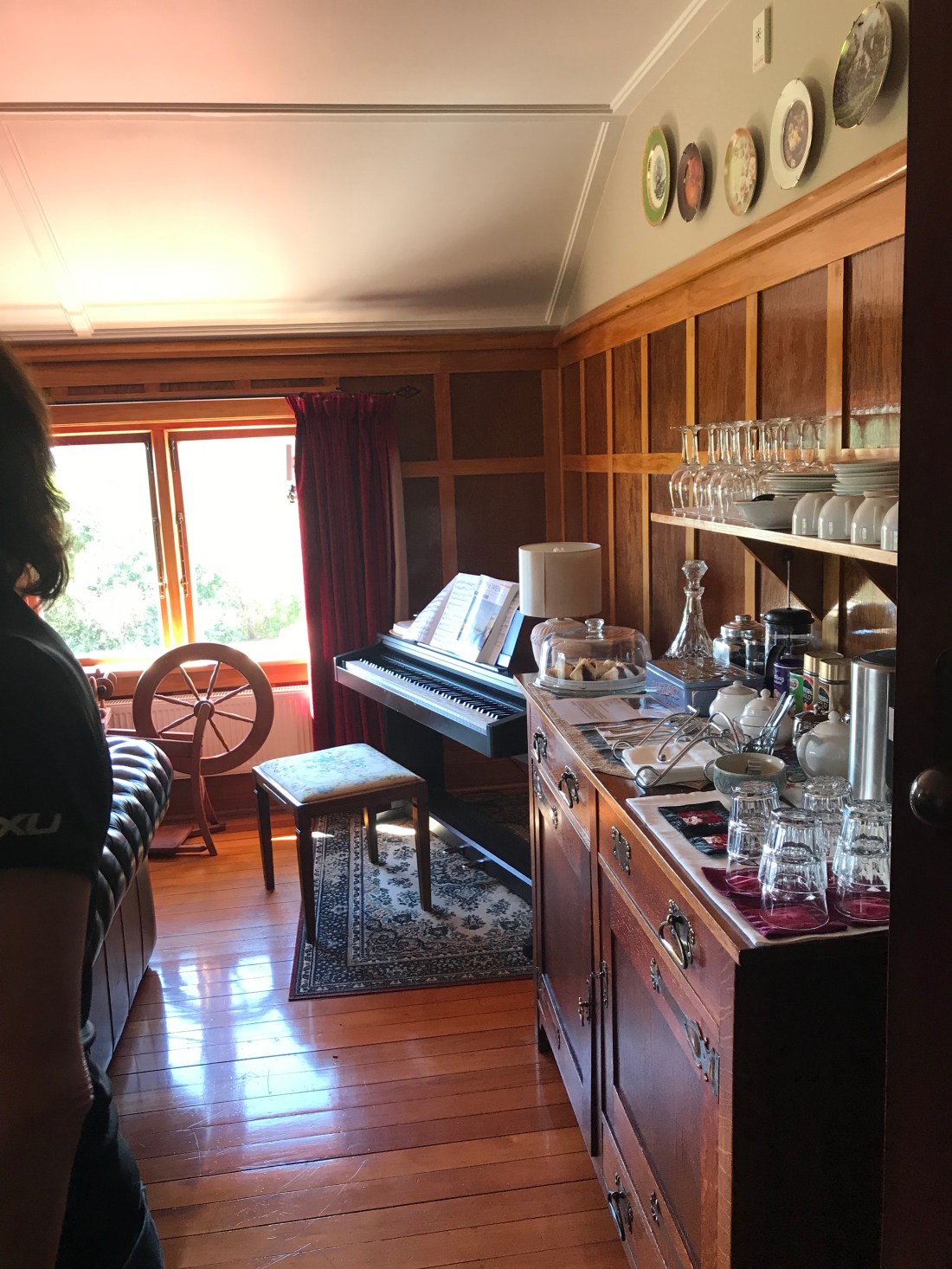
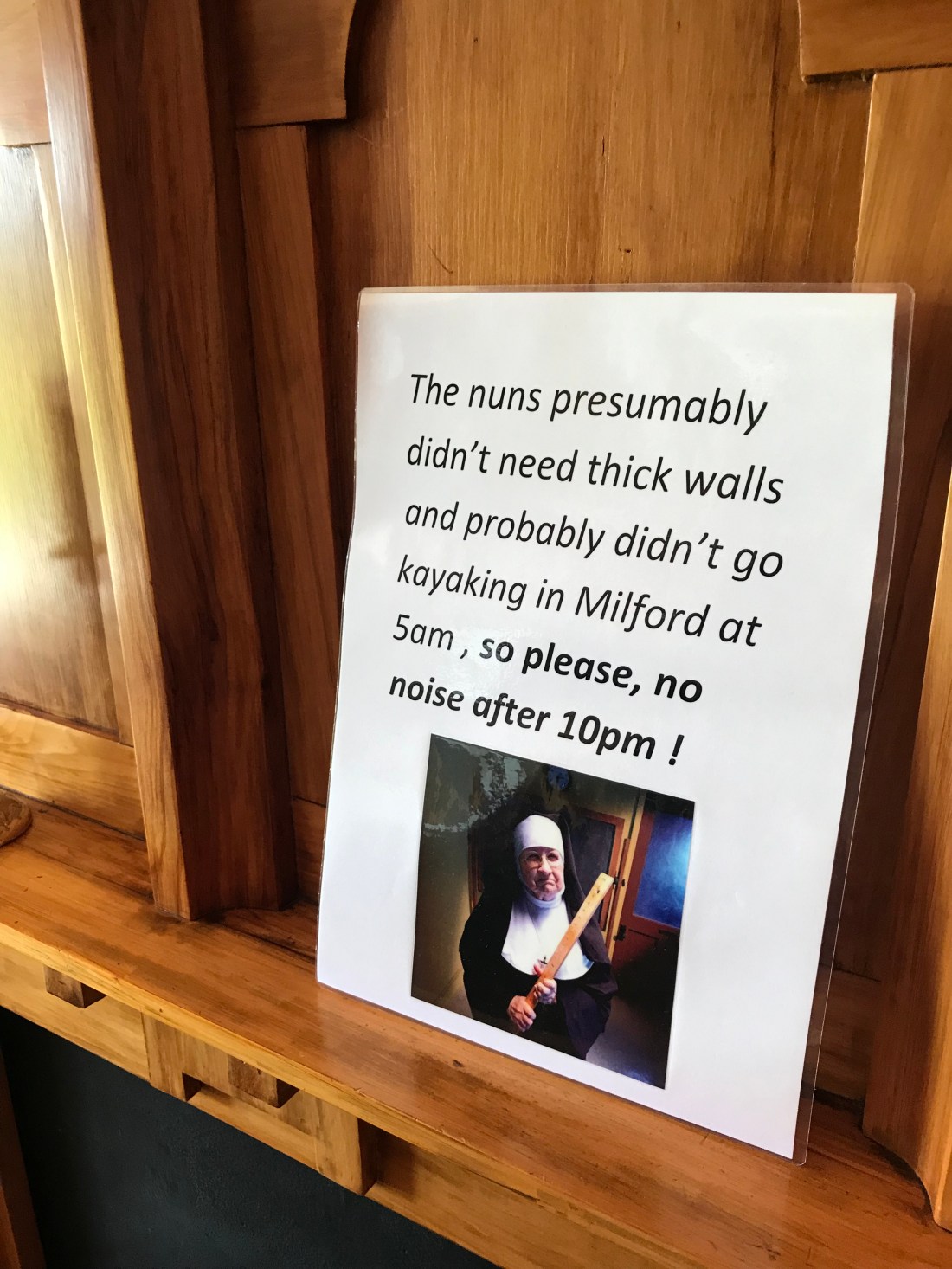
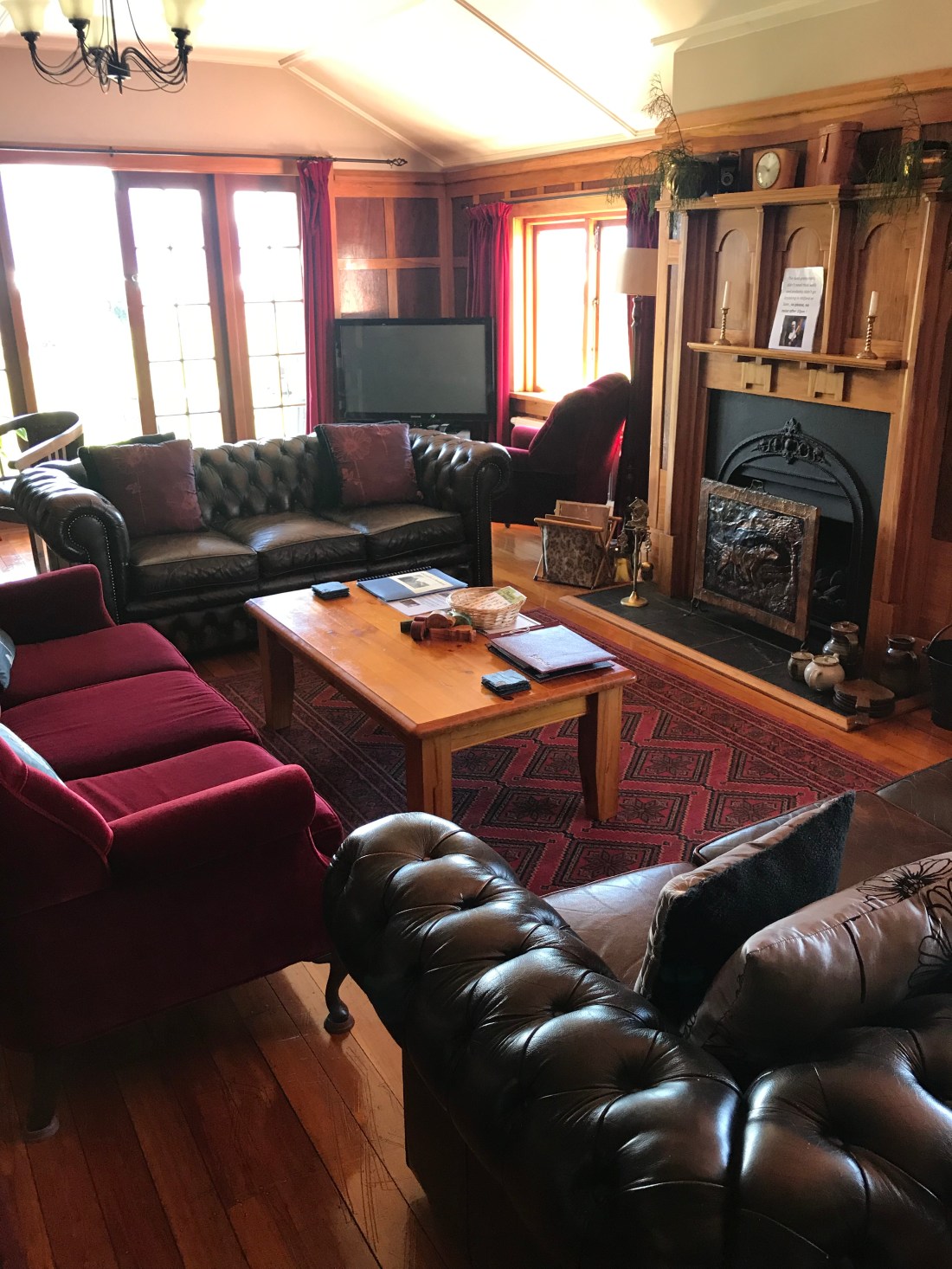
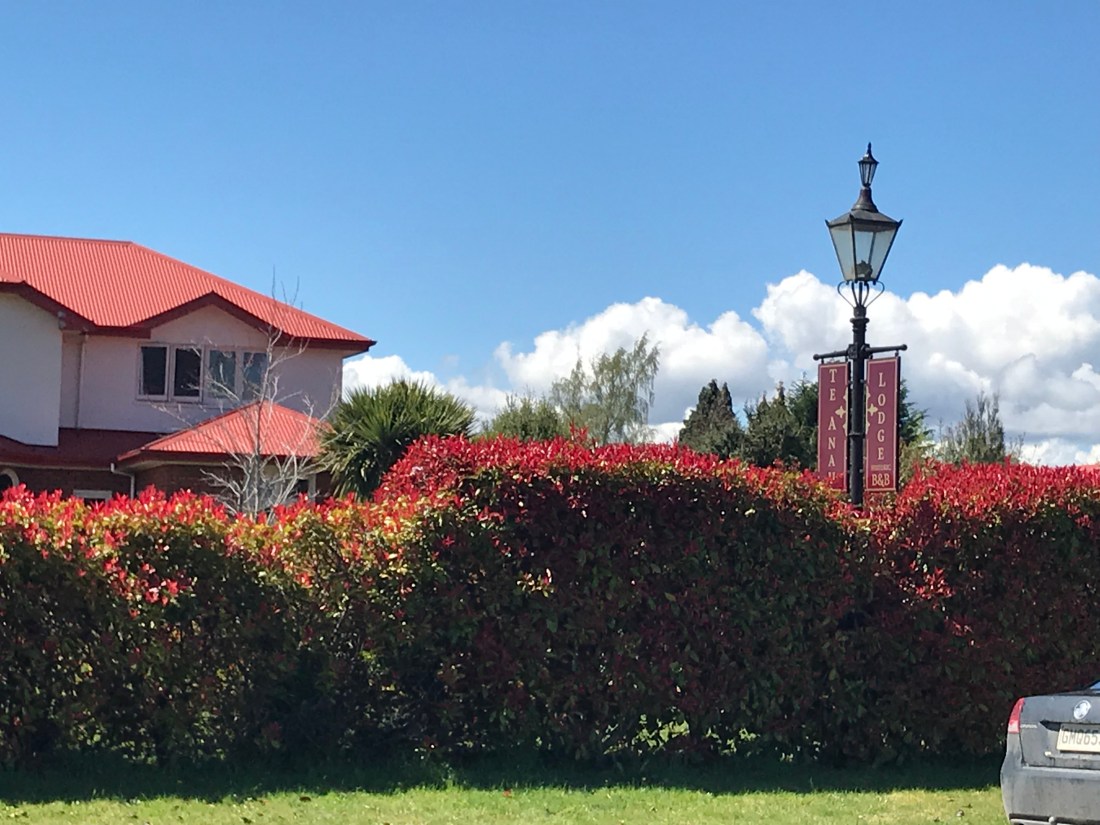
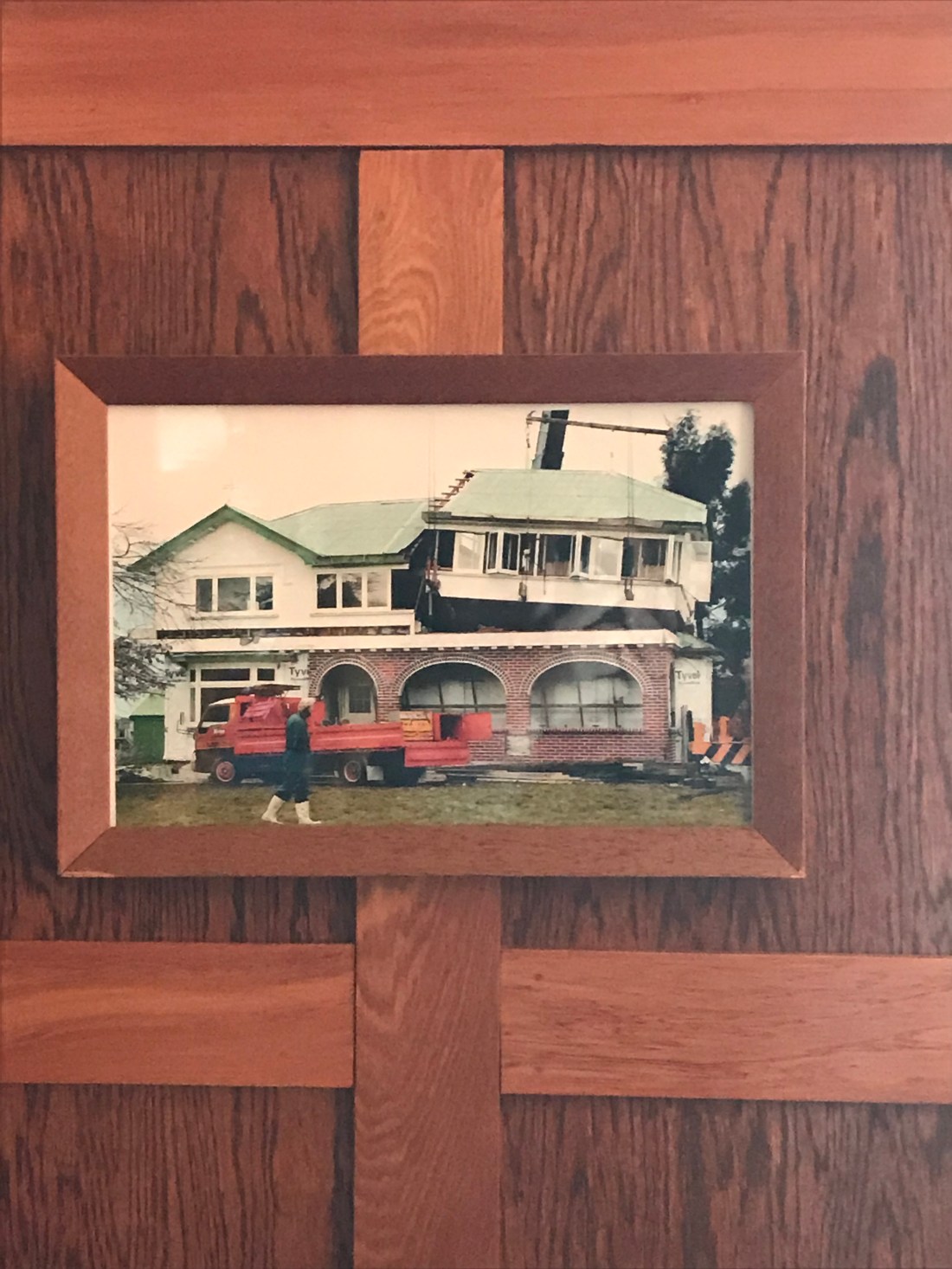
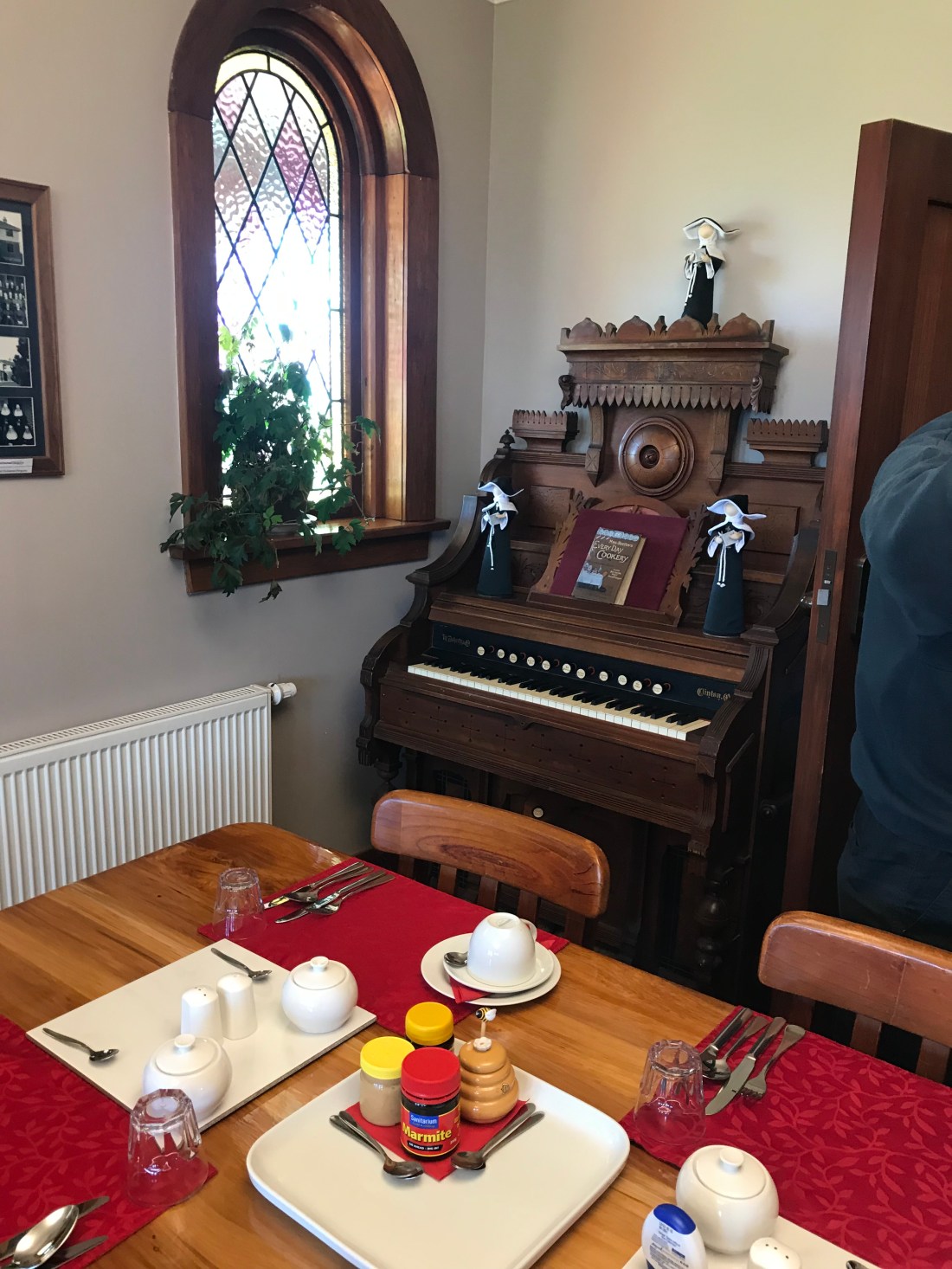
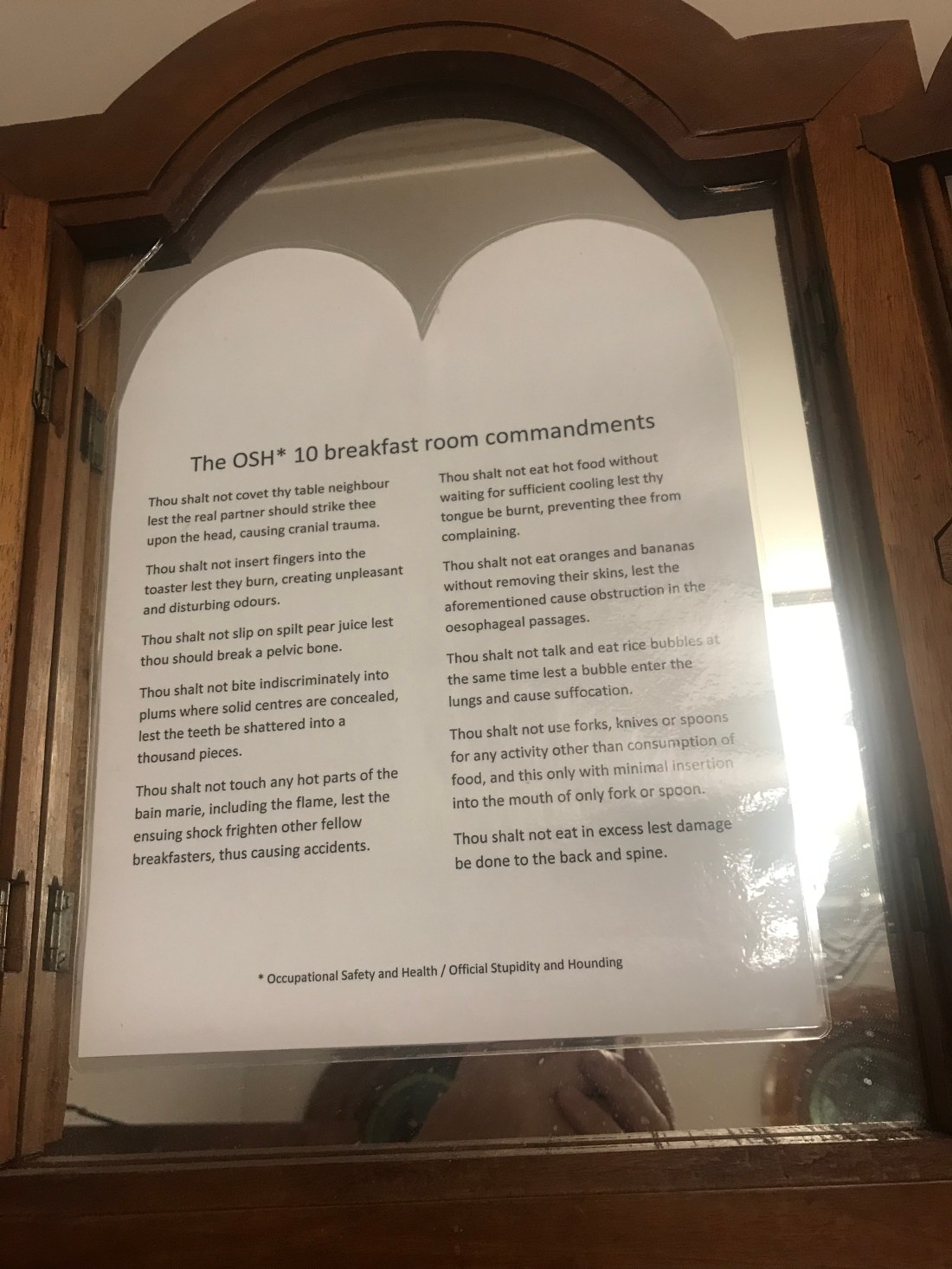
On arriving in Te Anau, we checked into our enterprising lodge for the night, which was a house attached to the Te Anau Lodge, an ex convent, that the owner had bought and moved from its previous location to this happy spot, while retaining a lot of convent furniture (the confessional is now a dumb waiter!), and adding quite a few more period furnishings, along with tongue in cheek “breakfast commandments”, and such like.

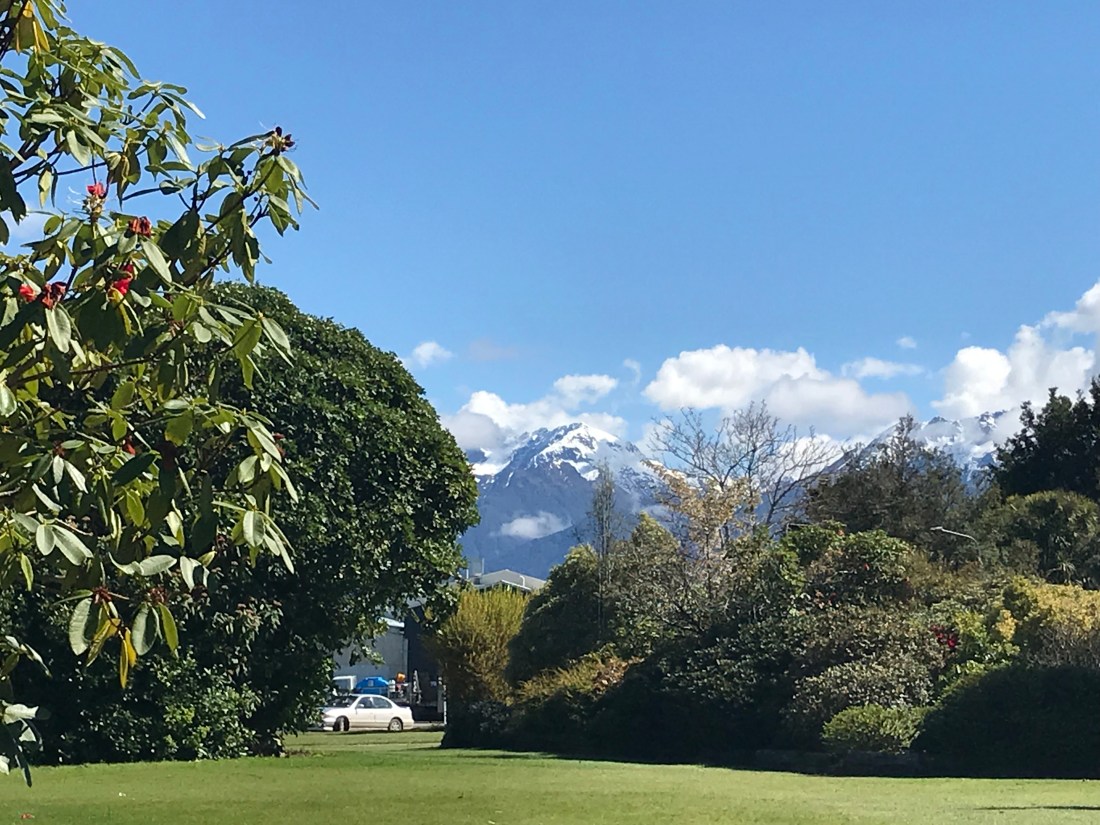
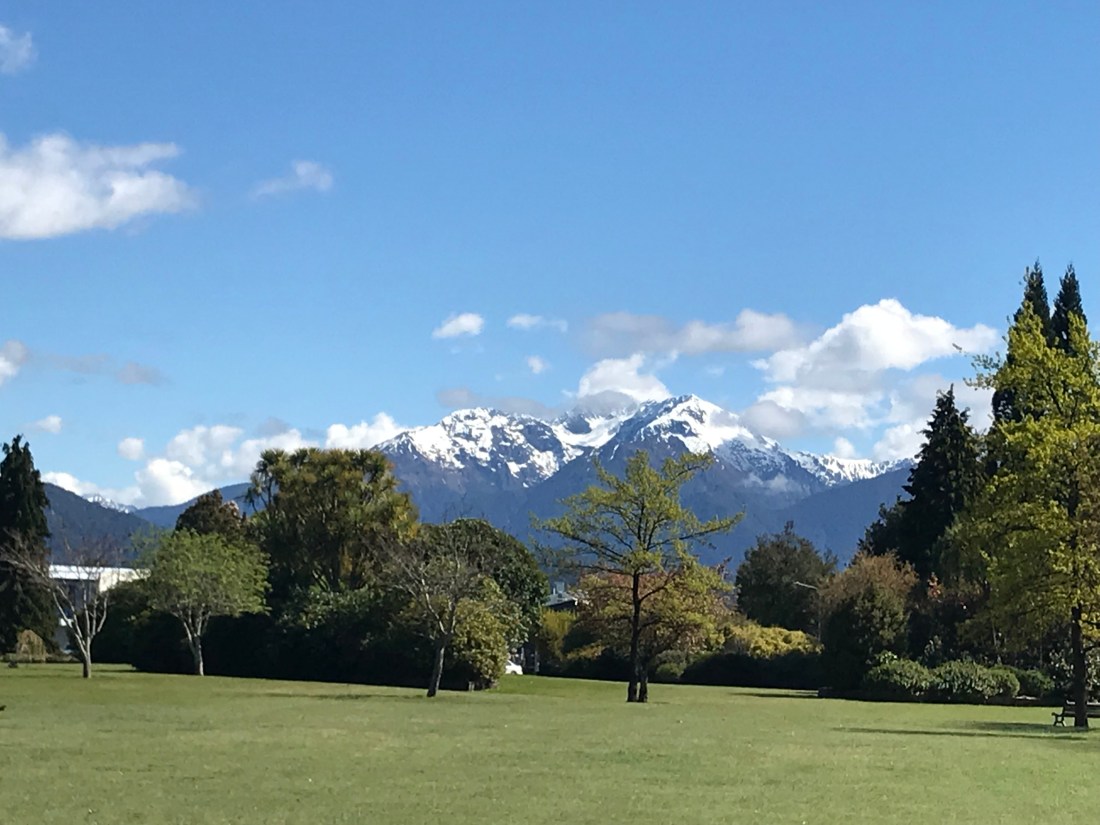
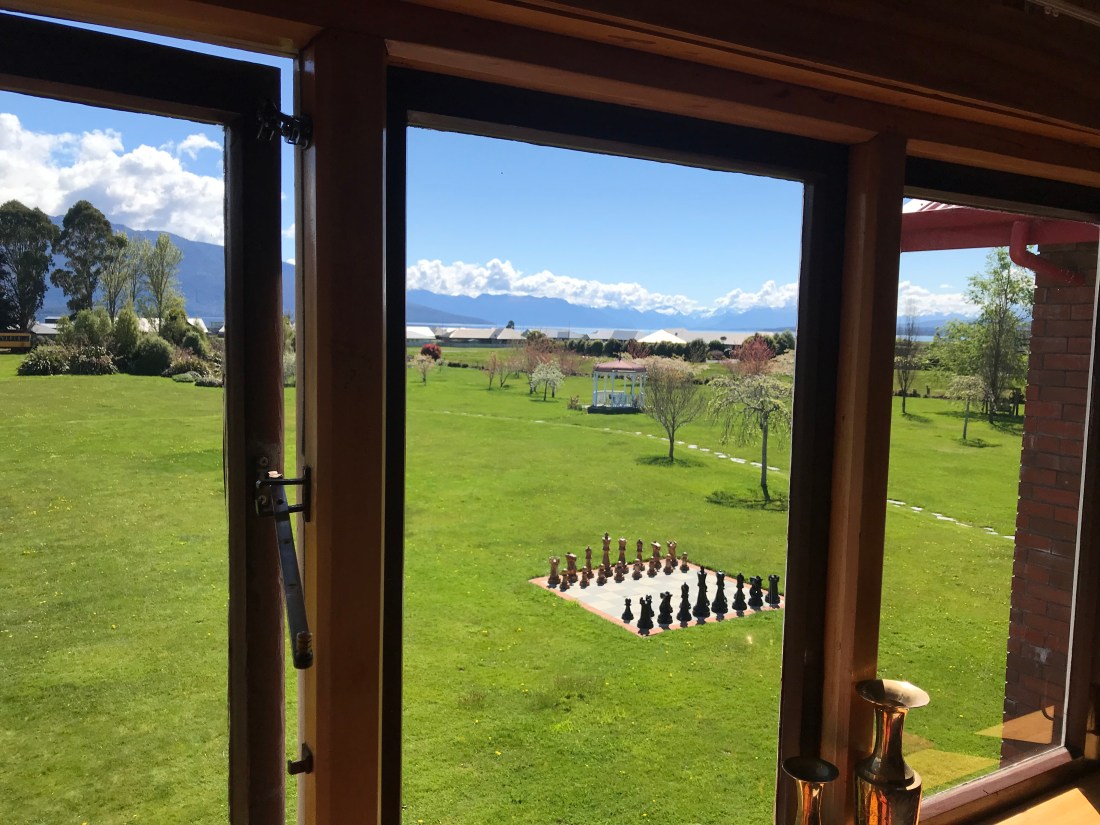
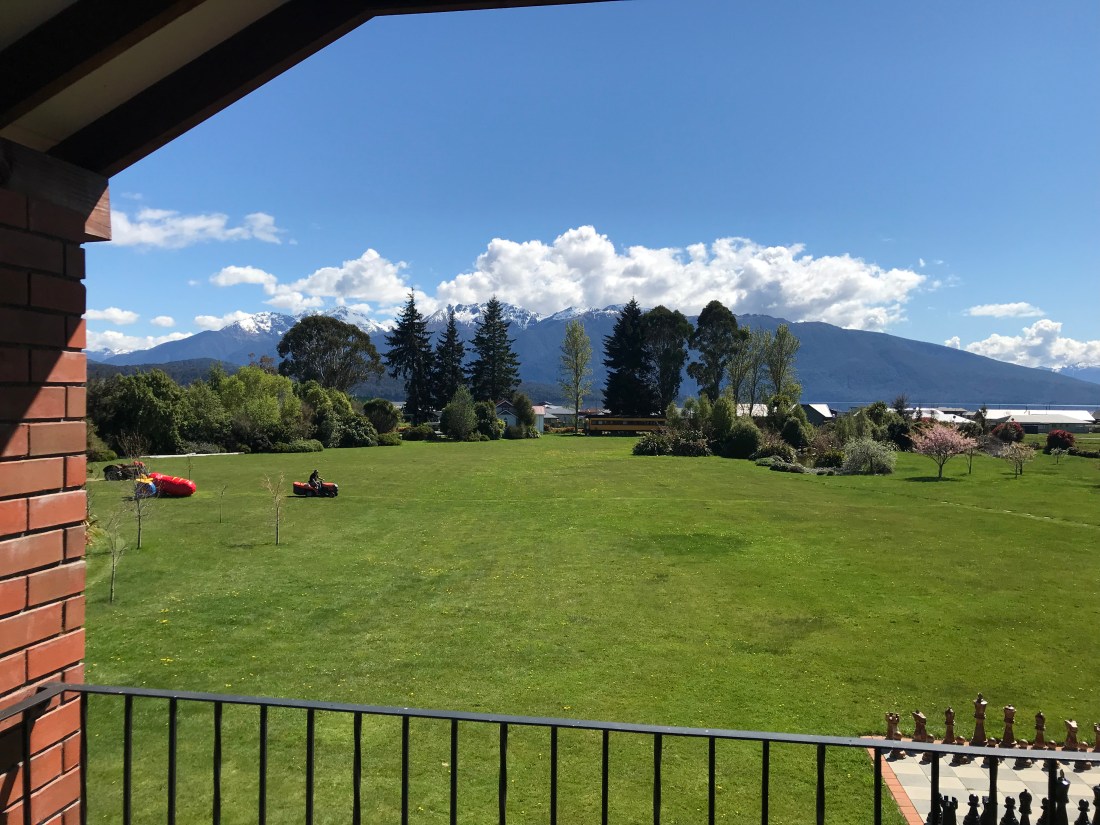
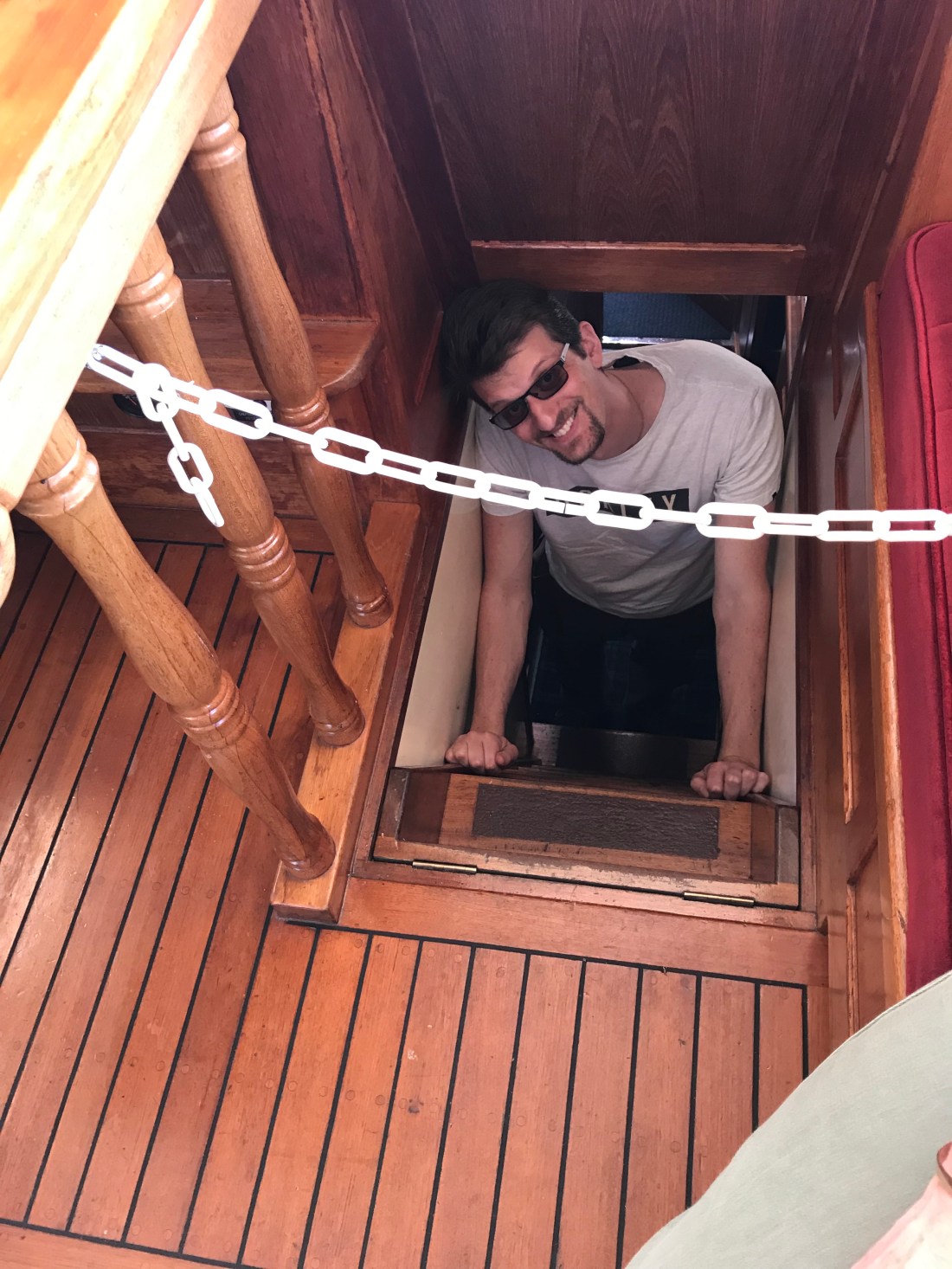
Here are public gardens at Te Anau, surrounded by impressive mountains, and also some pictures of the quirky Te Anau Lodge:
This👇🏼 shows how they managed to transport the convent in quarters on the back of a lorry! In New Zealand it’s quite normal to transport your entire house somewhere else on the back of a lorry. I’m not sure many people do it with such a big place though. The mind boggles!

A musical interlude…

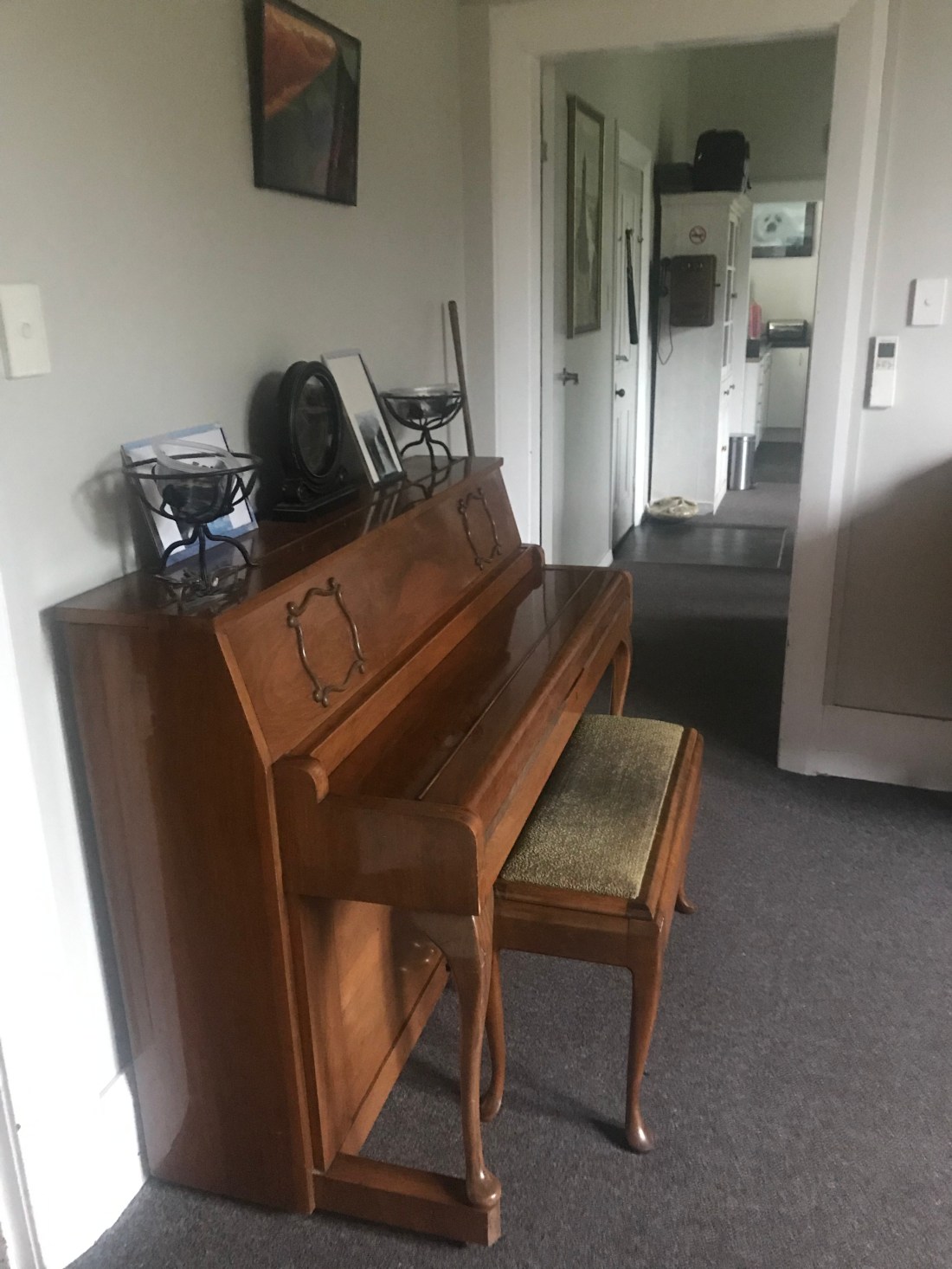
The enterprising owner of this establishment is Mark, who, on hearing I played the piano, encouraged me to have a go on the piano in the house where we were staying.

We told him we were going on a boat trip on the lake the next day, which delighted him, as he’s great friends with George, who owns the boat and runs the trips, and whose previous house we were staying in, and whose piano it was (George used to manage the lodge for Mark before he retired, bought the boat and started running the trips).

When we got to the boat trip, George already knew about us. Word travels fast in these quiet places! He made me promise to play four big tunes on his piano. I wished I’d brought my music on this leg of my journey (mental note: always bring music, as you never know, and sometimes opportunities come very unexpectedly as they did in France as well).

Anyway, so I played what I could remember and then it emerged that Mark is really a very good violinist, who has professional musician friends who come down to Te Anau every couple of years for a baroque festival that he organises! Before we left Te Anau the next morning, he managed to print off the music to a fiendishly difficult of music (Praeludium & Allegro by the virtuouso violinist Fritz Kreisler) that I remember playing years ago with a school friend who is an excellent violinist. Although neither of us had played it for decades, we had a go at it together, and it was lovely to play together and to hear this wonderful music again after so long.

If you’re lucky enough to get the opportunity to visit this part of the world, we strongly recommend Te Anau Lodge and also the boat trip by Faith in Fijordland too. You’ll see why…

Back to NZ: The Mirror Lakes

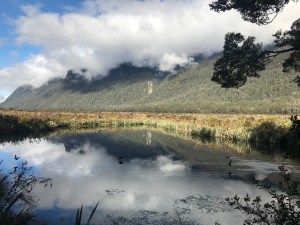
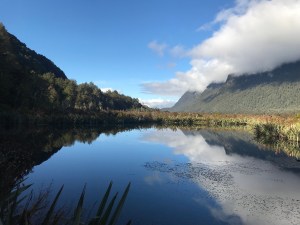
We left Knobs Flat, stopping off to admire the “Mirror Lakes” (ox bow lakes formed by the meanders of the river eventually becoming so twisty that little lakes end up cut off where the bends were – I remember that from my school geography lessons about glaciation) en route back to Te Anau.

Here are the Mirror Lakes in all their glory:

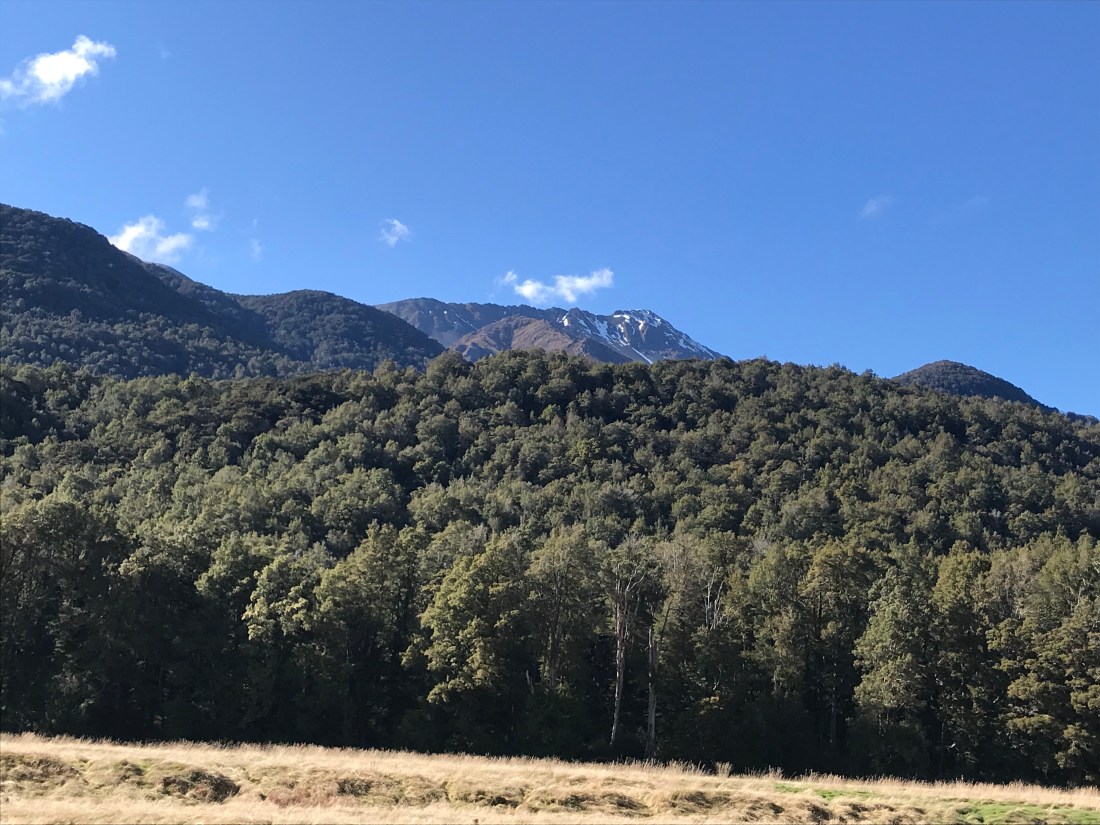
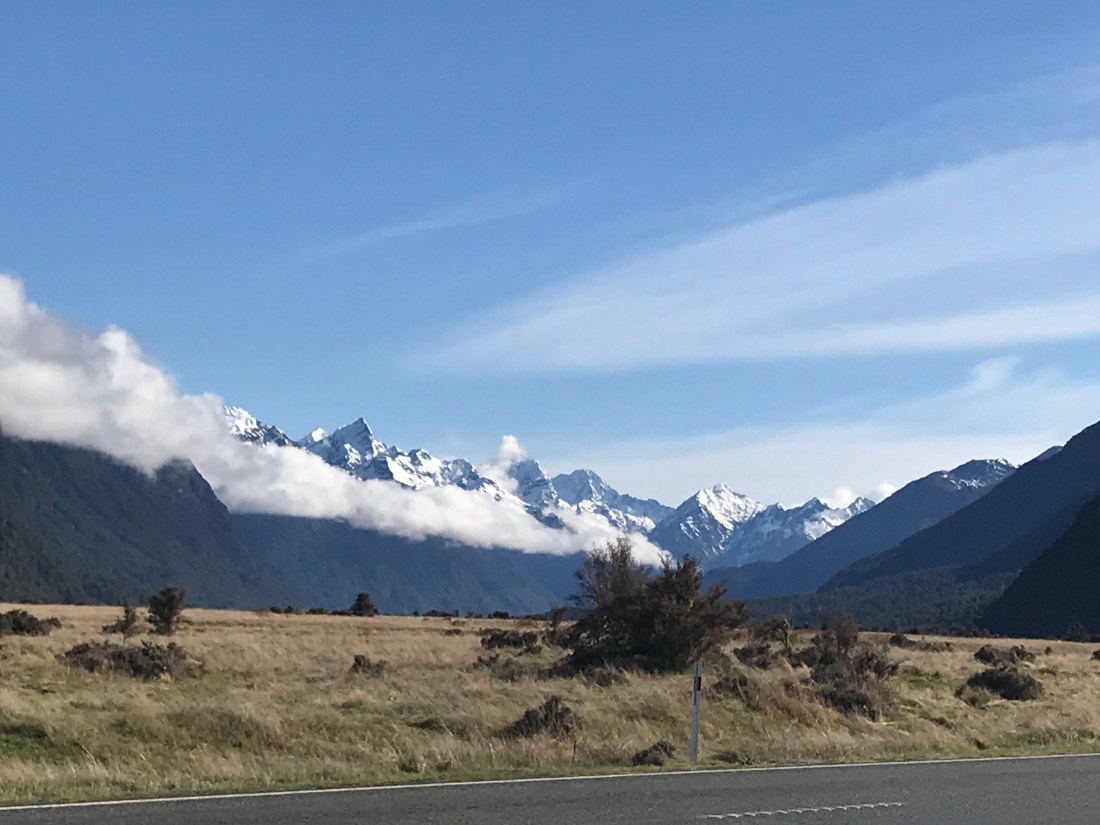
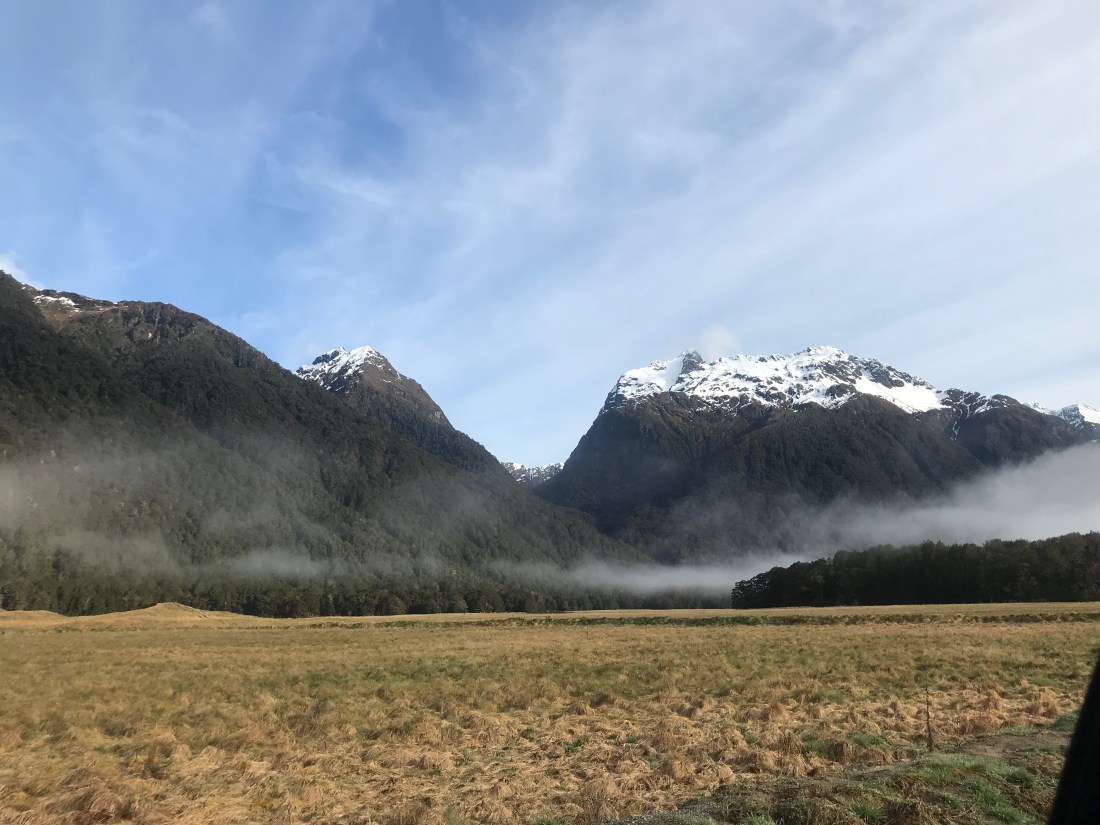
On our way back to Te Anau, we couldn’t resist stopping in a lay-by or two where we’d stopped two days before, seeing the altered views with the clearer weather:

Another Retro Post: Pseudo Thanksgiving, California style

This is a super retro post, which I thought I might as well do while I’m being retro. While I was with my brother and sister in law in California, they invited some friends over for an early kind of US thanksgiving type dinner. It was great to meet all these people and we had many interesting conversations about silence (inspired by the fact that my travel plans include a visit to my Swiss friend Delia, who has become a nun recently), about travel and experiences of emigration, about work, jobs and the cost of living. We also had a laugh and a lot of great food and drink. Which was a great thing! Good times thanks everyone. 😊

Retro post: Onwards and Upwards

I’m having some problems with WordPress at the moment delaying my uploads. In the course of trying to fix them, I saw this post from 12th Oct was never published! From halfway down the North Island of New Zealand…

I hadn’t appreciated that the North Island has mountain ranges as well as the South Island. We drove south around the enormous Lake Taupo, stopping for a delicious lunch of fish and chips made with fresh snapper. Stuffed to the gills, we drove further around the lake and then up to skirted the edge of Mount Ruapehu, the highest mountain in the North Island, made famous as Mount Doom in The Lord of the Rings films. It wasn’t long before we had climbed above the snow line. Incredibly, for anyone not familiar with mountainous regions, this colossal mountain was more or less invisible due to the low cloud, as the snow fell. This👇🏼was the most I could see of any mountain, and I don’t think this one was Ruapehu!

A very palatial looking café and hotel appeared out of the mist some way up, with about 10 snowmen that had been constructed (no doubt by kids on school holidays) on the lawn in front of it.

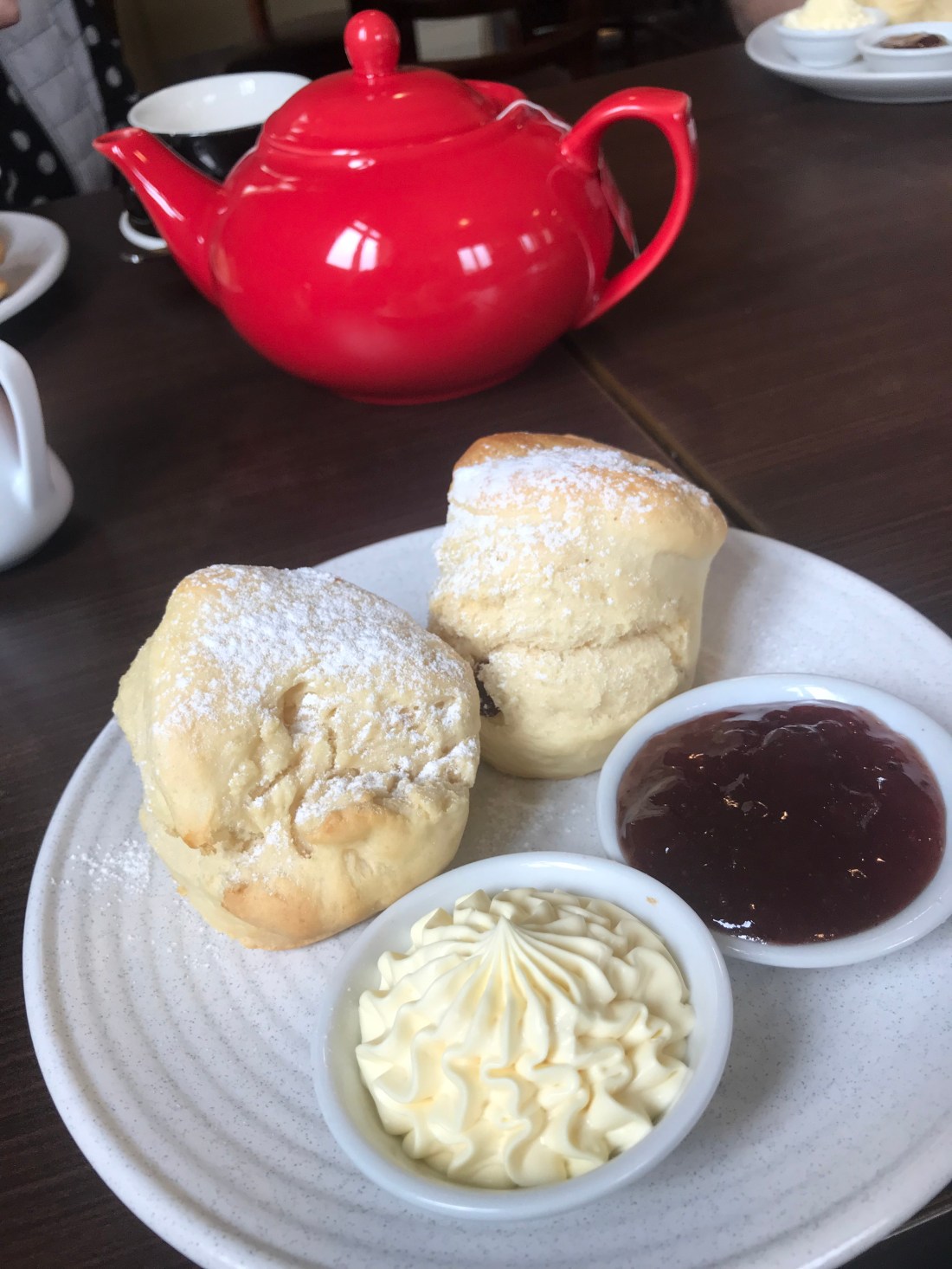
We sought warmth, a refuge and a cup of tea in the café, and through a short series of miscommunications with the very keen and attentive waitress, inadvertently ended up with a delicious cream tea each! We thought we were full, but where there’s a will, there’s a way! Don’t mind if I do… 😋 We had the usual cream or jam first debate, and the do you call it a “scon” or “scohne”. I pulled the “I’m from Dorset and that’s a darn sight nearer Devon than anyone else” card, so to my mind won. Of course, my uncle was also born and bred in Dorset, but he’s lived in NZ for over thirty years, which has clearly messed with his memory of how these things should be. I’ll leave it to readers to continue those time honoured debates. The main lesson being, when the universe offers you such delights, you should make jolly sure you enjoy them.

On the Milford Road

Apologies – I’ve just realised this post should’ve come before the Milford Sound one! Hmmm if I can rejig them I will!…

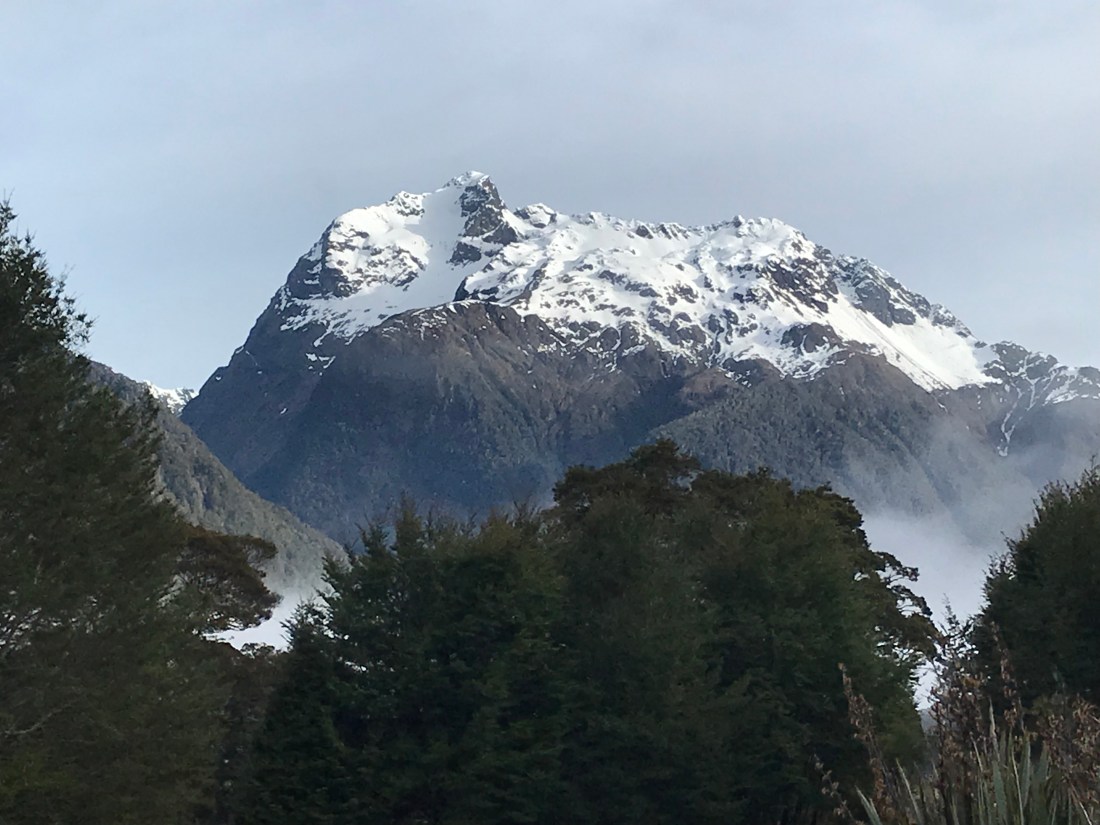
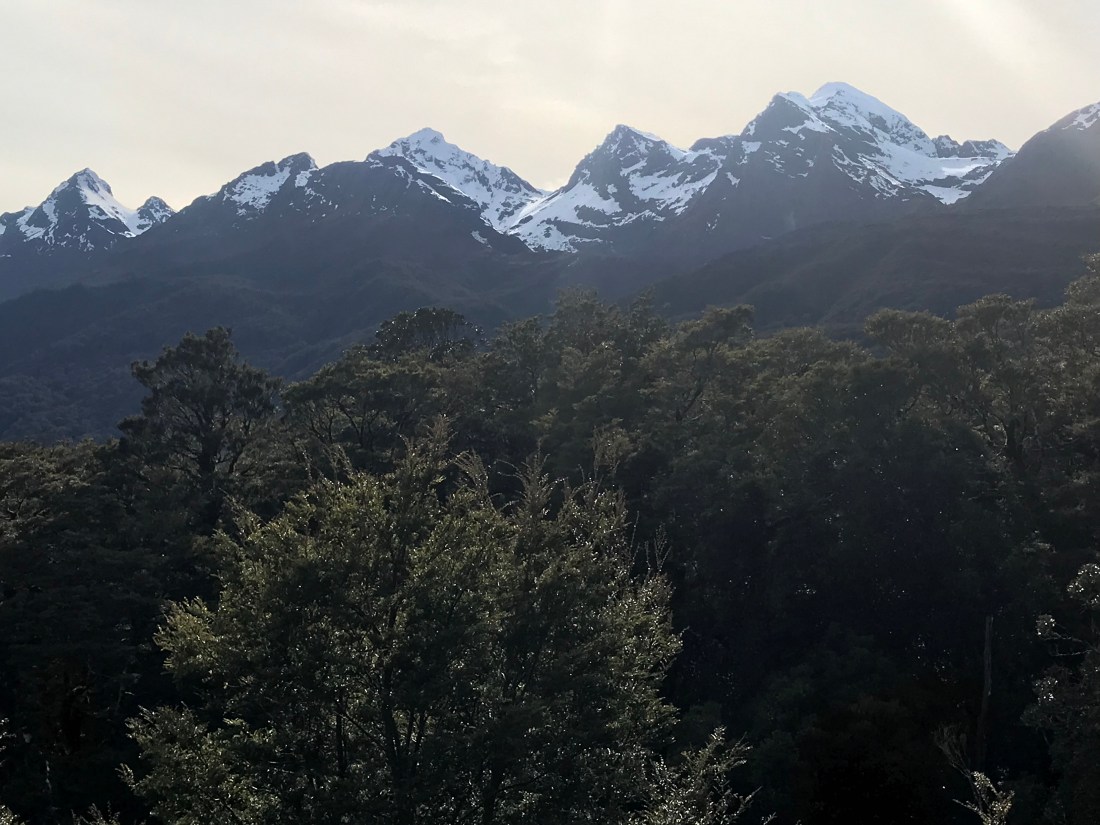
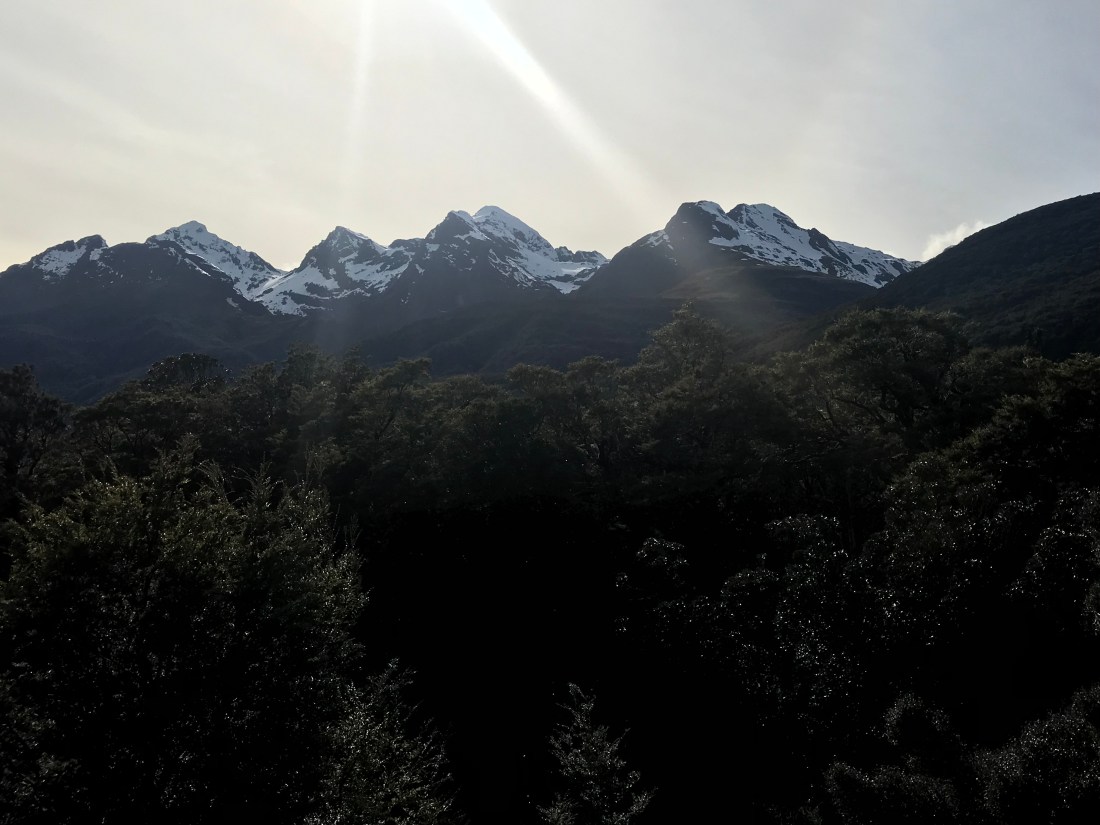
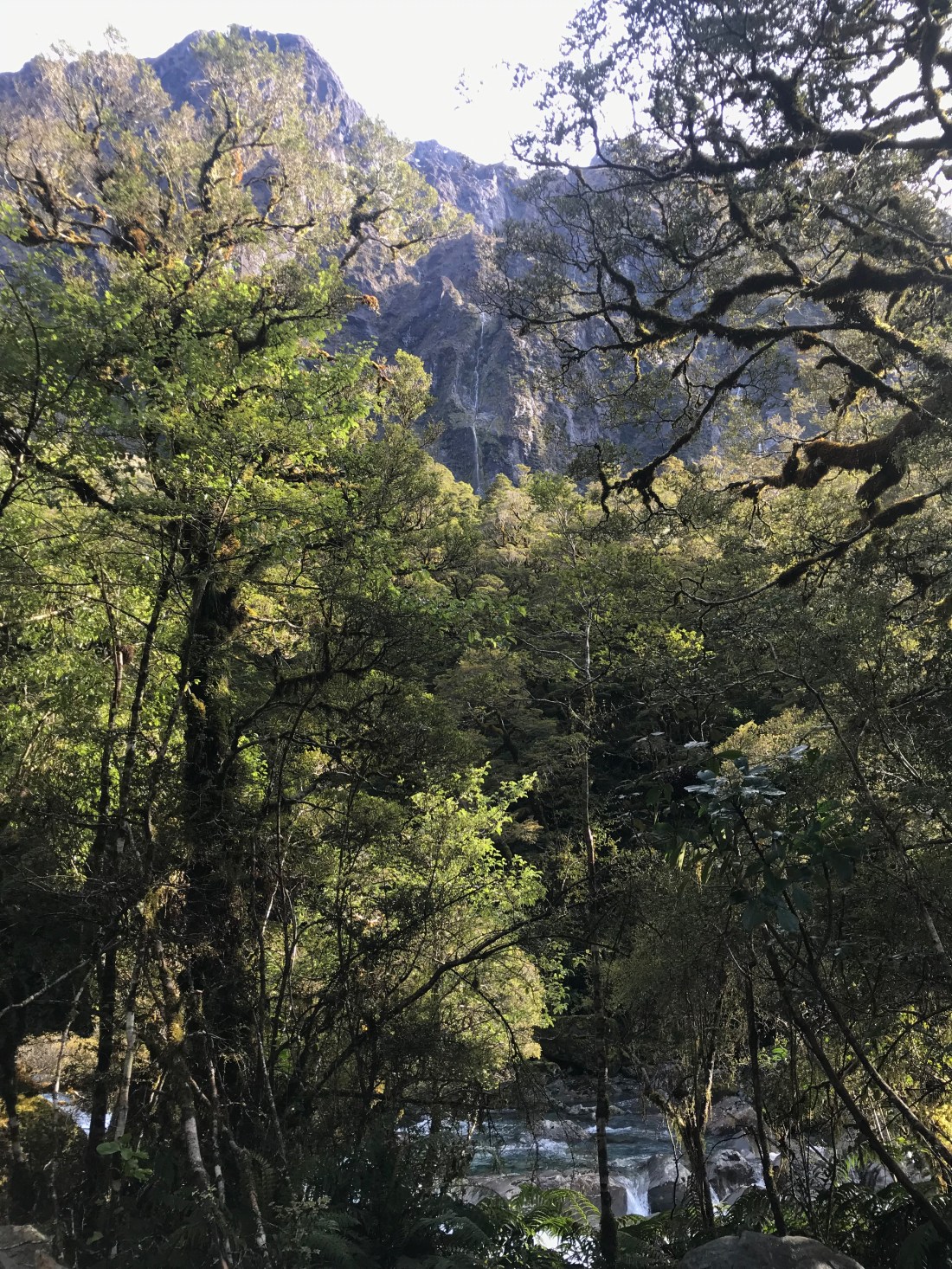
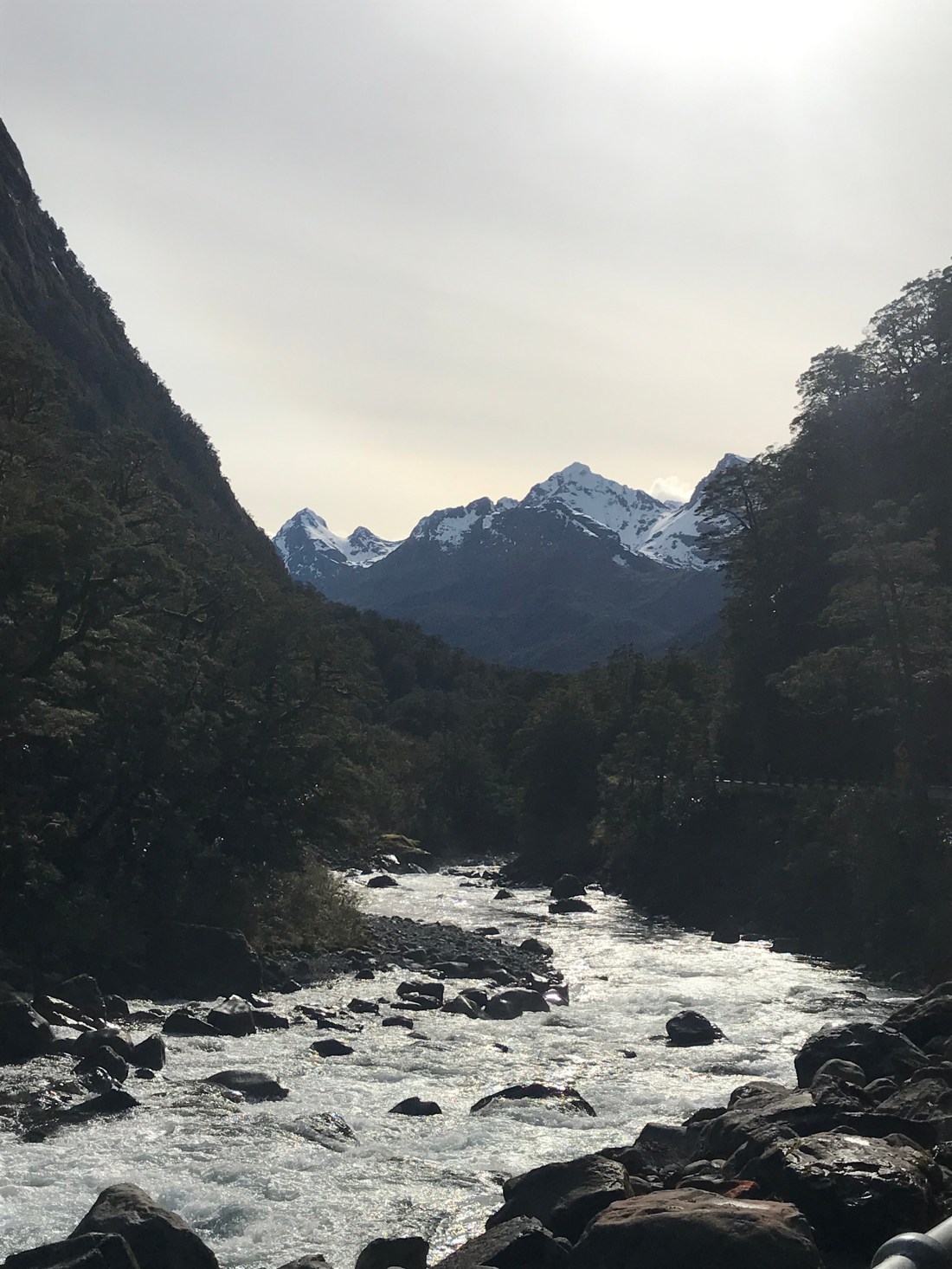
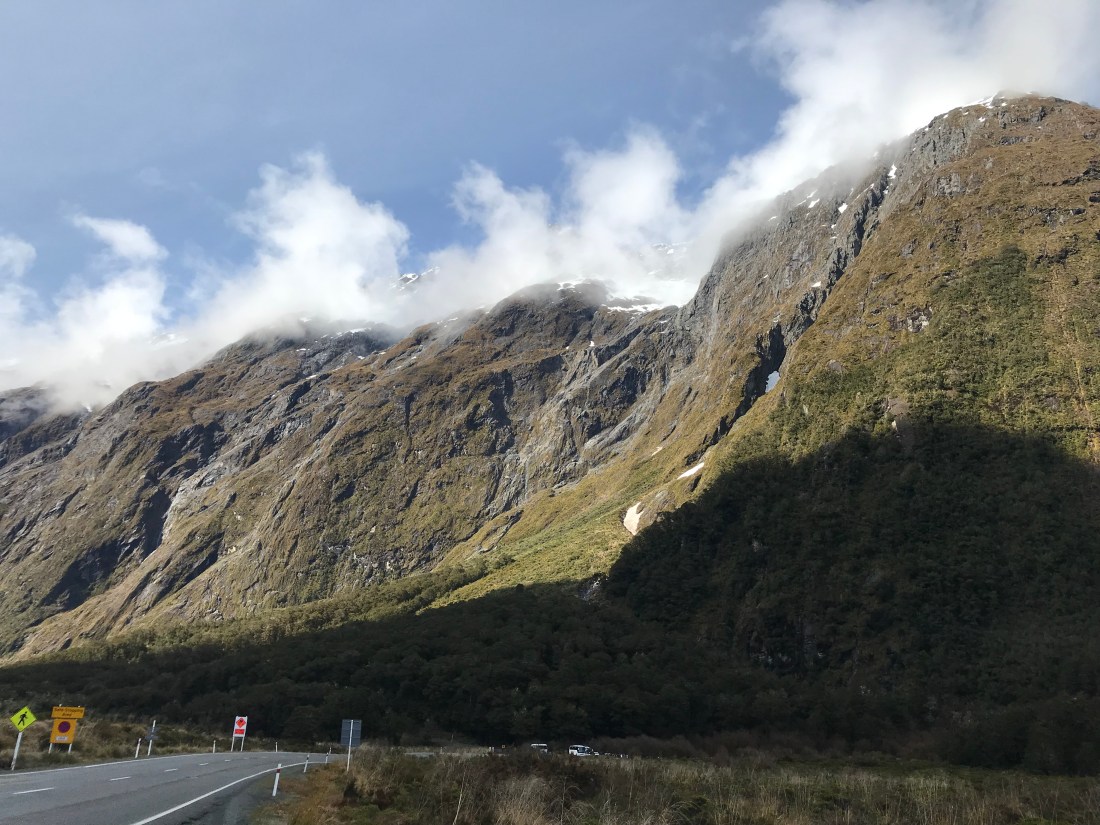
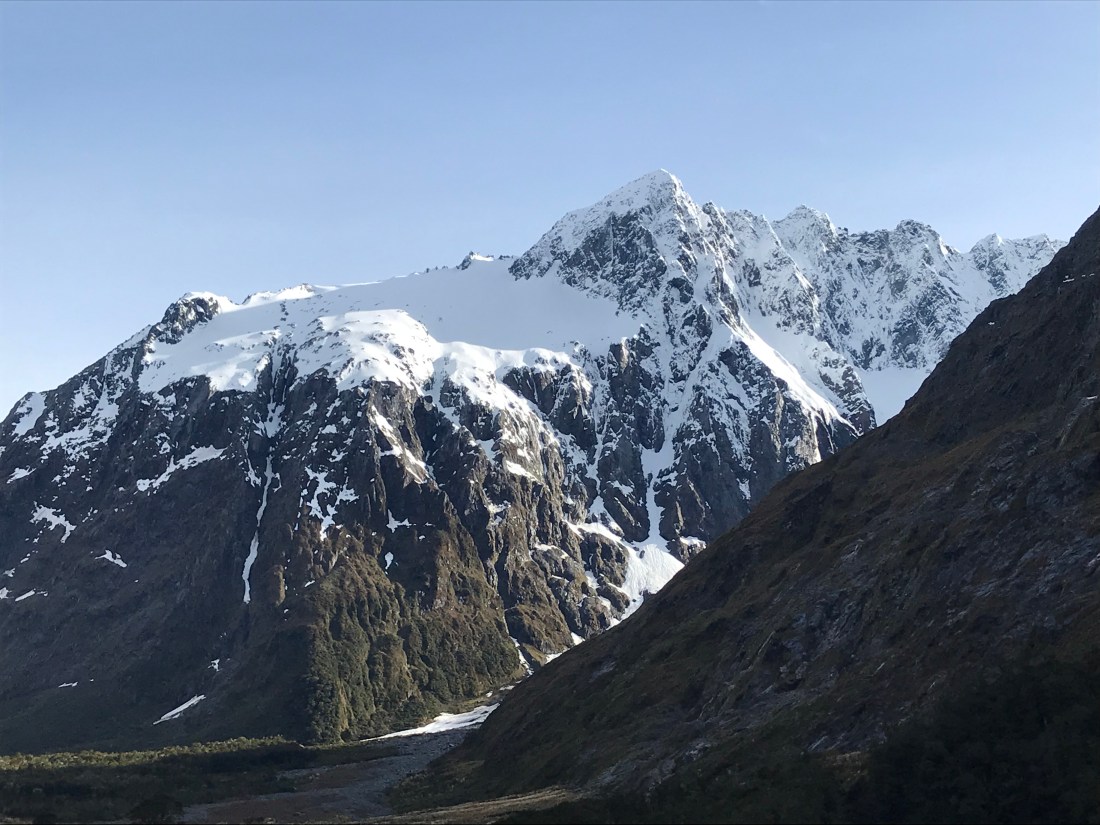
We awoke to gloriously sunny and clear weather and more stupendous views:
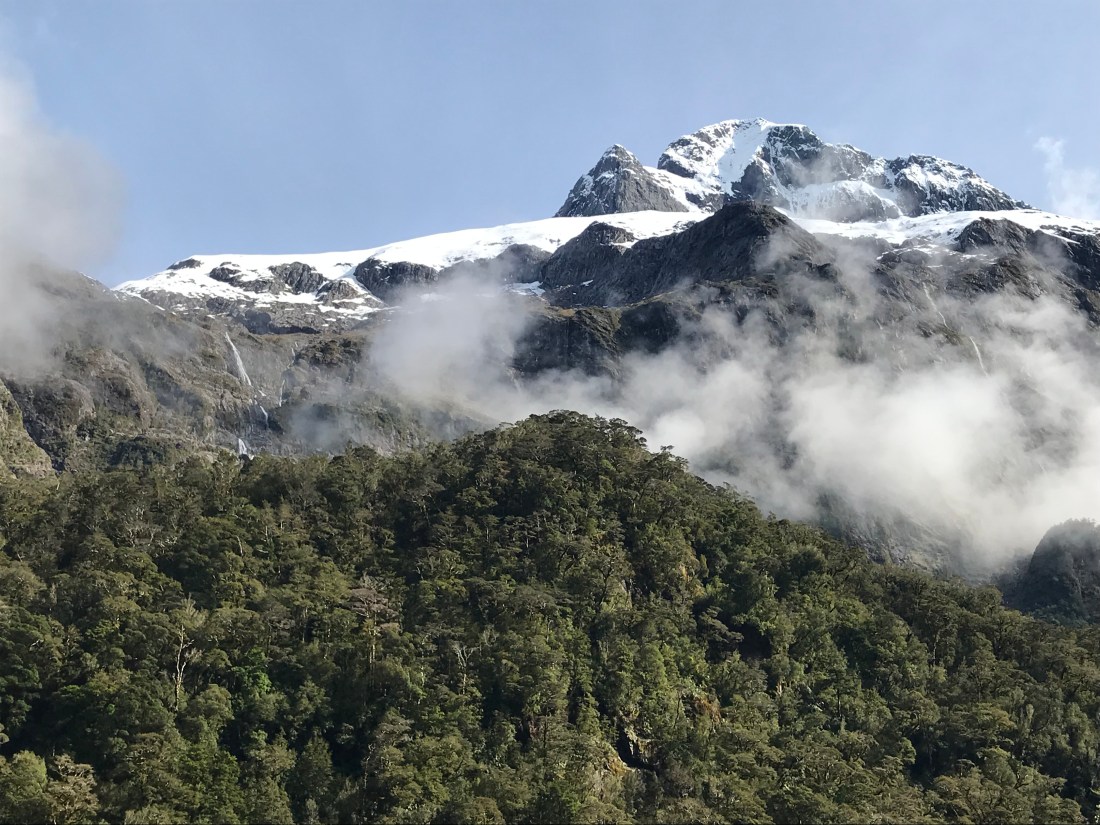
We drove on and as the landscape kept changing, opening out into wide valleys framed by mountains, then narrowing into forested areas, we passed a sign saying “Latitude 45 degrees South”. The temperature was getting appreciably cooler although in the truck it was easy to not notice how we were climbing until my ears popped.

Near Lake Gunn I finally managed to capture a tui singing:
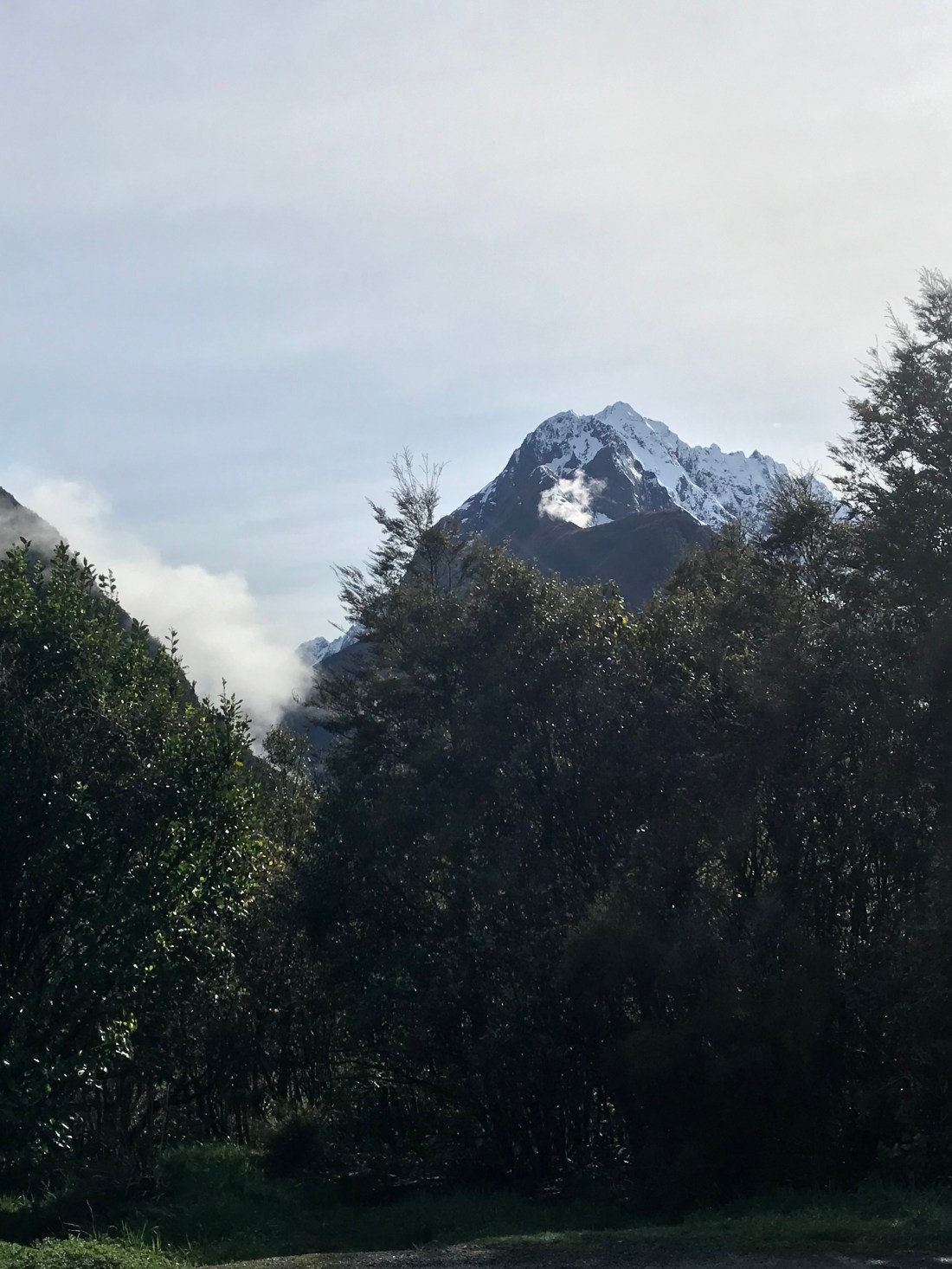
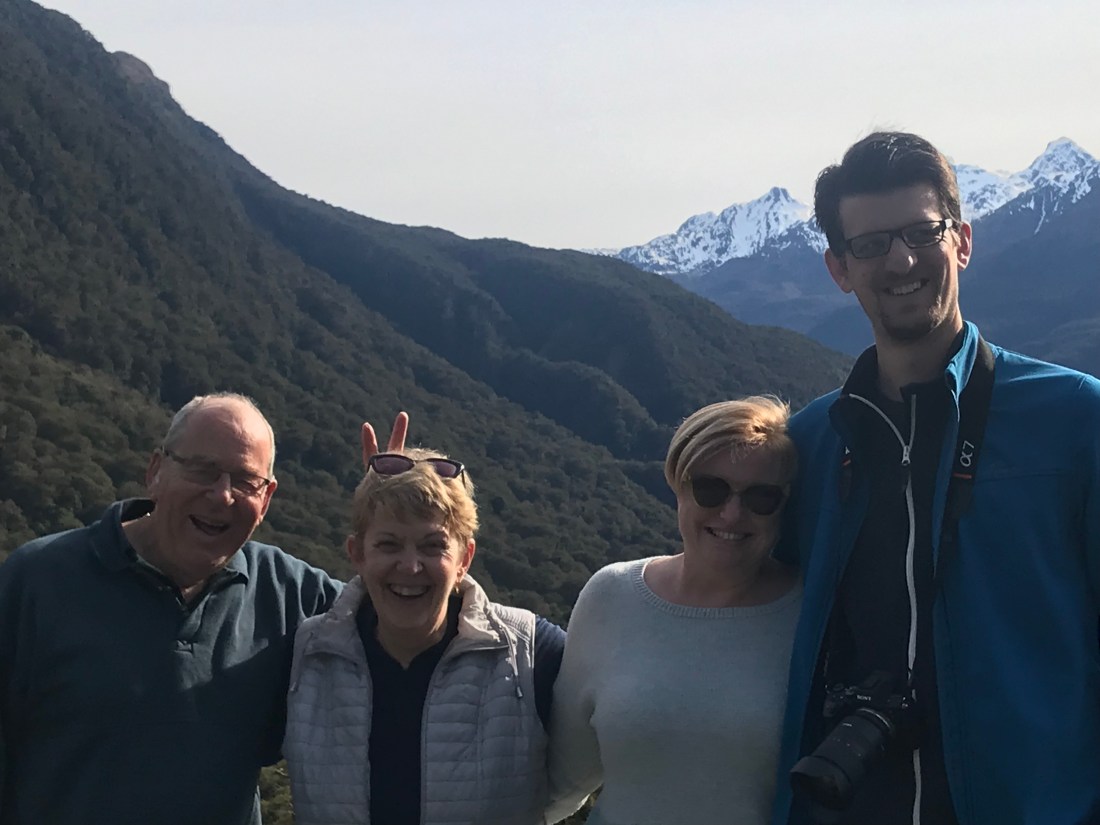
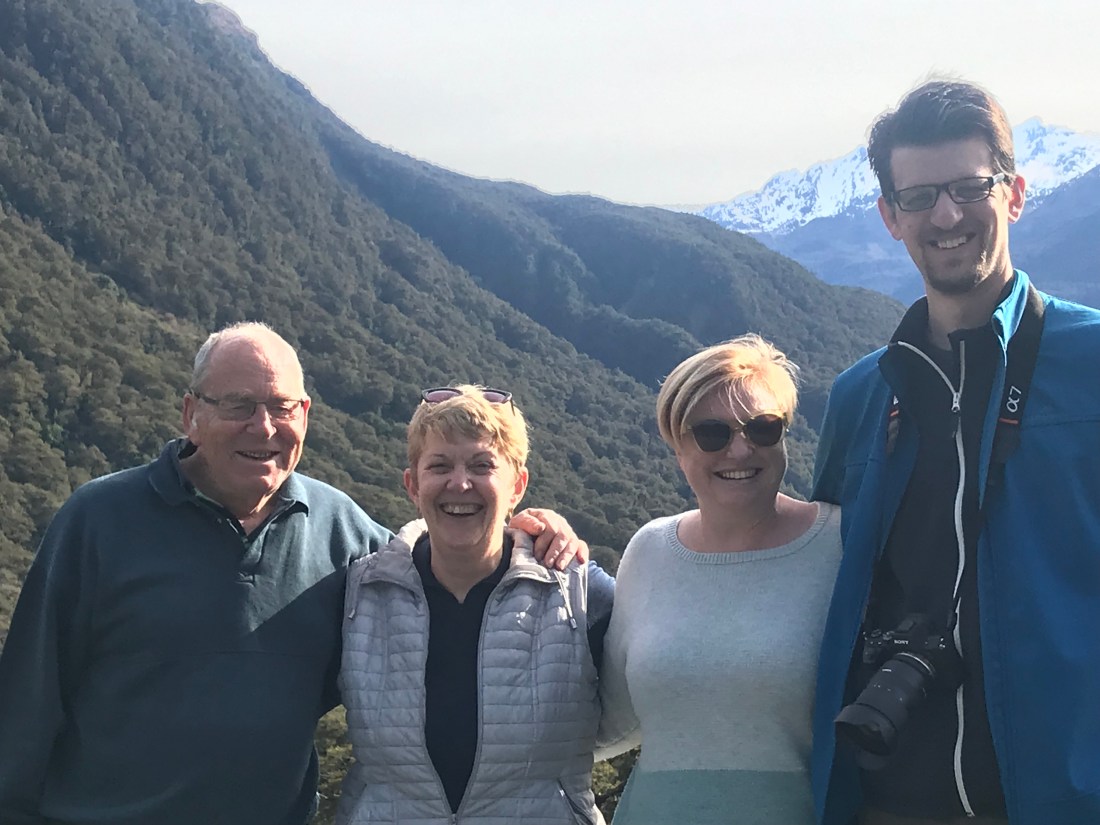
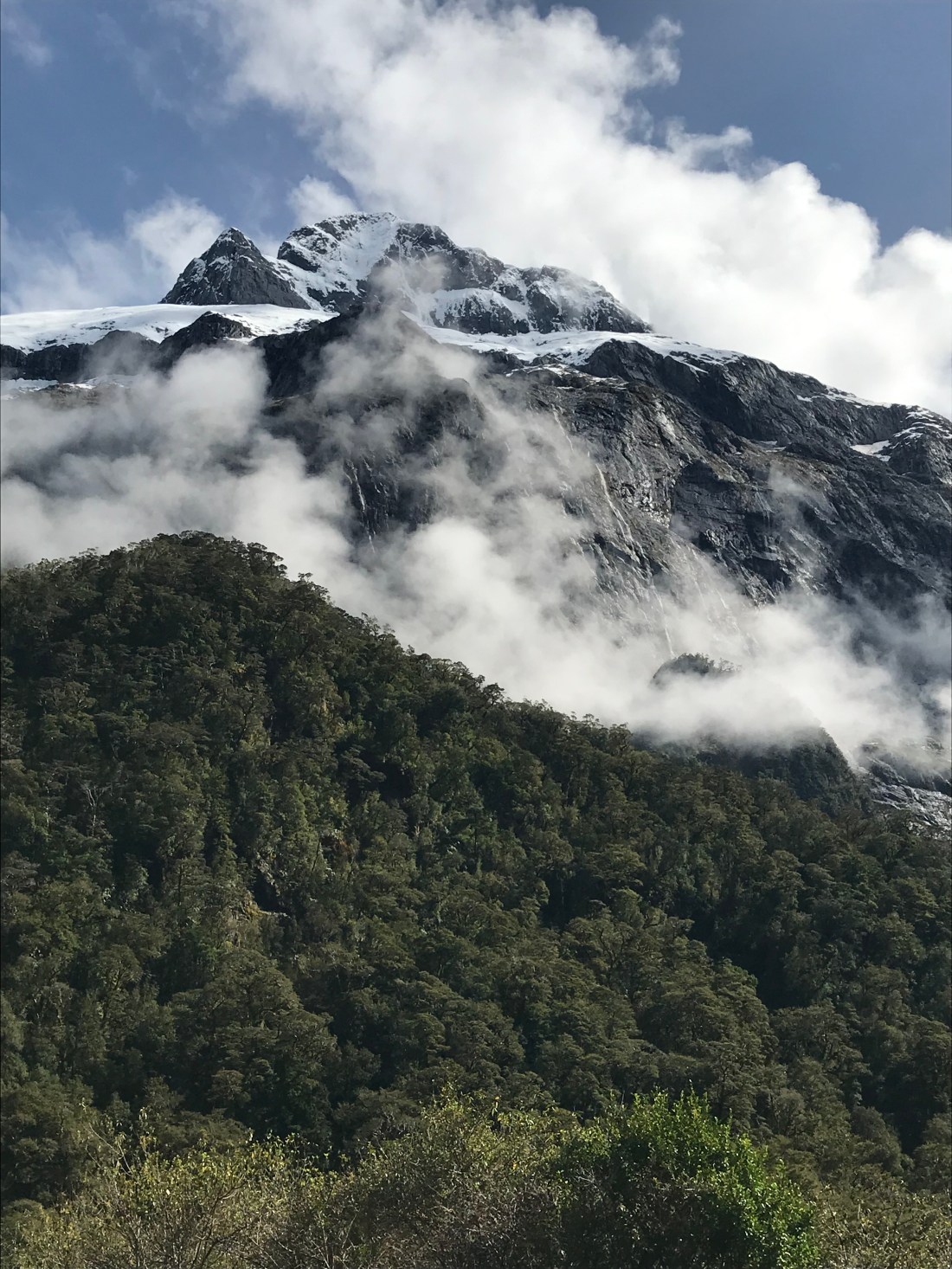
The many lookout lay bys were beautiful with increasingly dramatic mountain views. This was a special moment at one such viewpoint:

More views en route…

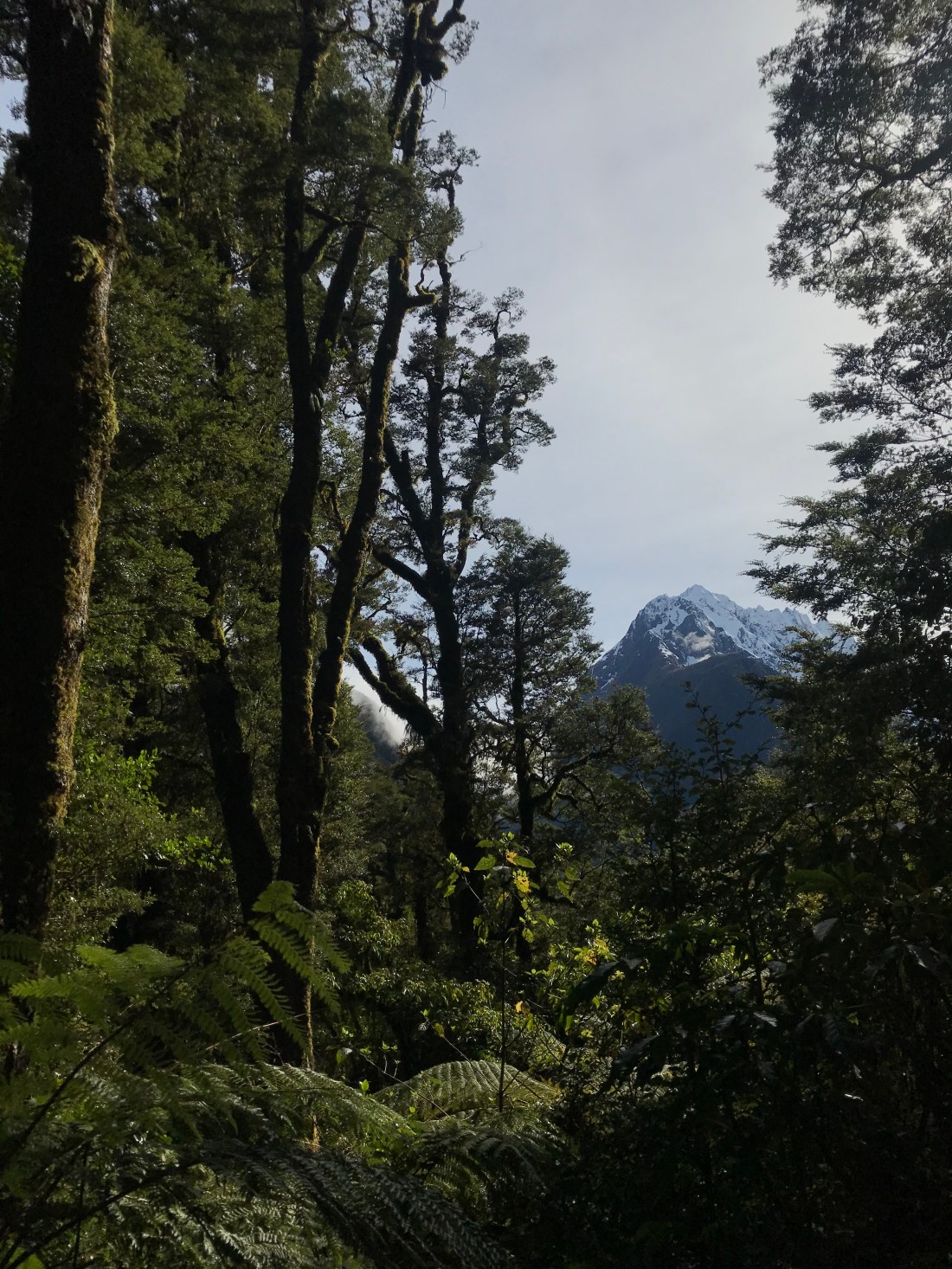
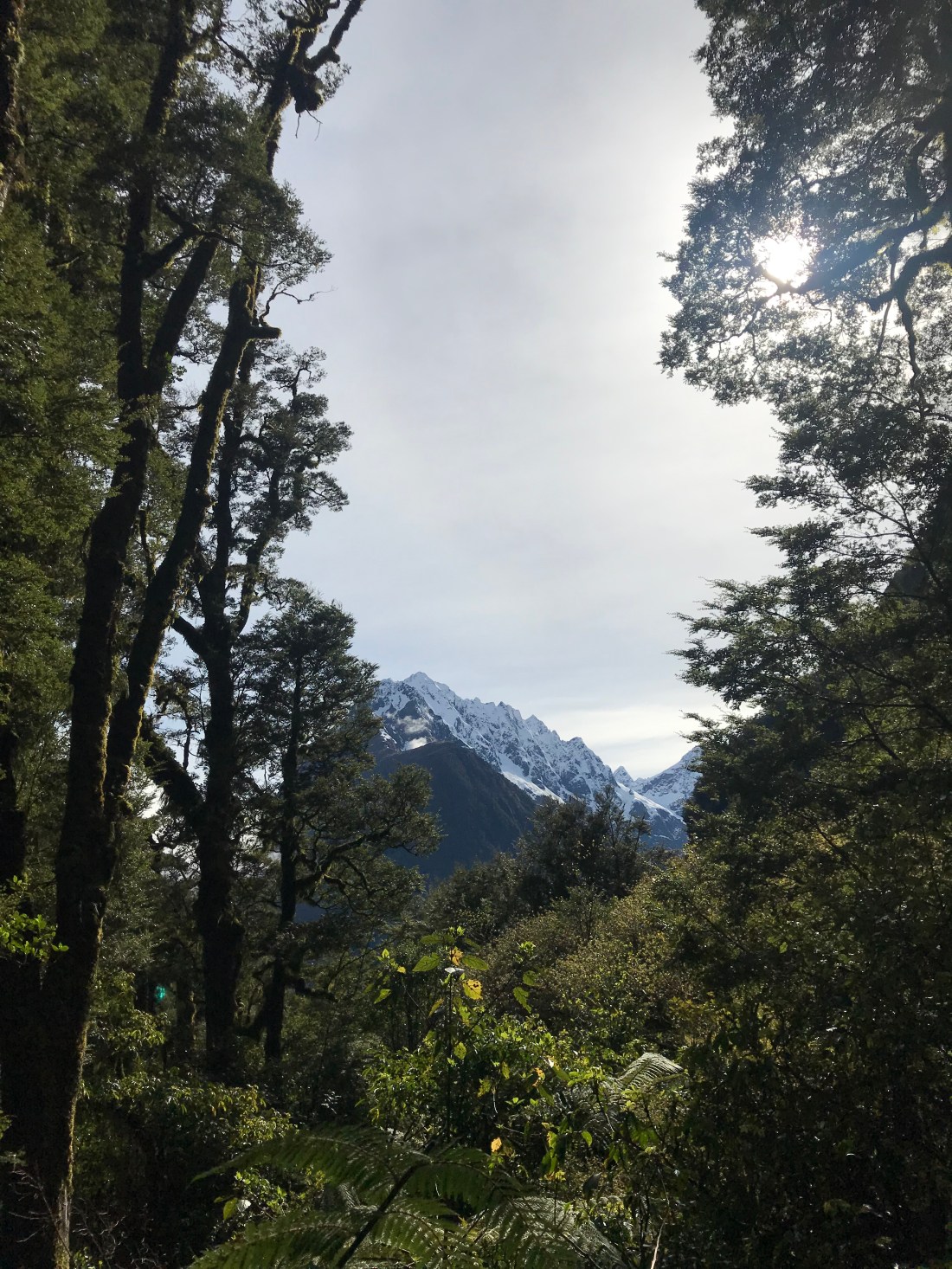
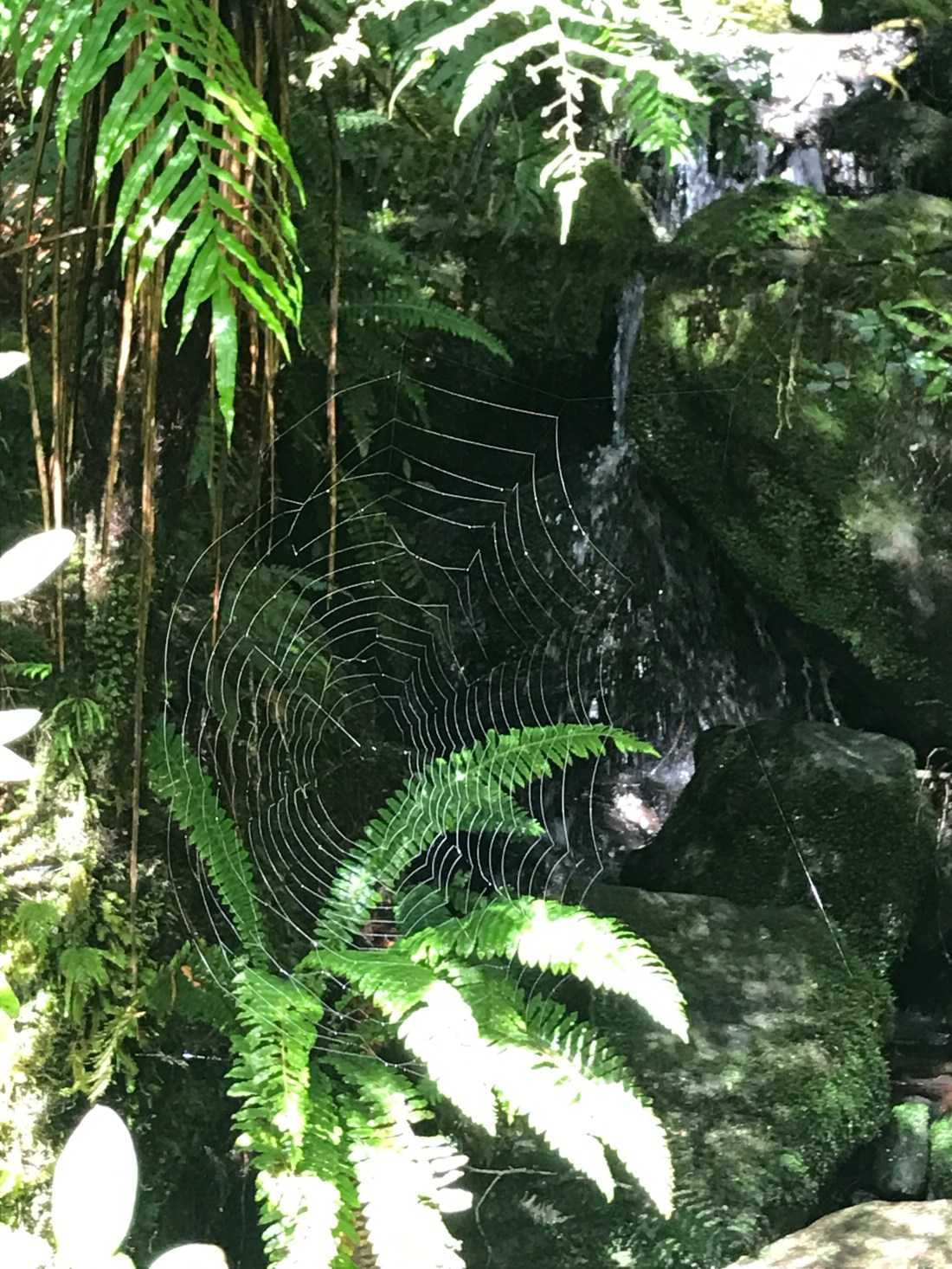
We stopped off at the Chasm waterfall, which was torrential even though there hadn’t been so much rain here lately. There’s a short bushwalk that takes you through a beautifully lush wood, everywhere dripping with fresh water, sun sparkling off the leaves, to the top of the thundering waterfall.

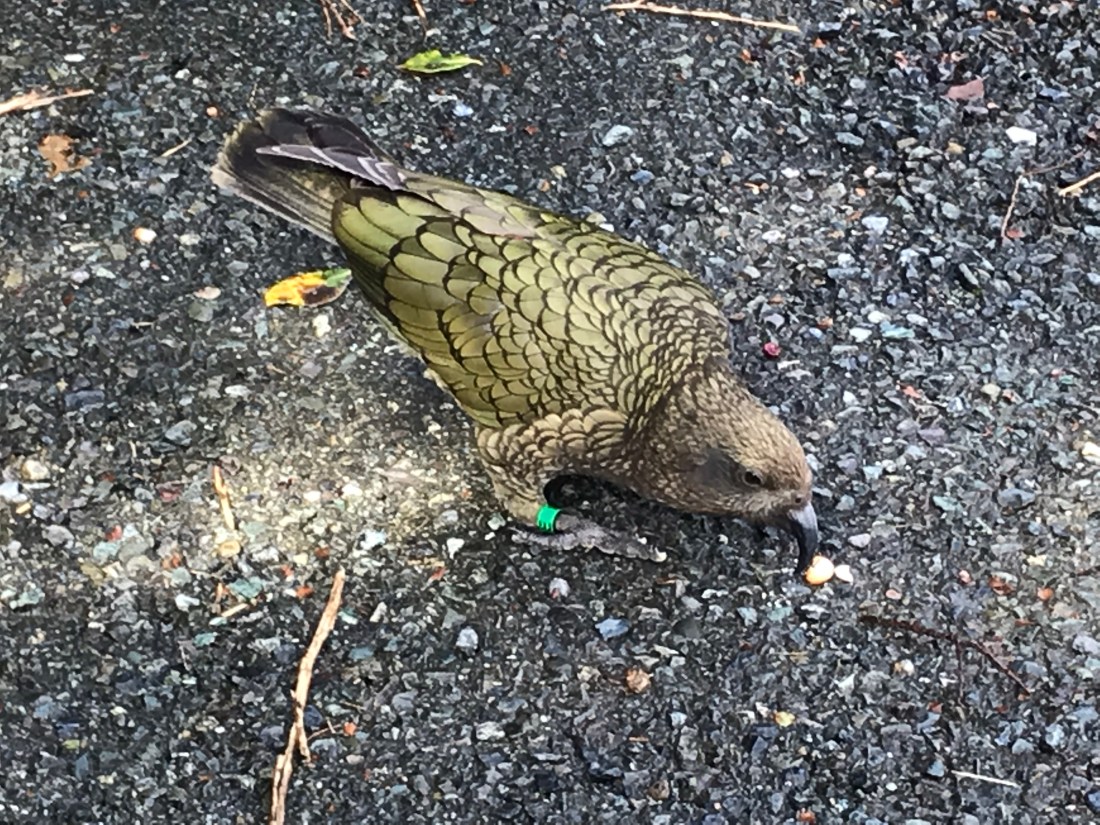
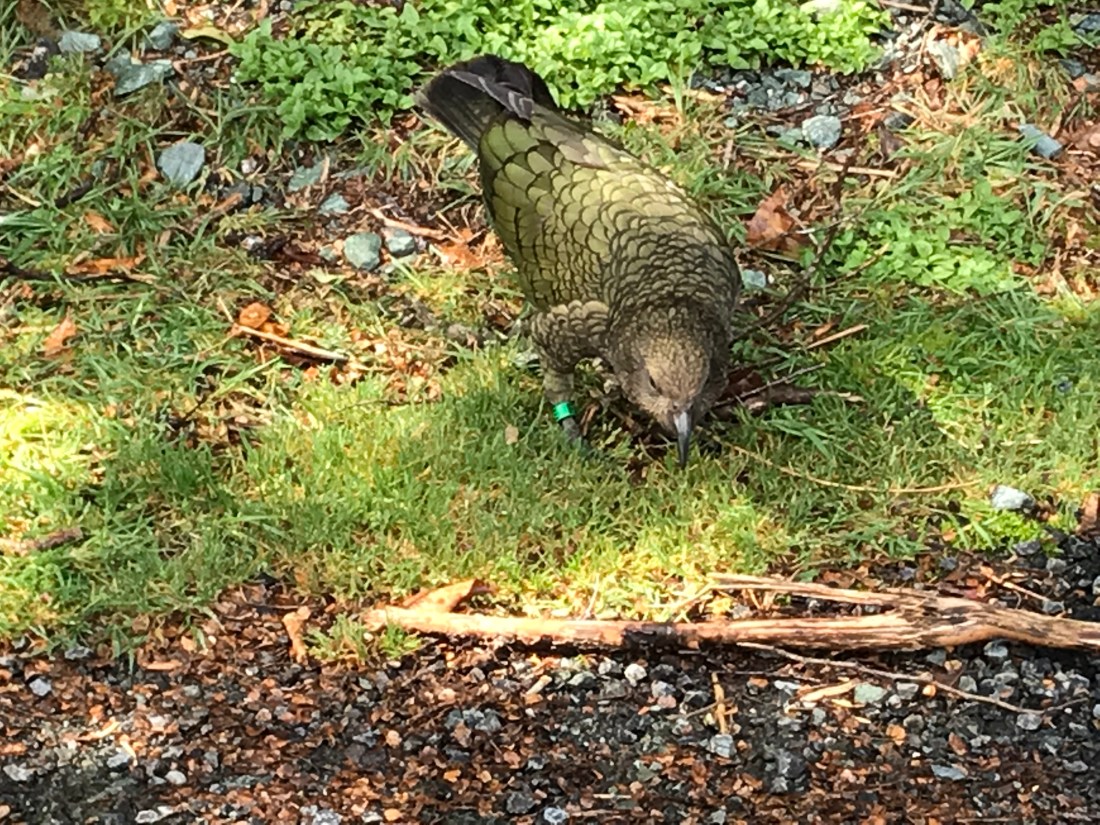
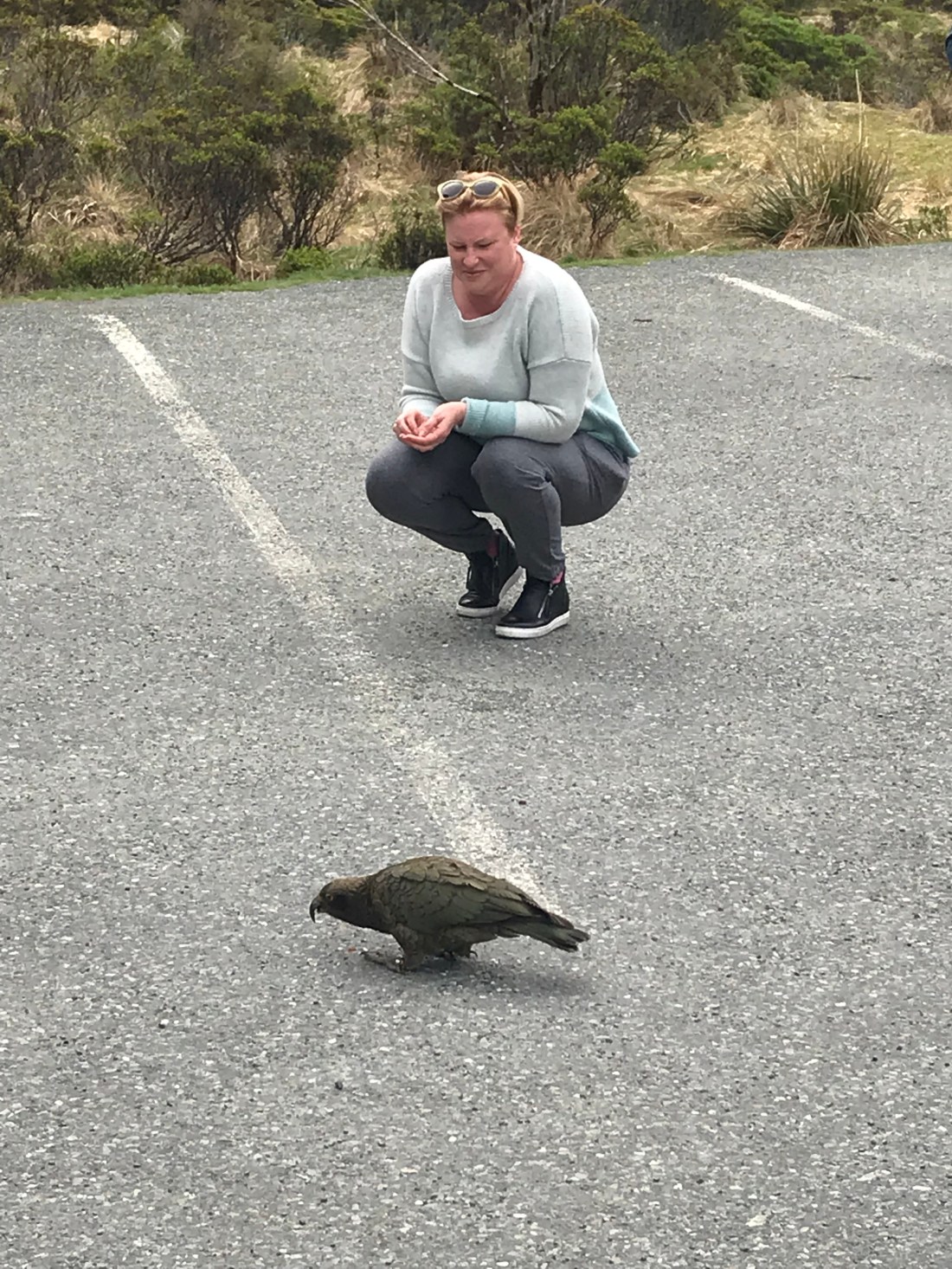
On returning to the car park, Stu and I found the others all busy being entertained by a couple of kea birds. We were hoping to see some in the wild and we weren’t disappointed. They seemed pretty untroubled by the humans around, pecking away at anything peckable at, true to form.

From this point we drove up to the Homer Tunnel, which works its way down through the heart of Homer Saddle in the Darran Mountain range. Apparently this 1.2km long tunnel was initially dug by five men using only picks and wheelbarrows in 1935. Other relief workers during the Depression then joined the work and it took five years to pierce the mountain, though due to problems with avalanches and the constant stream of snow melt coming into the tunnel, and also World War II, it wasn’t completed and opened until 1953. The men lived in tents in the mountains while they were working on it.

The tunnel has since been widened and lighting has now been installed to make it possible and safer for the tourist coaches to get through on their way to Milford Sound.

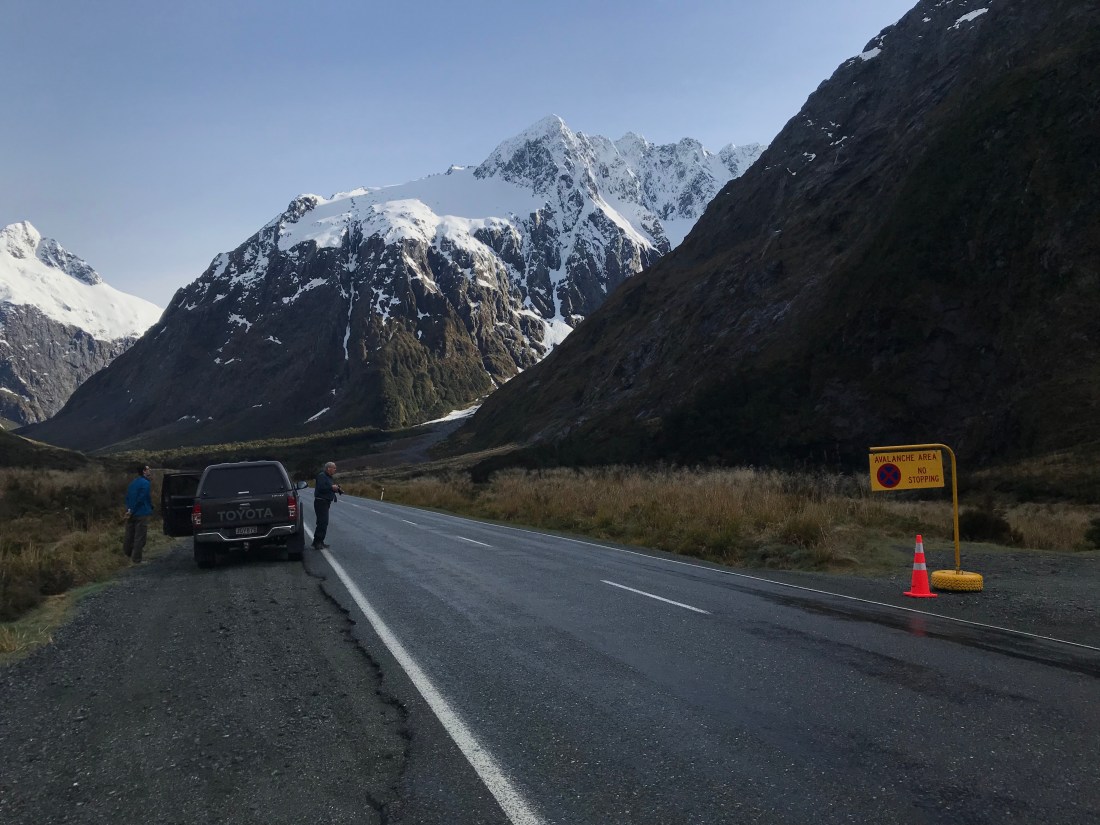
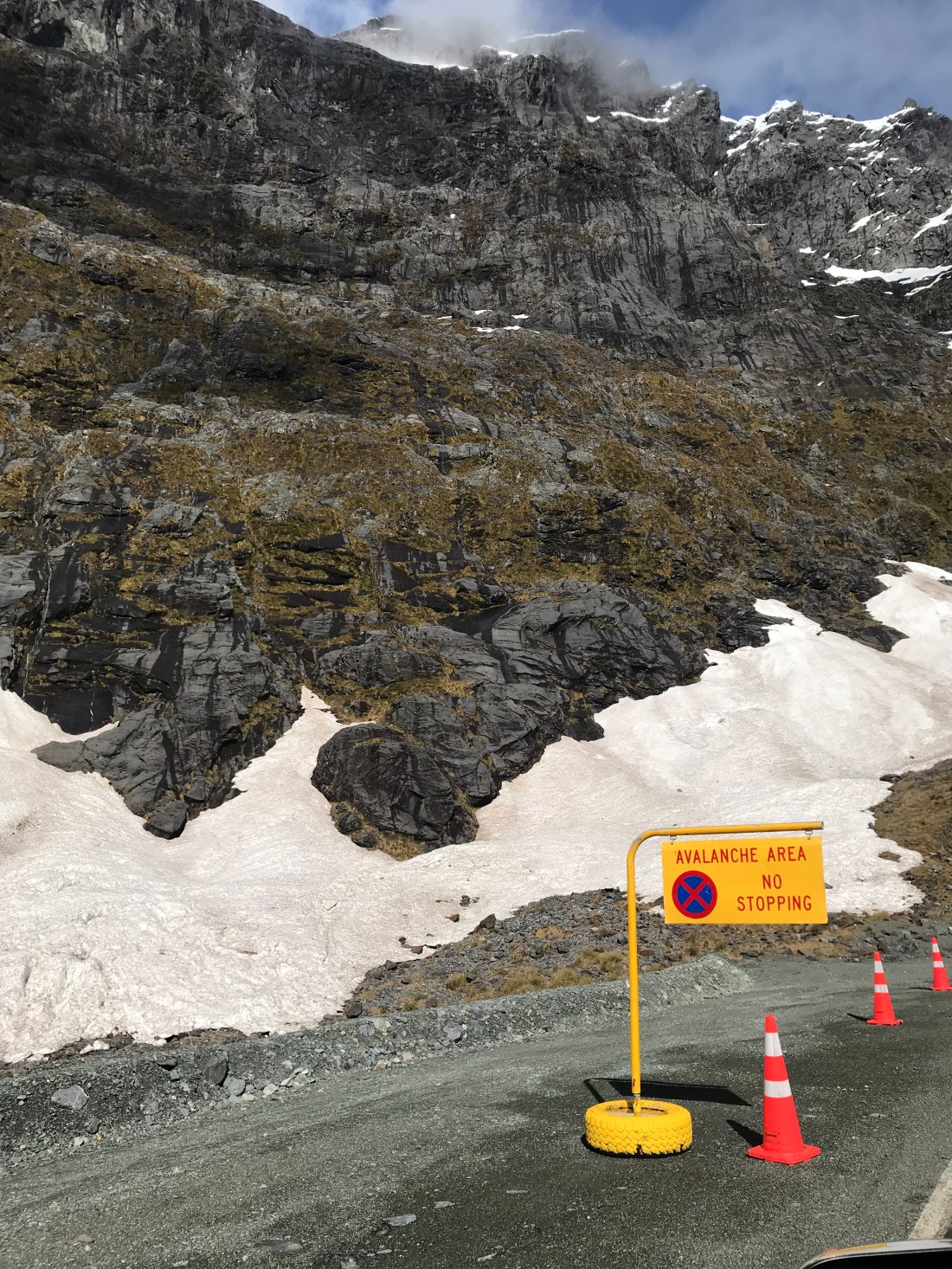
As we approached the tunnel, we were at the snow line. Throughout NZ there are great lookout lay-bys you can pull into to look at the stupendous views, and we often ended up leap frogging these with various camper vans on the route. As you approach the Homer Tunnel, though, there’s a risk of avalanche, so you are no longer allowed to stop beyond a certain point (except when there’s a queue of traffic waiting to enter the tunnel, of course). Entrance to the tunnel is controlled by traffic lights, so the traffic is only coming through in one direction at a time, so when you make this journey to Milford Sound, you have to allow about half an hour extra in case you hit a red light.

The earliest photo I could take after exiting the tunnel was this:

We made our way along this beautiful road all the way down into Milford Sound area, where Stu and Tash and I hopped on a boat and K and L went for a walk (having done several boat rides on the Sound before).

Milford Sound

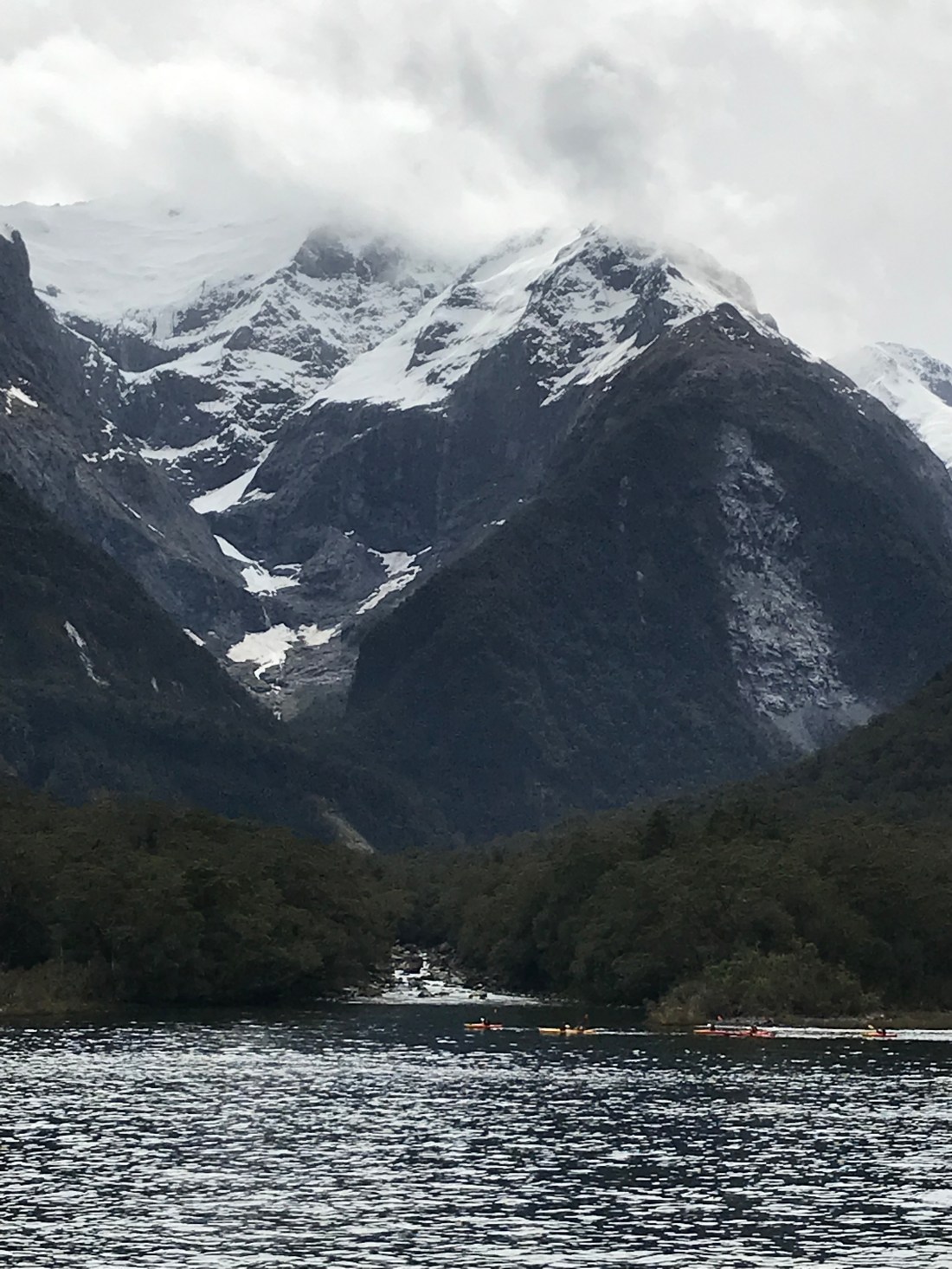
The guide’s information on this cruise was really good, but I didn’t manage to note it all down. One thing they did say was that Milford Sound is actually not really a Sound but a Fijord, because it opens out to the sea. It has both freshwater and sea water in it, providing a unique habitat for all kinds of creatures. We didn’t see any dolphins, though they are sometimes seen there. But we did see a penguin preening himself. He was too far away for me to get a picture though.

The largest glacier in New Zealand is the Tasman, and I think they said that it is melting on average 60cm per day now. At the current rate, there won’t be any glaciers left in NZ within the next fifty years. I will have to come back again to try and see one, as our attempts this time were a wash out.

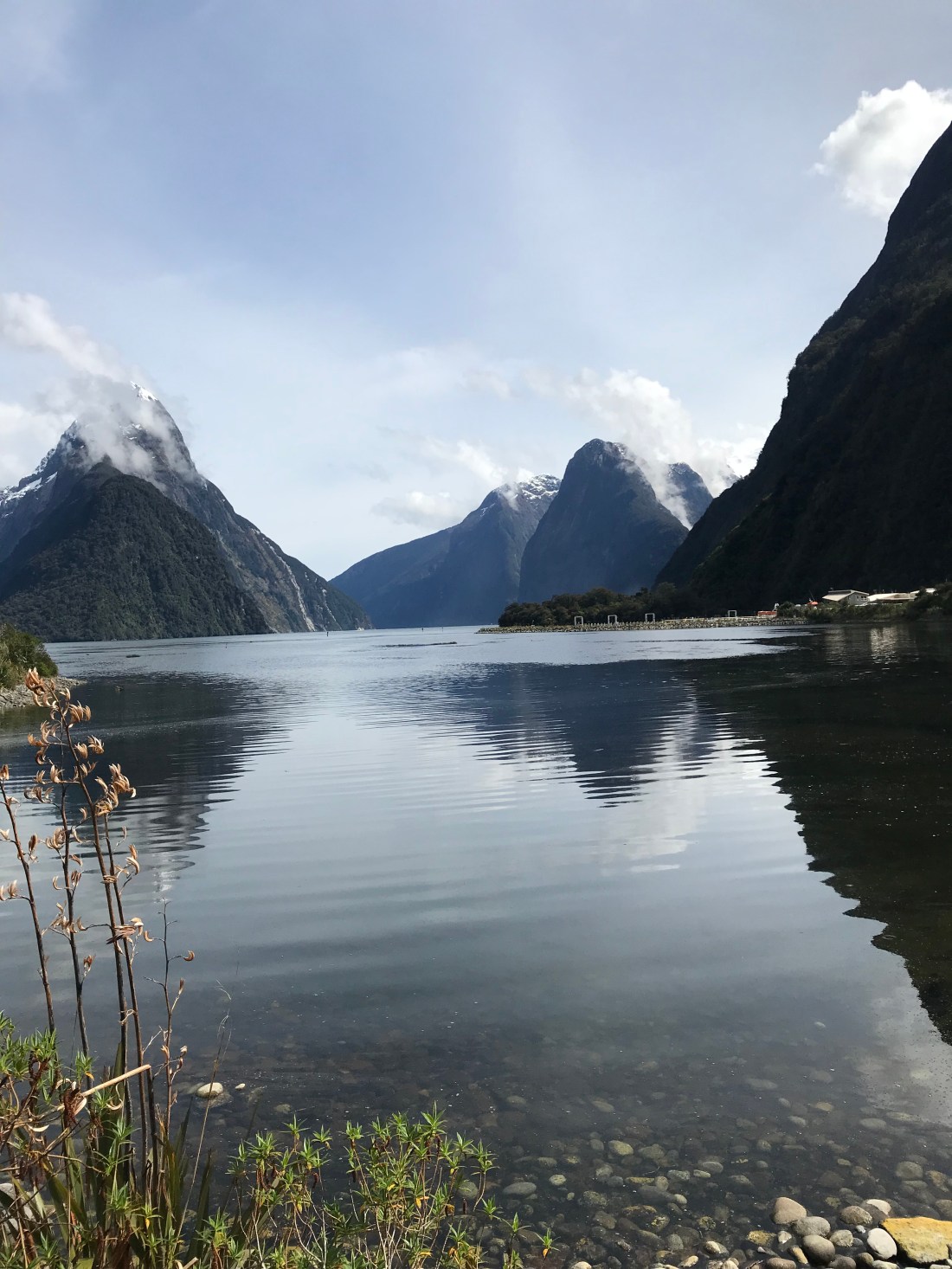
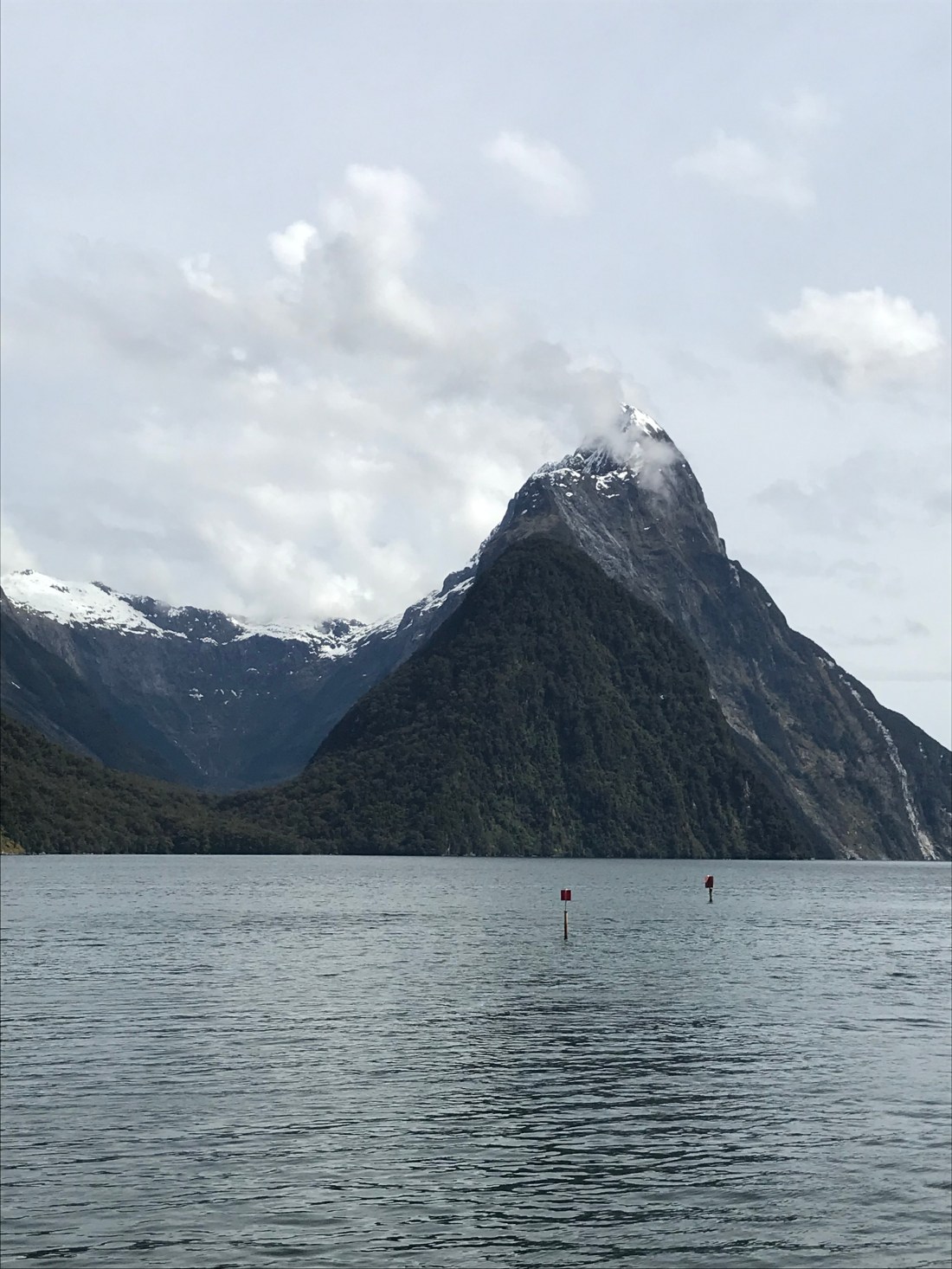
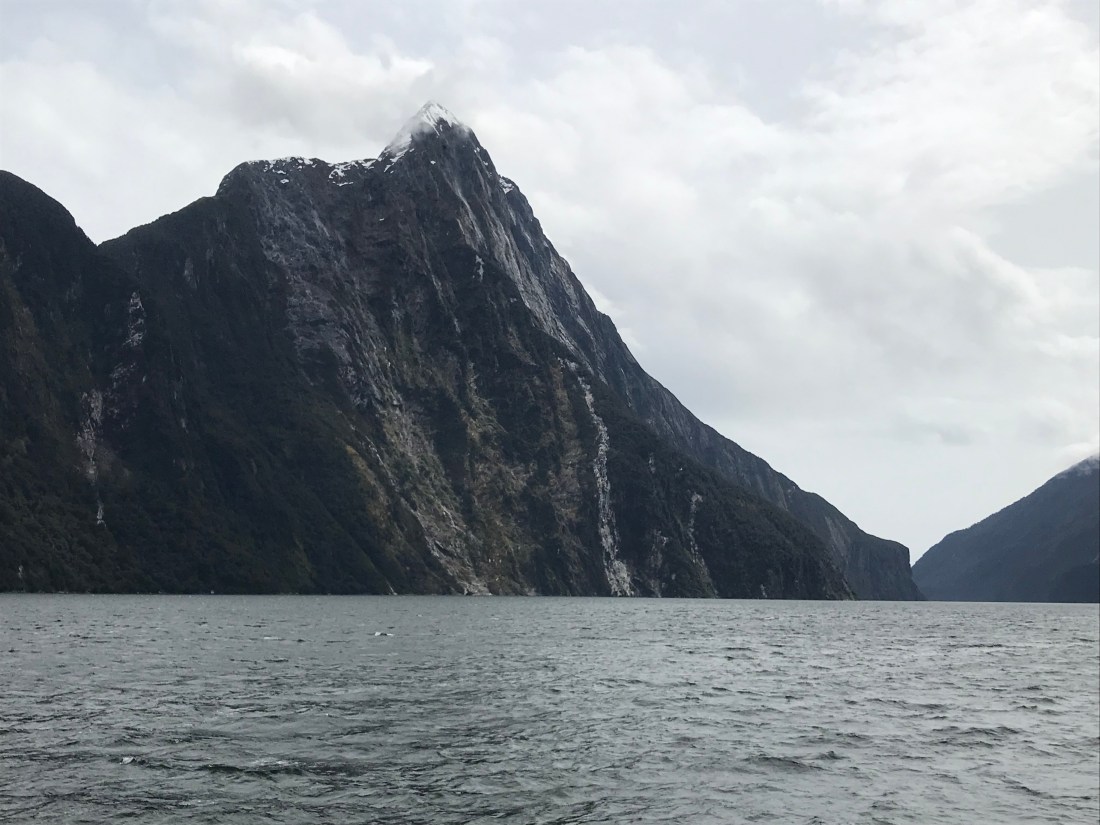
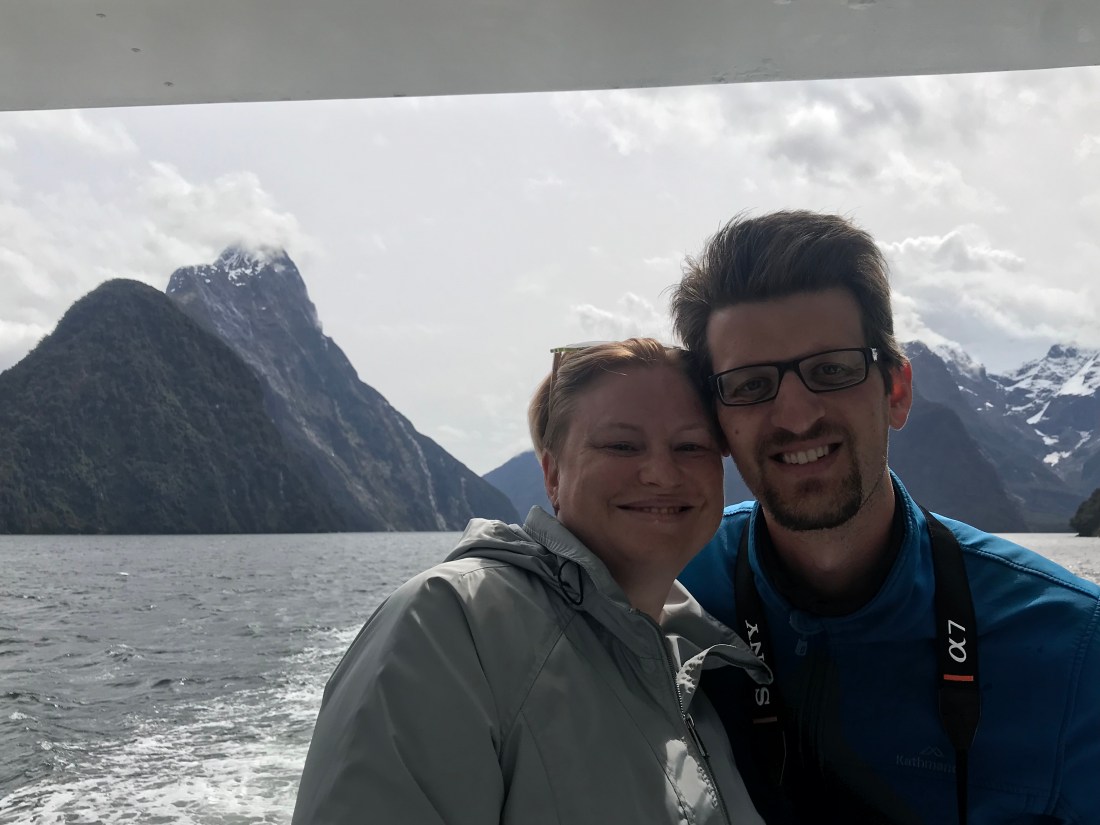
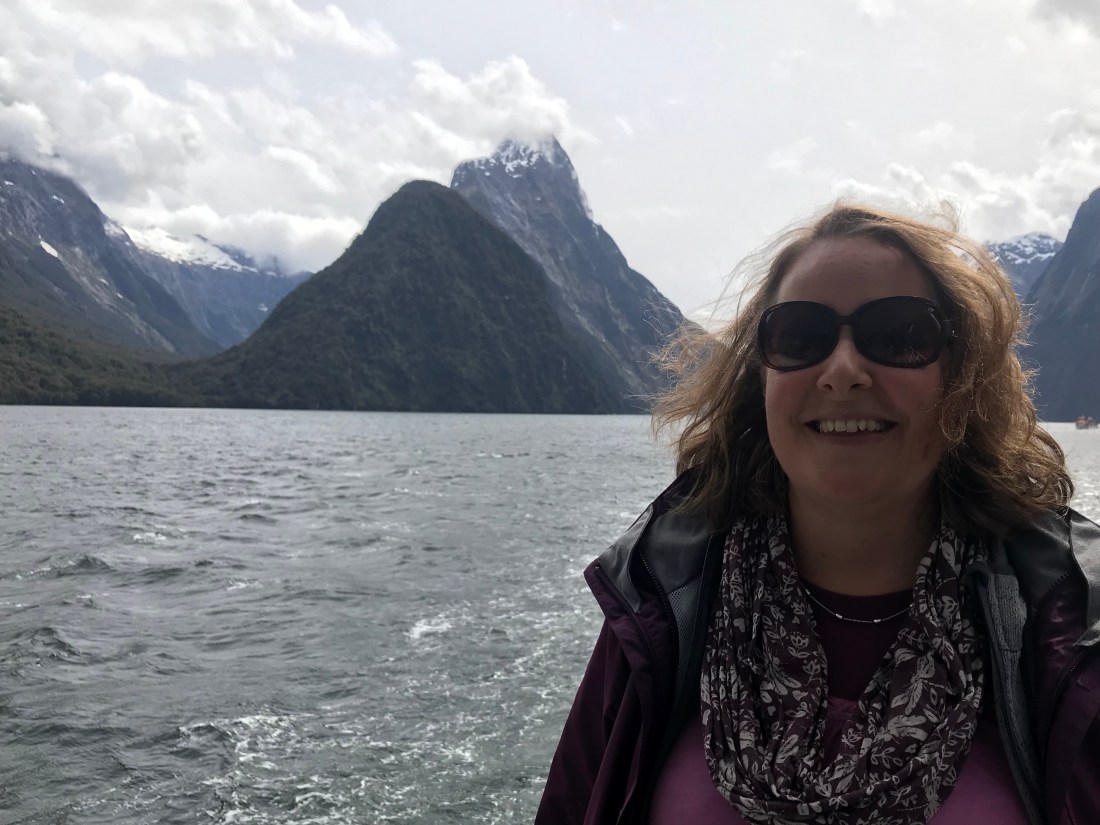
Mitre Peak is the iconic peak that people most easily associate with Milford Sound. It looms in a craggy and formidable way, snow sprinkled, just opposite the jetty where the cruises set off. Apparently one local man has climbed it three times bare foot!

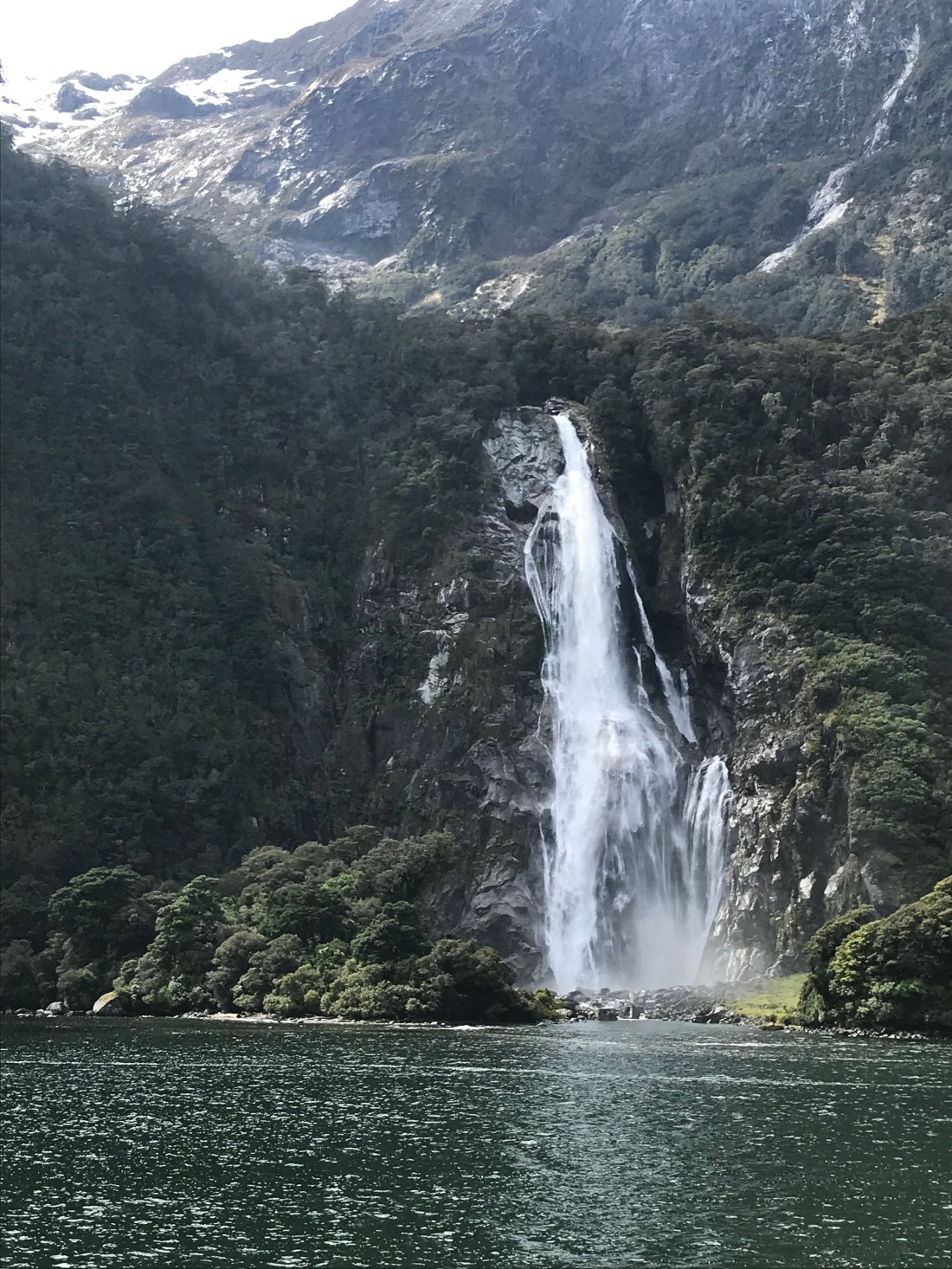
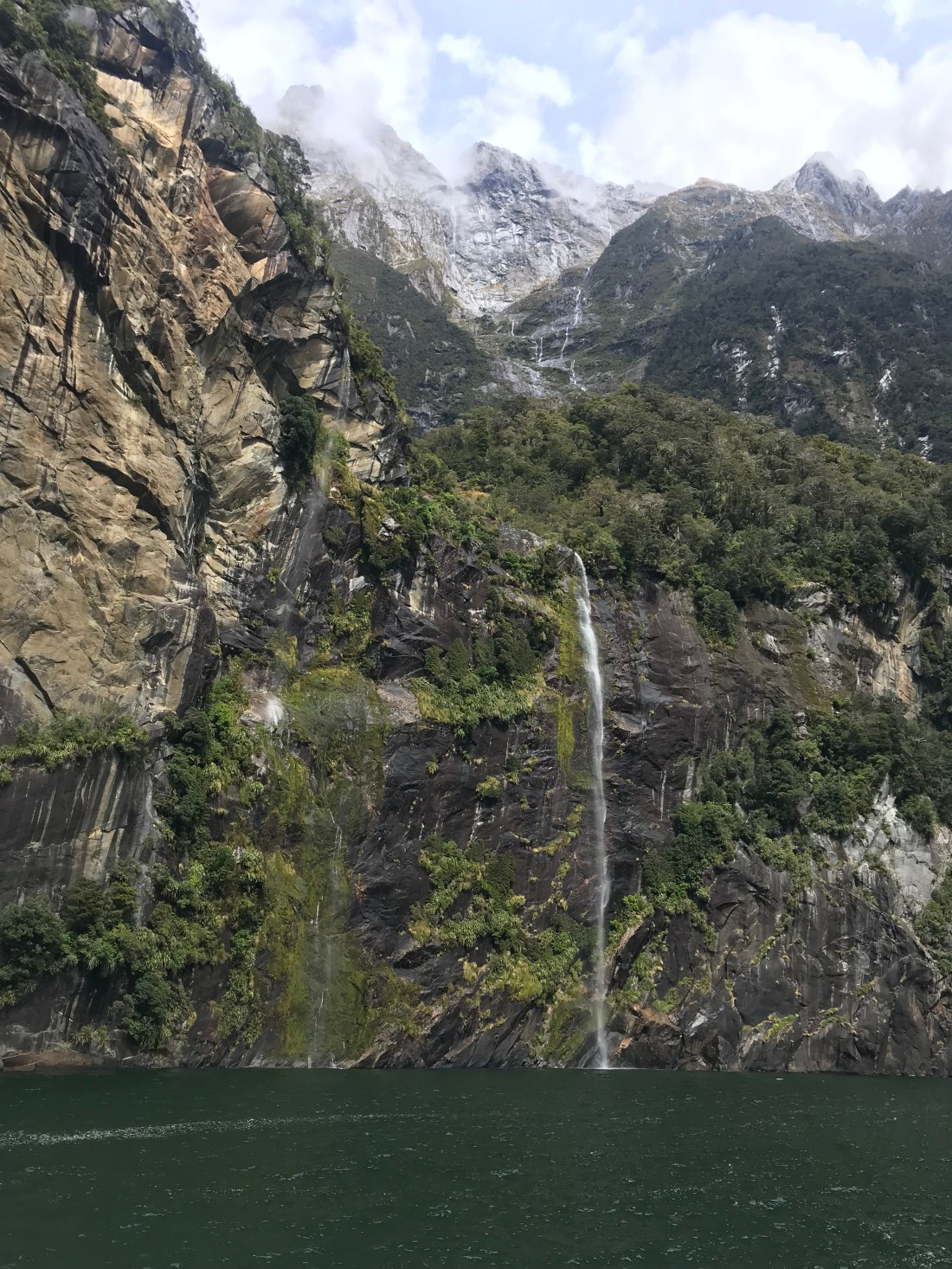
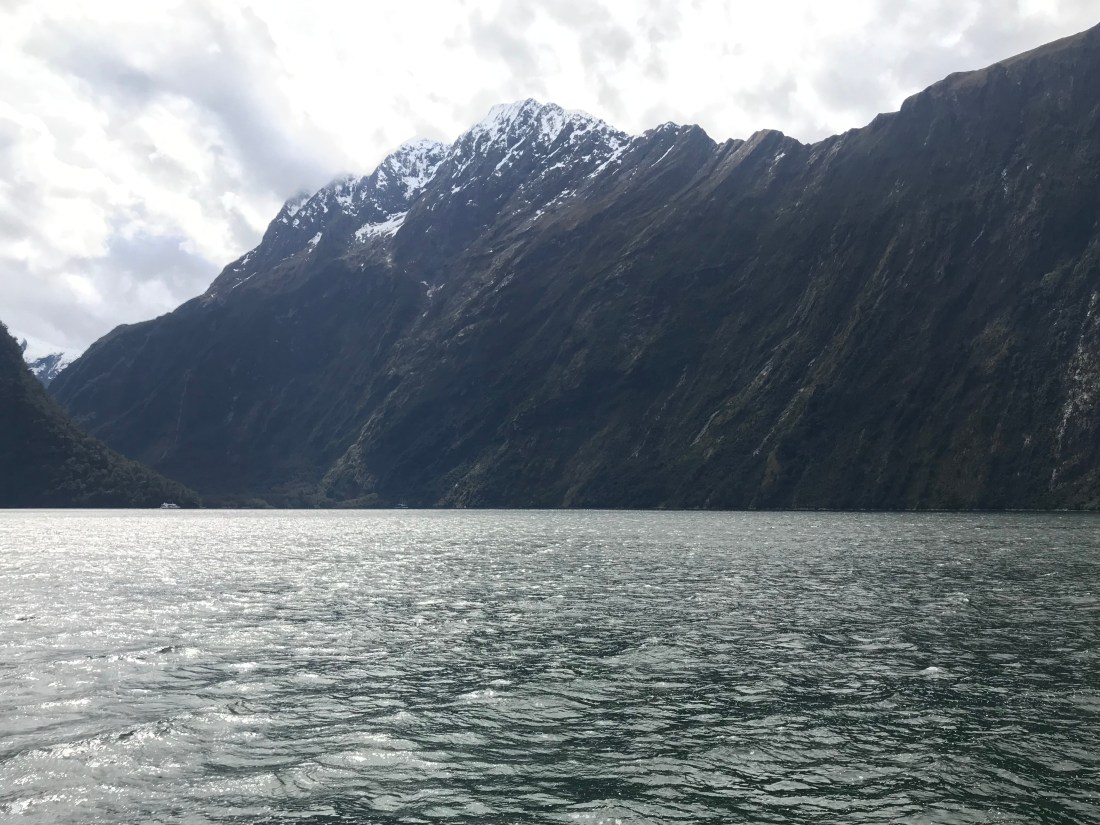
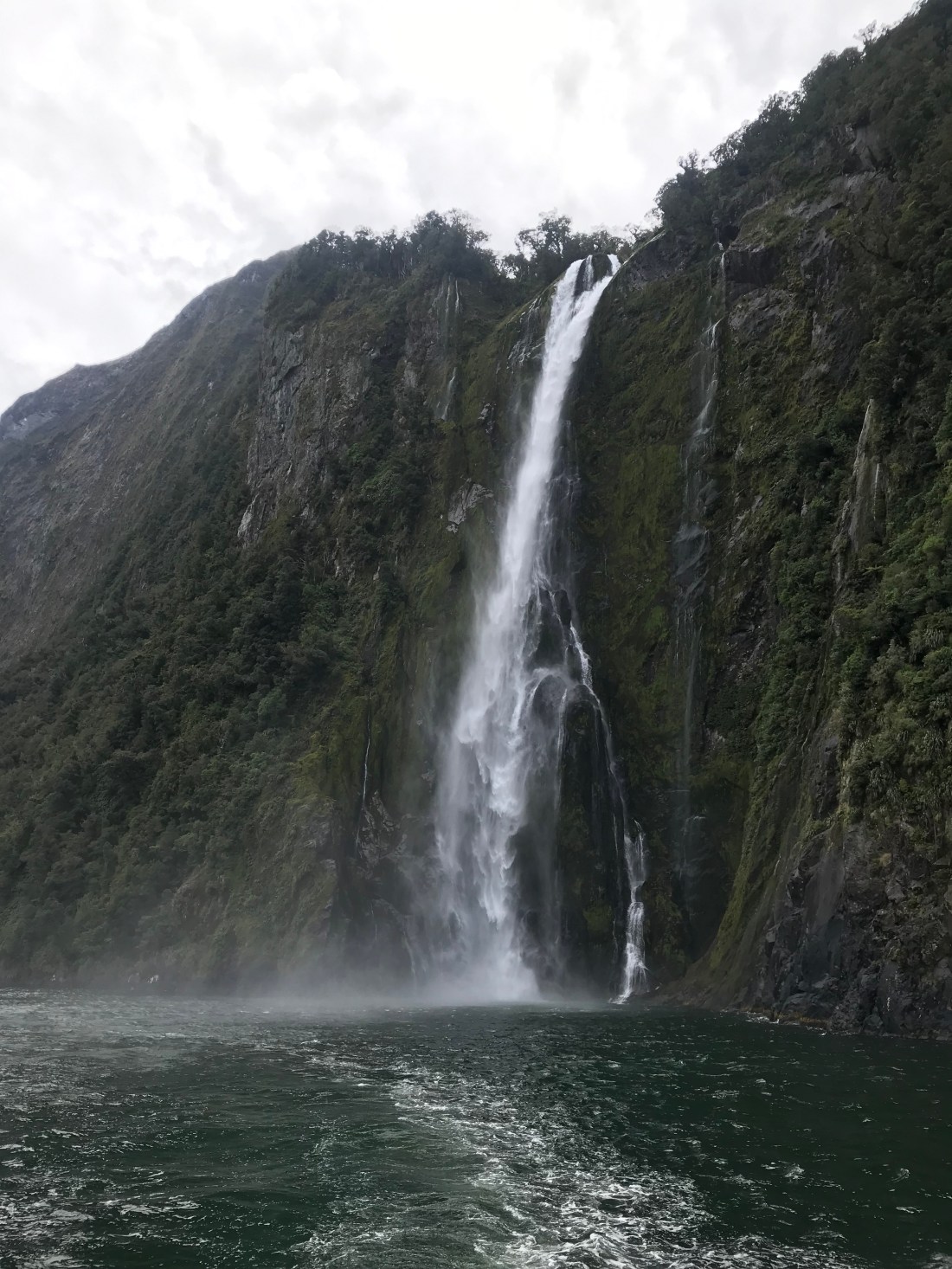
If they go 6 days without rain here it’s considered a drought! If it rains when you’re here, the trip is only more spectacular due to the many waterfalls that proliferate. While we were there, it didn’t rain, but there were still a few permanent waterfalls that fall from a huge height for us to marvel at. Stirling Falls was one of them. It falls three times the height of Niagara Falls! 😲

Here is Lady Bowen Falls:

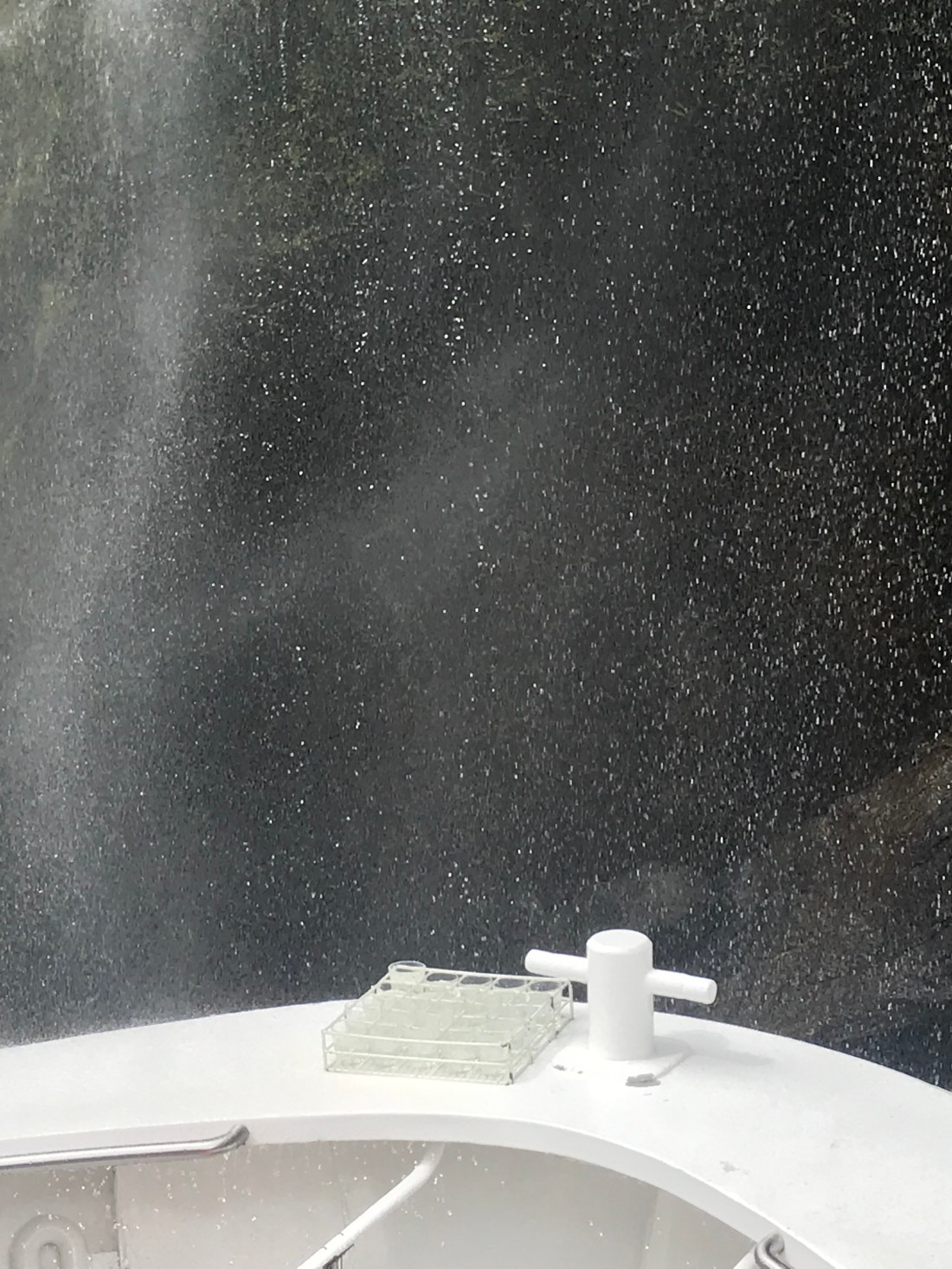
The cruise boat skippers take delight in seeing how close to these high waterfalls they can sail. On our boat, the crew set out a tray with a load of glasses on it and balanced it on the very front of the boat. The skipper managed to come so close to the waterfall that all the glasses filled with pure glacial water. We then had the chance to drink it of course!

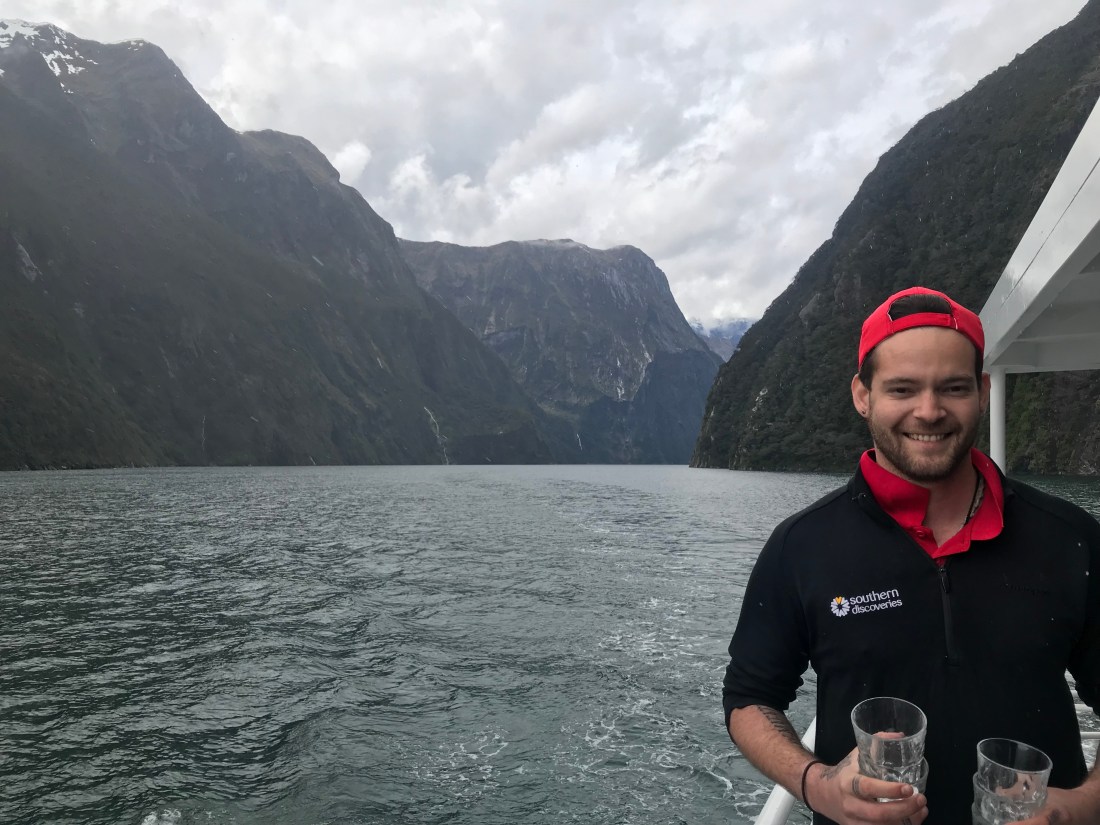
I got chatting with one of the crew of the boat, who’s half Fijian, half Kiwi. He has lived here and worked on the boats for about two years. I guess he must be in his mid 20s.

I asked him what it was like being so cut off from the rest of the world (it takes him half a day to get to the nearest town, even, and WiFi is so expensive it’s pretty much off limits to him). He said to be honest that all the goings on in the world seem pretty meaningless and trifling when you’re surrounded by the product of hundreds of thousands of years worth of glaciation every day. He pointed out the three visible “shelves” in the rock on either side of the Sound (you might be able to see them in the picture above), said each one had been created by an ice age, and divers have found two more beneath the surface as well.

He talked about the climate change issue. From his point of view, it’s sad, but the reality is that most of the species of animal now alive will be extinct before too long if you talk in terms of ice ages, anyway. He expressed a similar point of view to others I’ve met on my travels in NZ that we are mistaken if we think we are capable of really having much effect on the colossal forces of nature at work. But then his dad did work in the oil industry. He definitely has a point though, and it continues to give me much food for thought.

However, it is worth noting that within minutes of having made this statement, he was talking to us about the importance of not feeding kea, because when we give them food (even nuts and fruit) that they wouldn’t naturally be able to find, recent research has shown that it acts like cocaine on them, giving them such a sugar rush that they often become aggressive towards each other. In other words, the world may be going to hell in a hand cart, but there’s no need for us to give it a helping hand, I suppose.

Kea are highly intelligent birds, also having an eye to the main chance. Apparently a pack of keas have been known to hunt and kill a sheep before. The guy on the boat told us a story about a group of kea that had recently been seen dragging cones across a road to stop the cars so they could beg for food!

Kea have also been seen riding on the roof of coaches and cars through the Homer Tunnel to save them the bother of having to fly over the top! They stay hunkered down on the vehicles until they get down to Milford, then fly off. We actually saw a kea sitting on the back of a coach roof, pecking at the rubber seal to the windows, something they’re infamous for.

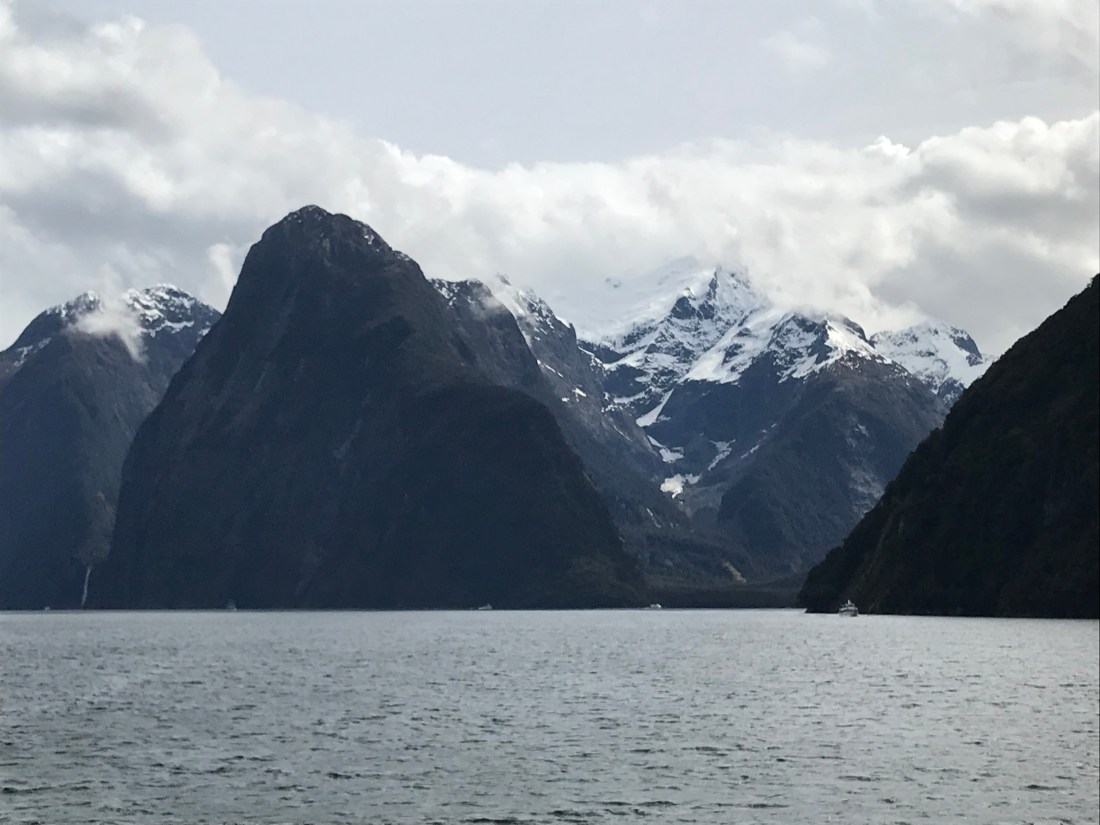
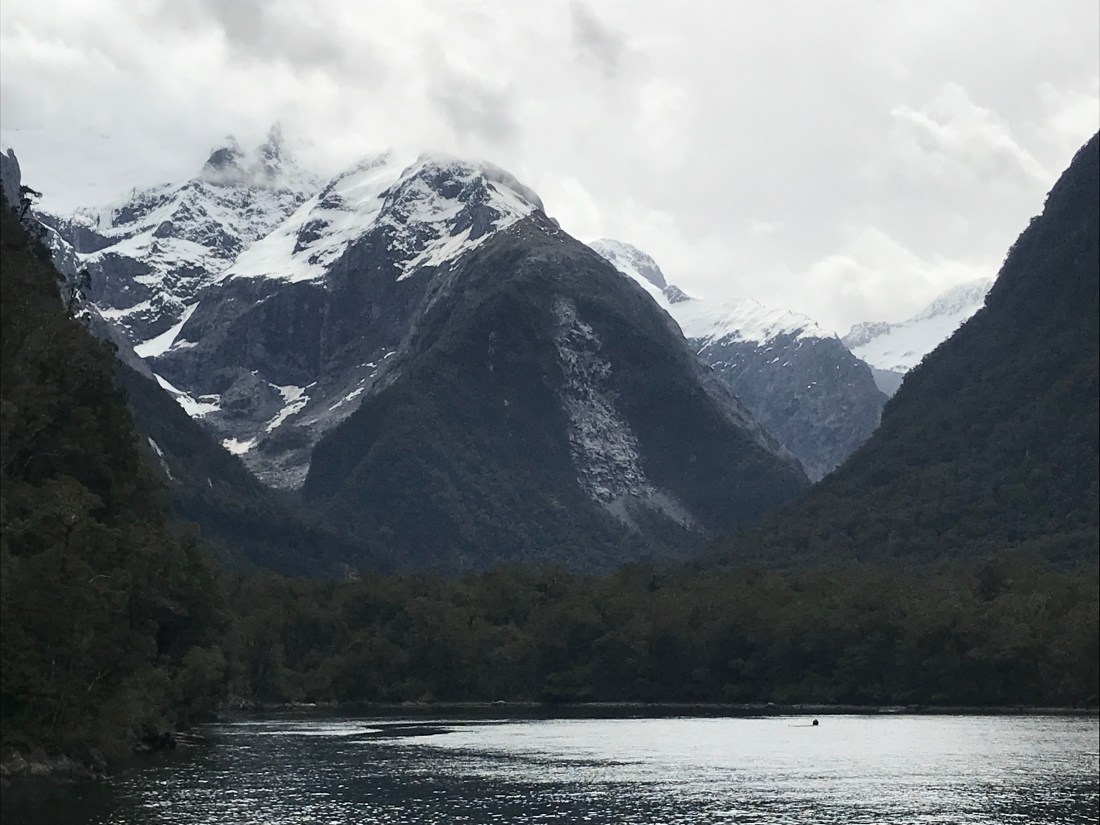
Some more images from the trip:

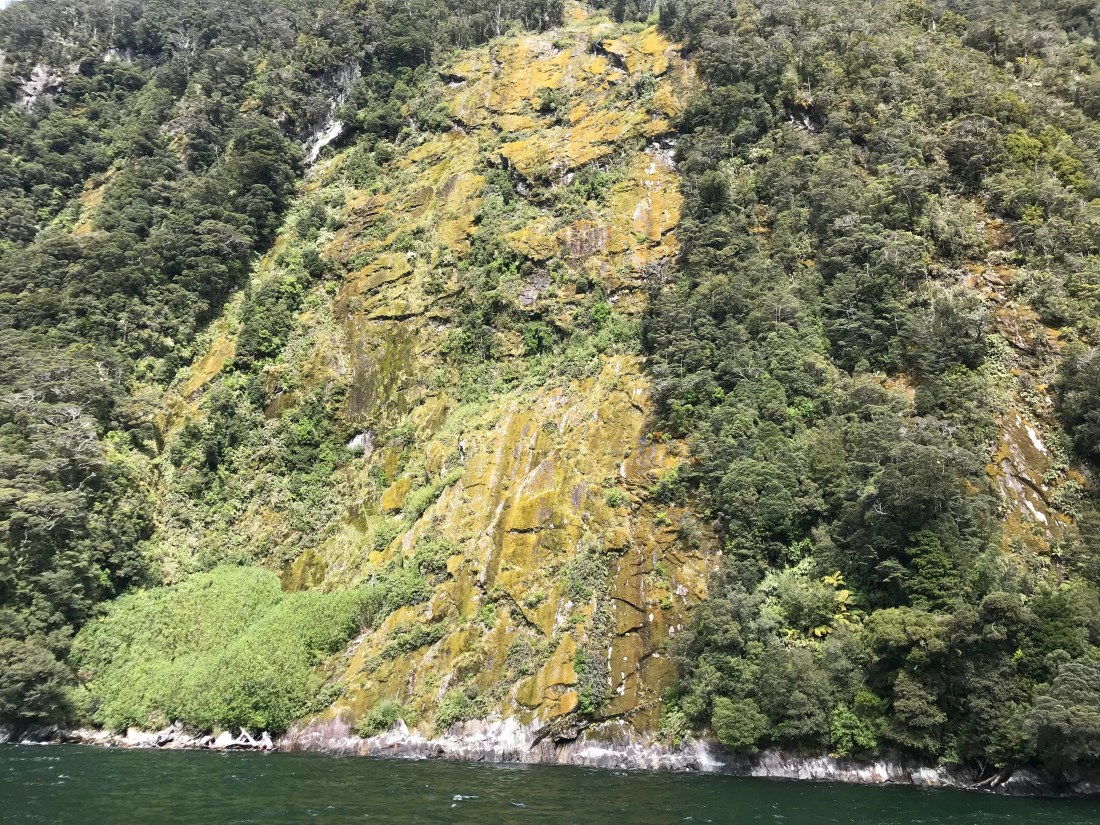
Here you can see where the vegetation has grown so well it has become too heavy and slipped into the water, taking some of the rock face with it:

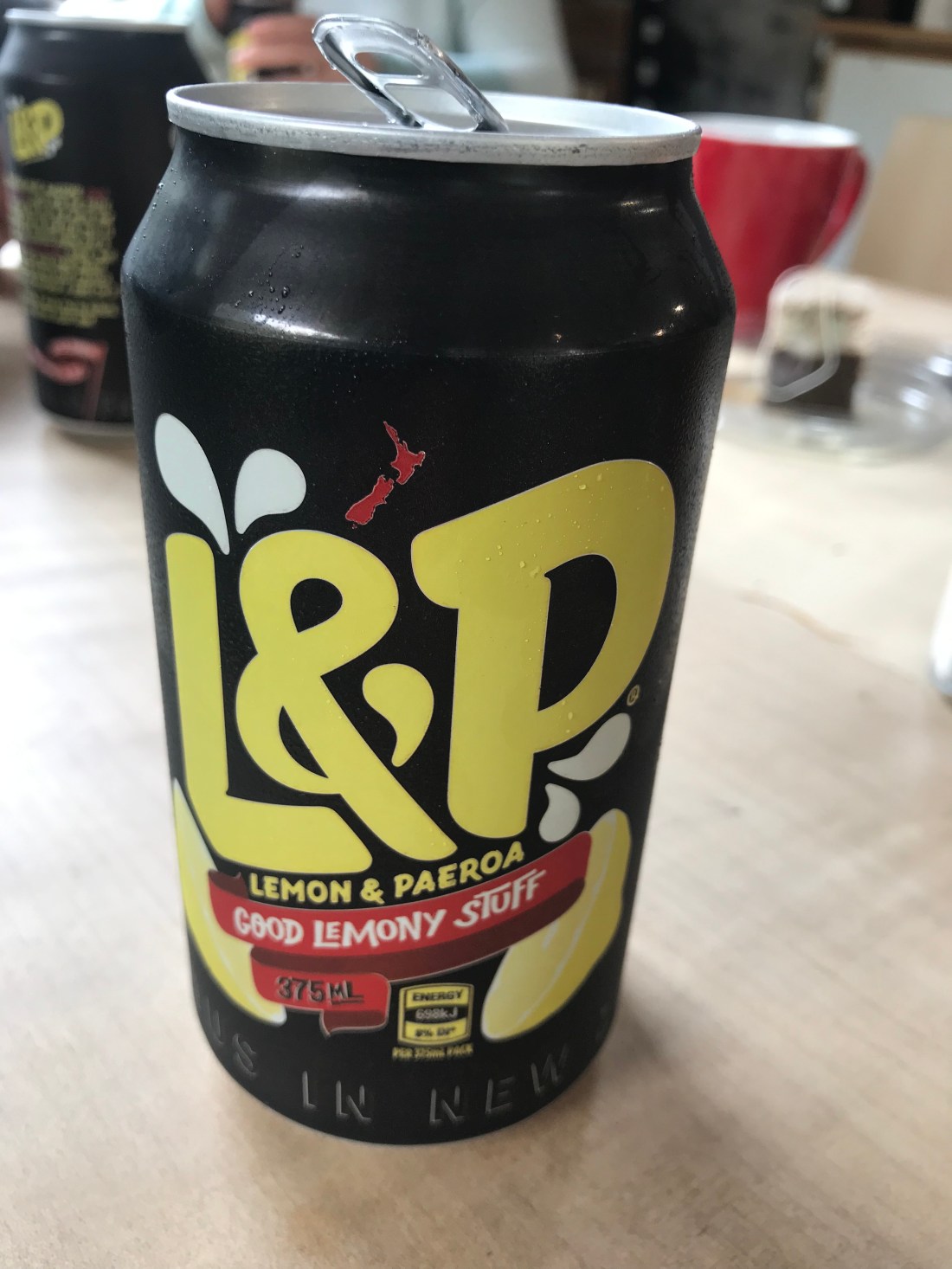
I had my first taste of Lemon & Paeroa on this trip too. Cheers! 😋