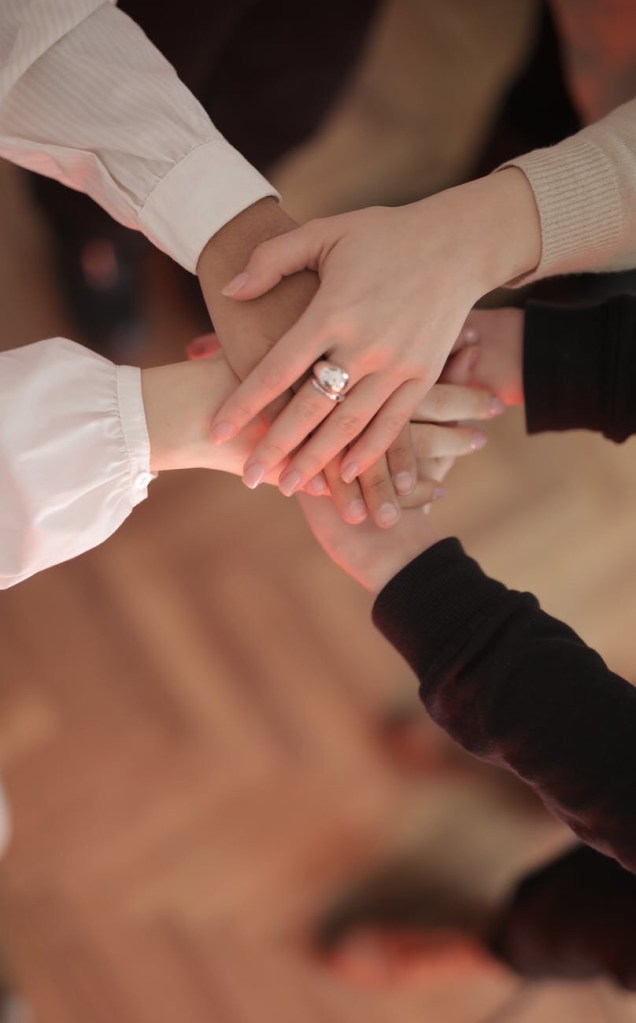
A poem written in response to this thought; « We are a community of people failing in the company of others who are failing »
Failing
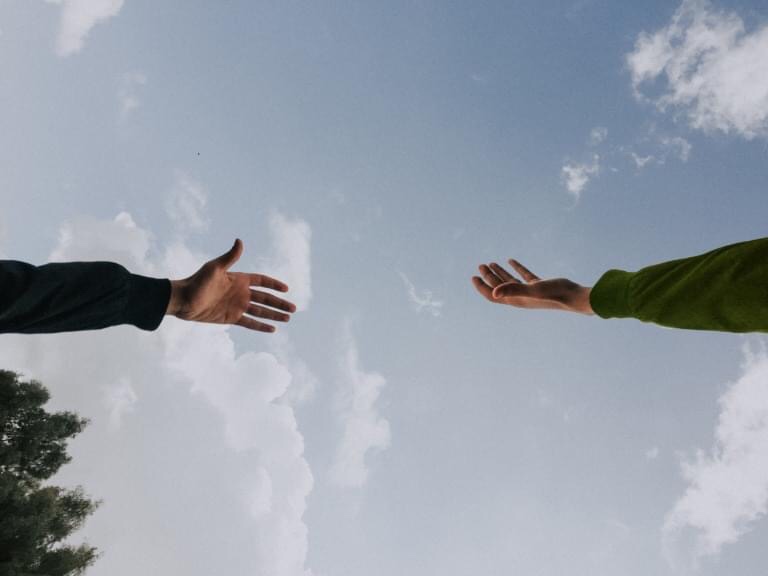
Lying face up on a trampoline a friend to my left and to my right; they bounce with glee! Their bounces send me skyward, briefly, which makes me giggle. Then I am still and I am gazing; gazing with delight at the sky, the trees, and a fleeting glimpse of my friends’ arms
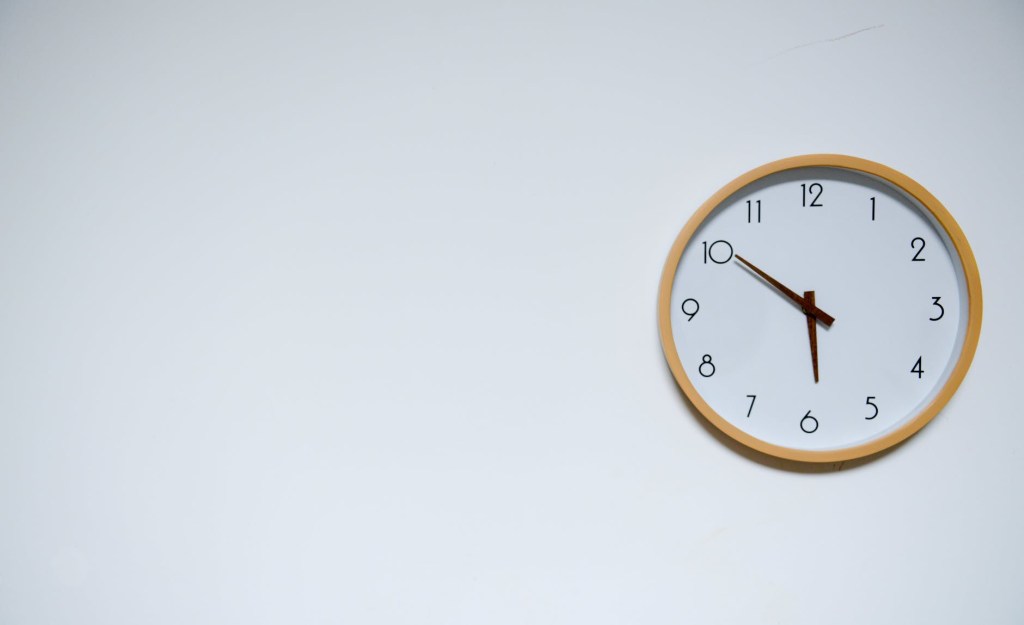
Constant movement and stillness. Everybody’s going somewhere all the time. (This was taken near the station in the city.) Rushing like the water onto the next thing. I’m currently in Covid isolation though, which is making me appreciate the stillness the stepping aside from any rush at all.
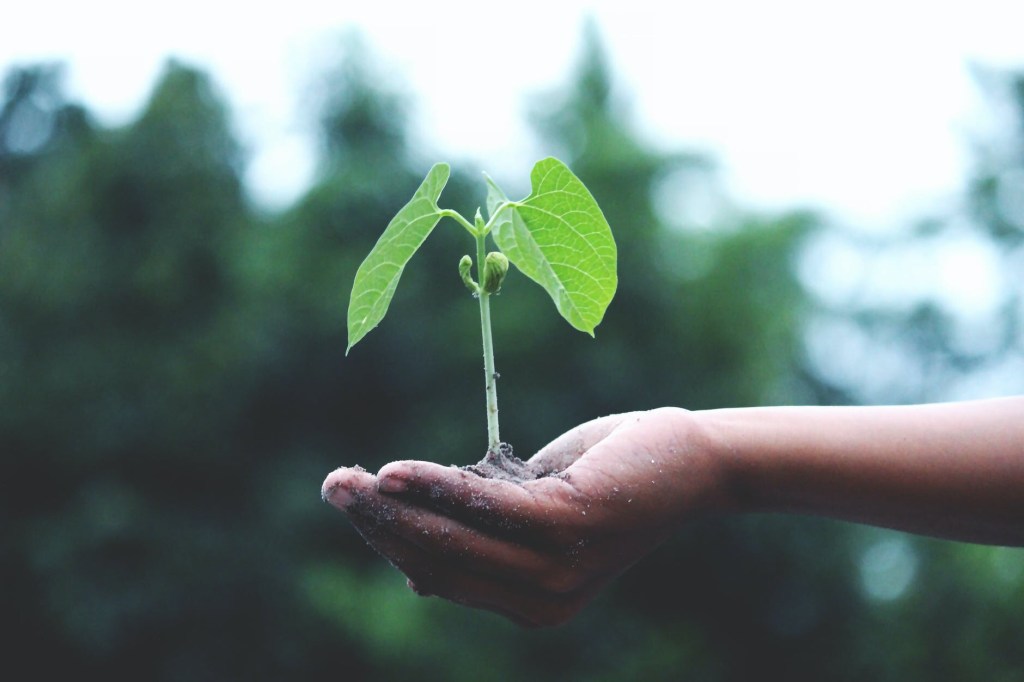
You are looking at the face of someone who has finally got around to changing to a much more climate/environmentally friendly bank, having first thought of it nearly a decade ago! As I showered this morning, it was like washing away all the negative vibes and latent guilt/sense of powerlessness about climate crisis.
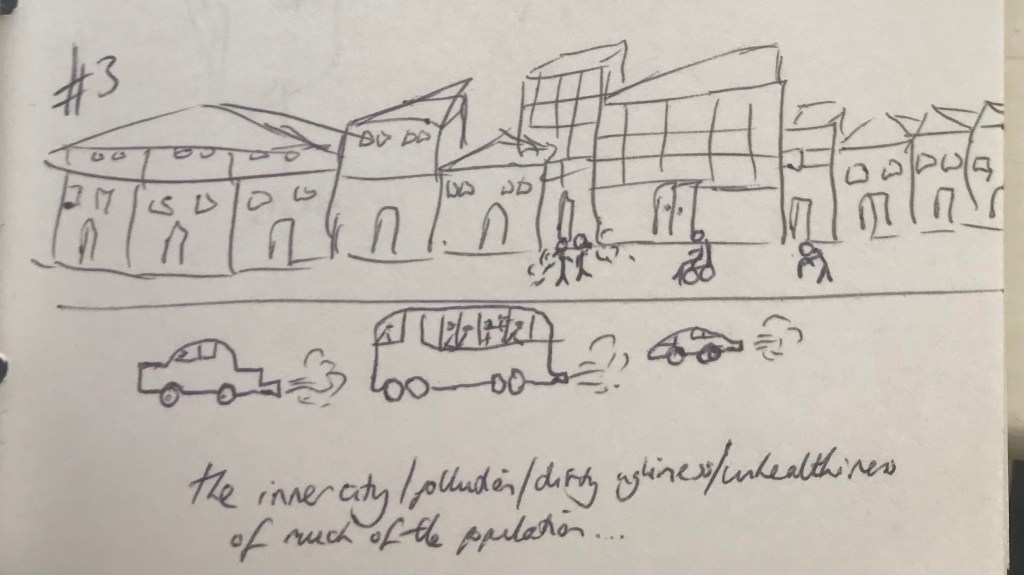
When I was seriously ill 5 years ago, I was mainly reduced to walking everywhere, as I didn’t want to get the bus (having low immunity), and, being unwell, I didn’t always feel safe driving. Because I wasn’t contained in a box on wheels, I became much more aware of the pollution, vehicle noise and litter in the city. I drew this cartoon, and resolved to drive less going forward, and give the earth and all of us a rest from it all:
A friend subscribes to ethical consumer magazine, and when we borrowed a copy a couple of years ago I was shocked to see from their tables that most of the major banks were still investing in fossil fuel production, despite all the media attention on the issue. I resolved to change my savings account and current account to more ethical banks, but, you know how it is…
Then, last year, on Earth day (22nd April, uncannily close to my birthday), another friend led an online reflection about the Earth, which made me decide to publicly commit to this action I had been thinking about for years. I posted my intention on social media and shifted my savings account from Santander to Triodos (rated top from a climate/environmental point of view, and generally streets ahead of the other banks in this) as a starter for ten, and felt lighter. A step in a good direction.
But it has taken until today for me to finally fully shift my NatWest current account to Monzo, whose environmental policy is way better (as is their app!).
In September-December 2019 I travelled around the world (not the most environmentally friendly thing to do, I know, but I paid to offset the carbon from my flights and ate a lot of vegan food!). I was shocked that within a week of the sixteen year old Greta Thunberg sailing to the USA on a carbon neutral yacht, I arrived to find most people I met there had never heard of her.
Everywhere I went, I found myself speaking with all kinds of people about the climate crisis, and often encouraging young women to look Greta up on YouTube and be inspired by her example to step into their power.
It’s easy to feel powerless in the face of climate crisis, but changing bank accounts has actually made me feel like I am taking back my own power from those banks who haven’t grasped the urgency of the situation and acted quickly enough. And it feels so positive to effectively be encouraging and rewarding those banks which have taken this whole thing seriously with my custom. I don’t have much money in the grand scheme of things. But the money I do have I want to be invested and spent on things that will renew the planet not destroy it.
I don’t have any children, grandchildren or nephews or nieces. That’s just the way life has turned out for me. But I have no desire to saddle other people’s children and grandchildren, and people in the poorest parts of the world with the terrible and worsening consequences of climate change.
Here’s to doing what we can, as soon as we can. And here’s to all the people and organisations who have taken action much quicker and more effectively than me. And here’s to you, for reading this far! I wonder how you might begin to, or continue to step into your power with this…?
I recently re-read a poem about prayer that I have come to really love, and a new line struck me; « this isn’t / a contest but the doorway / into thanks » Suddenly I felt a weight lifted as I read that. I realised that so much of the time, conversations, meetings, even prayers feel like a contest to see who will get in first with the wisest comment or prayer. But prayer is not a contest. What’s the point in competing when God knows every hair on all of our heads, and knows what we will say and what is real for us before we even begin to know it ourselves?
…And if prayer is not a contest, most other things needn’t be either, I think. What if every encounter we have became a doorway into thanks for us…? And into a world of possibility and love…? What if we could carry with us, wherever we go, a silence in which another voice might speak…?
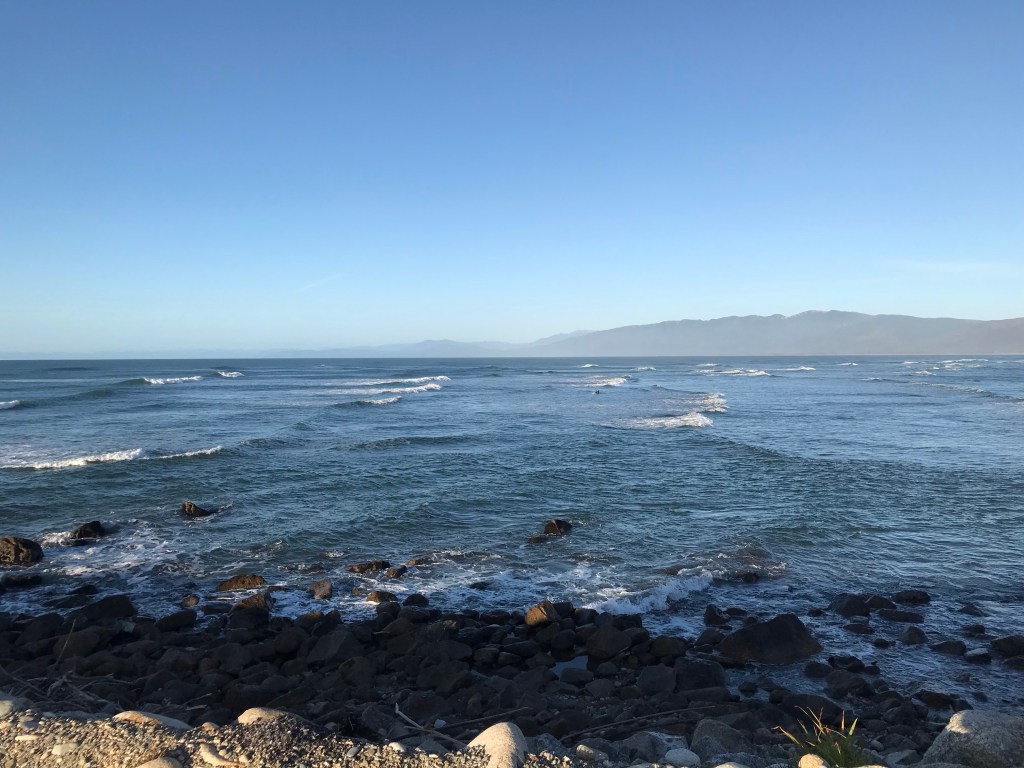
Julian of Norwich famously wrote « All shall be well, all shall be well and all manner of things shall be well. » Here’s a beautiful musical tribute to that, referring to the force of love I mentioned in my previous post. It’s good to watch the sea and let these words wash over me:
« …But what if the brokenness has no authority at all over us? What if only love has the authority over us…? » Those are a couple of What ifs from the article below that I’d like to meditate on. This article is from a site where you can read very thought provoking reflections daily. It’s coming from the Christian tradition, but speaking of it in a very open, loving and inclusive way. There is richness here. Even if you’re not sure you believe in God, wondering what it would be like to see ourselves with eyes full only of love, is not a bad wondering.
The examen meditation I mentioned a while back on here encourages me to « Come home » to myself and to « Lovingly accept into [my] home the person [I am] ». I actually picture myself arriving at my own door and welcoming myself in like a long lost friend. (Derek Walcott’s poem « Love after Love » has helped me conjure this image up.)
« …What if the brokenness has no authority at all over us? What if only love has the authority over us…? »
This morning I read “There is no division between sacred and secular. There are only sacred and desecrated places.” (Celtic Daily Prayer Book 2) With all the talk about climate crisis I am only just now realising that all places here are sacred. But all are at risk of desecration.
I live in part of a city where there is a lot of poverty. I just bumped into someone who I’ve not seen for ages. It was a delight to see his smile again. I remarked to him that he was looking really trim as he’d lost a lot of weight. He told me he’s now living off scraps mostly. This was moments after I’d taken the photo above.
Wherever we are, whatever it looks like on the surface, I guess there is potential for desecration and there is sacredness. Today I’m praying for structures to shift so those struggling can find ease, food, shelter and find again their deep knowledge that they, too, are sacred. And that this will apply to all beings in creation, not just human beings.
For those reading this from outside the UK, just to bring you up to speed… so we have a situation now where, due to the lamentable Brexit decision (which may as well have been made by the flip of a coin, opinion was so divided), we have lots of jobs that nobody from the UK is prepared to do for the obscene rate of pay we had been paying mainly economic migrants to do. And we have become so fixated on keeping “foreigners” out of the UK, we have created extra bureaucratic hoops which nobody in their right mind from anywhere else would bother to jump through in order to get a rubbish job with a terrible rate of pay which might help to get us out of this hole.
So I was listening to the radio the other day, and an economic commentator (white, middle class male) was explaining that we have several choices: either we pay more for the work, and employ British workers to do it – this was unthinkable, since then the cost would be passed onto the consumer, and we’d all have to pay more for things; or – and this was the best solution all round in his view – we designed machines to do most of the work, and employed far fewer people, increasing their productivity by using the technology better, thus getting more bang for our buck; or we do what our government is currently doing, and continue to pay rubbish wages, but get rid of some red tape and let the economic migrants in to do the slave labour for us again. (He didn’t use the term “slave”.)
The more I’ve reflected on this, the more angry I’ve become. Because no human being should be paid so little for work that has worth. If it’s worth doing, it’s worth paying for. And if it’s not worth paying for, why are we trying to get people to do it in the first place?
(As an aside, only a couple of weeks ago, I was asked to consider doing a piece of work. When I enquired about payment, I was told that the organisation would “find it hard to justify paying for this work”. Why? If it’s valuable and worth doing, surely it’s worth paying for?)
Going back to the radio programme, I was immediately really annoyed that the commentator’s reflection left no room at all for something that to me is a very powerful factor in it all. People will probably laugh scornfully at my naïvety, but I’m going to say it anyway. I feel measurably more satisfied when I know I have paid someone a fair amount of money for their work. And I feel measurably more at peace when I have been paid a fair amount of money for the work I have done. And I feel so much better about myself, about the world and the direction we are going in on the rare occasions when there is a policy decision that means that the most vulnerable people will genuinely be properly provided for at their point of need. These are strong feelings, which have the power to reshape the whole of our society for the better. And yet, they are not even considered in the line up of economic options. Why is that?
Every time I hear an ambulance go by (this happens a lot as I live near five hospitals), I give thanks that somehow, against all the odds, in the UK we chose to care so much for one another that we created a situation where there are ambulances to pick people up and hospitals to take them to and where everyone gets out of the way to enable this to happen as quickly as possible in an emergency. Nobody tries to hog the road when an ambulance siren is blaring. Nobody. Everyone gets out of the way as quickly as possible. Because human life is valuable and tomorrow it could be you or me in that ambulance.
In this world selfishness is rife, but the ambulances prove that’s not the only reality. I would love us to find a similar way with economics. I feel really bad that we have been paying economic migrants next to nothing for their hard labour. To me, that is akin to slavery, which we all agree now is wrong. It’s an expression of racism, actually.
Why can’t we actually pay people something fair, wherever they are from? And bear the cost of it? And while we’re at it, why can’t those who have amassed obscene amounts of wealth pay a really big percentage of that wealth in tax? How could that possibly hurt them at all? And why wouldn’t they love to do it?! Surely, to see people paid fairly and flourishing, living healthy and happy lives is such a joy! Why on earth wouldn’t we do this, when we so easily could?
And why can’t we listen to our feelings of disquiet when we know we are cheating other human beings out of a fair wage or denying them decent conditions to work in? Why can’t we let those feelings compel us towards a better way? The bottom line may not be the financial price we pay, but the human price.
I’m using this YouTube channel to share moments of contemplation like this. If you enjoy them, do like, share, subscribe to the channel so they make their way to more people who just need a moment to be still and to open their eyes and ears to what is a gift around them. 🎁
I know quite a few people who have moved recently or who are between homes at the moment. And I’m conscious of the thousands upon thousands of people displaced by circumstances beyond their control; persecution, floods, fear of imprisonment or loss of livelihood or freedom. This post is a thought I am sending into the ether for all of them, but also for all of us.
There is so much emotion tied up with the concept of home. I talked about this a lot with people as I travelled round the world two years ago. Many of my hosts had made a new home for themselves in a different country and culture from the one they’d spent their childhood in. All sorts of things had taken them into those new places; work, family, a significant relationship, search for a place more resonant with their own values, a sense of exploration and adventure. That they’d made a good home for themselves in the new place seemed important to recognise.
Other people I met and stayed with had had little or no opportunity to visit another country, let alone to live anywhere other than where they had been since childhood.
A while ago I read the brilliant book “The body keeps the score” by Bessel Van der Kolk (2014). One of the many insightful observations he makes in the book is that, when faced with any of the traumas that life throws at us, we tend to return home, even if home was not a happy or safe place for us.
The Body Keeps the Score: Brain, Mind, and Body in the Healing of Trauma https://g.co/kgs/NA5W6h
I am so fortunate that I was brought up in a stable home, where I was protected from most life challenges or traumas, and where I knew ultimately that I was loved. I remember our parents were keen that we were able to remain children for as long as possible. (I’m not sure I’ve actually ever grown up in some senses!)
When I first had to go for ultrasound and biopsies for suspected breast cancer, I remember returning home, cancelling all my appointments for the weekend and curling up in an armchair with a favourite children’s book. Faced with trauma, I returned home.
The whole of my adult life has in one sense been about creating a good home, where people can come and go and find rest, peace and love. I am only realising that now, looking back. It seems to me to be a really important job to be doing, although it’s rarely recognised as such in our Western culture.
This track from the wonderful Lynne Arriale and her piano trio is called “Home”, and captures exactly what a good home feels like to me. Once, many years ago, I remember feeling overwhelmed by all that was wrong in the world; all the pain and grief and injustice people were suffering. I played this track over and over again that day and cried all day for the gap between how the world is and how it could be. How I felt deeply it should be. This has remained my prayer for all those in between homes, making a new home, or mourning the loss of an old home. As I listen to it, it becomes my prayer for all refugees and displaced people, for friends struggling to find a safe home, or beginning the work of finding their feet in a new place and creating a new home.
As a Christian, ultimately I believe our home is in heaven, where thieves cannot steal and moths and rust can’t eat away at anything, and where all tears will be wiped from our eyes. In that home there will be an end to all death, extinction of species, pollution, mourning, crying and pain. The old order of things will have gone, replaced by a new creation. Between us, we have all the tools we need (love, hope, creativity, imagination, kindness, faith) to be growing this new creation. Ultimately we can’t bring it about, but I dare to entertain the hope that we can tune ourselves to its song and trust God for the rest…