Holiday injury report

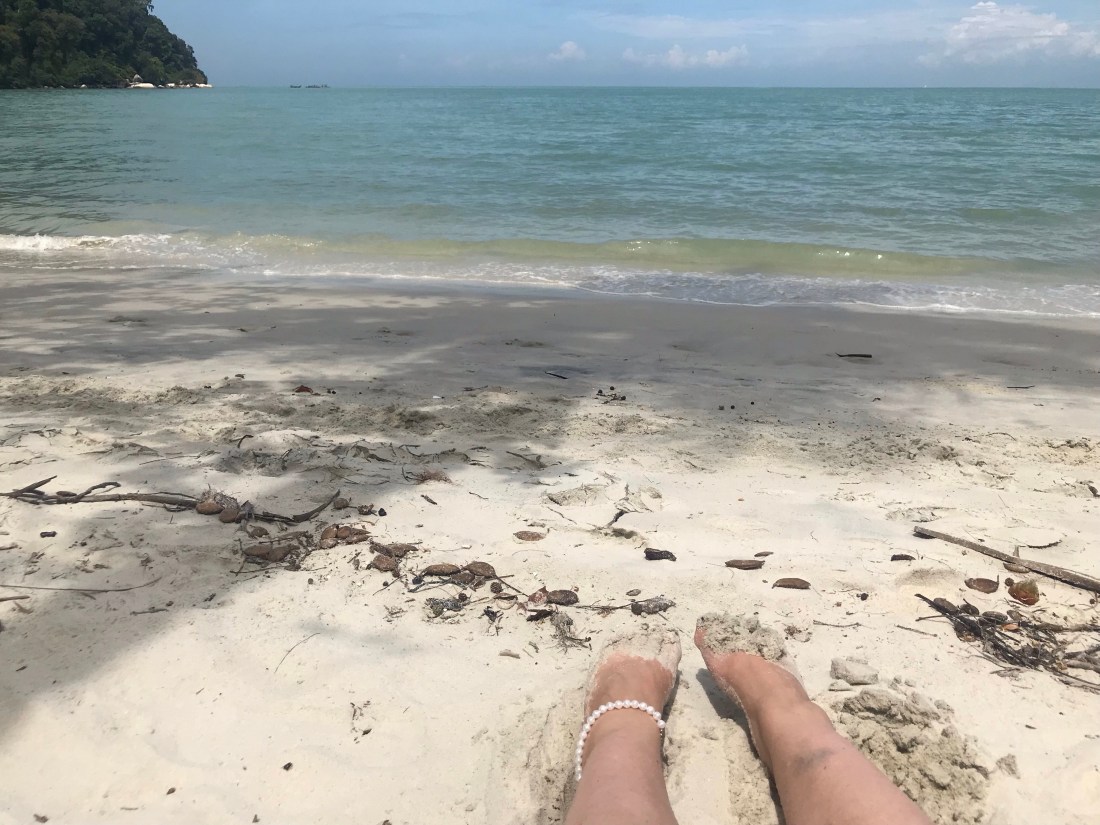
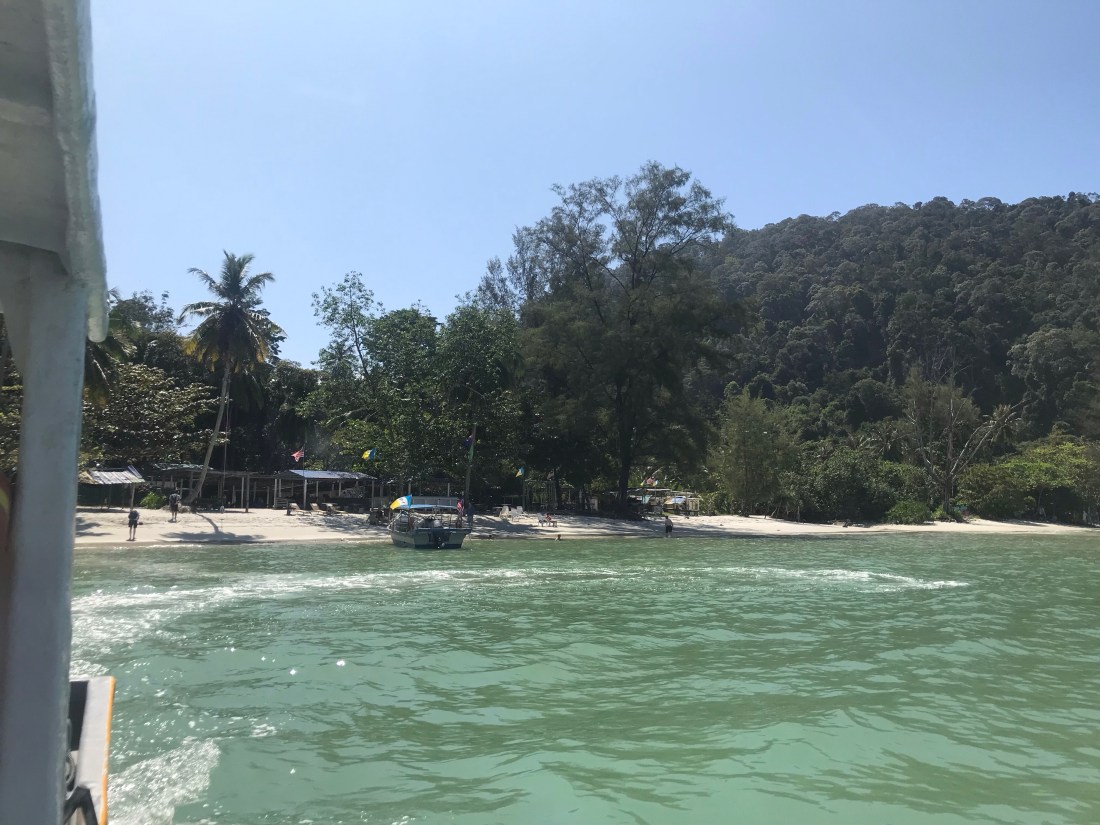
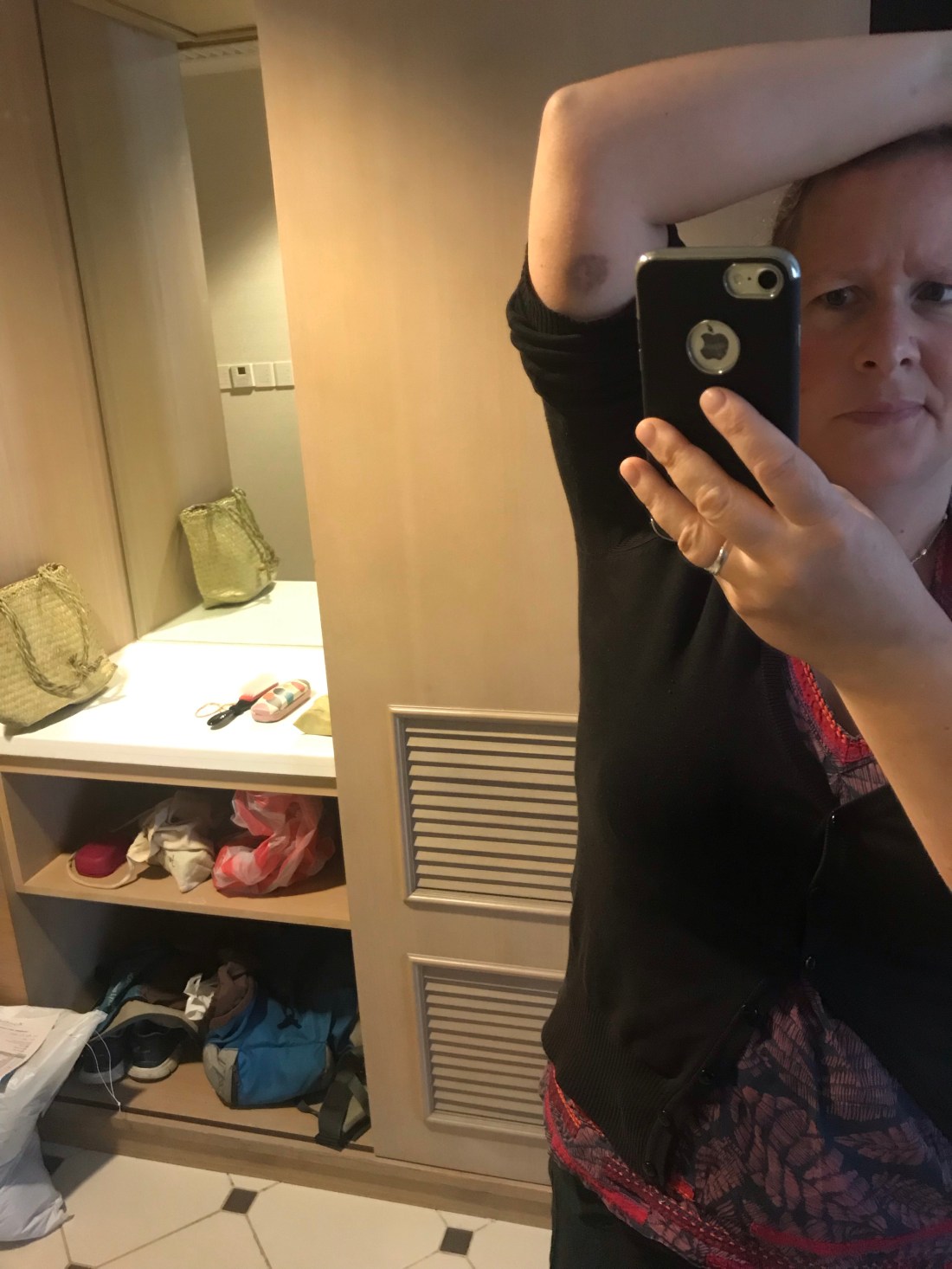
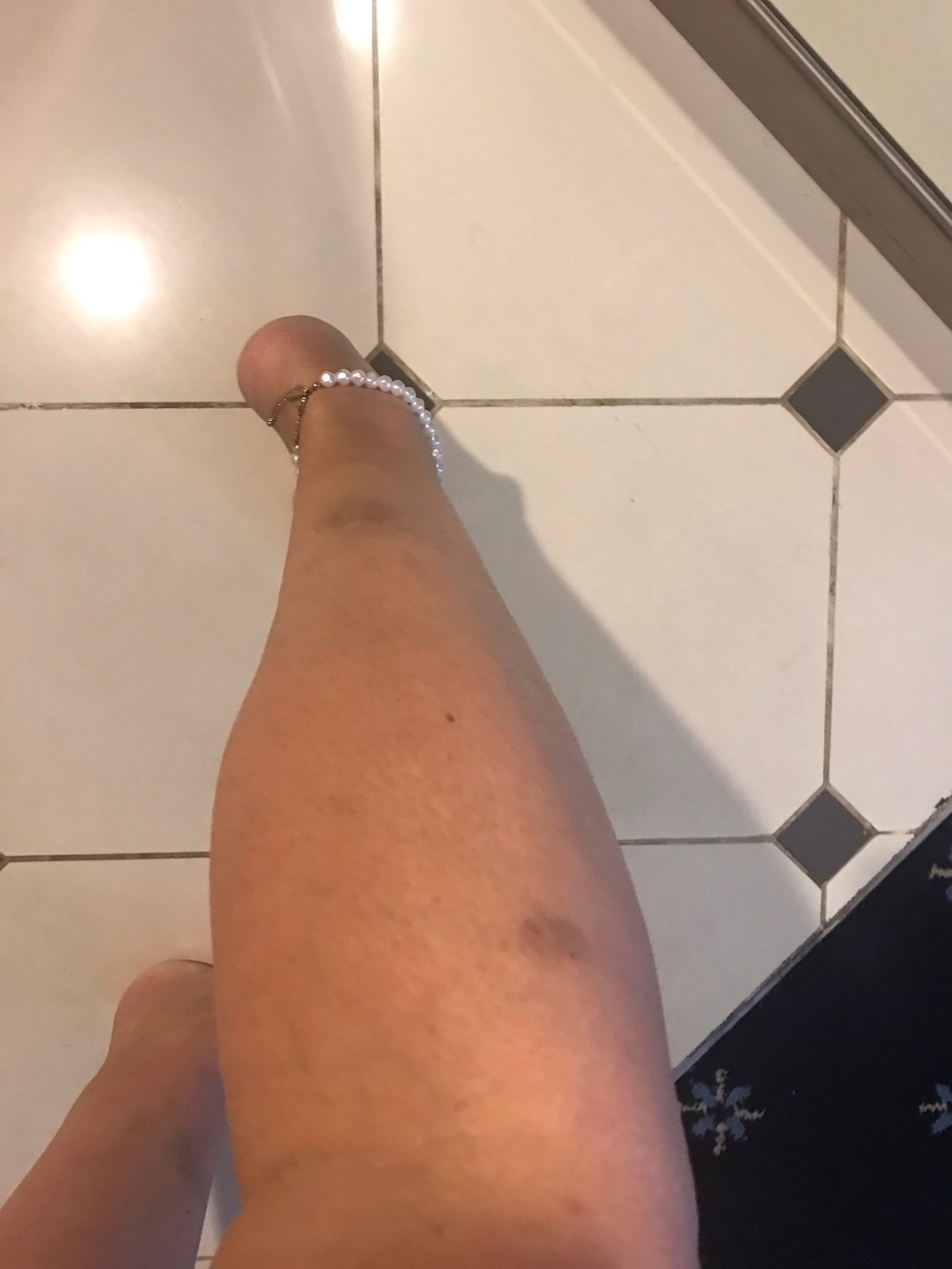
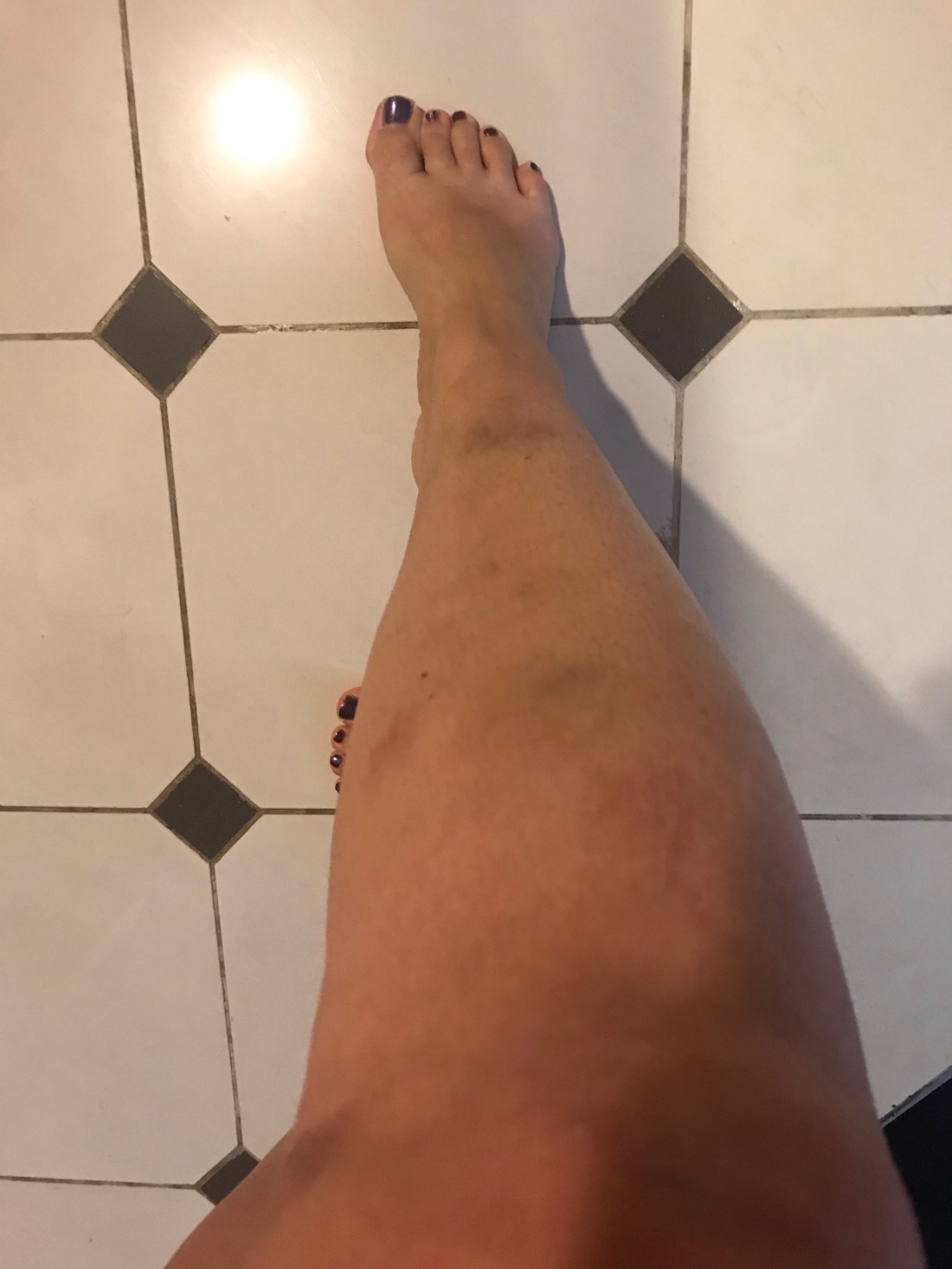
A brief pause in the history lesson to report on my holiday injury status. So far I’ve come off remarkably well. Only minor bruising though there has been quite a bit of that, mysteriously. I also developed a rash on the area above my chest but that seems to have cleared now. And I have several mosquito bites still, but they’re on their way now.

No idea how I sustained this bruise. No idea at all. But it’s taking ages to heal.

I am rejoicing in the fact that I haven’t been swept away in any more tides or drowned or broken any limbs or ended up needing medical treatment of any sort so far, bar a bit of antihistamine and tea tree oil (and my usual tablets of course) (I wonder if they make me more susceptible to bruising?).

Penang Island (ii) a history lesson

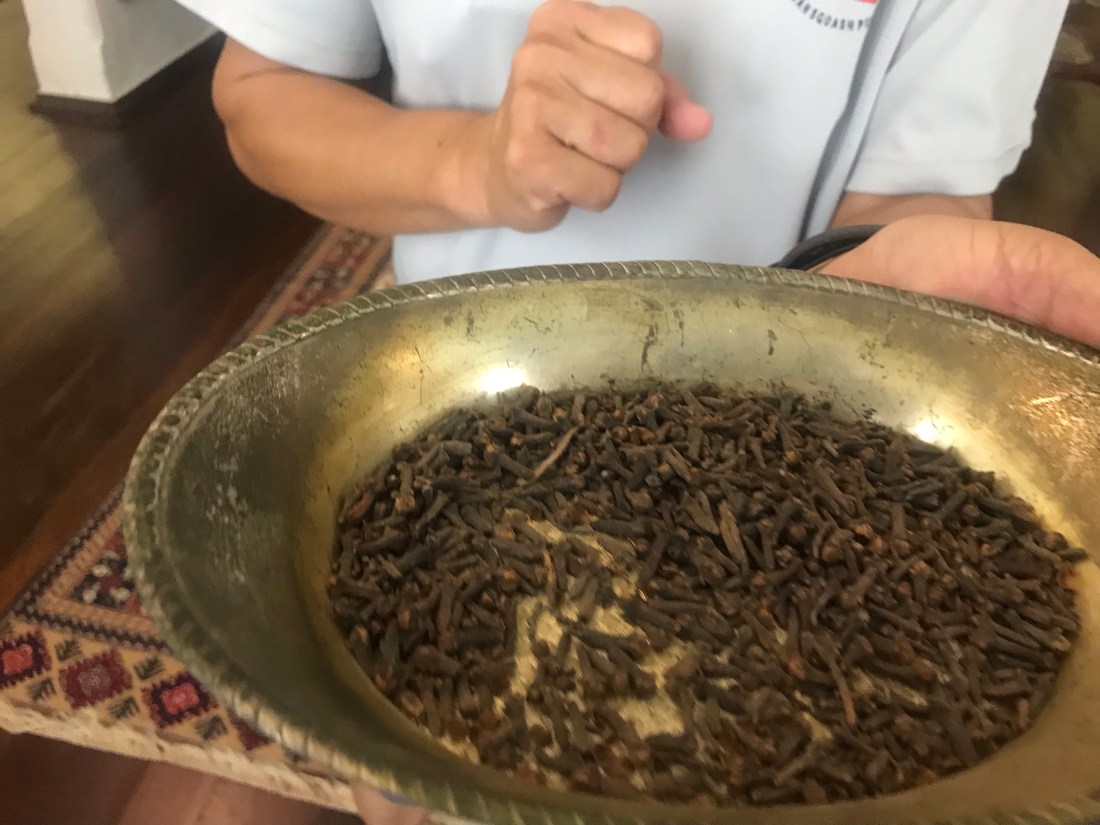
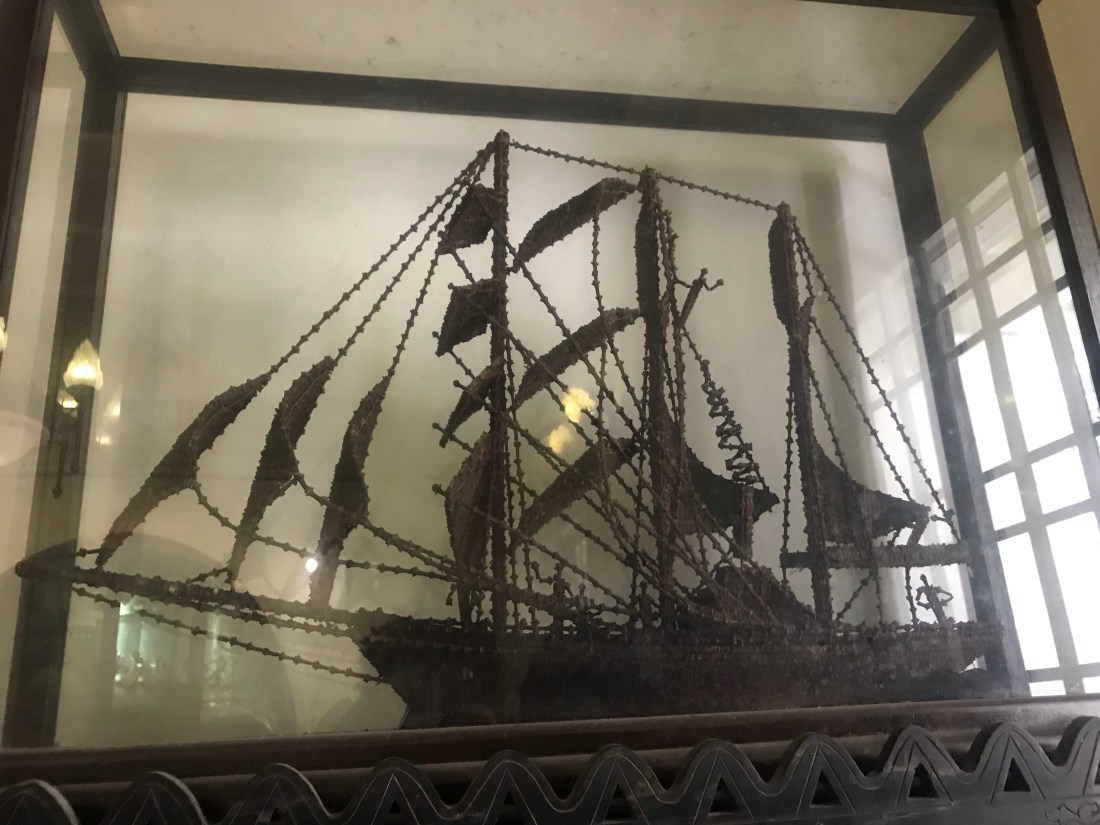
At one time, cloves were more valuable even than gold here, as the place was on trading routes for spices. The ship below was made entirely of cloves threaded together. As with much of this colonial era stuff, designed to impress people with the wealth of the owner.

Welcome to the Colonial Penang experience. The British “founded” Penang (never mind the Malay people and others who were here long before) on shaky ground to start with. Captain Francis Light got the Sultan of Kedah to give the British East India Company the Island in return for British military assistance (which never eventuated, because Light had acted without consent of his superiors) and a fairly paltry sum of money (6000 Spanish dollars / year). Covering ourselves in glory as always (not). George Town was established in 1786 and named in honour of King George III, and became the first British settlement in Southeast Asia, and a springboard for further expansion of the empire in the region.

When the Sultan realised Light had done the dirty on him, he tried to attack. Light tried to persuade him to stand down, but failed. Light had access to too much military might, and managed to defeat the Sultan.

In 1800, Sir George Leith, the first Lieutenant Governor of the island, managed to gain a further strip of land from the Sultan. In return, the annual payment to the Sultan became 10000 Spanish dollars. Apparently, every year, the Malaysian Federal Government still pays Kedah 10000RM as a symbolic gesture. And the British government pays nada. Hmmm.

But, business flourished and there was a lot that was good about the British influence here, bringing beautiful building design techniques and materials, and music and so on, which remain today. Local people are prodigiously proud of their island and of George Town, I think. Penang is one of the most well developed areas in Malaysia, apparently, although George Town itself is a UNESCO world heritage site, so can’t be as modernised.

During World War II, the British withdrew from Penang, leaving it vulnerable to attack. (When the going gets tough…) In December 1941 the Japanese bombed the island heavily, killing and wounding numerous civilians. The British had secretly evacuated all the European citizens in Penang beforehand as well. From December 1941 until September 1945, Penang was under Japanese occupation, which was a brutal regime, particularly for the Chinese, thousands of whom were massacred. On 2nd September 1945 at the end of the war, the island was recaptured by the British, finally.

A positive view of the British was never reestablished after all that betrayal, and Penang finally gained independence from the British Empire in 1957. The local people here seem very philosophical about it all now though, and they still all call me “Madam”. But I bet they wouldn’t trust a British businessman further than they could throw him!

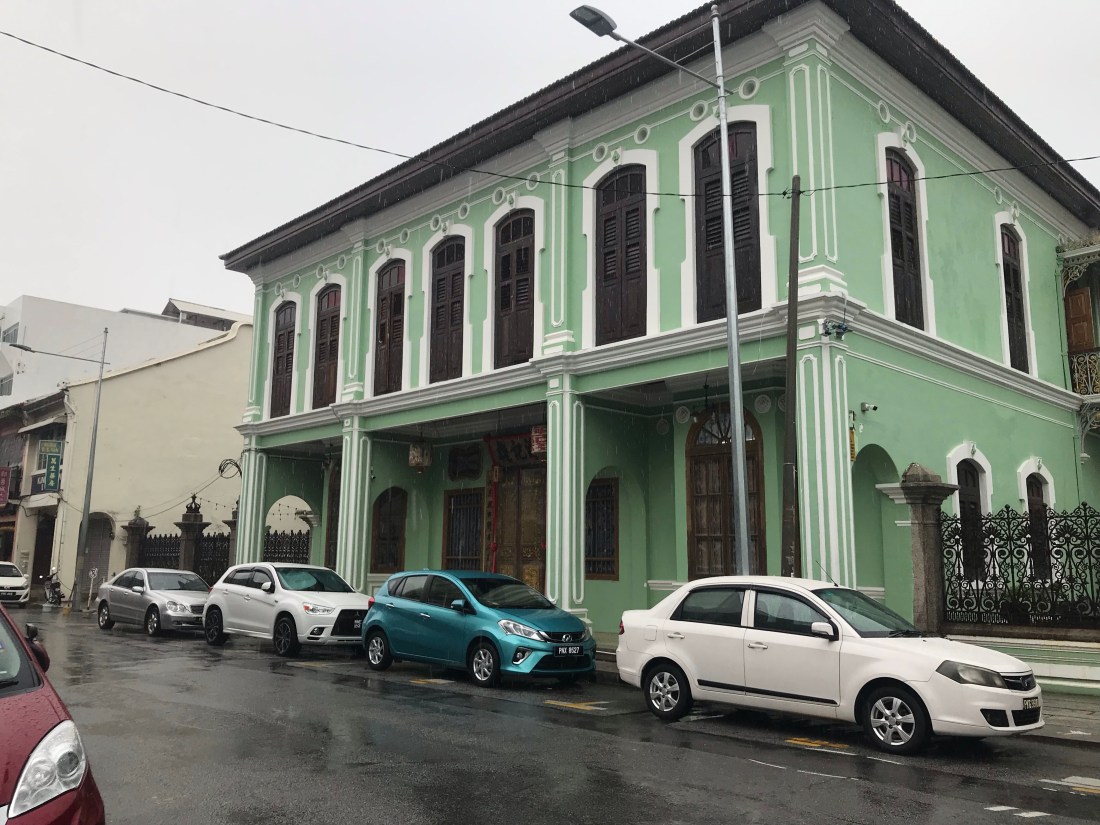
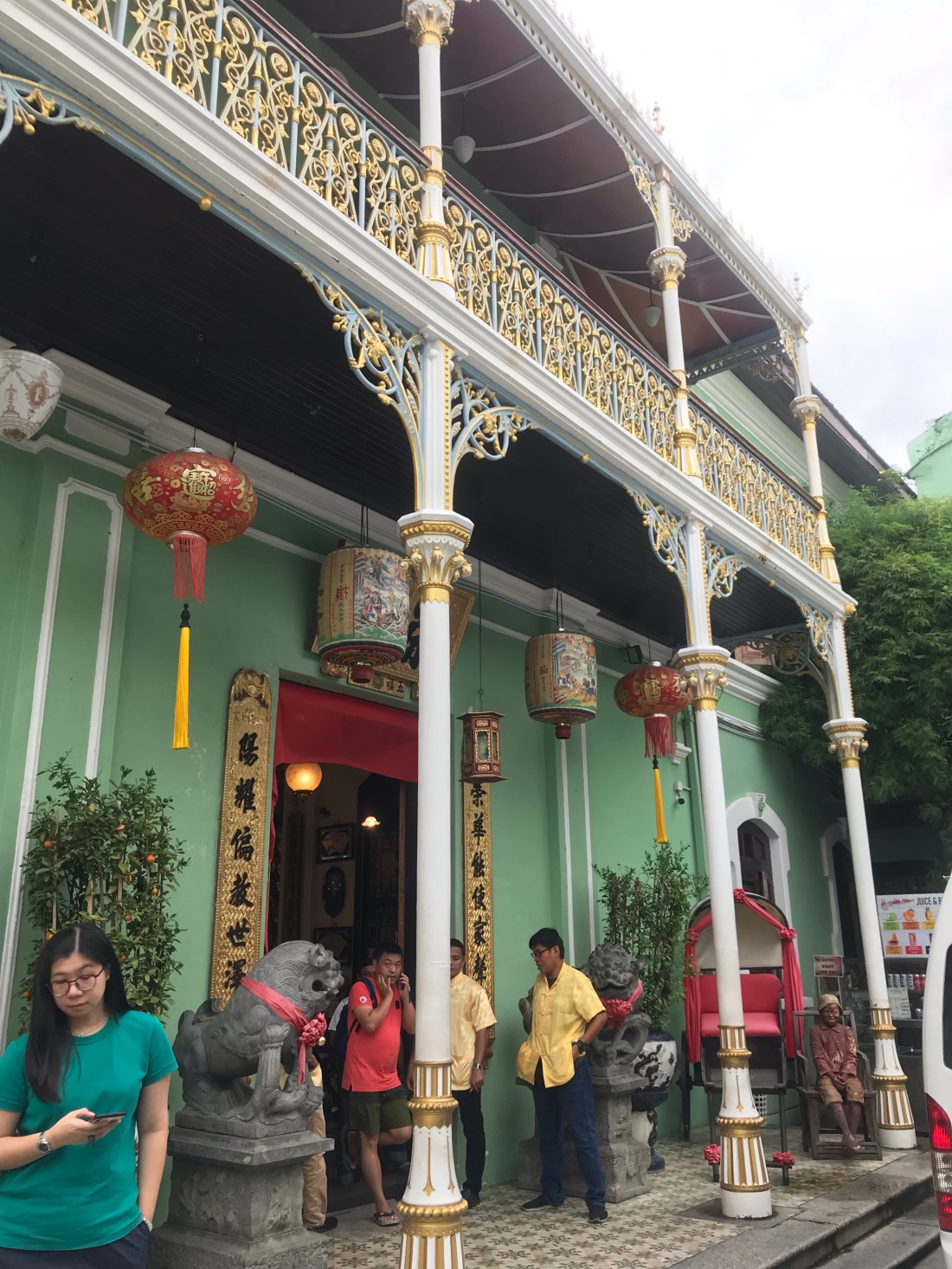
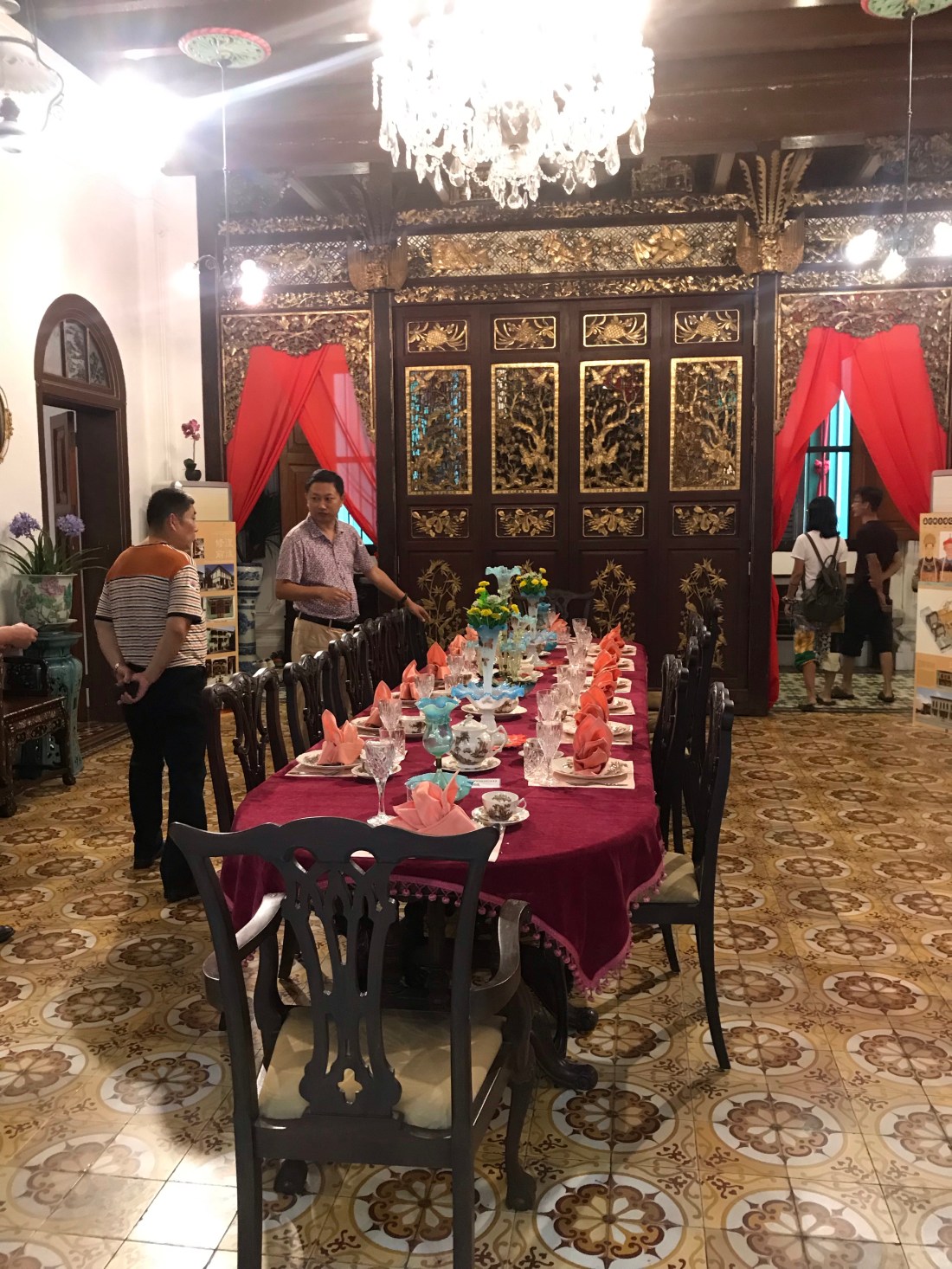
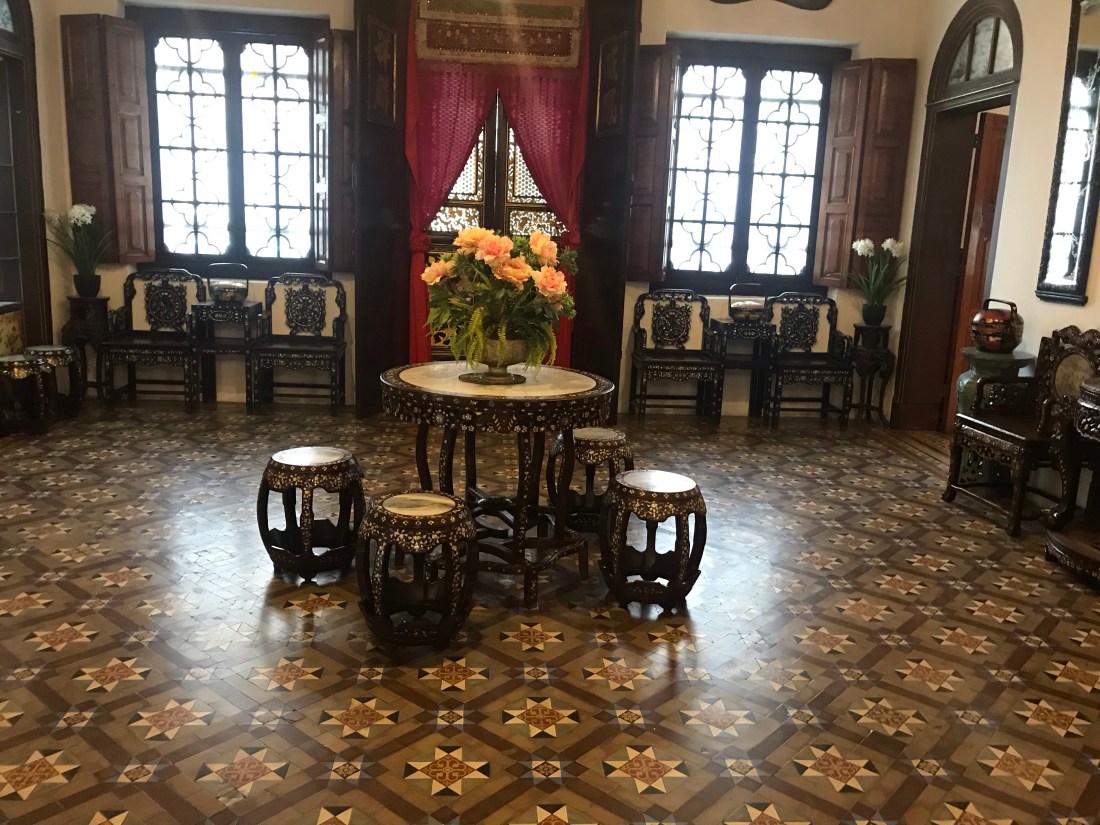
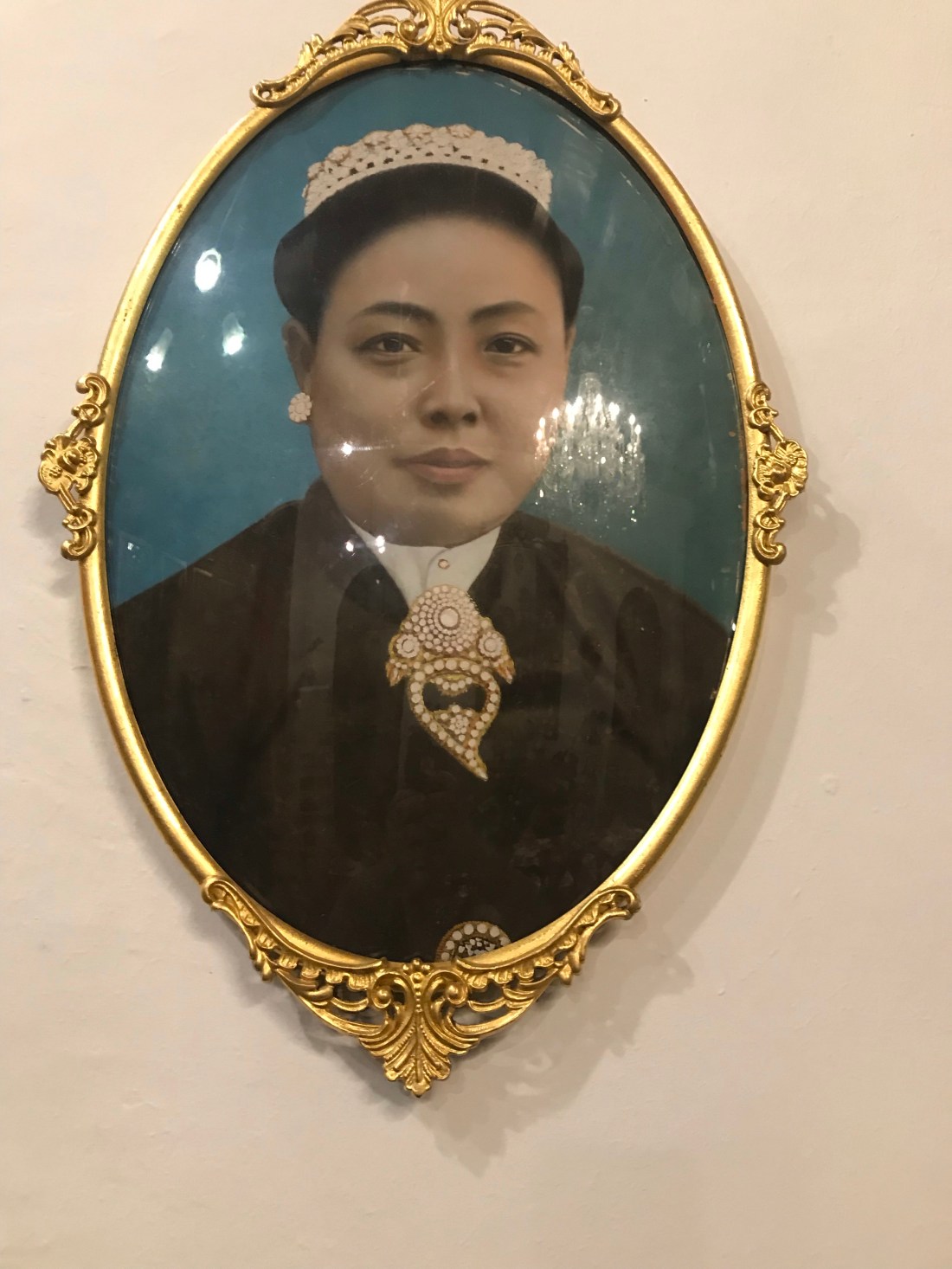
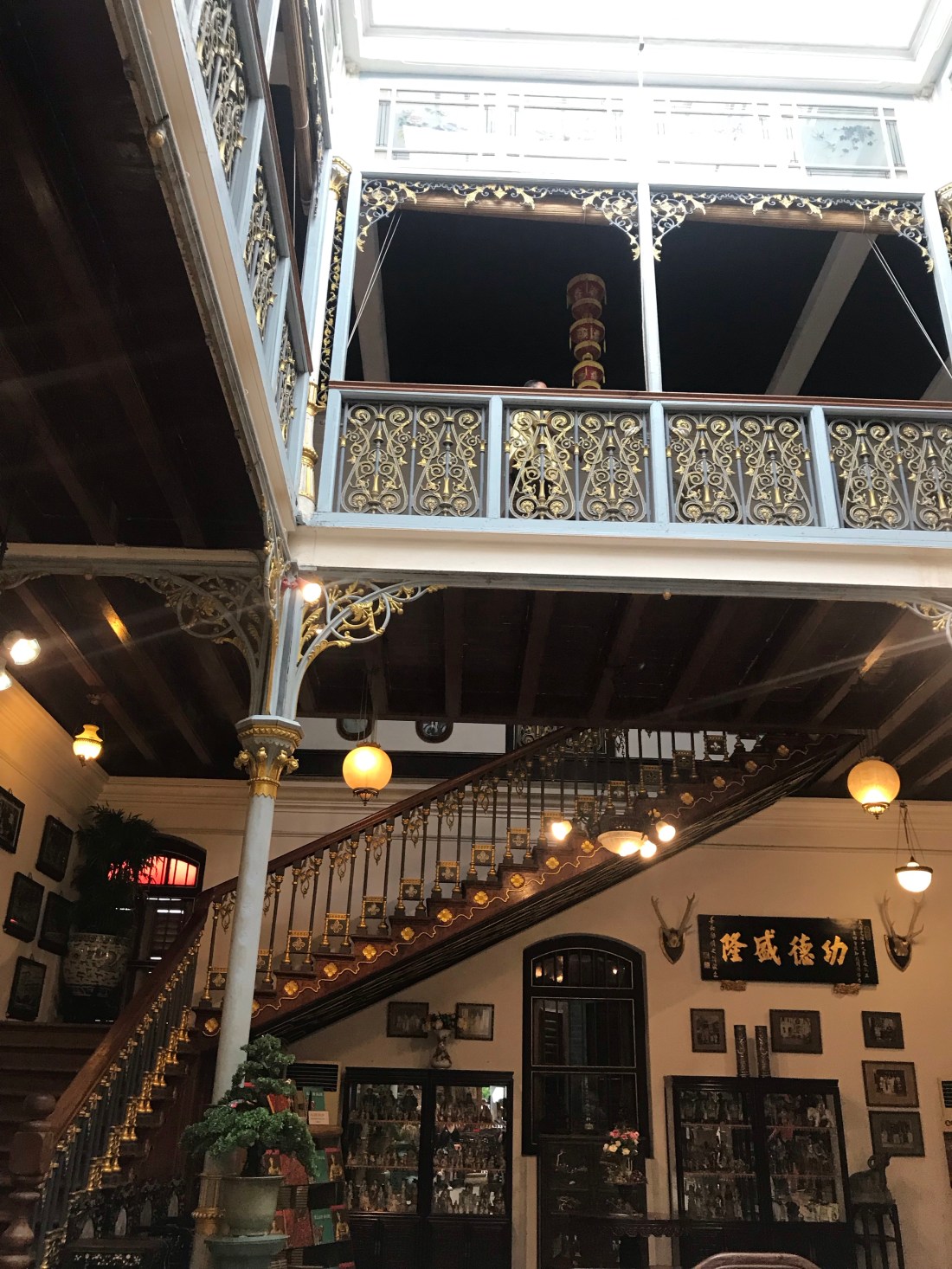
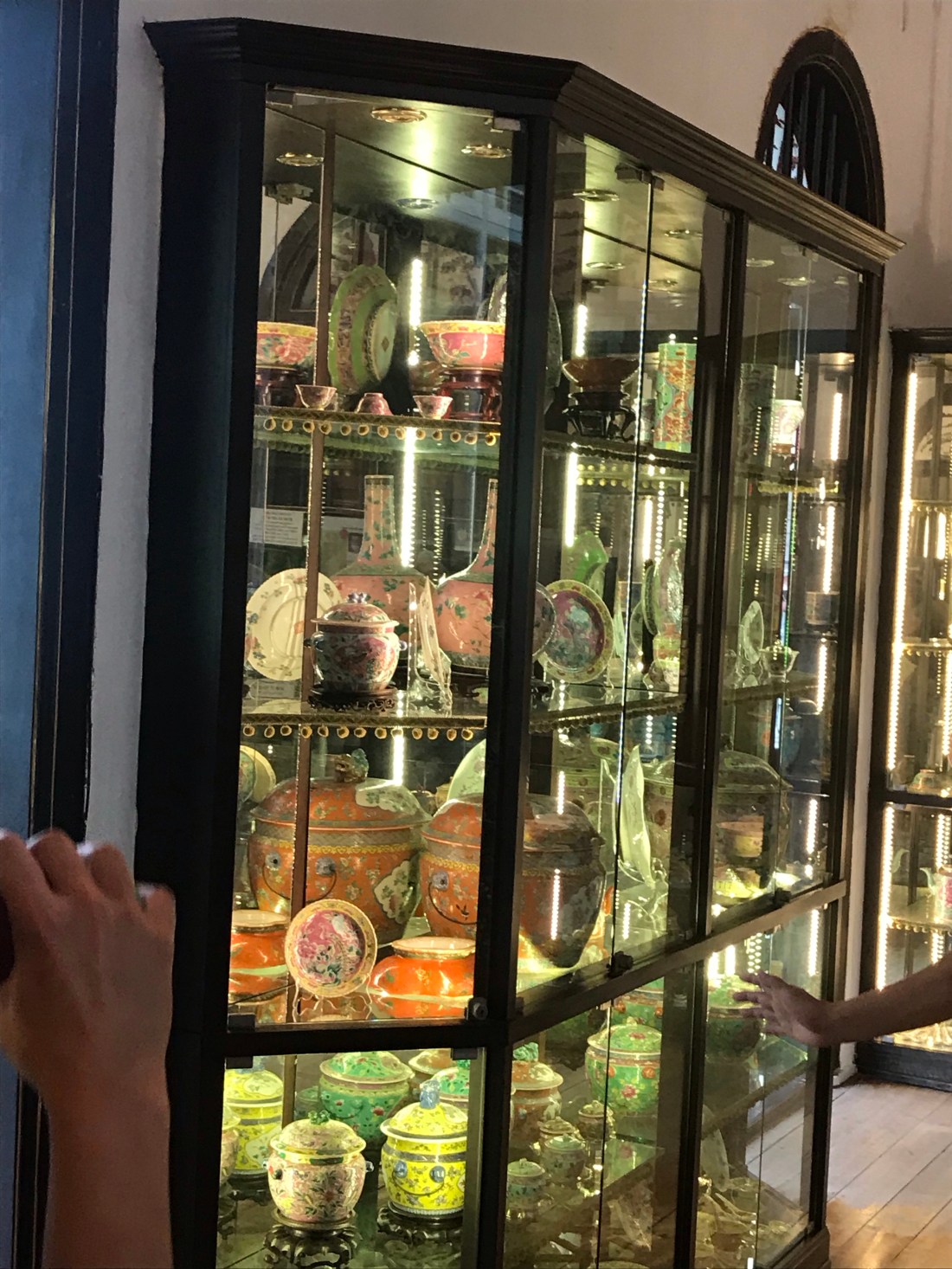
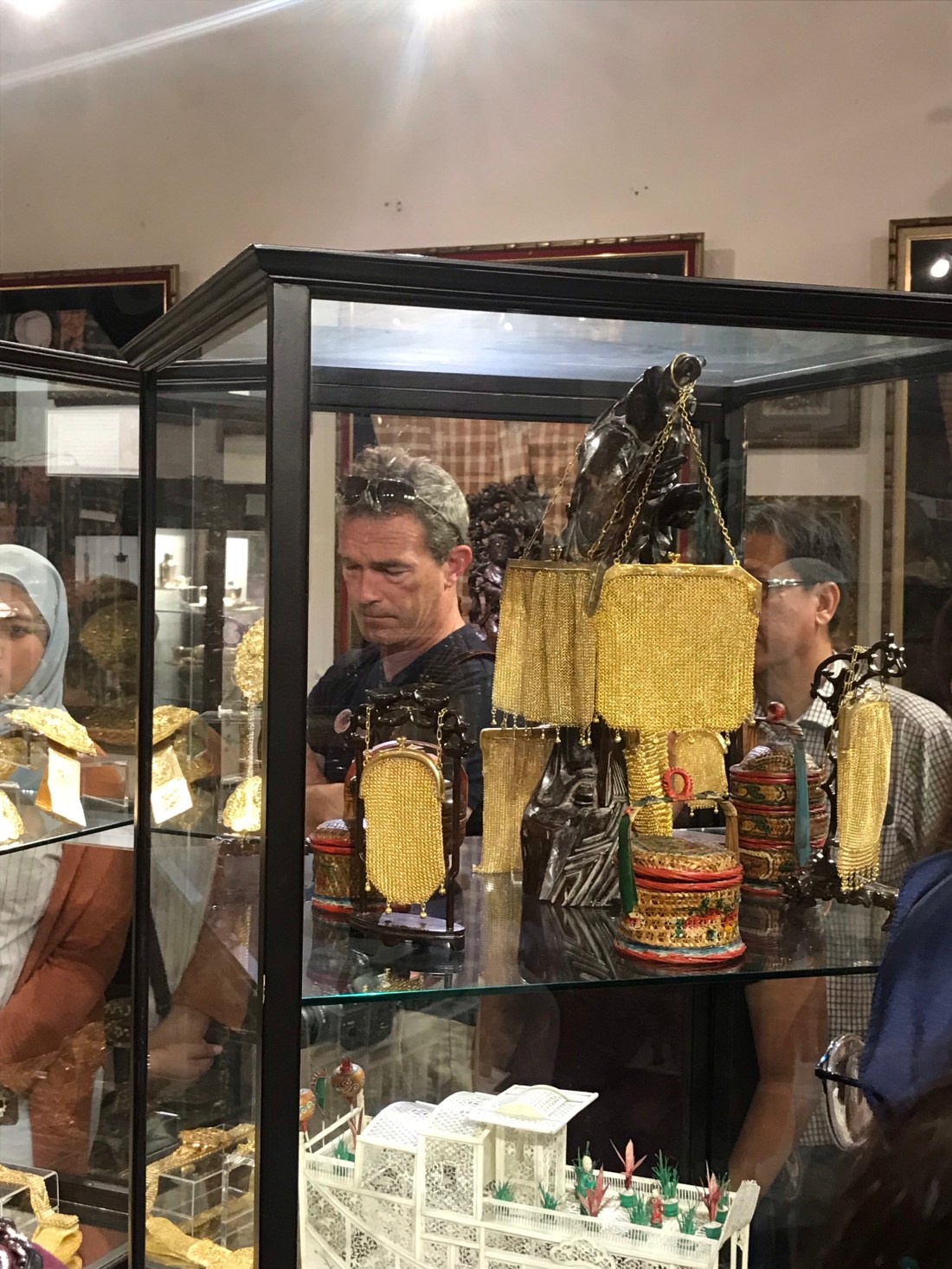
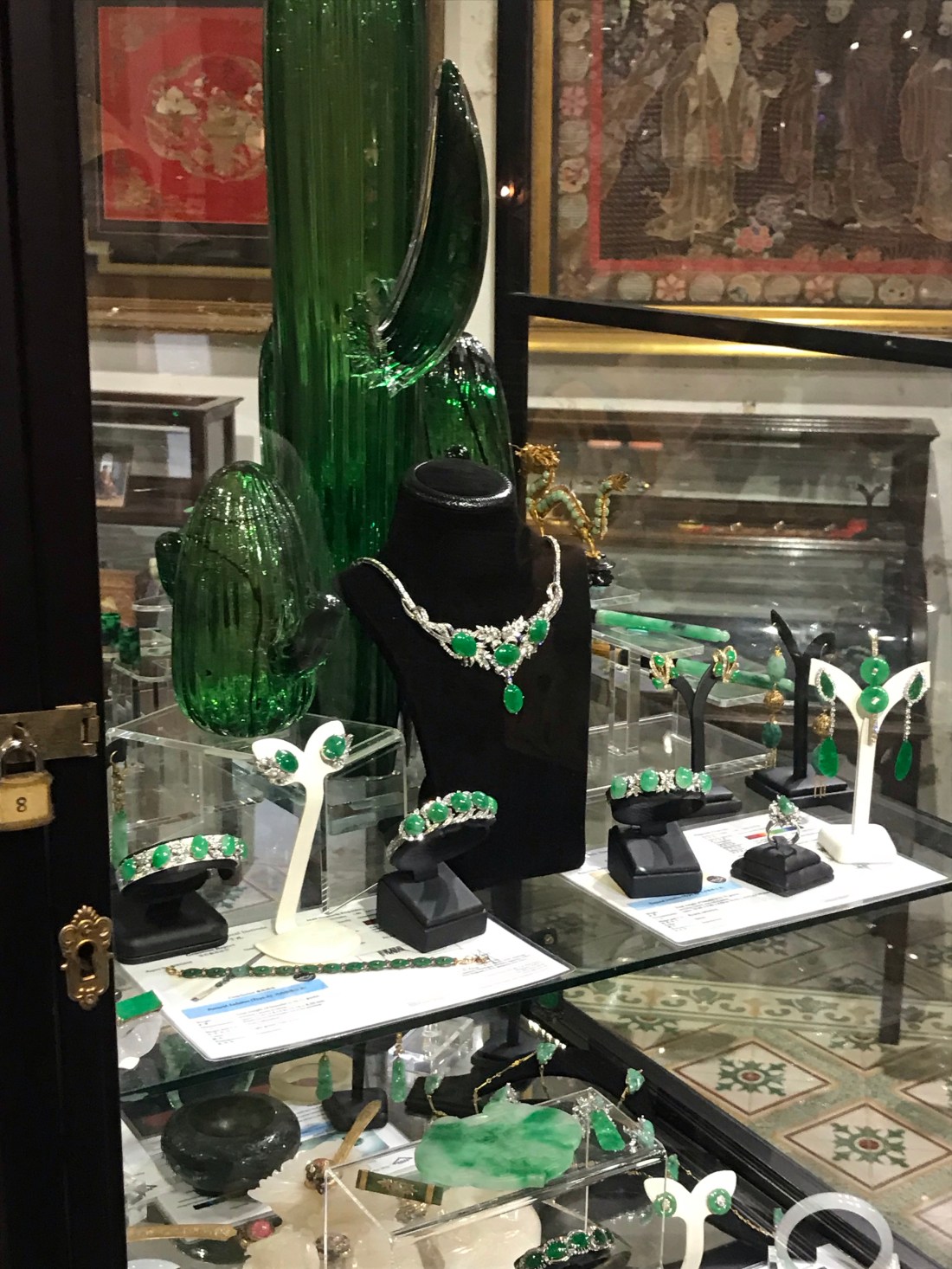
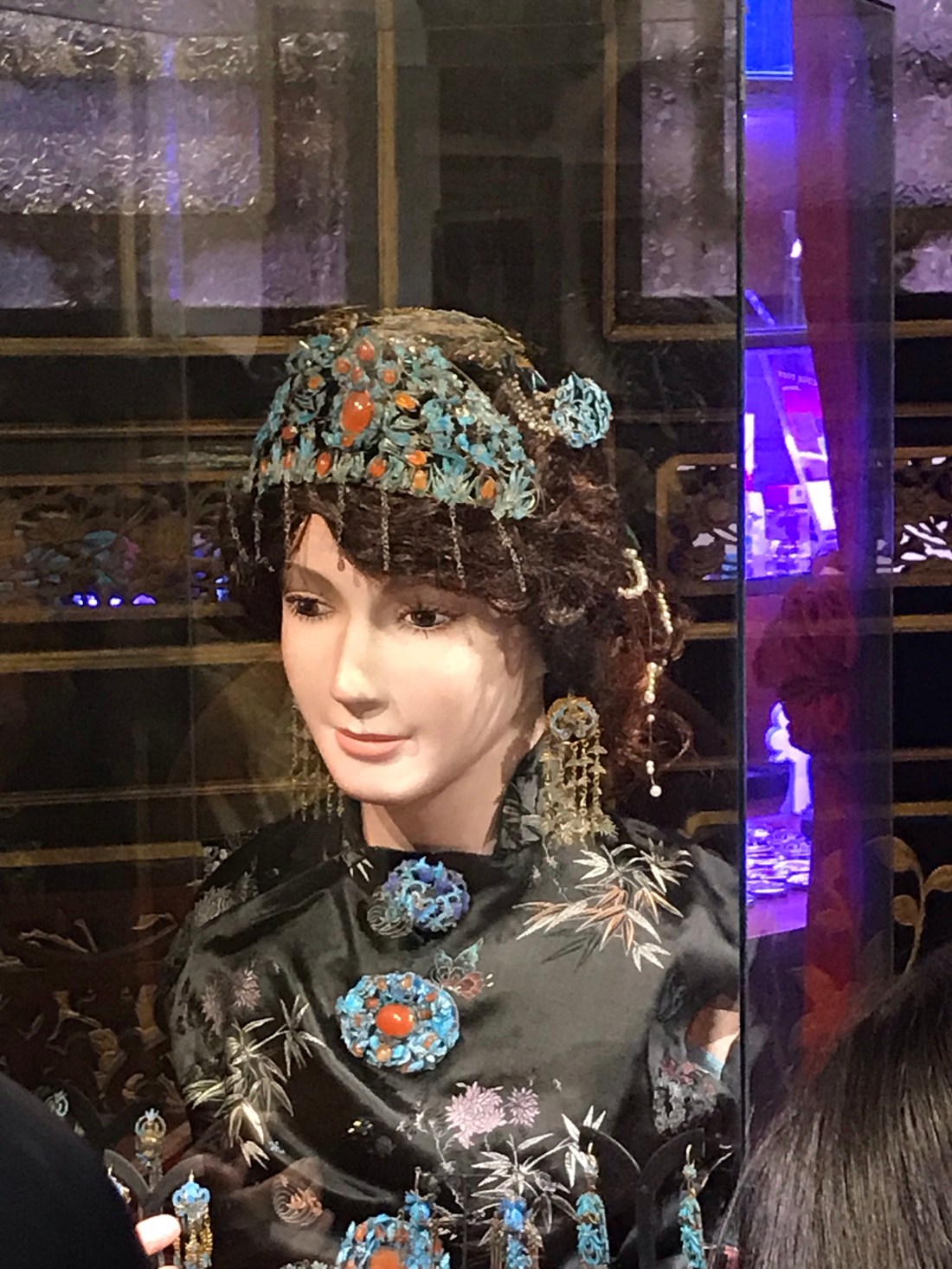
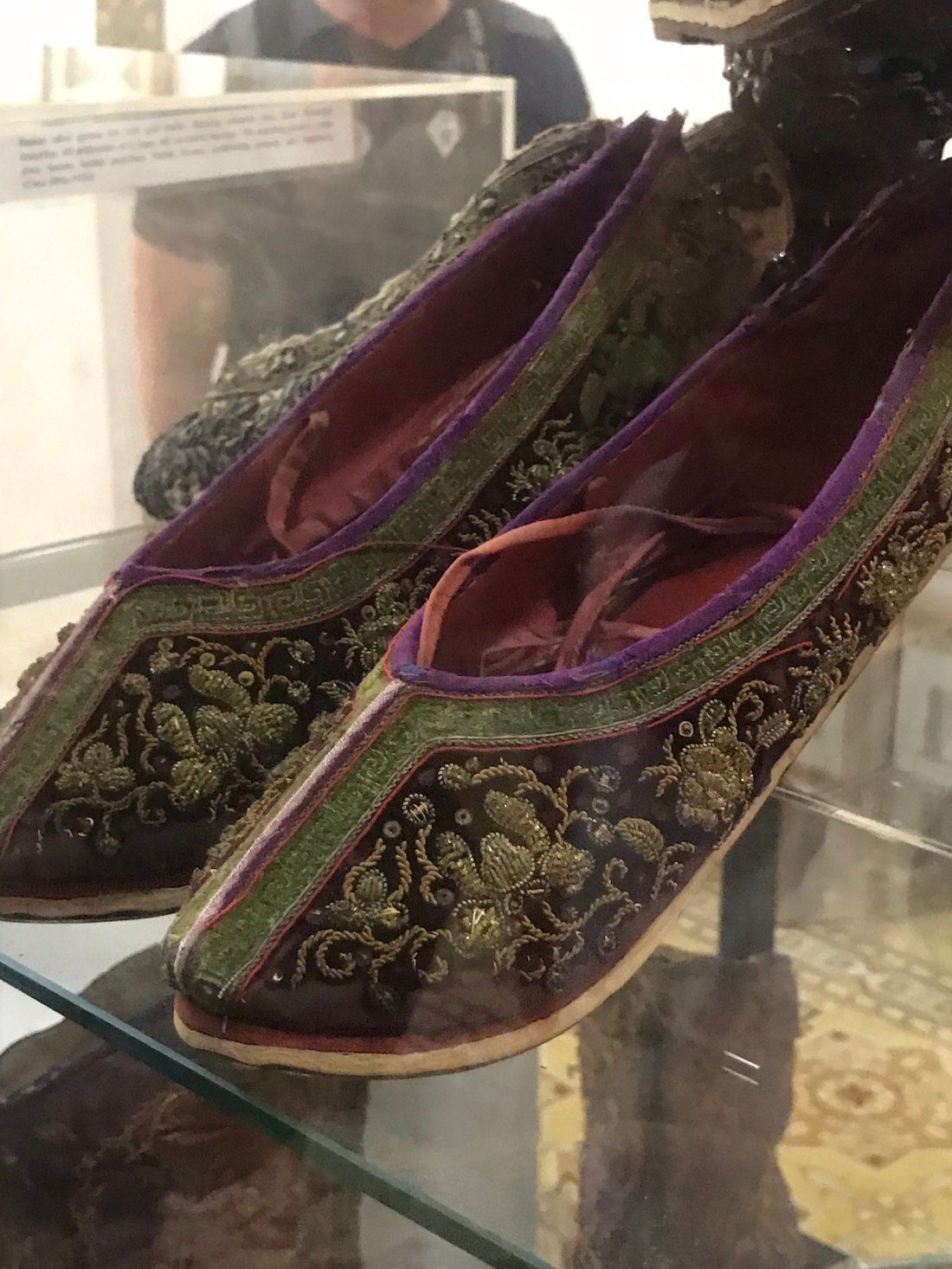
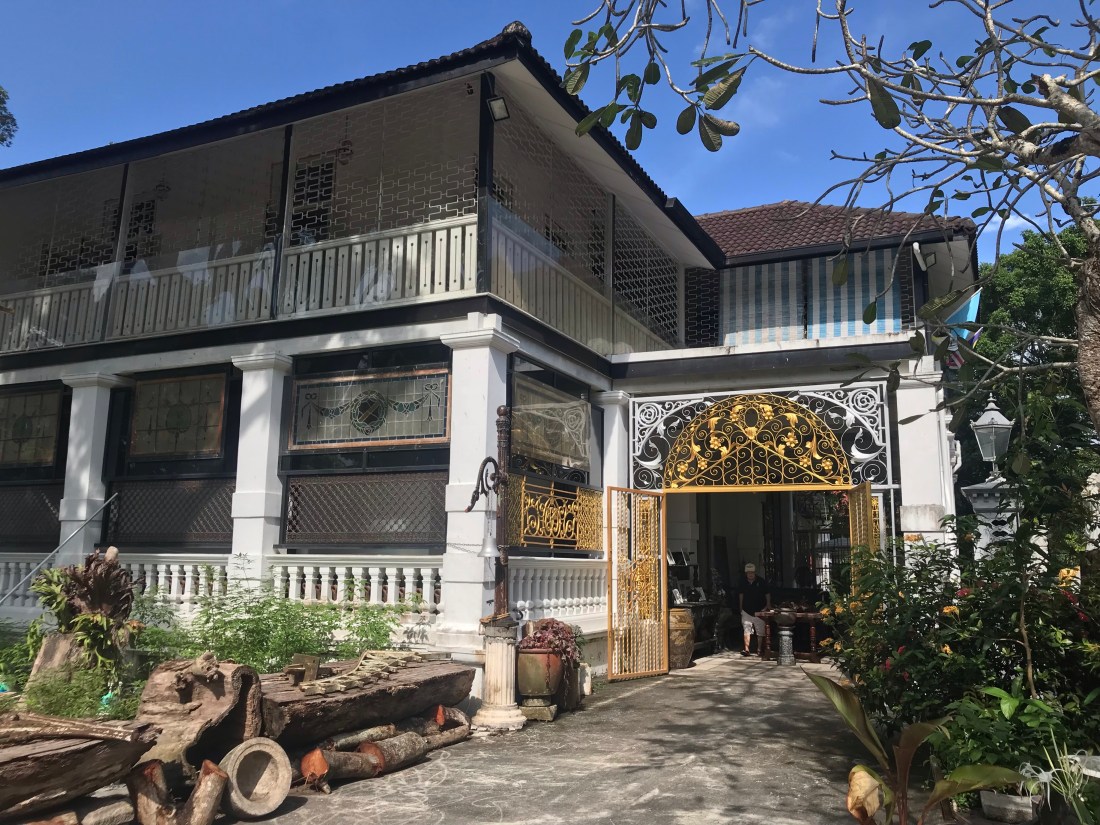
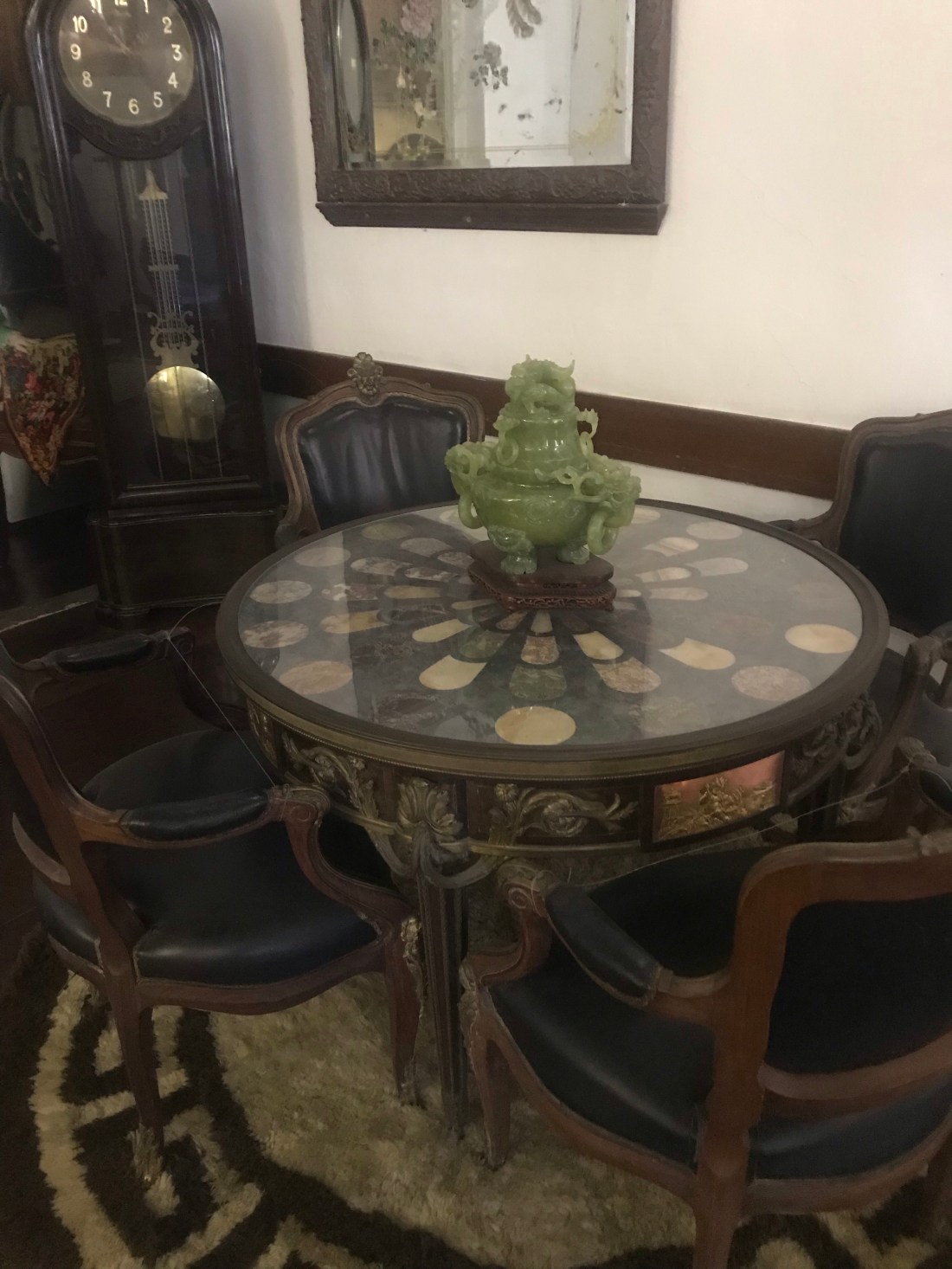
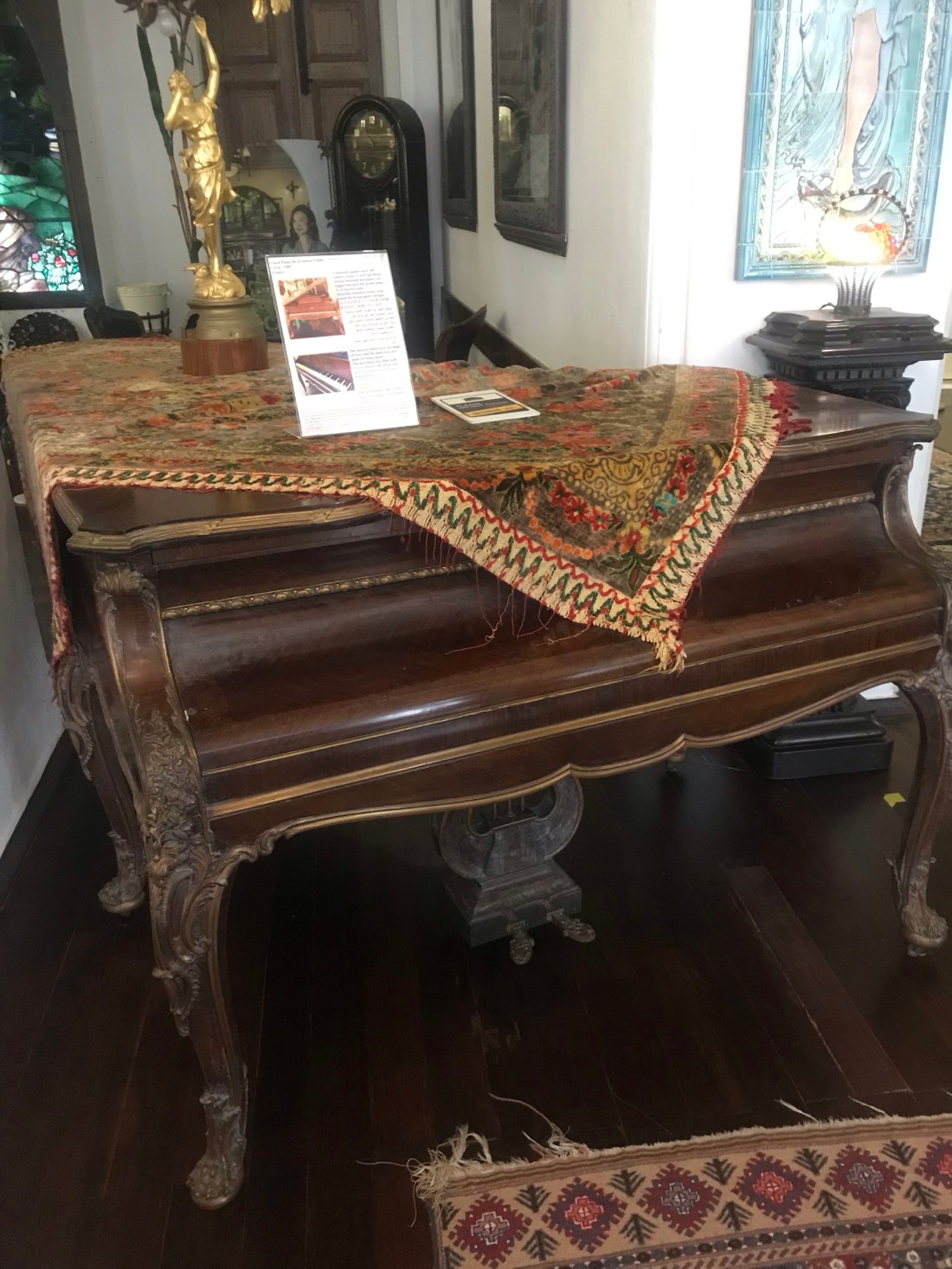
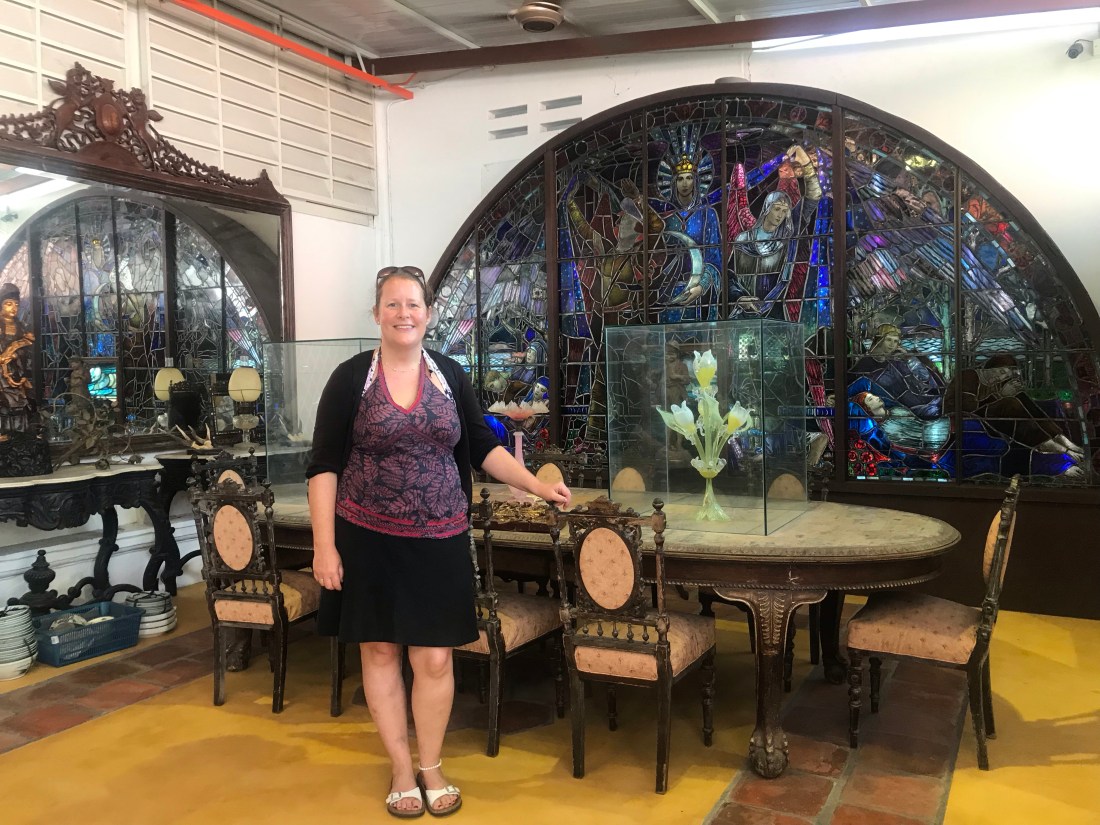
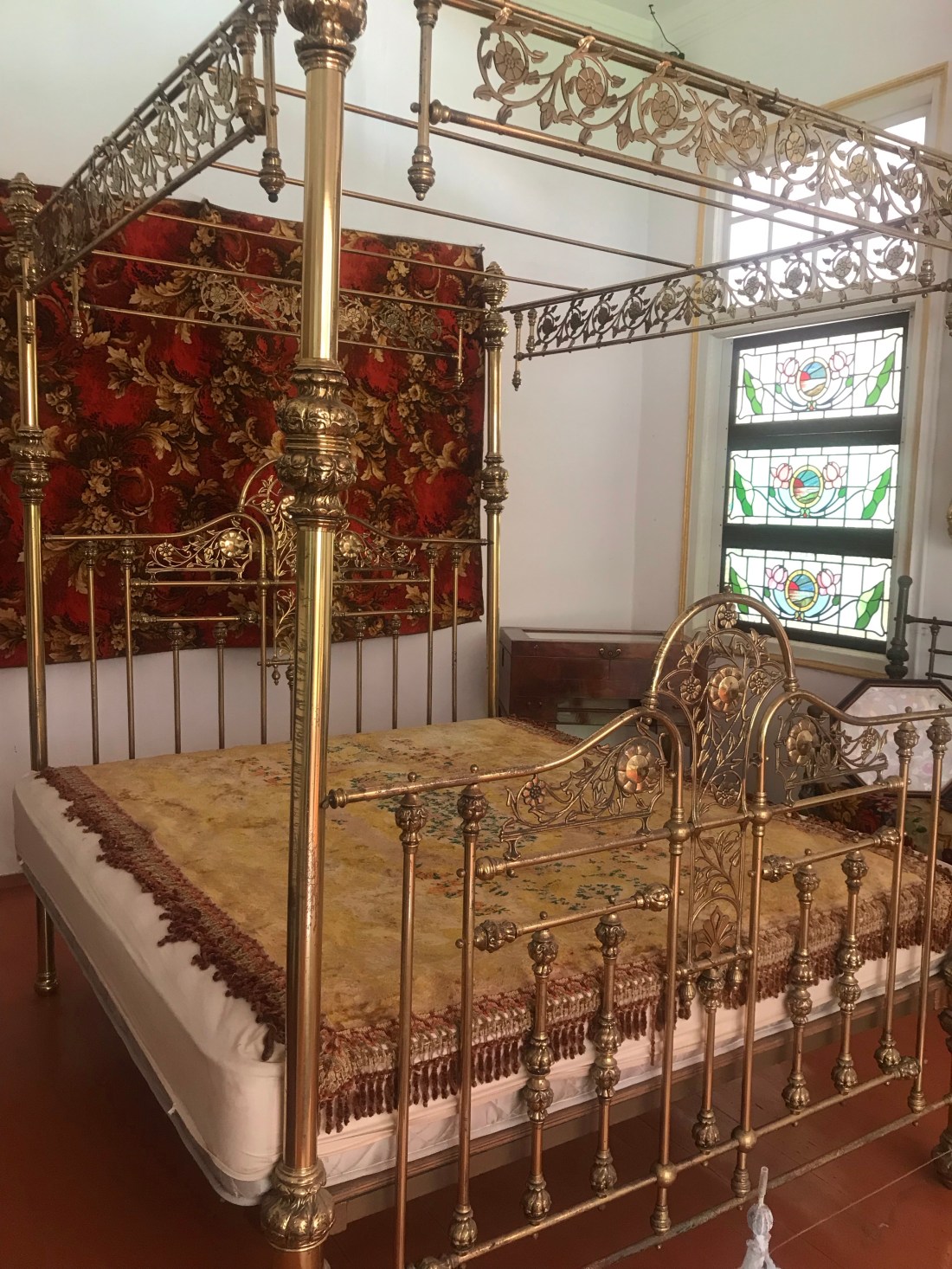
The opulence displayed in a lot of the museums in Penang was not actually British owned. Rather it was owned by Chinese tradesmen (Baba) who married Malay wives of high social standing (Nyonya), and built on their existing fortunes (the phrase “Baba Nyonya” is used a lot here to describe these beautiful and socially important couples). It was in their interest to keep in with the British, so they adopted a lot of things like British clothes and also at great cost imported British (and European) made building materials, stained glass windows, trumpet vases, furniture, you name it, for their mansions.

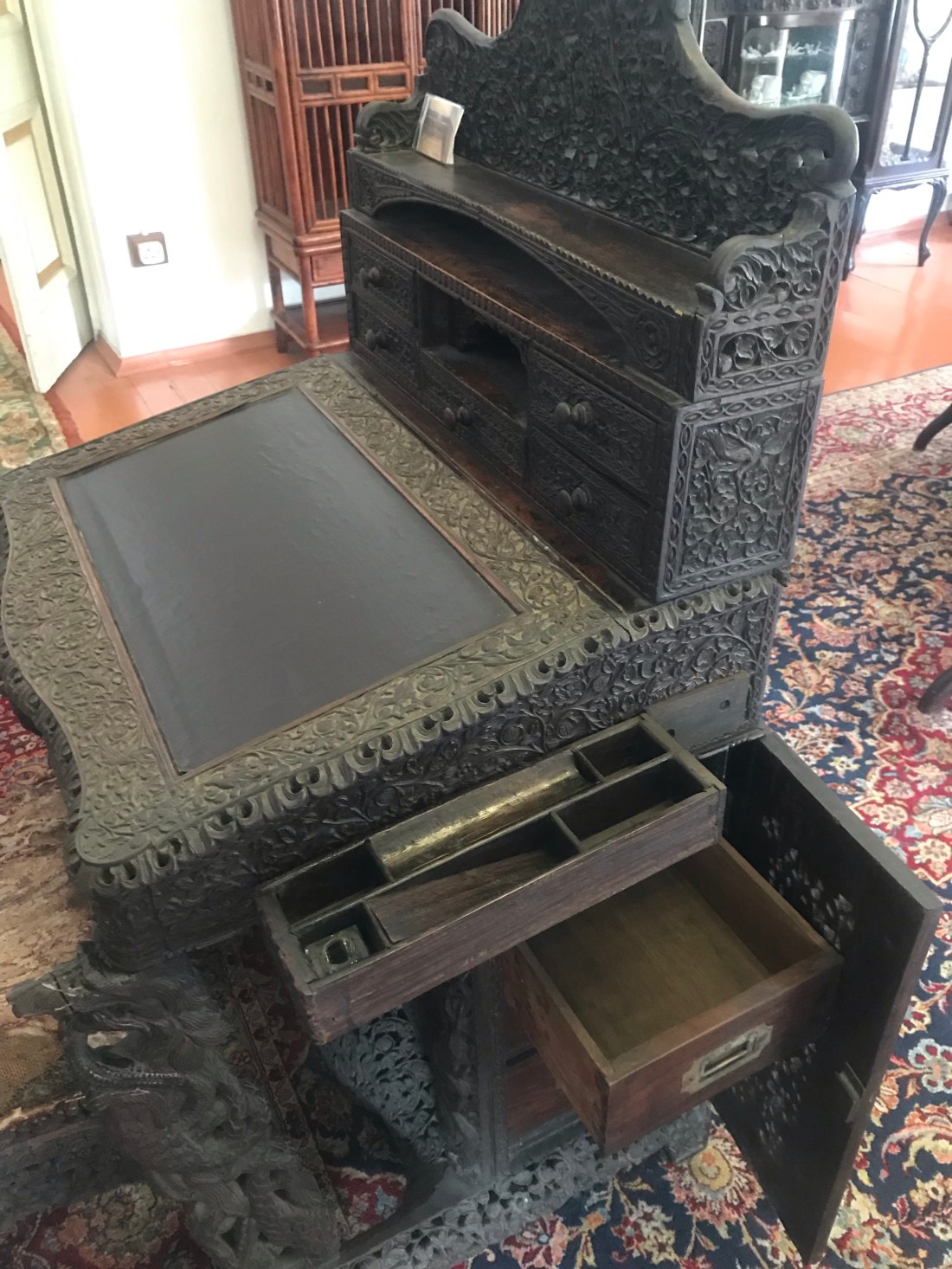
Captain’s desk made for the captain of a ship, including lots of hidden compartments for confidential documents as well as beautifully intricate carving:

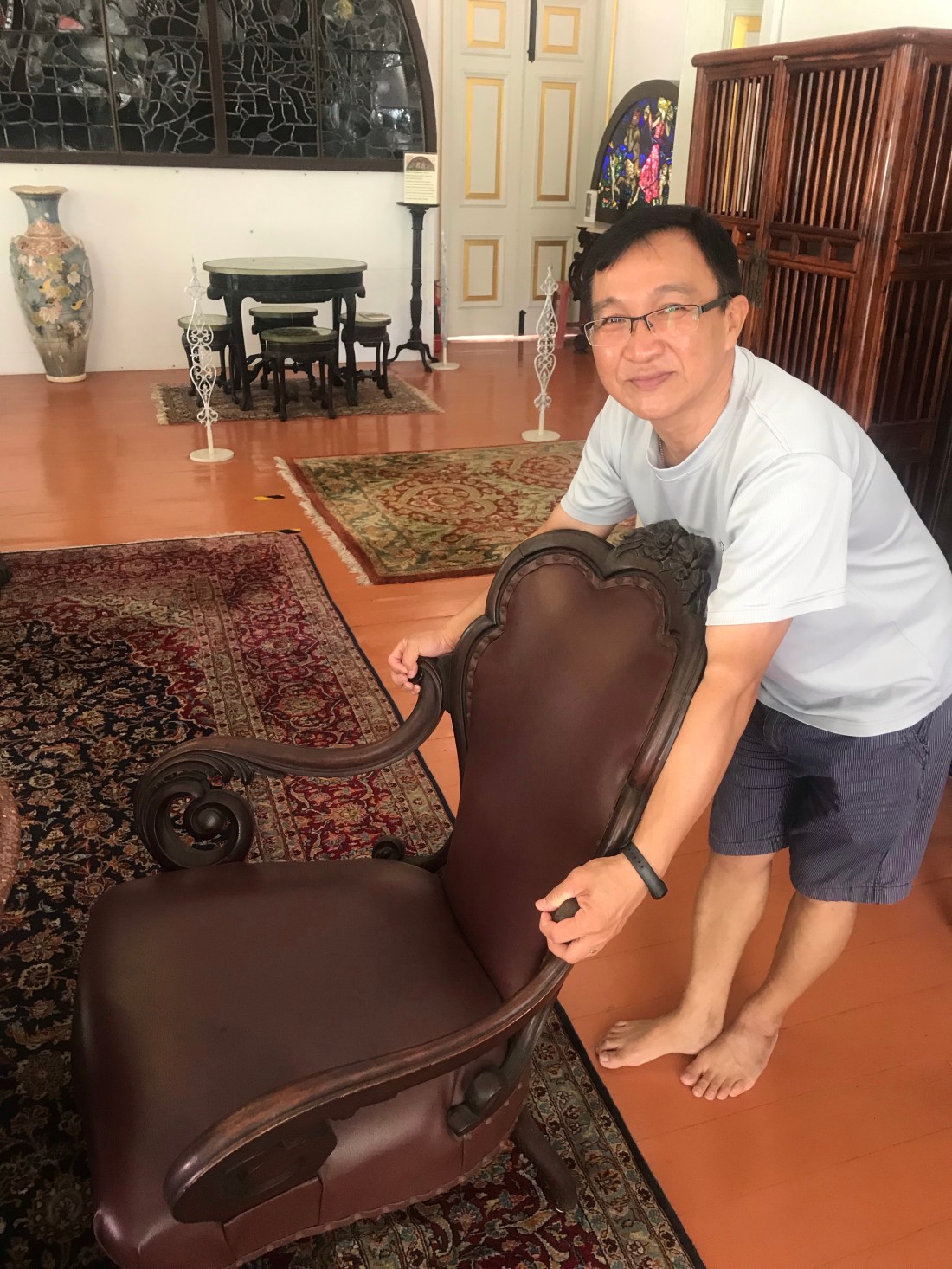
Scrolls carved onto the arms of this chair for ladies, so the gentleman can pull it back for them as my guide demonstrated here. Ah, there are some things I’m sad we’ve lost…!

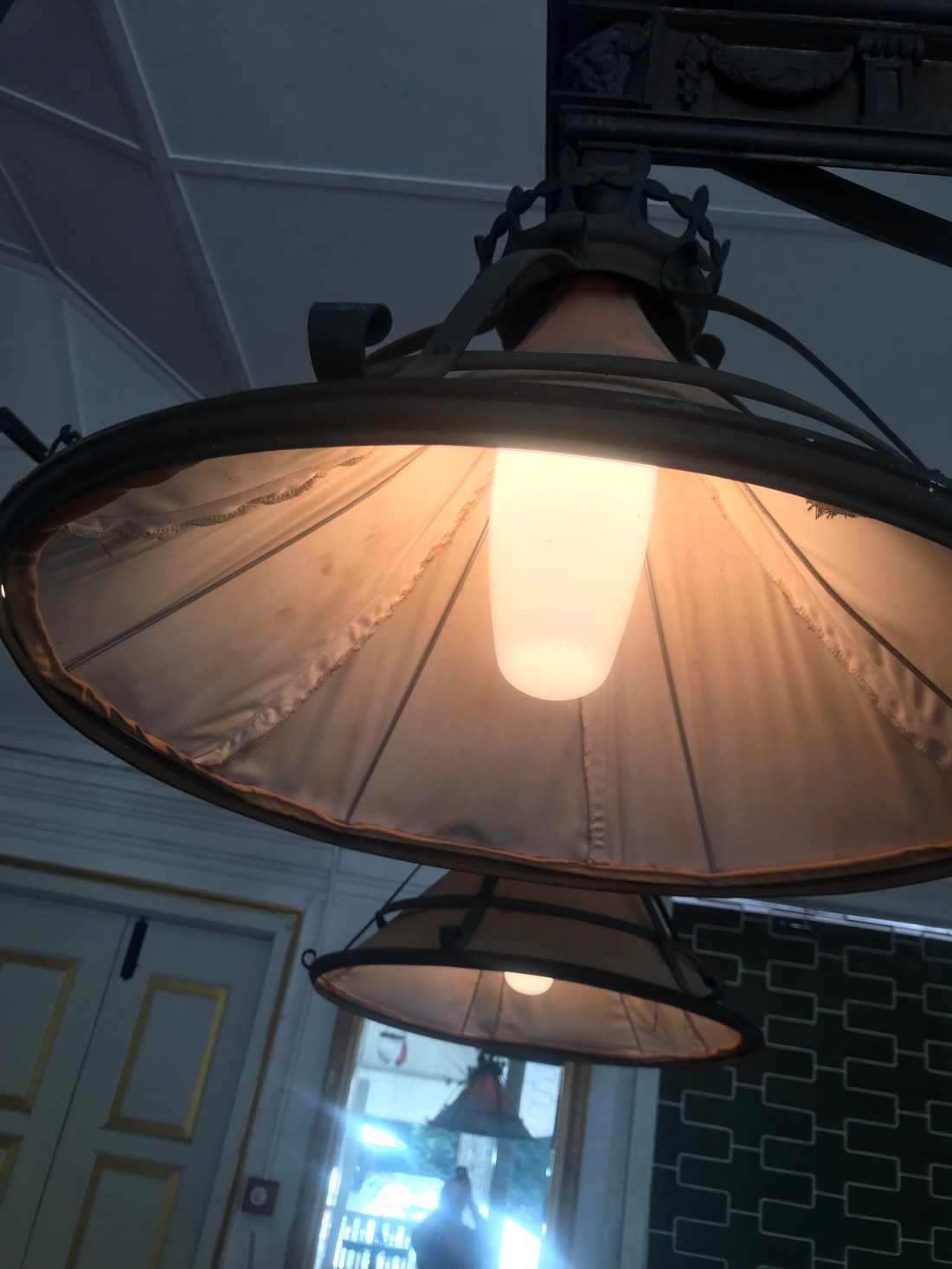
Here are some Philip’s light bulbs. They have been working since 1920!! Only one of them out of six has stopped working. So how come it took so long for us to get low energy light bulbs? That would last?

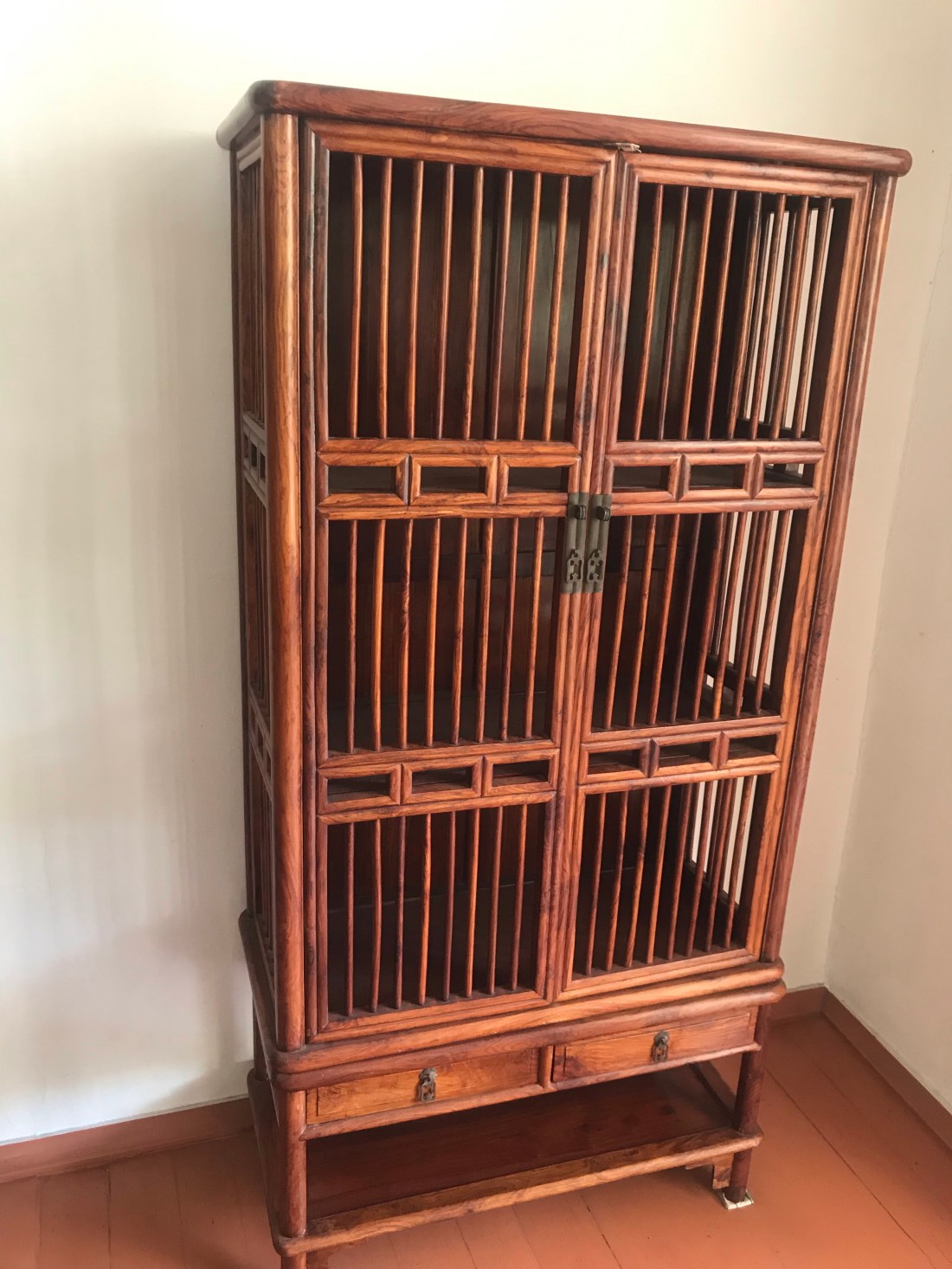
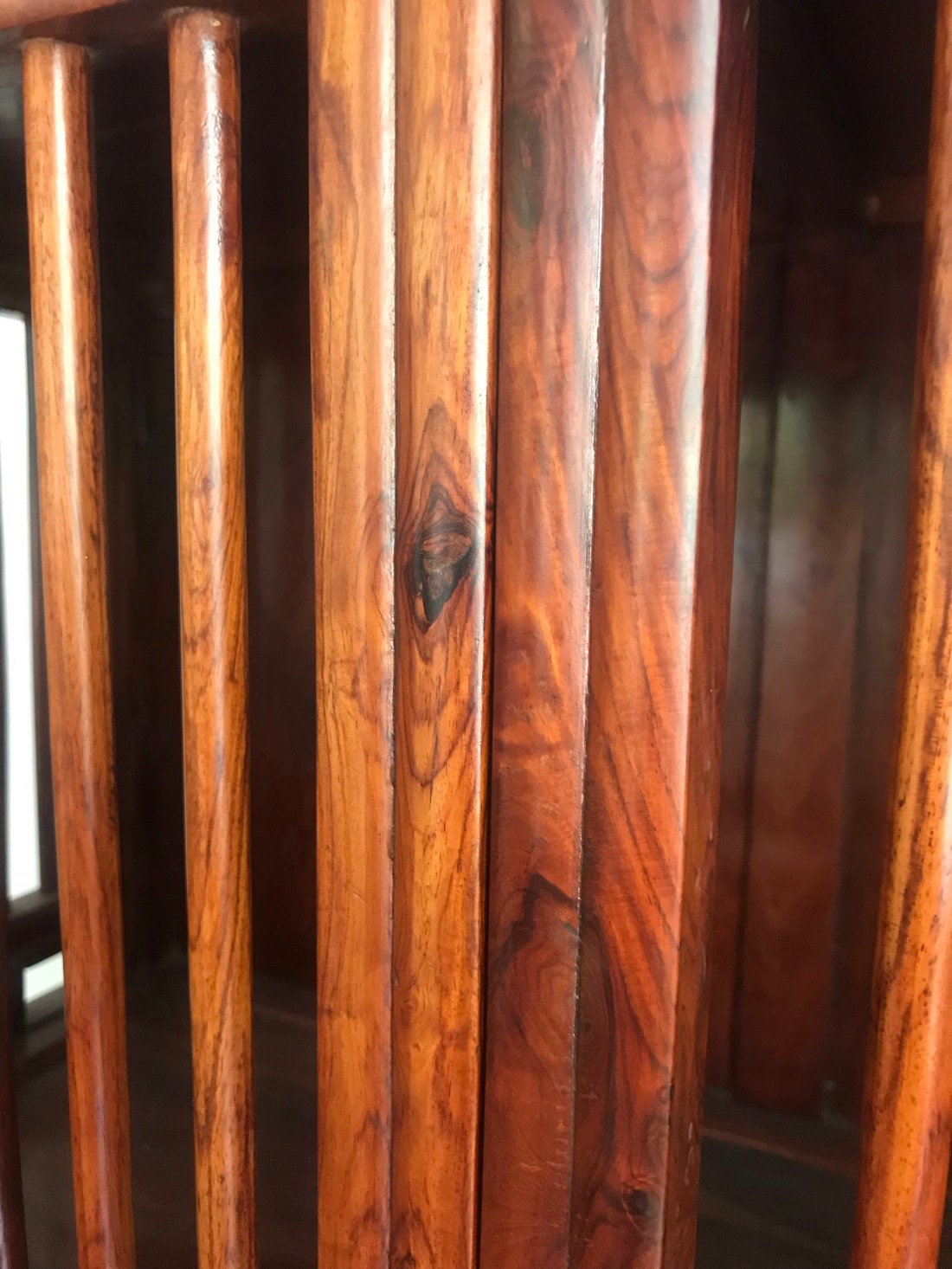
This bookcase is made with rare yellow flowering pear tree wood. Apparently, this wood now costs $3000USD/ounce! Everyone can touch it because that only makes it shinier.

This painting is from the early 1900s I think. One of the first to use really bright colours. It would have been pretty shocking at the time I guess, but also very fashionable.

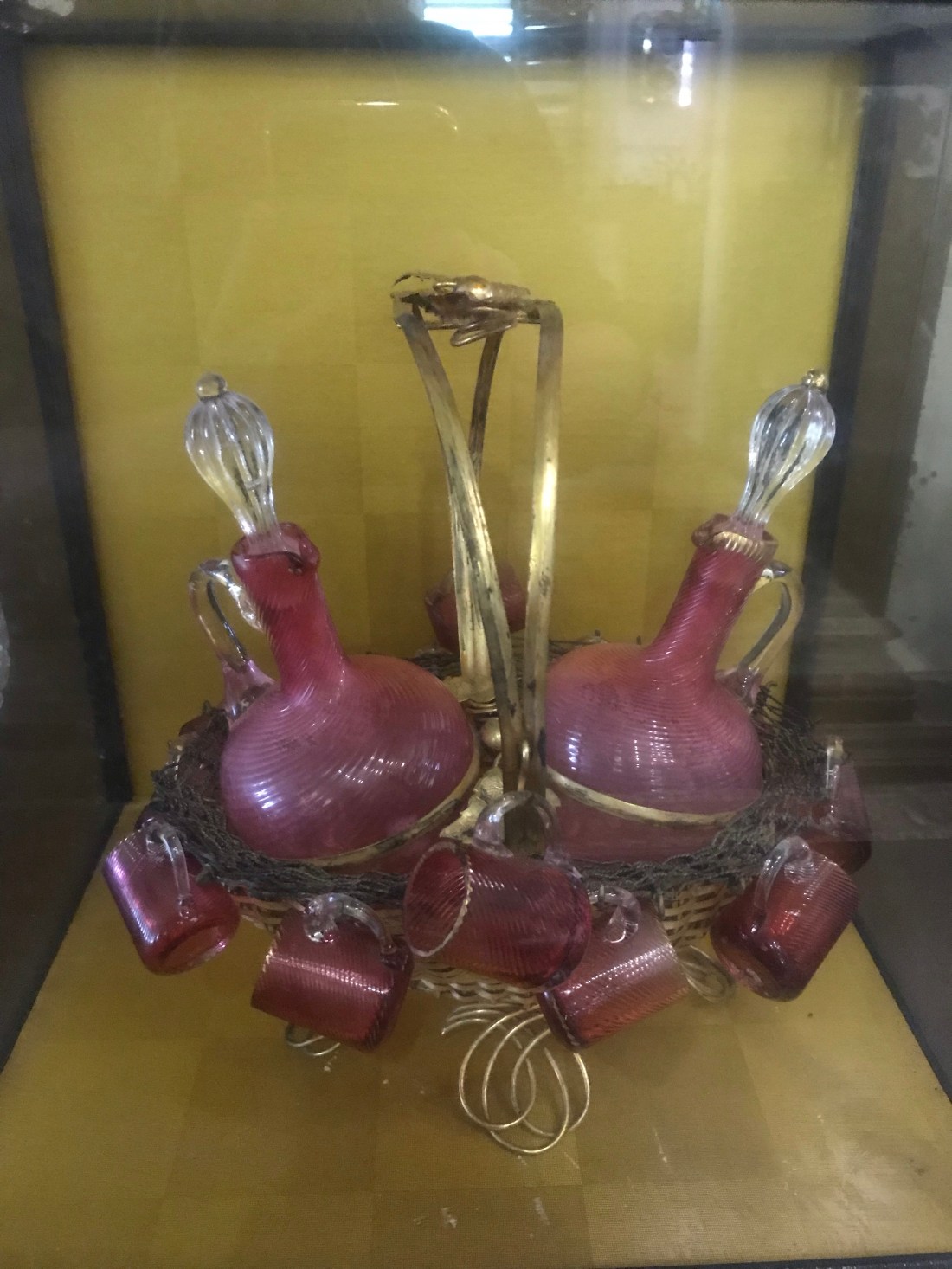
An ornate set for drinking liqueur. The shot glasses are so small because the liqueur would have been over 60% alcohol!

Do you reckon I could fit in here…? Hmmm…?

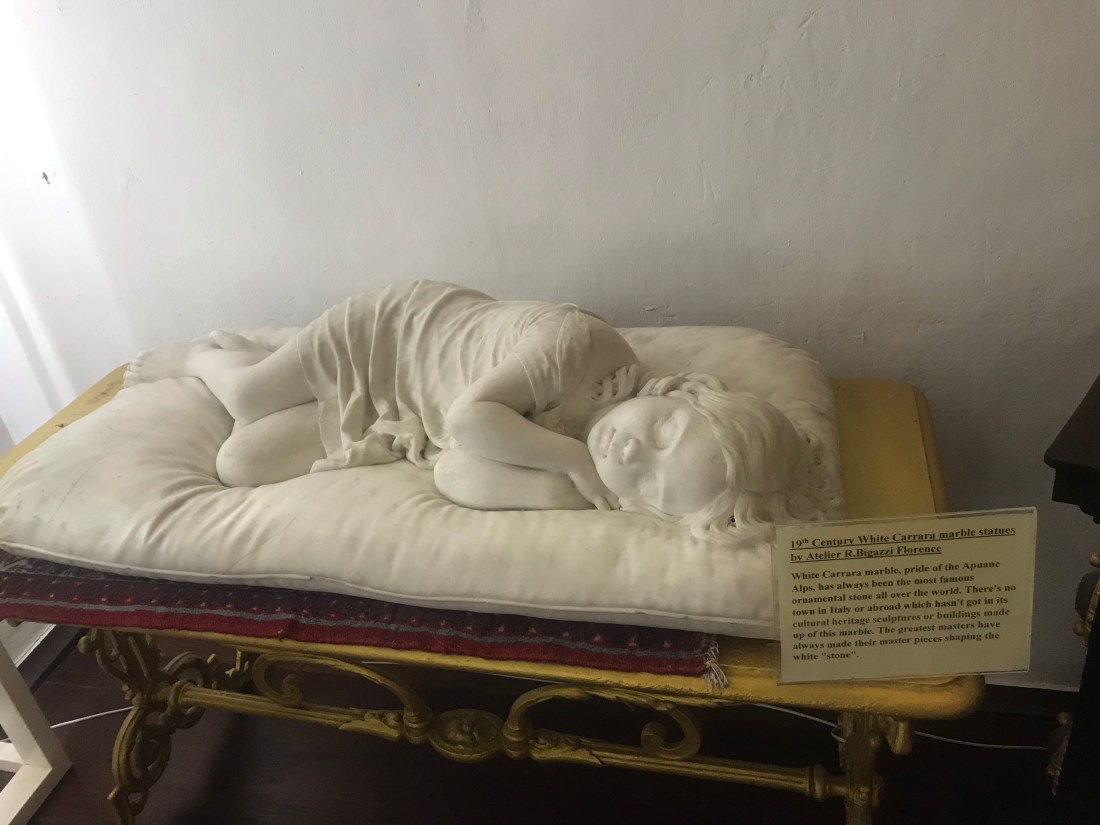
The owner of this mansion had a photo taken of his sleeping daughter, but then realised the photo wouldn’t last forever. So he sent it to Italy to have a marble sculpture made of her by a master sculptor and shipped back over to Penang. As you do.

Penang Island

Well, this has been quite an experience. I’ll draft more posts on the way back to Singapore tomorrow (I’m taking a day long bus ride down in the hope of seeing a bit more of Malaysia, if only in passing). I’ve been super grateful for a really good hotel. And everyone here addresses me “Madam”. I might have to introduce that back home!! 😂 Also, people are very genuinely kind and thoughtful. Today, as I walked through “Little India” in George Town, a man stopped, beamed at me, and said, “Have a nice day…God bless you!” And when I took shelter in a café from the rain, the waiter took my brolly and stashed it near the door, and, having established I only really wanted a drink and to read my book, moved me to a more comfortable squishy seat that was further back. Sometimes it’s really lovely to be treated like a lady by some gentlemen.

Anyway, here are just some of the extraordinary sights I’ve seen in the short time I’ve been here:

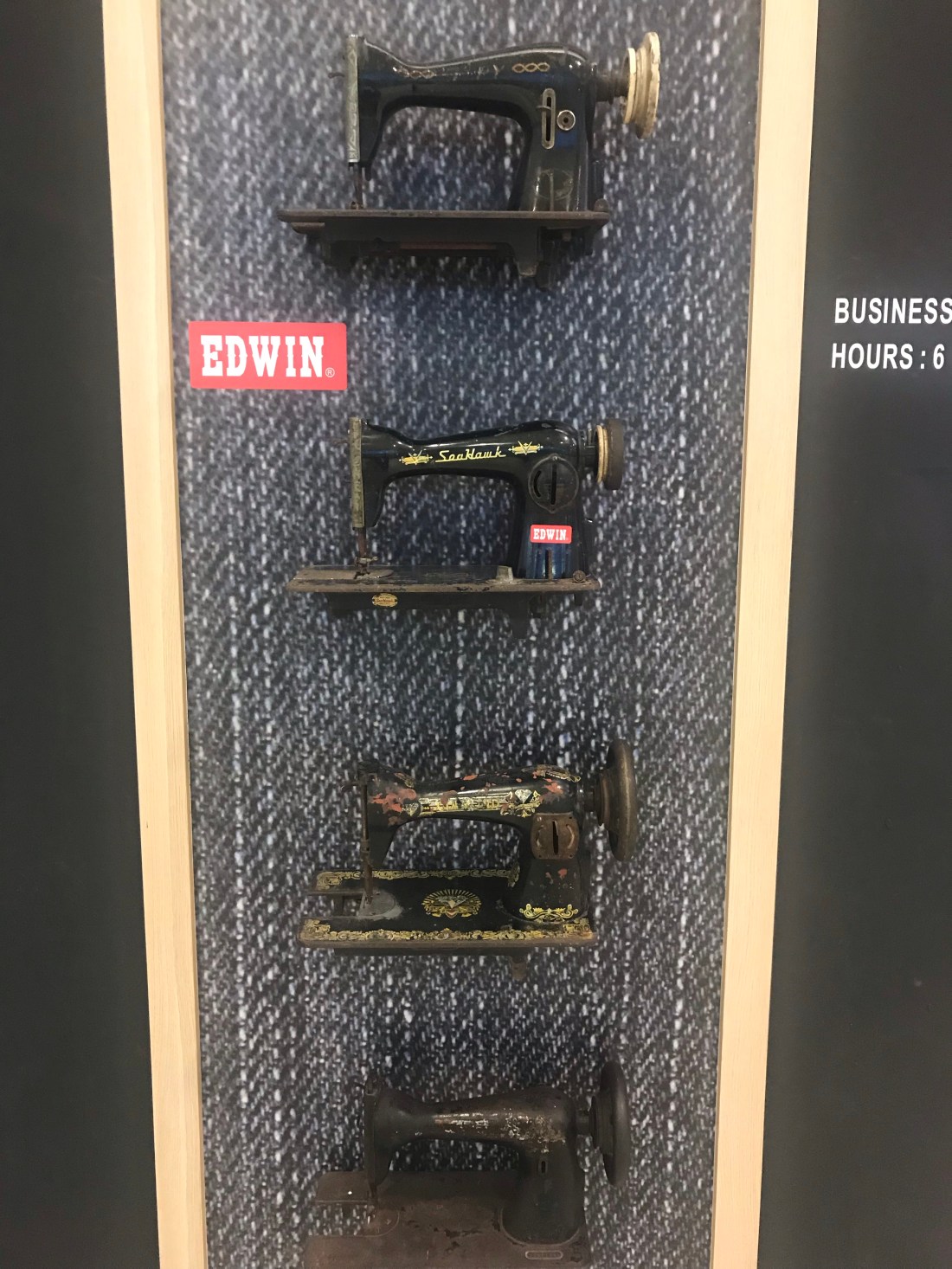
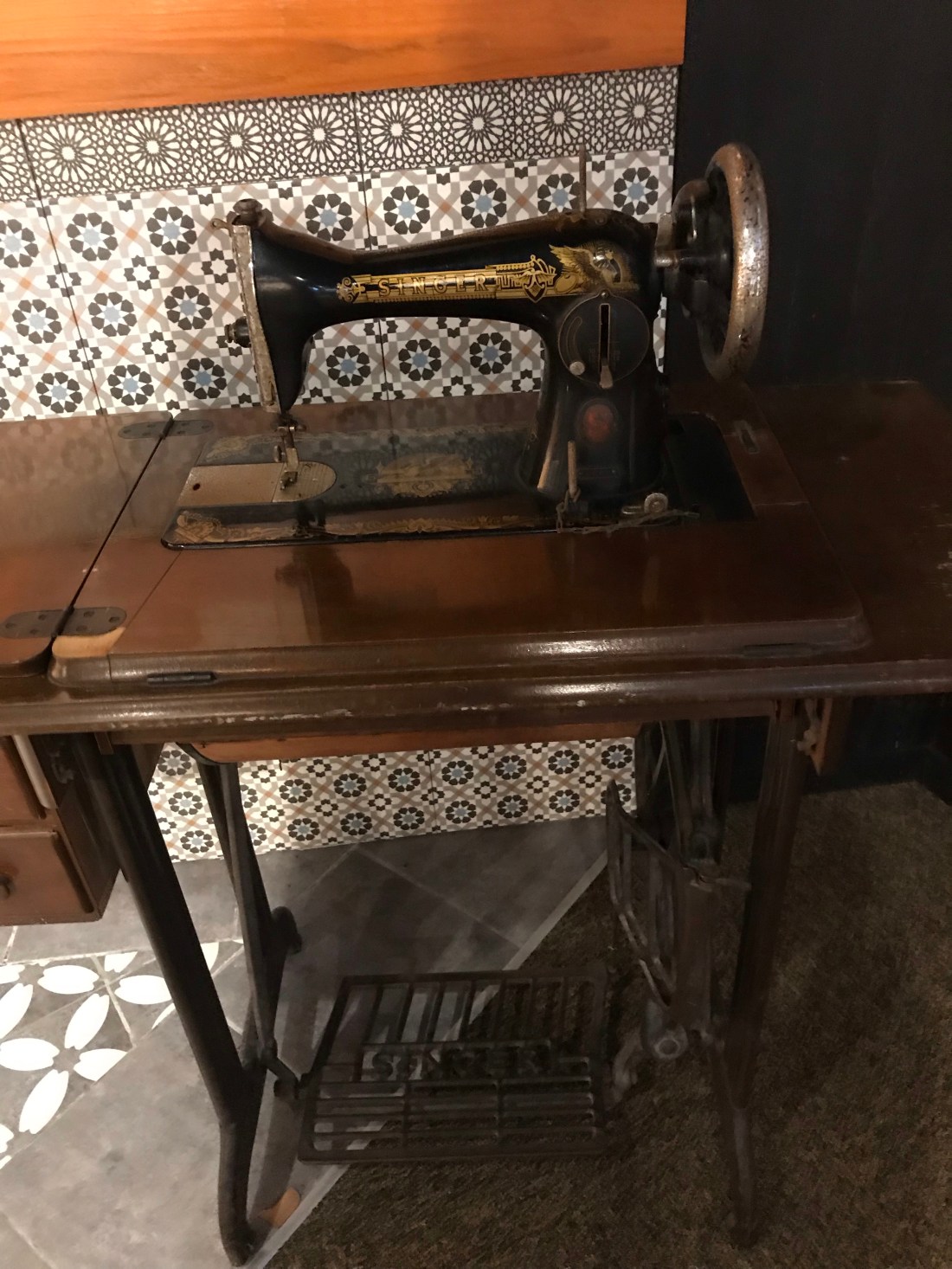
More Singer sewing machines than you can shake a stick at! 👆🏼

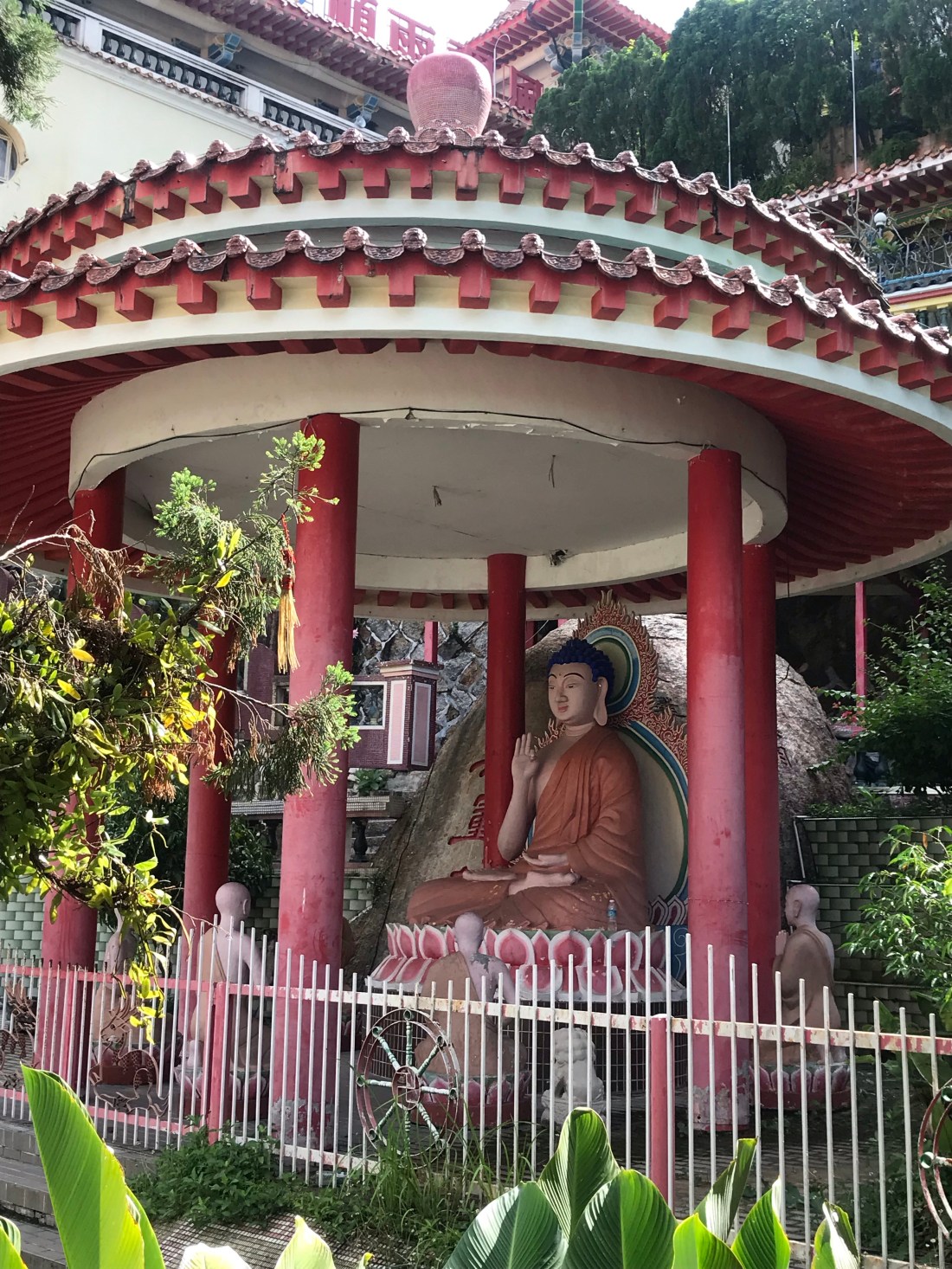
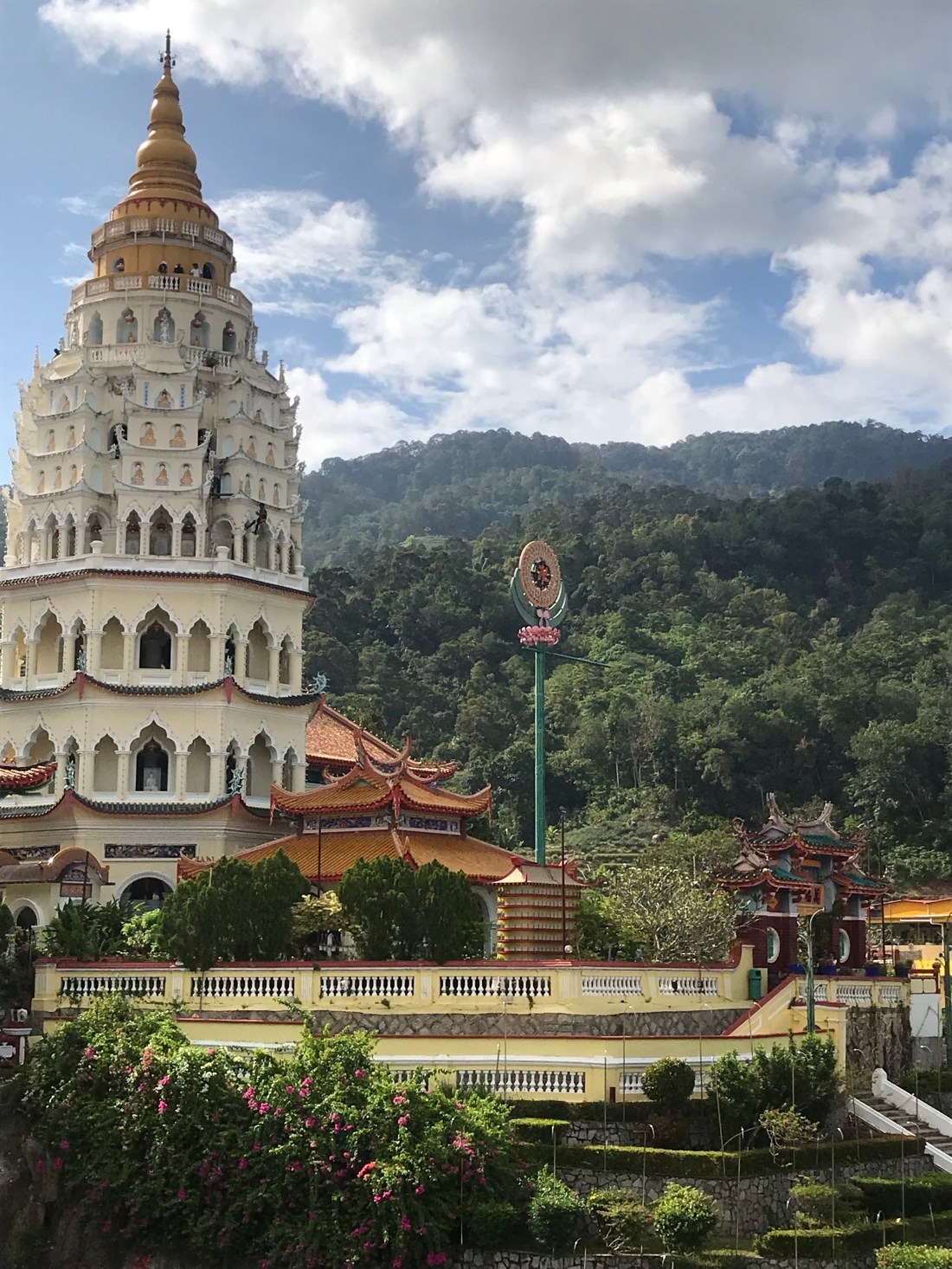
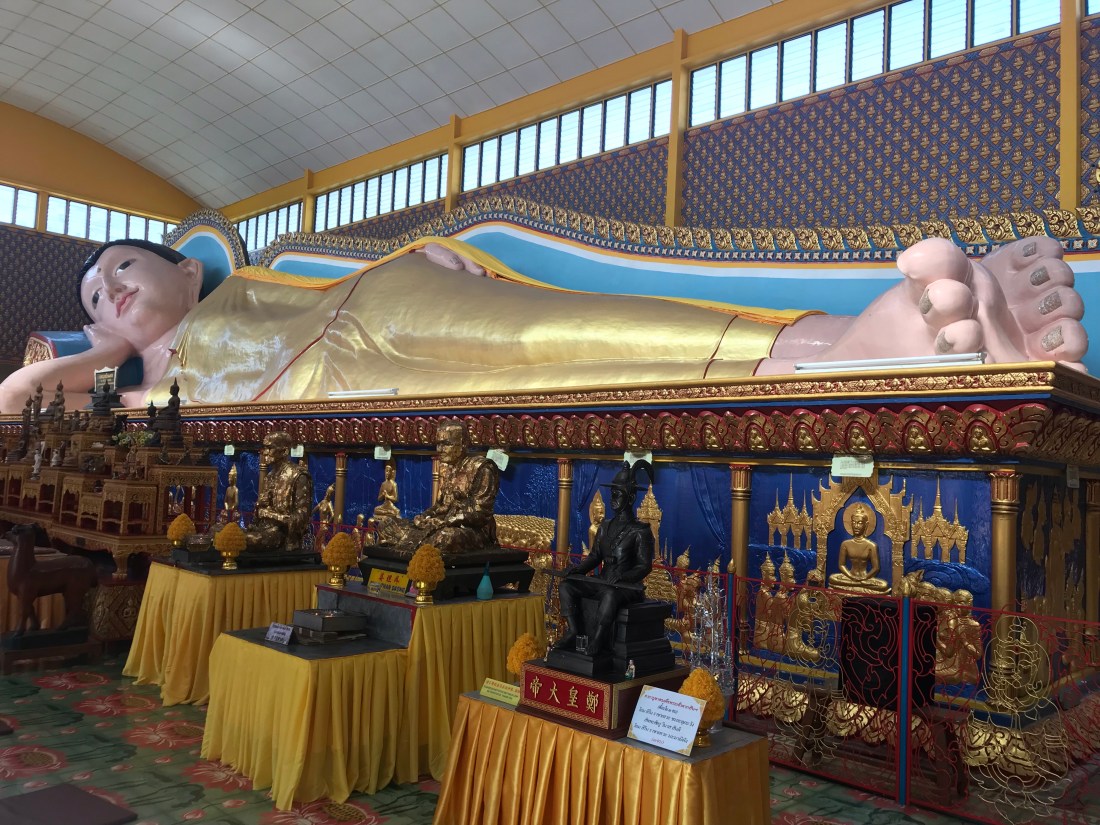
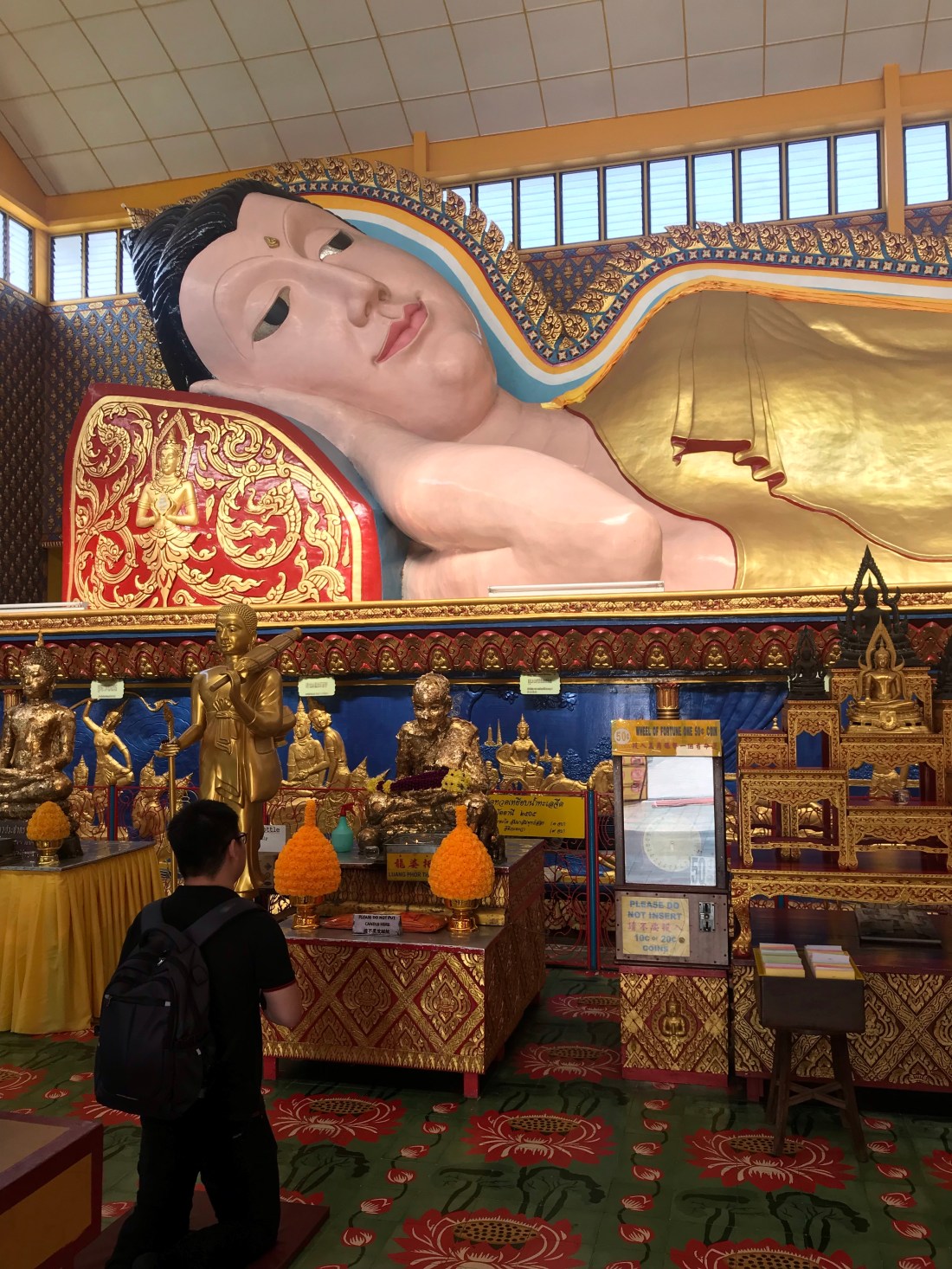
The Thai Buddhist temple:

The reclining Buddha. Just look at the size of him!! Known locally as “the sleeping Buddha”, my Indian driver (yes I had a driver for a day…Penang has a lot of history with the British, not all of it good, as you may imagine. We brought Indian people to Penang to be servants and do the dirty work. But Raj tells me he does not bear any grudges because now a generation or two later, his family have a really good life, which they probably wouldn’t have if they’d stayed in India.) said to me, “You go in there Madam and tell him he’s been sleeping too long, he needs to wake up!” When I saw that his eyes were already open, I thought probably if he could speak he would say to me, “But I’m already awake”. Then I realised there was more to that, given that Buddhism is all about enlightenment, and one of its most important gifts to the world, I think, is the concept of awakening.

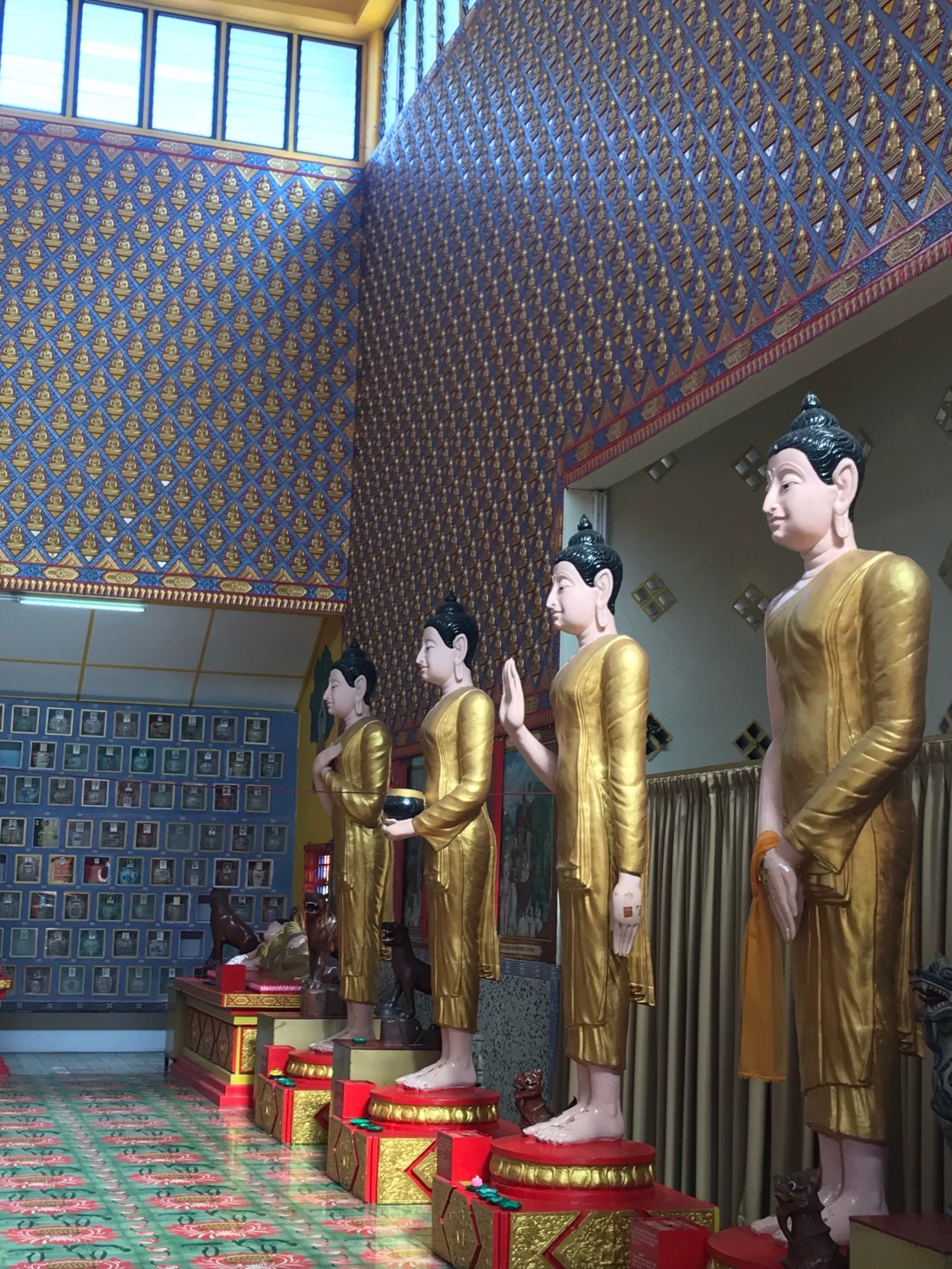
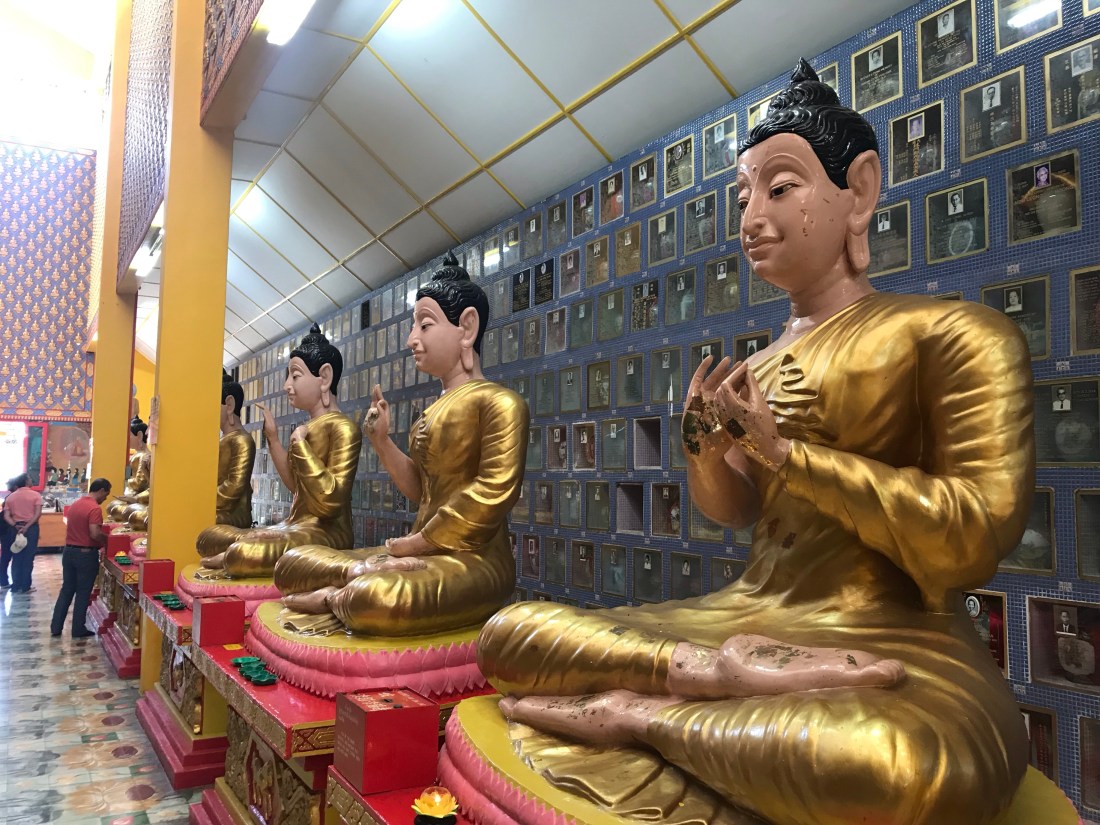
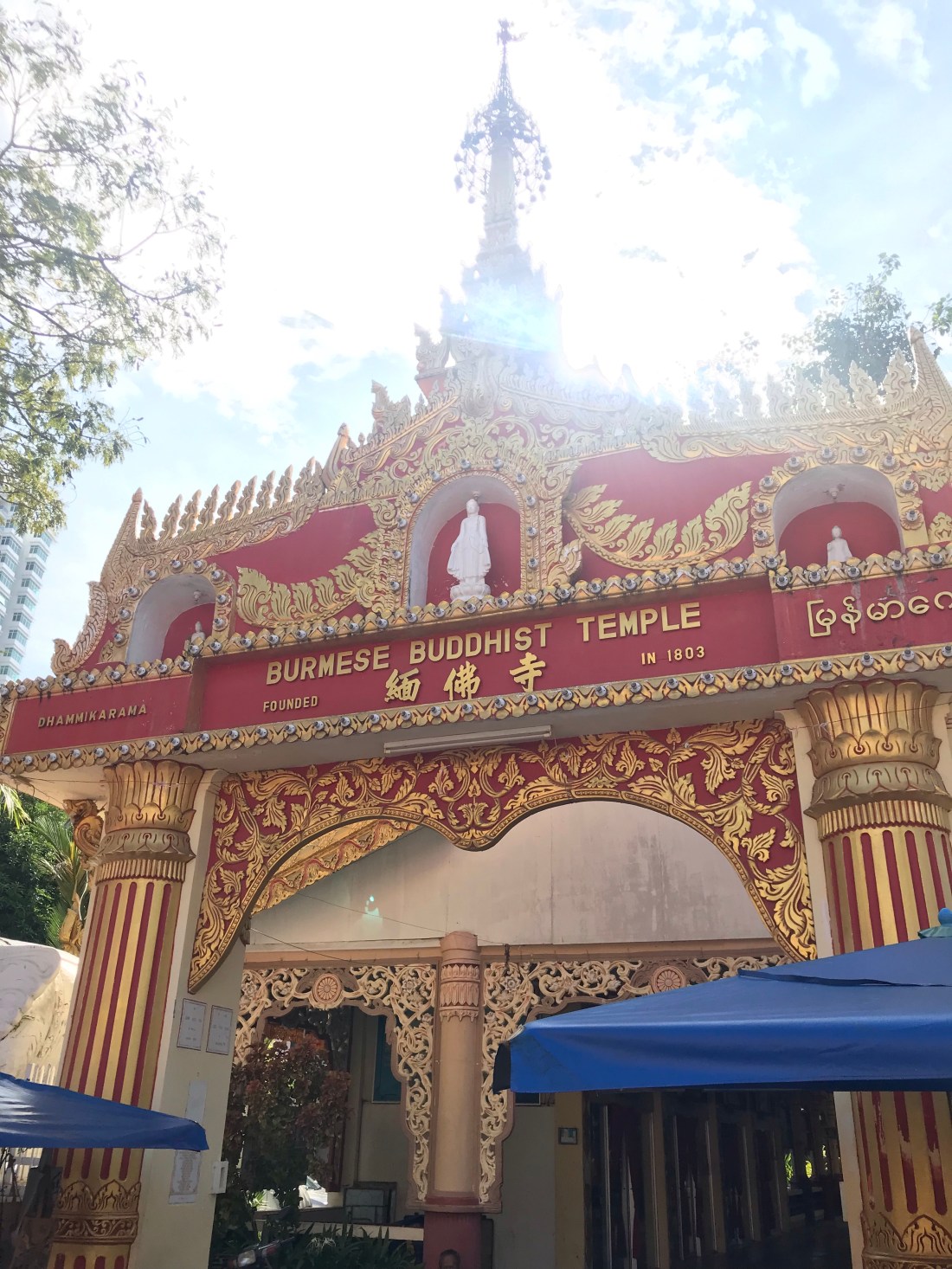
The Standing Buddha is in the Burmese Buddhist temple just opposite:

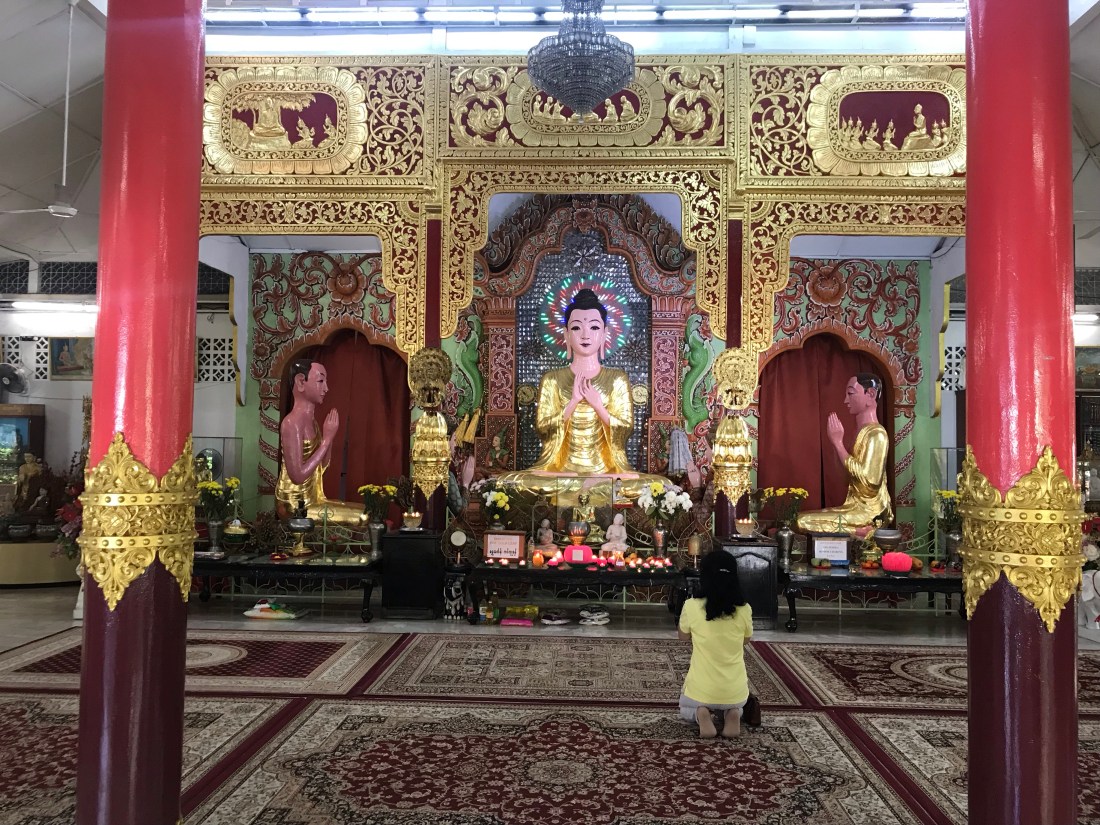
I’ve been impressed by the number of images of holy women here. This part of the Burmese temple was devoted to a female disciple? I guess?

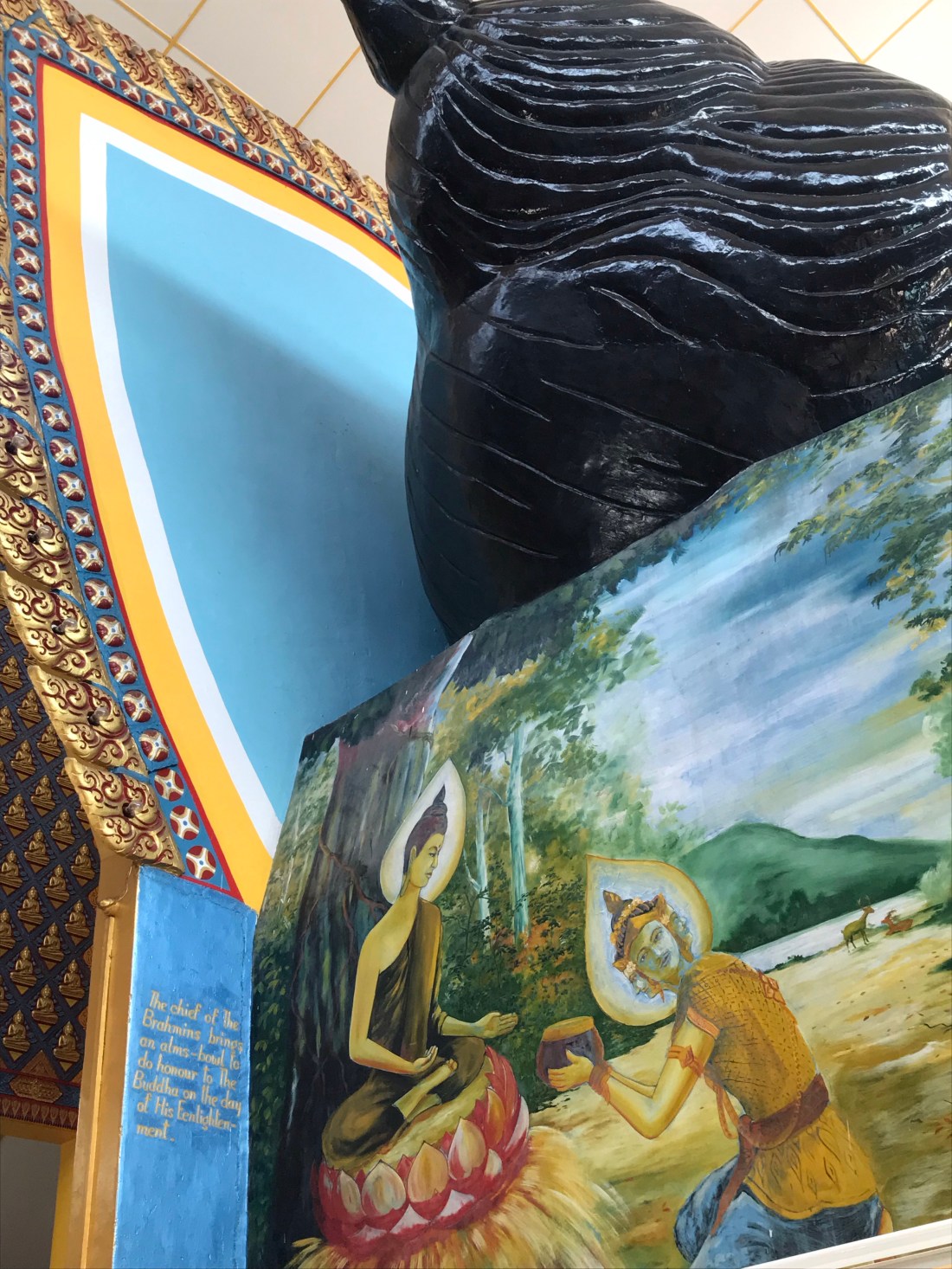
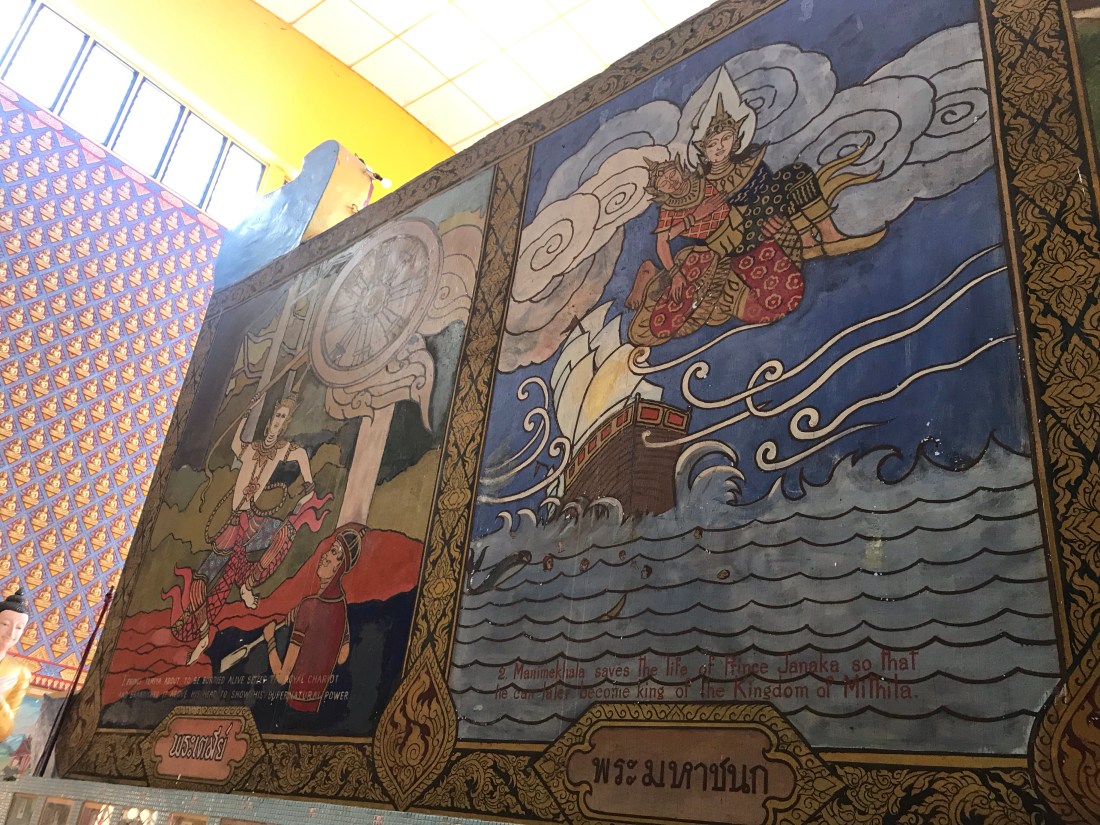
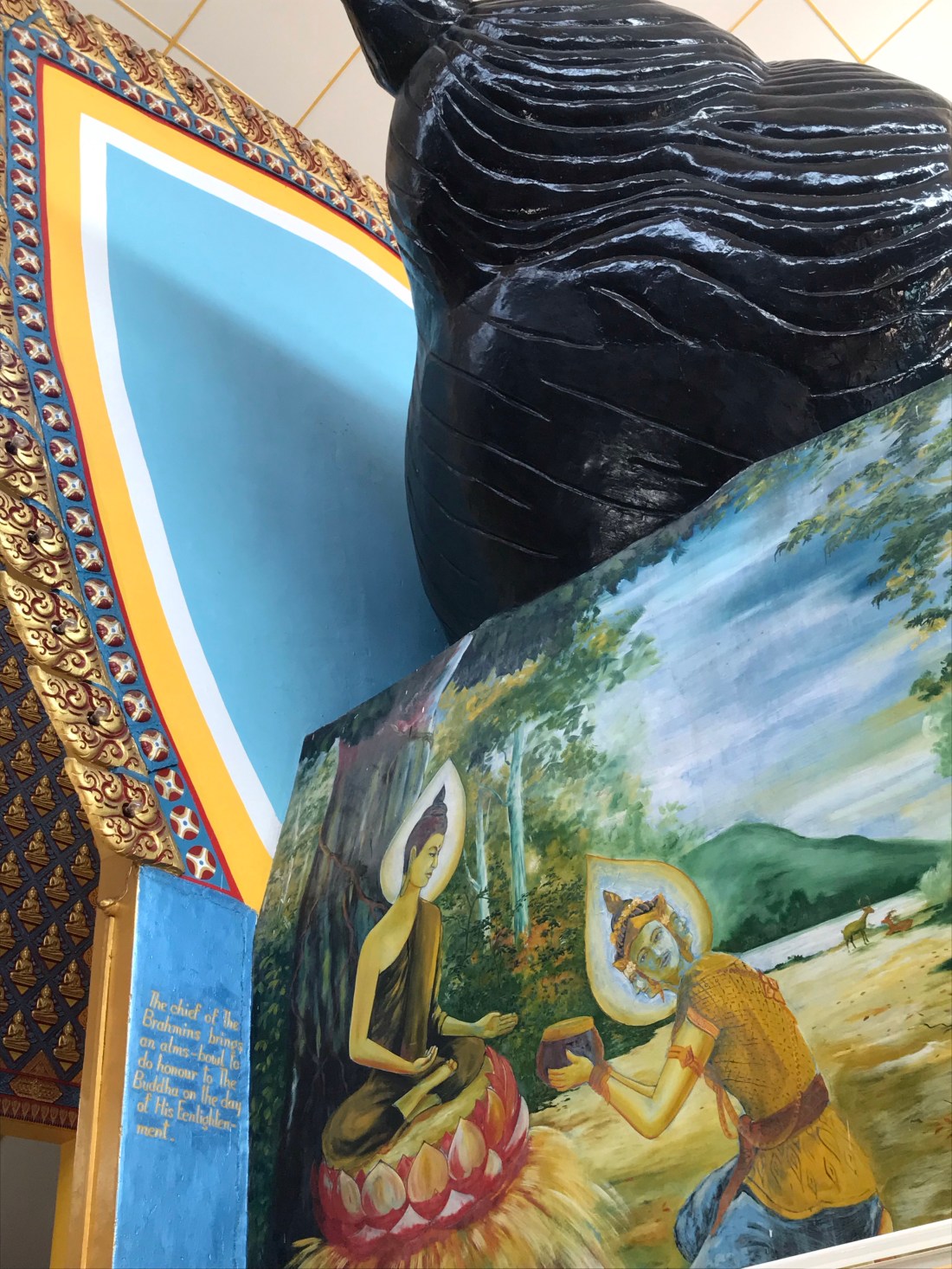
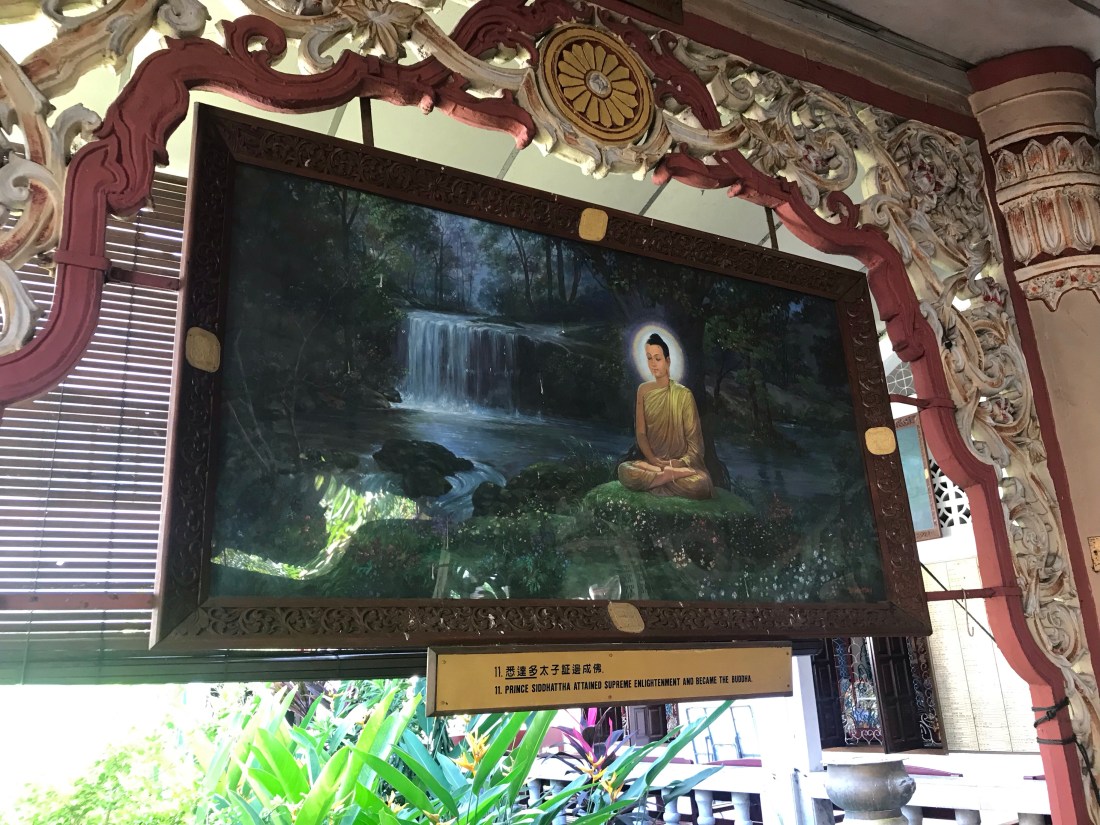
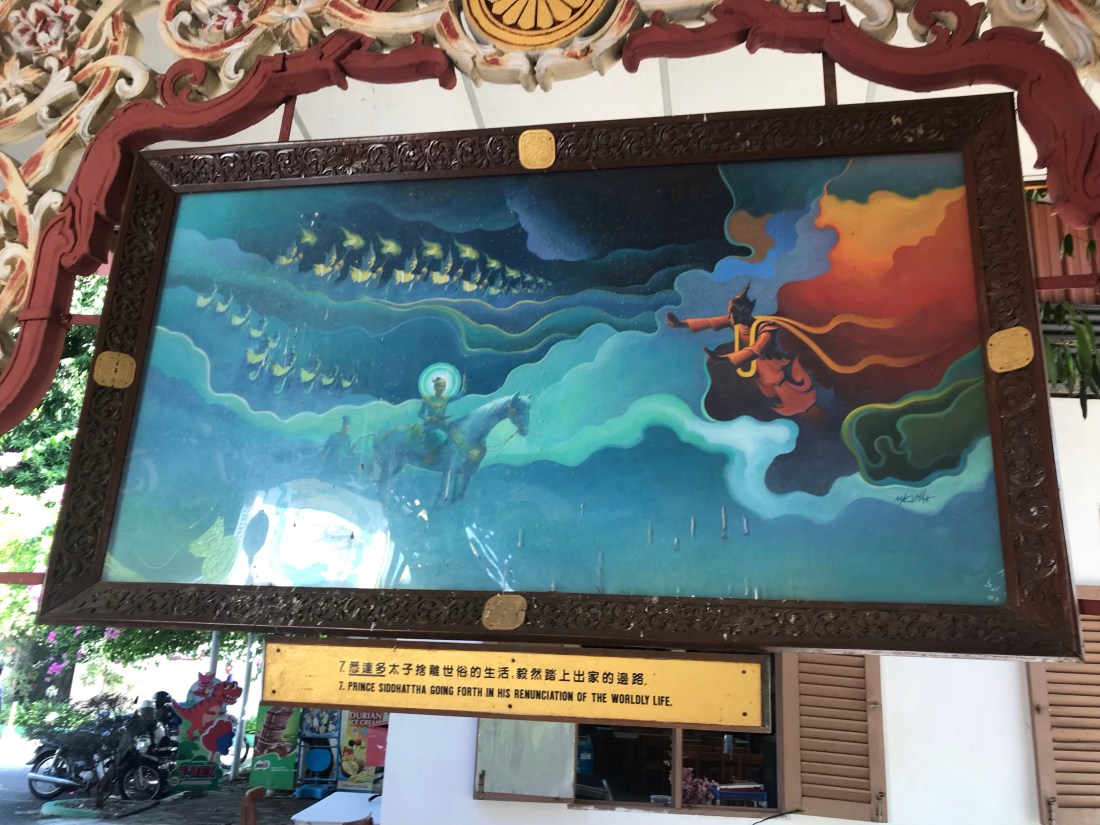
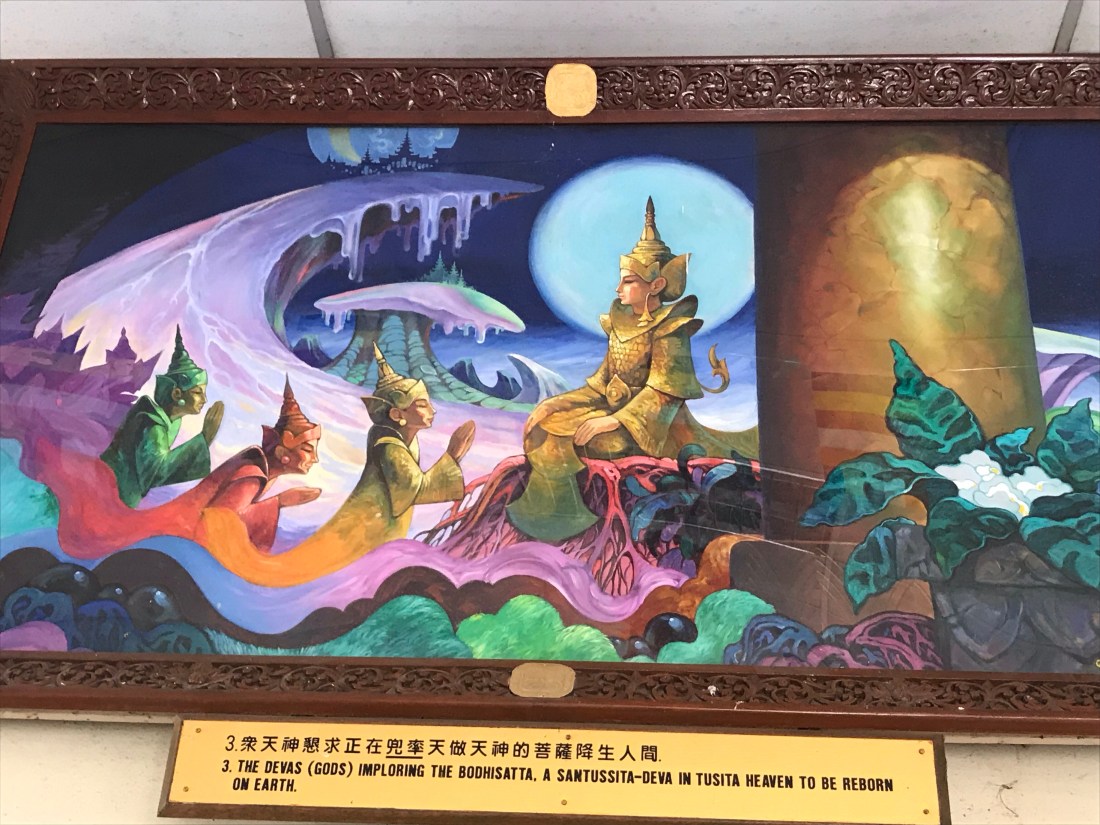
In both temples there were many pictures showing scenes from the Buddha’s life and the lives of other heroes of the faith:

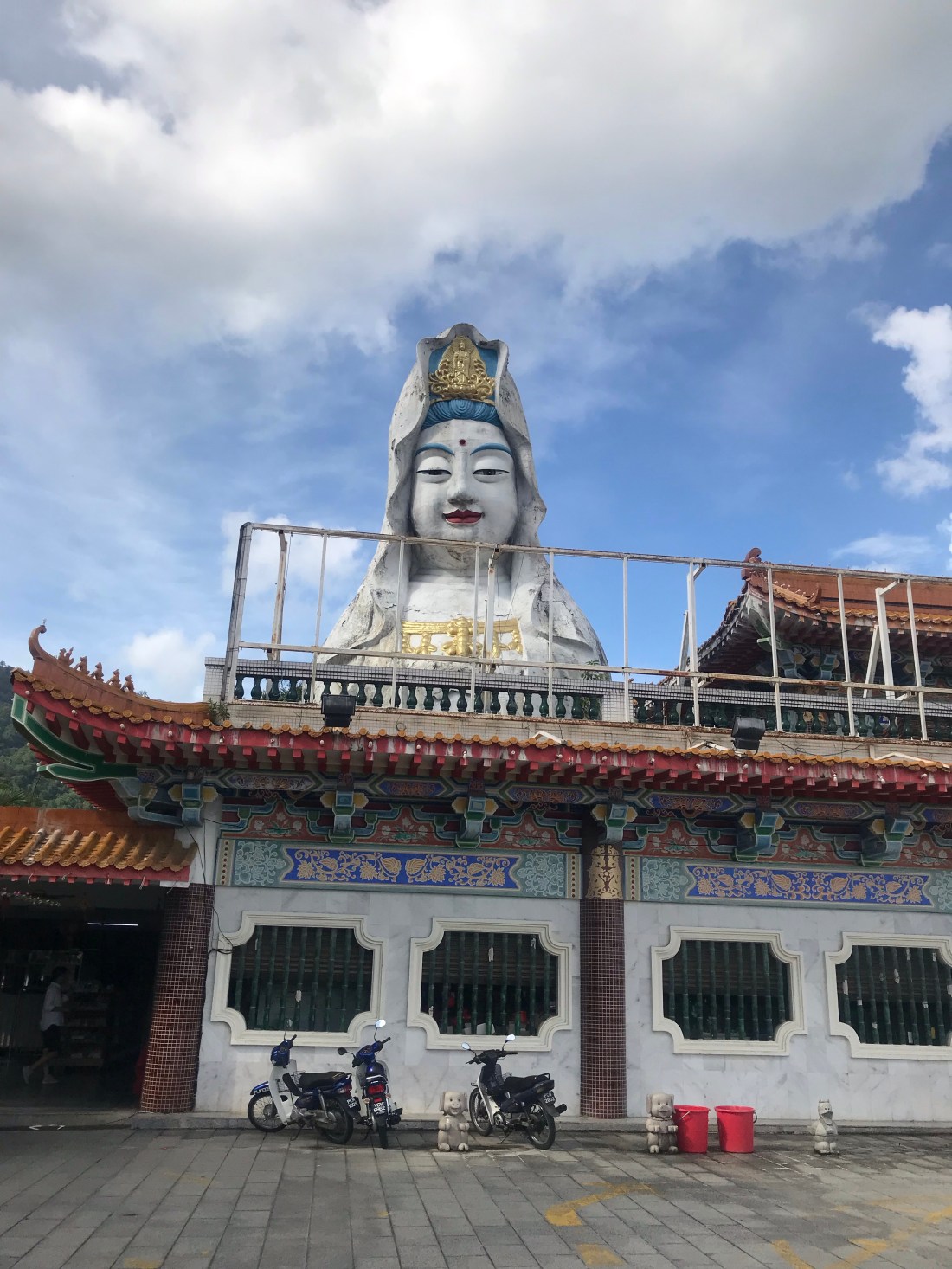
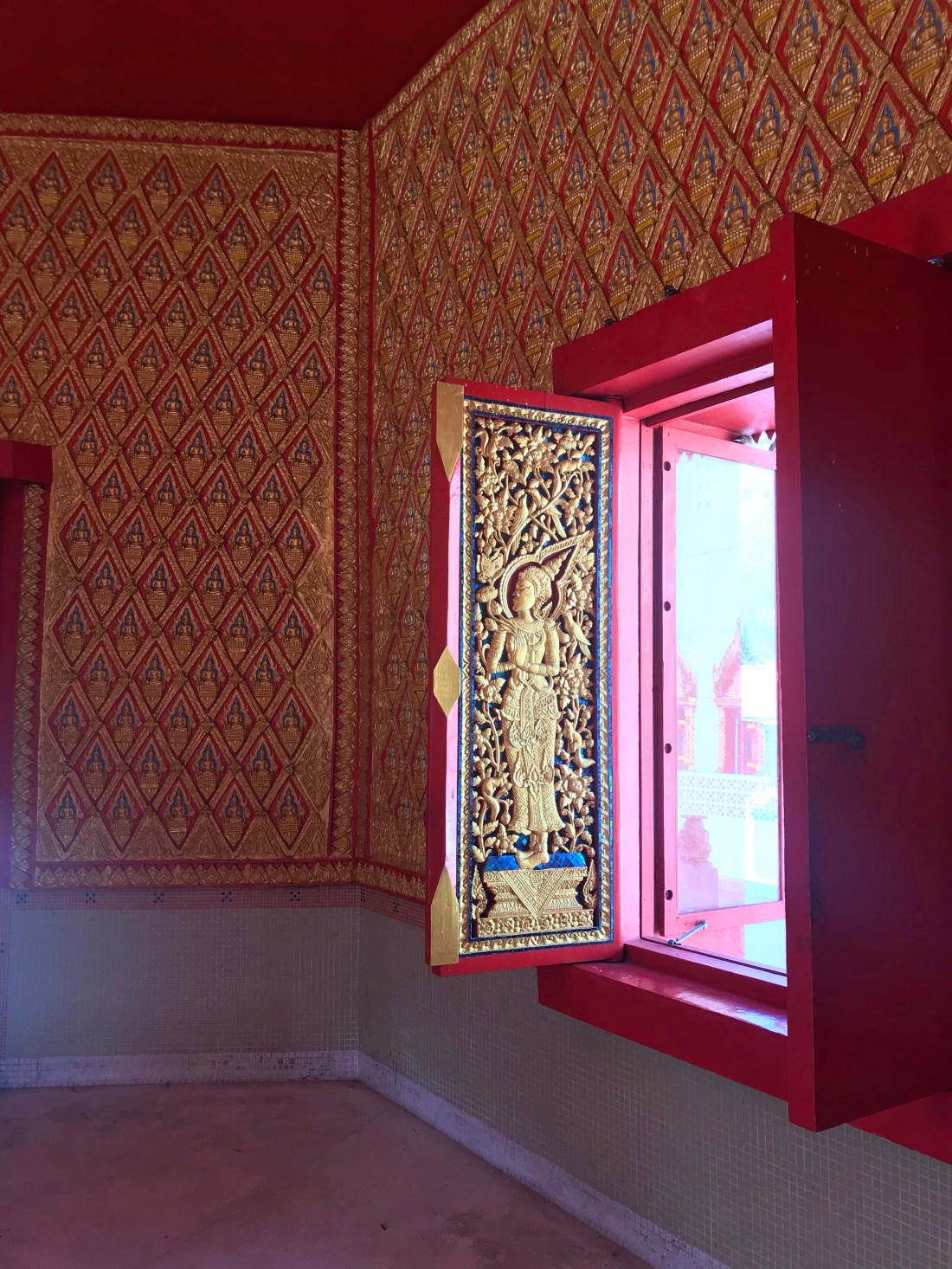
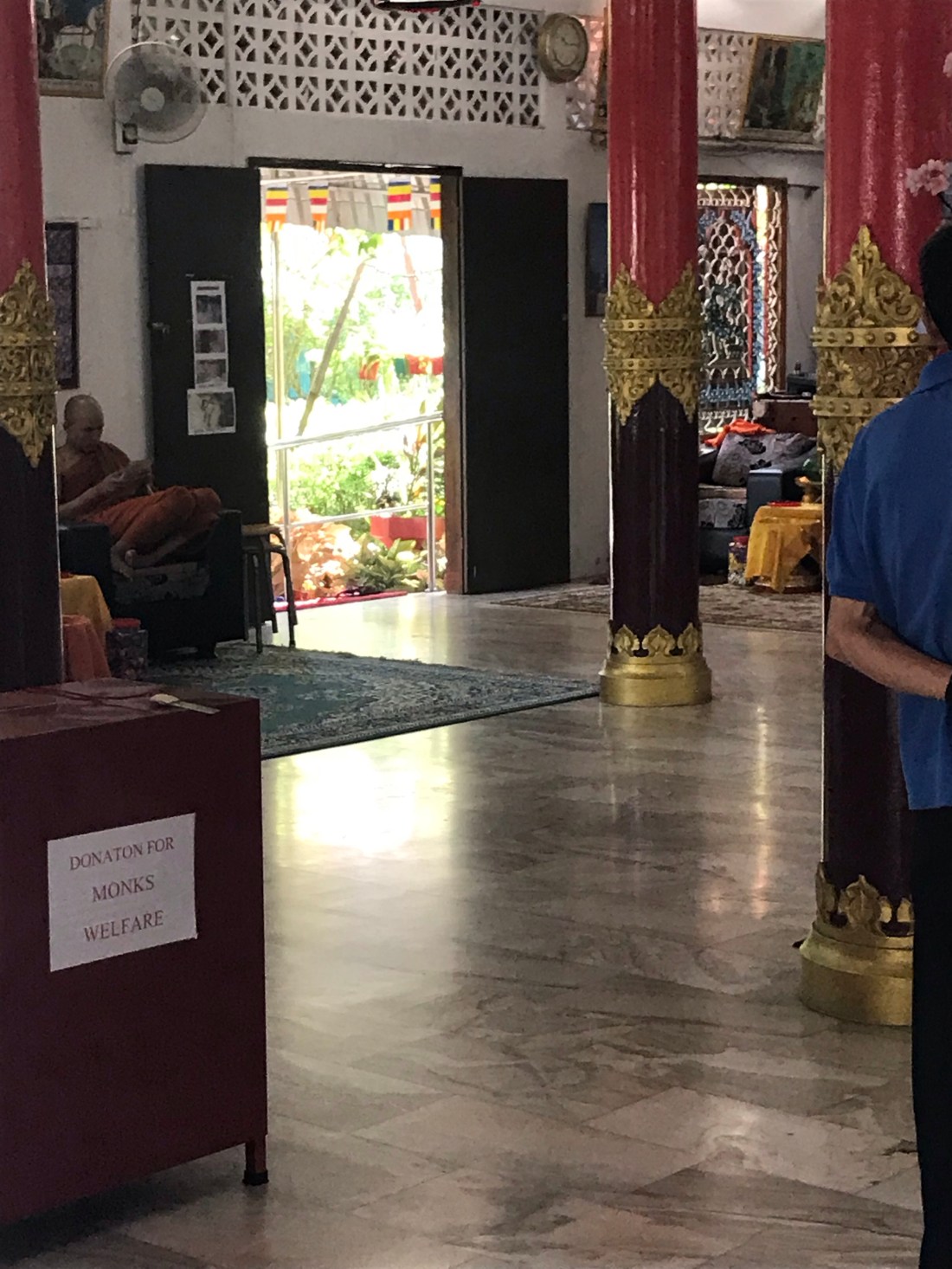
And these weren’t to be the only Buddhist temples I’d visit here. The opulence of them is extraordinary. The size of them immense. And I think all have monks living in the buildings around them, helping maintain the buildings along with other people and also meditating, studying and no doubt listening to people too. I saw monks wearing orange or brown or grey robes, all with shorn heads. Occasionally I saw a couple of monks having some down time visiting the tourist sights, too! You can just see one, texting/googling away in a quiet corner here!:

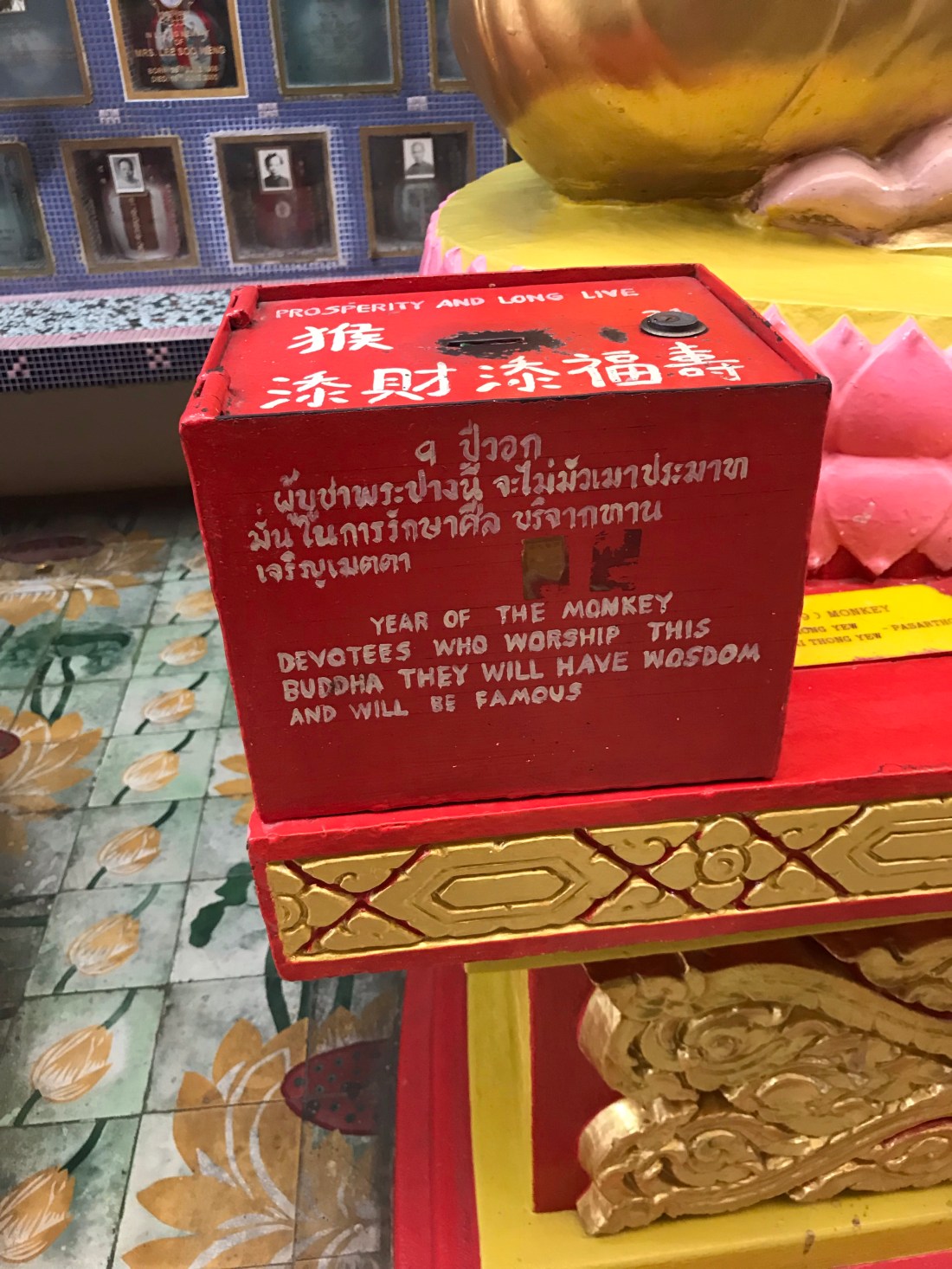
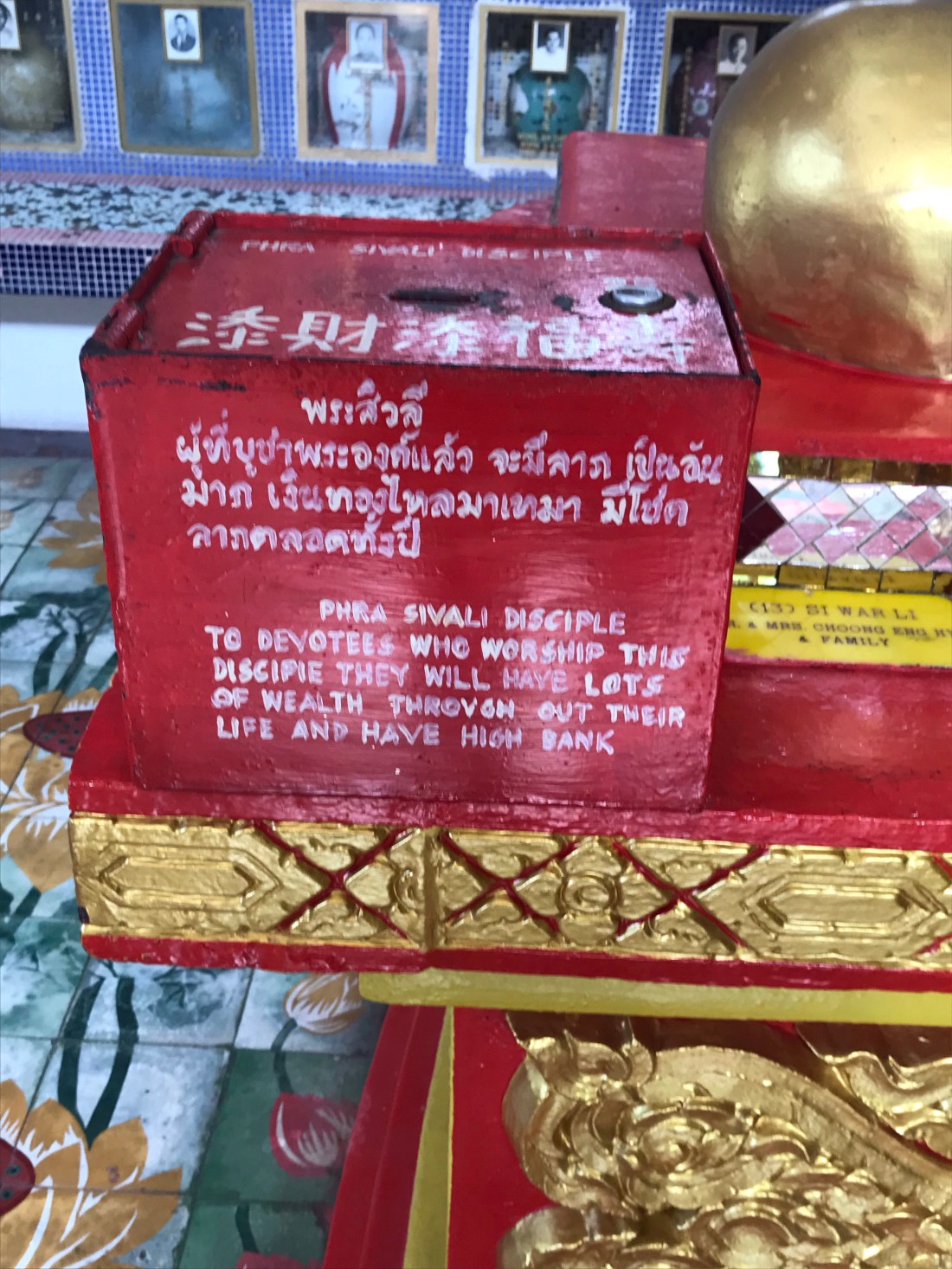
One thing that shocked me about the temples was the emphasis on the idea that if you pray to this or that Buddha / disciple you will receive riches (a lot of the time) or (sometimes) wisdom or fame or good health. I was a bit disappointed with that. Given that wealth is usually amassed at someone else’s expense, why would Buddha, his disciples or God want us to pray for it for ourselves? Or is this just a money making venture by the temples (we’ve done similar things in the Church for a pastime as well, I must admit)? Also, I have never seen so much religious tat in all my life! Shops full of things to help you pray. Flashing things, figurines, waving things, you name it. Some of these things I use to pray sometimes (incense sticks, beads). But, really…?

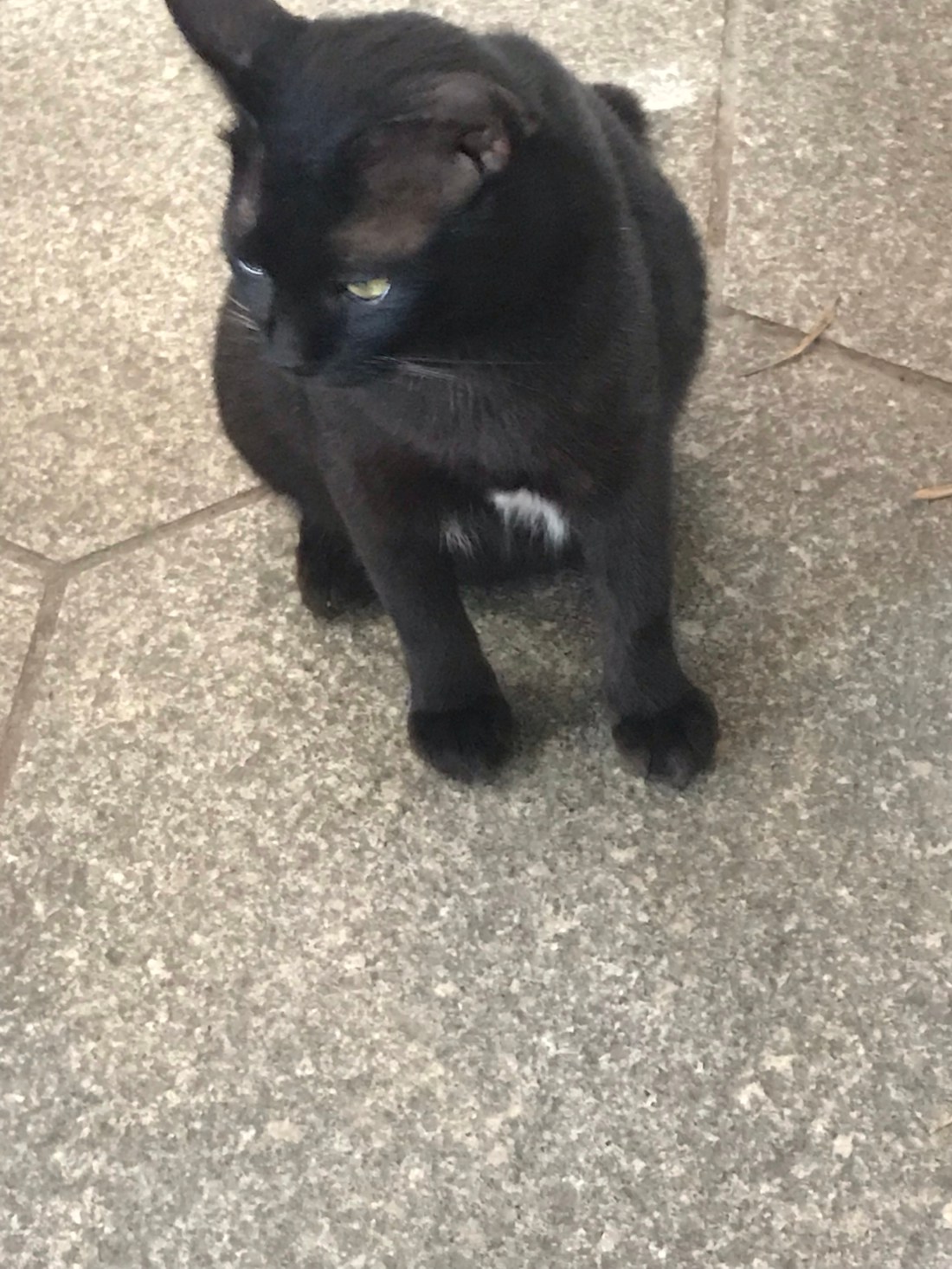
I couldn’t bring myself to take pictures of the religious tat, but at one temple I found a feline friend near the shop. I can confirm that cats the world over all enjoy having their chins tickled. It’s the universal language of pusskins 😁

Little comforts

Well I have arrived in Malaysia, to George Town, and a very nice hotel. I have to say there’s an inordinate degree of comfort to be found in a slice of buttered and marmaladed toast and a cup of tea. Well, with its colonial past, it seemed only appropriate to have cornflakes and toast for breakfast. And look! For all my critical questioning of the “peach teats”, here I am, really enjoying some New Zealand butter. 😋

Farewell Vietnam

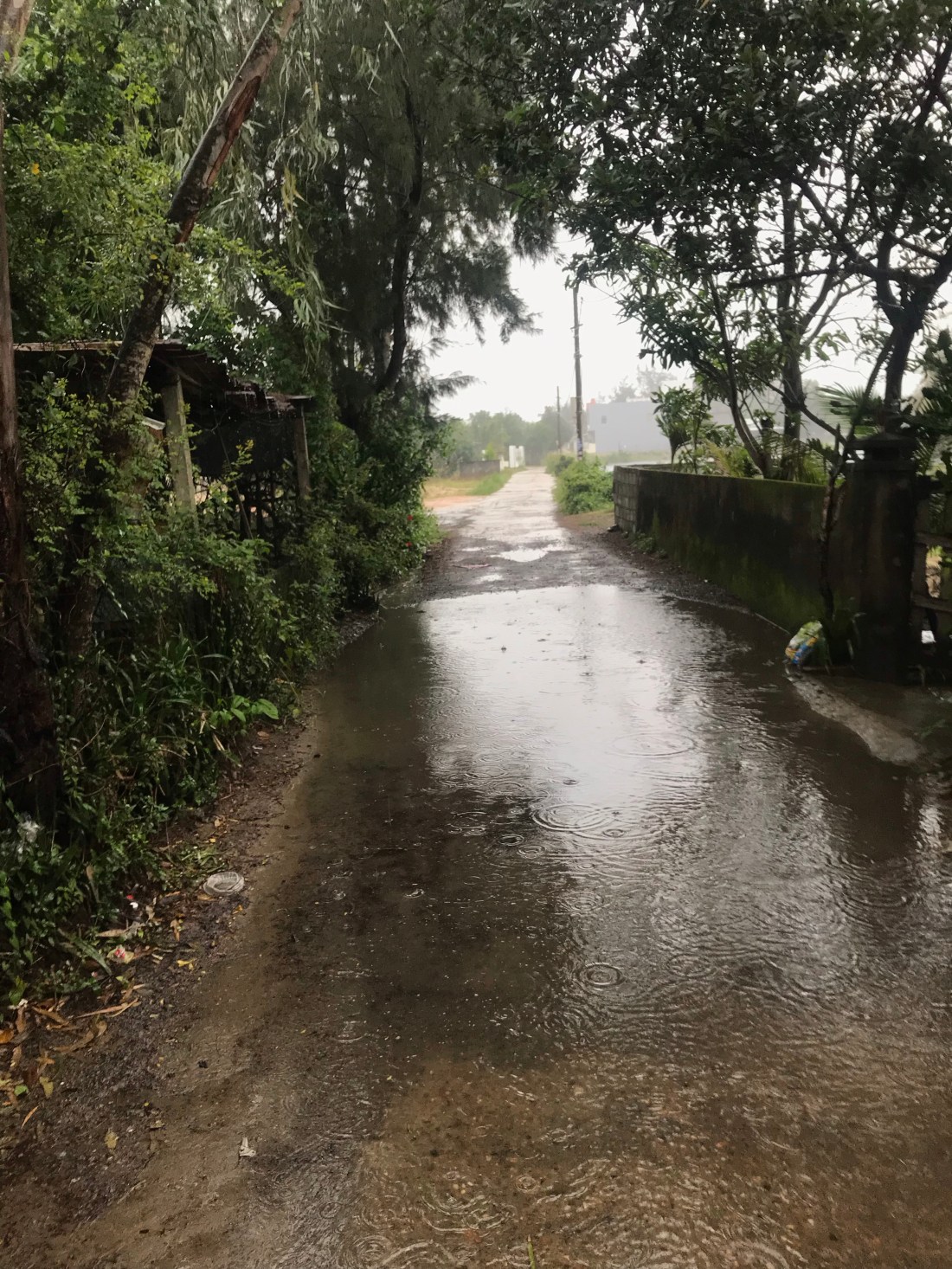
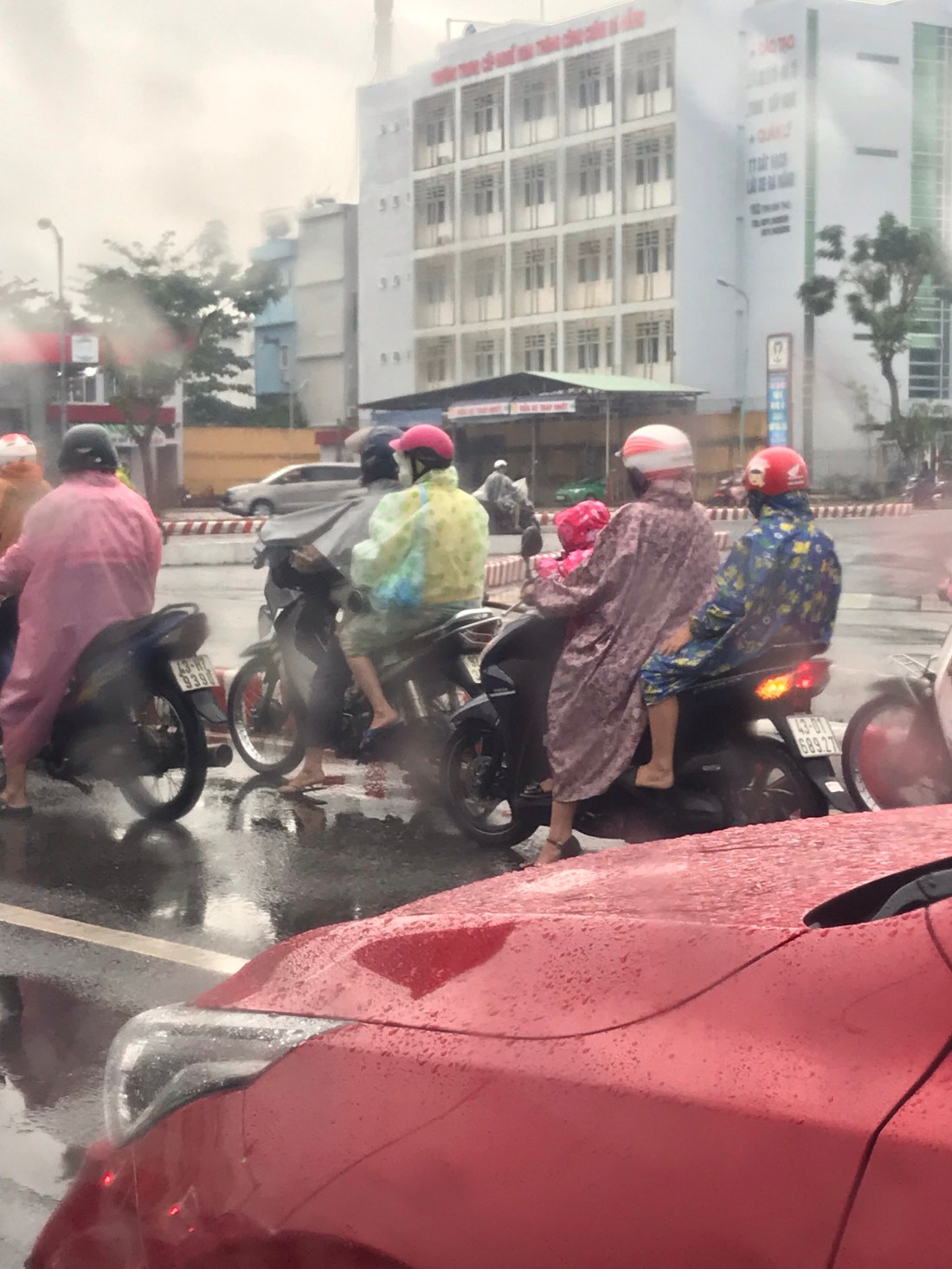
Well I didn’t manage to see the sea this morning because there was so much rain it made a huge puddle in the path that I was just not willing to wade through just before a flight.

The taxi Dzung’s ?grandson ordered for me is driving me pretty much parallel to the sea and quite close but I can’t see it because of all the buildings and an enormous construction site in the way. I shall have to content myself with the brief moment’s view I had of it from the night train on the morning we arrived into Da Nang.

Actually I’m not convinced this is a taxi. It seems a bigger newer car than I would have expected and I suspect is being driven by a relative of Dzung. Well, fair play to her! This is such luxury after all the bike and train experiences. I am enjoying it!

I had thought that it might be raining all the time I was here. I am so glad it wasn’t. That would’ve really made the trips I did less enjoyable. Emily told me that the coldest it ever gets in a Hoi An is normally about 8 degrees C. Once she can remember it reached 5. When it’s 8 degrees she said people don’t go out because it’s too cold! Gosh. That would render the UK an indoor nation!

The cheapest thing at the airport I could find was a bottle of pop, which would cost me $USD2.80 (and the most expensive place to eat here is Burger King – go figure!). Given that Hoang told me about 20 years ago motorbikes here cost $USD300, so many people purchased one for their family, that’s something to think about; 107 bottles of pop in the airport today for the price of a motorbike 20 years ago?! In the UK I very much doubt there’s ever been a time when that would apply. Except maybe if we’re talking about a fourth hand motorbike that is in need of very serious repairs.

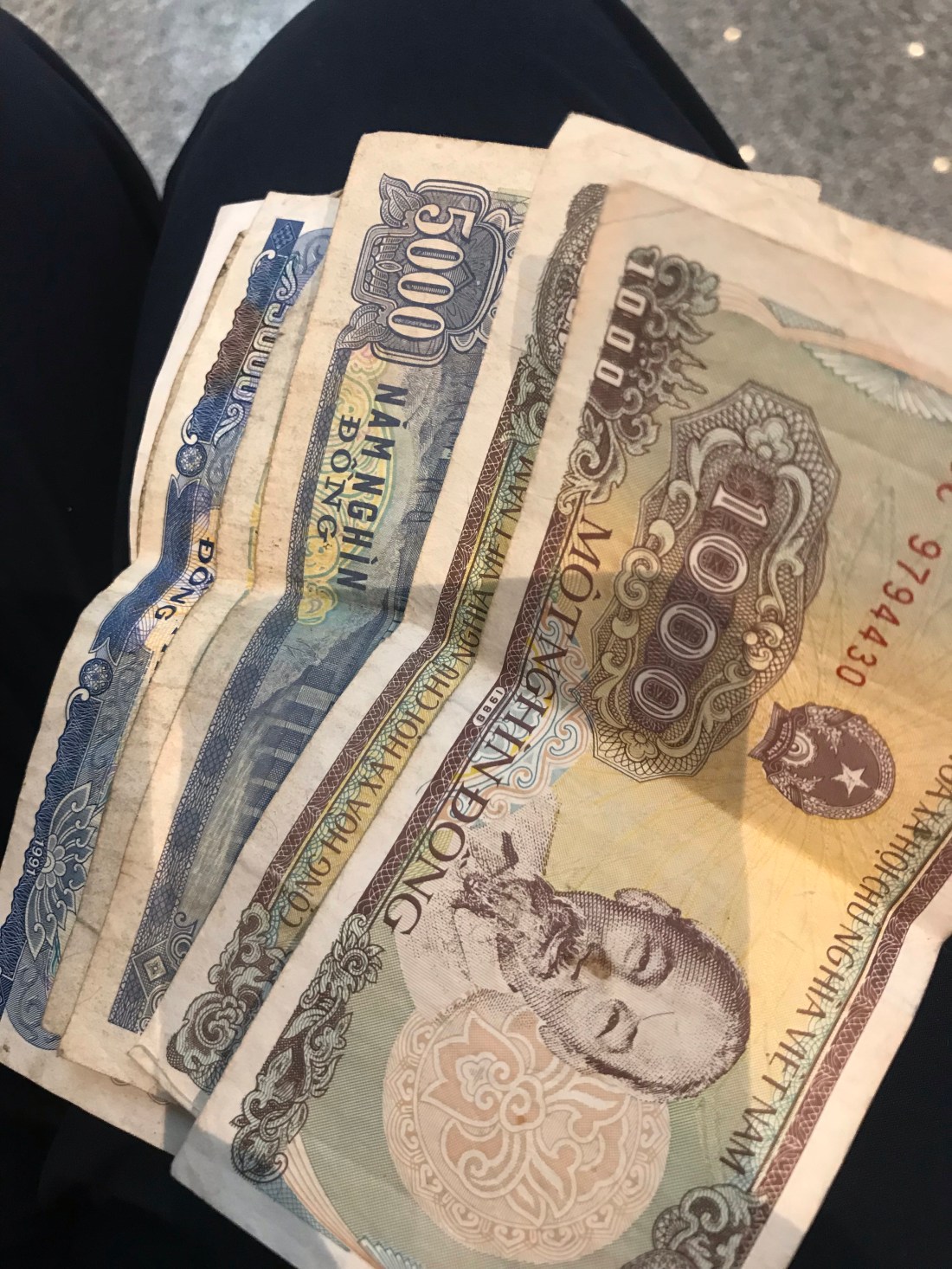
I have 27000VND left to get shot of which is worth about $USD1.16. Anywhere I’ve been in Vietnam that would have easily been enough to buy me a coffee or a cold drink. Oh well!

The other thing to note is that apparently after the Vietnam War (1975) the population of Vietnam was under 49 million people. Today, just 44 years later, it’s over 96 million people. No wonder the motorbikes are all over the place and the infrastructure is struggling to keep up.

There is a quiet determination and pride in their country in the Vietnamese people I have met. Their struggle for independence is beginning to pay off, the wars are ended, tourism is growing and bringing a lot more wealth to the country. They were quite shocked to hear my rather negative view of my own country’s politicians and current attitude to the wider world. Again and again I found myself reminded of how great wealth brings great power and opportunity, and with them, great responsibility. Which wealthy countries mainly ignore, keeping our eyes firmly fixed on the main aim of making more wealth for ourselves. Is that really the main aim of our time on earth? And if not, how could we live within the systems of our wealthy countries but adopt different aims, a more positive, generous and kind attitude towards the rest of the world, and a more humble narrative about our place within it? Is it possible, I wonder? Worth considering at least.

A city (country?) of shopkeepers

This is a post I drafted while in Hanoi. Posting just as I leave Vietnam now.

There is a saying about England, attributed commonly to Napoleon (who used it as an insult about our lack of preparedness for war), that we are “a nation of shopkeepers”. In 1776, the Scottish economist Adam Smith apparently also said, “To found a great empire for the sole purpose of raising up a people of customers may at first sight appear a project fit only for a nation of shopkeepers. It is, however, a project altogether unfit for a nation of shopkeepers, but extremely fit for a nation whose government is influenced by shopkeepers.” (Wealth of Nations.) Napoleon was familiar with Smith’s work, apparently.

The Dean of Gloucester, Josiah Tucker, in 1766 reportedly said, “…and what is true of a shopkeeper is true of a shopkeeping nation” (and what is that? More googling required for the context). So who knows where it comes from, but it is supposed to refer to our having very little ambition, I think.

The reason I’m going into all of this is because Hanoi is a city (and Vietnam is a country) literally wall to wall with shopkeepers. There is not a person who is not selling stuff directly here. And (given the climate and cost of air conditioning) it’s pretty much all done outside. Even the shops mostly have their doors permanently open. It’s like walking through a constant marketplace.

Here, I’m not convinced that this implies a lack of ambition, exactly. It looks to me more like a response to grinding poverty, like determination to survive, like entrepreneurial adaptability, using whatever is to hand. If it isn’t nailed down, sell it! And there is a lot more handicraft here, too. I imagine people are more likely to do well in a touristy city if they have some skill in that department, alongside the ability to persuade people to part with money.

If these people had been born in the right place in a rich western country, they’d be celebrated as great businesspeople, and would probably amass a small fortune pretty quickly. (Though they’d have to really understand western standards re cleanliness and health and safety.) This is the same reflection I often have about people born in poorer areas of the UK. Some manage to figure out how to navigate their way out and make it big. Many continue their entrepreneurial ways where they are in a bit of a “Del Boy” (Only Fools and Horses) type way. As with my conversation with Thanh in Ninh Binh, I realise that if people’s frame of reference is about survival, their whole narrative (political, economic) is different.

All this is to say that you’ve got to admire the sheer bloody determination to survive and stand on their own two feet of these people. And their resilience in the face of multiple challenges.

Every time I spoke to Dzung, she waited patiently for me to find the right kind of technology to get myself translated. She preferred to listen to the translation rather than read it. She has a mobile phone herself and when in doubt about anything, she would use it to ring her relatives to check with them what to do or find out from them what she needed to know. They were like a human Google for her! I paid her in US dollars, as it is difficult to get out enough cash over here for bigger sums (actually not very big by UK standards of course). I showed her the amount on my app which gives up to date exchange rates, but she wisely rang her relatives to check.

Dzung has a business in Sai Gon as well as this quite a few roomed homestay. I guess she must be about in her mid 60s? I find it amazing how she’s worked out enough about how to use the technology for it to work for her. I think her family might be quite annoyed how she constantly rings them up, but I bet they benefit from it too. And I wonder what hurdles she has had to negotiate to be such a businesswoman in Vietnam? It’s a traditional culture but I get the impression there is more freedom for younger women to make their own choices now than perhaps there was in the past.

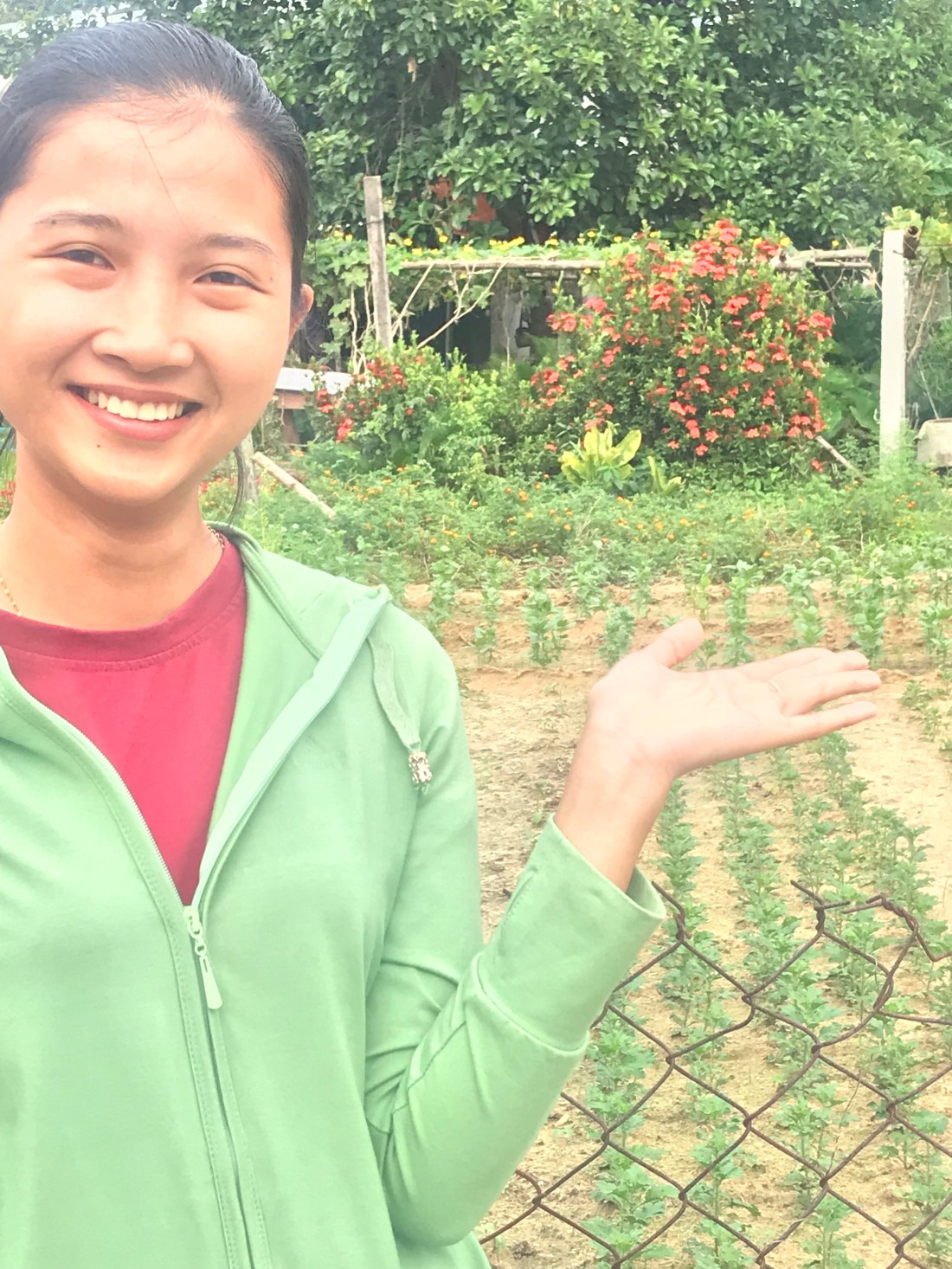
The young women I met on my travels in Vietnam were fabulous. Their voices were quiet, positive, passionate and strong. And they tended to crack a lot of jokes too (impressive especially in a foreign language). The world needs more women like this, and I wish them well.

Food glorious food (ii): Hidden Gems of Hoi An

My guide Emily met me on a corner for this delightful walking tour of Hoi An, including lots of fascinating sights. Her real name apparently means “Charming”, and is also the name for the bright orange flower behind her here. She is sad because these flowers are often offered to dead ancestors, but happy that they are so beautiful too.

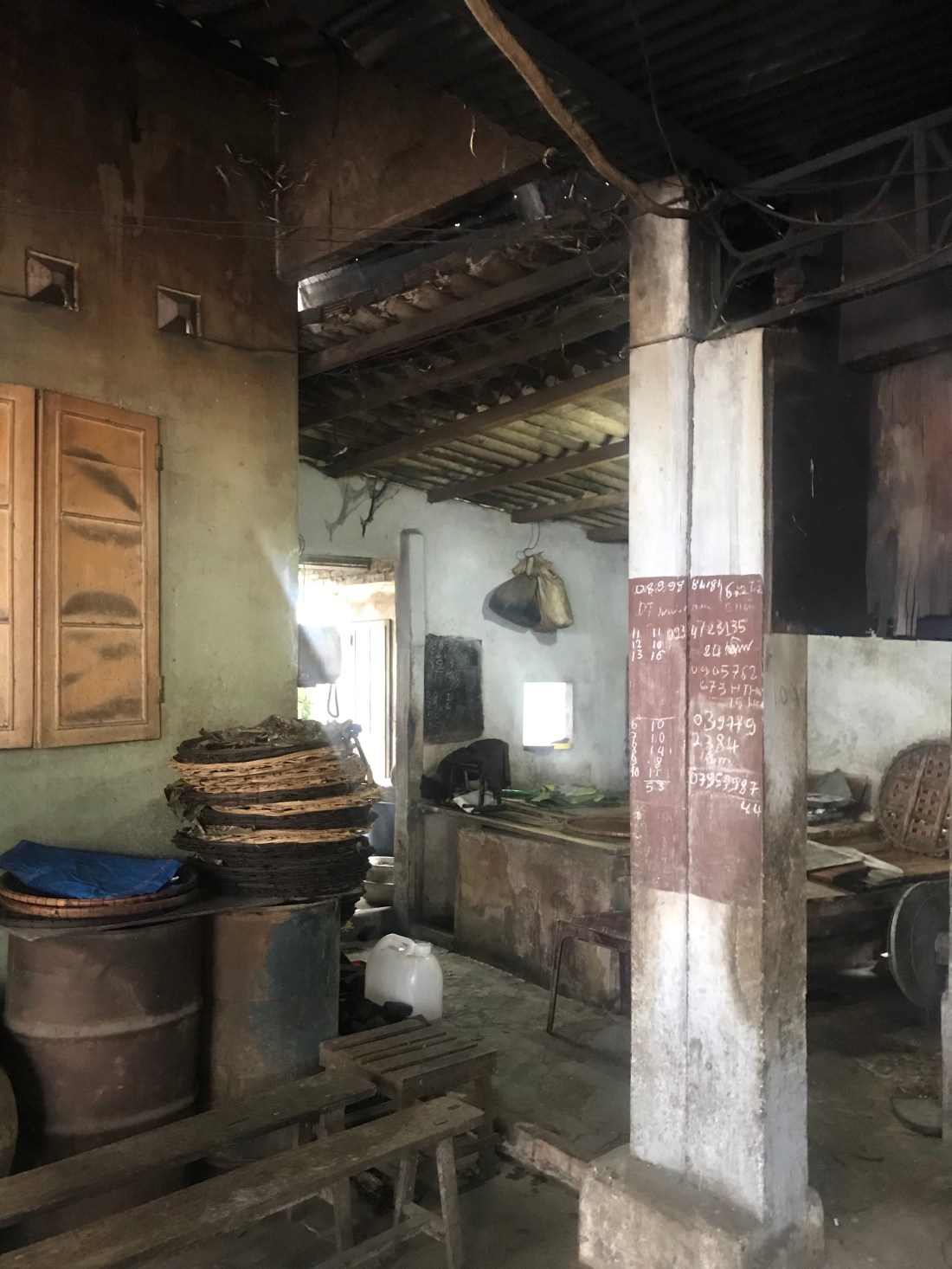
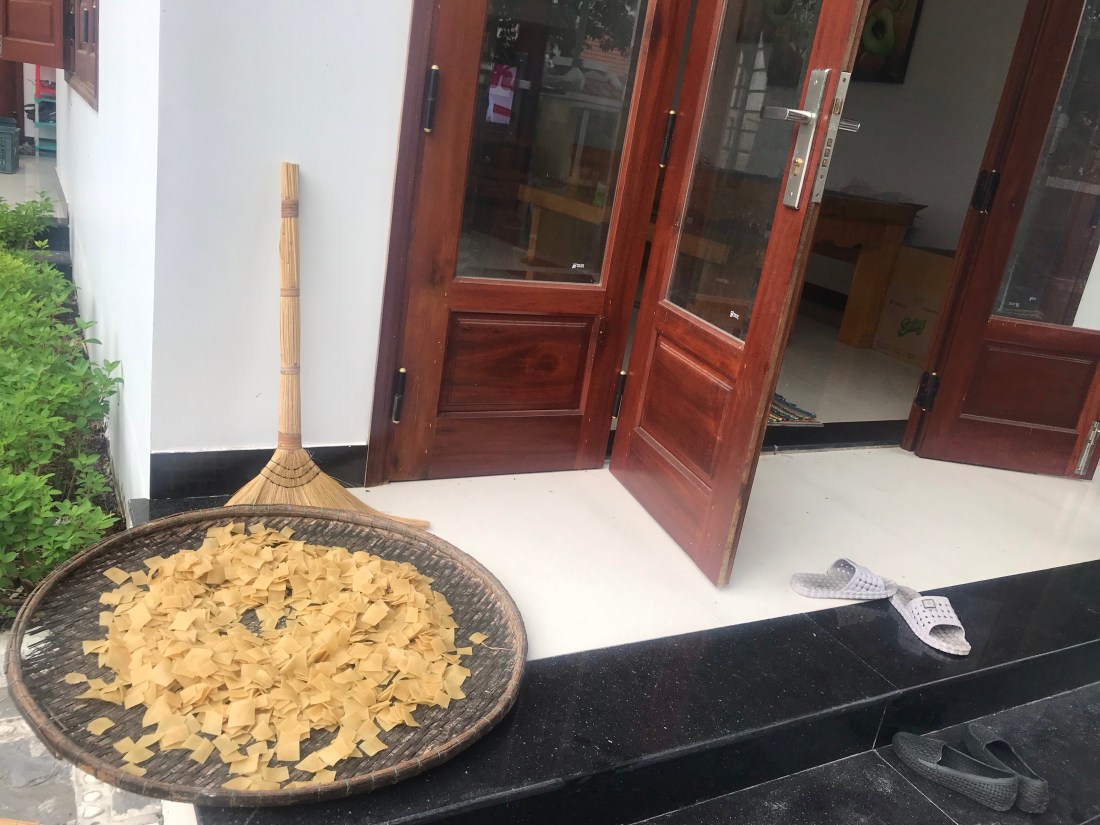
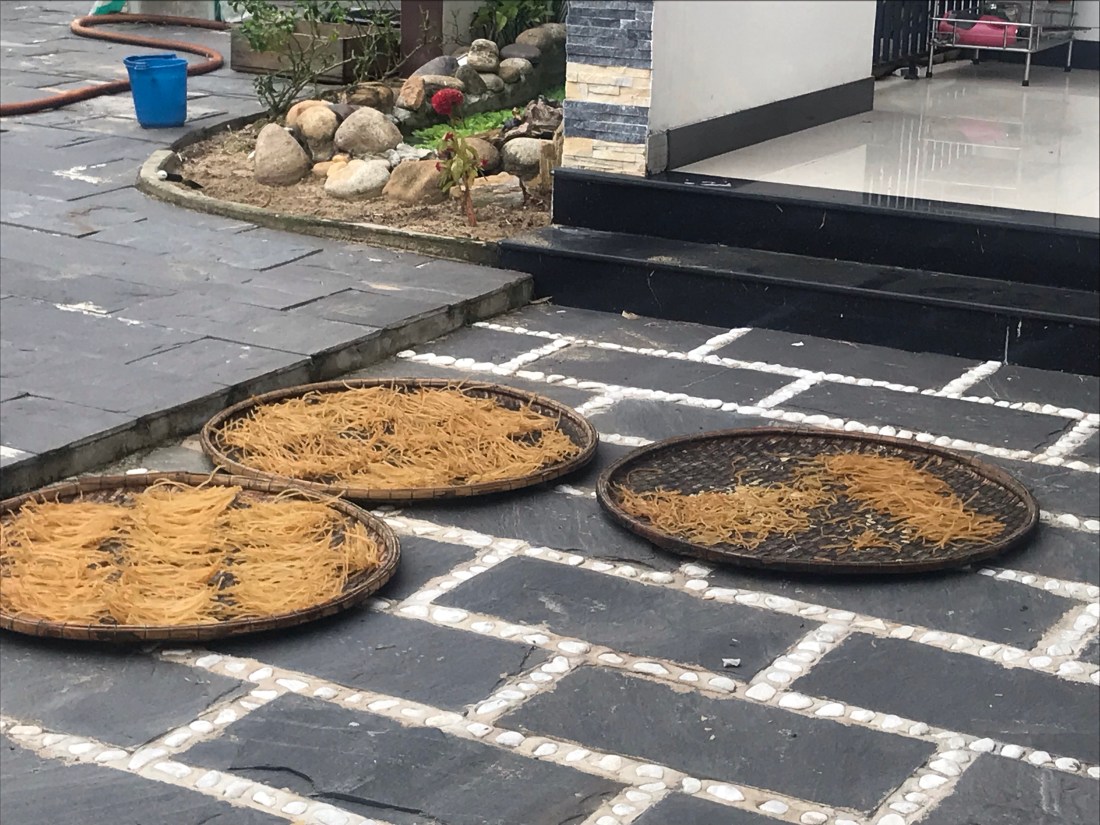
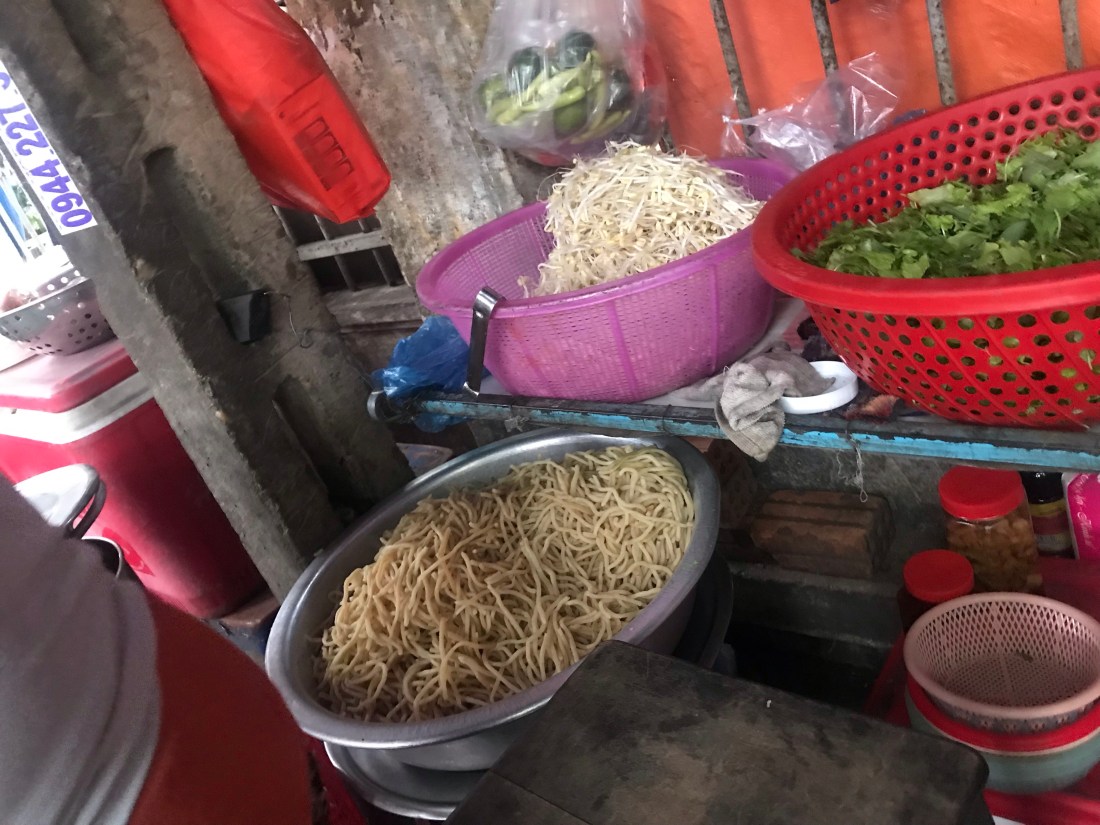
Emily talked as we walked a lot about the local history, politics, agriculture and culture. We visited a traditional noodle factory, making a type of noodles that you can only get in Hoi An:

The guy who now runs the noodle factory has quite a few workers, but still has to start work at 1am and only finish about 5 or 6pm normally apparently, in order to keep up with the demand for his noodles!

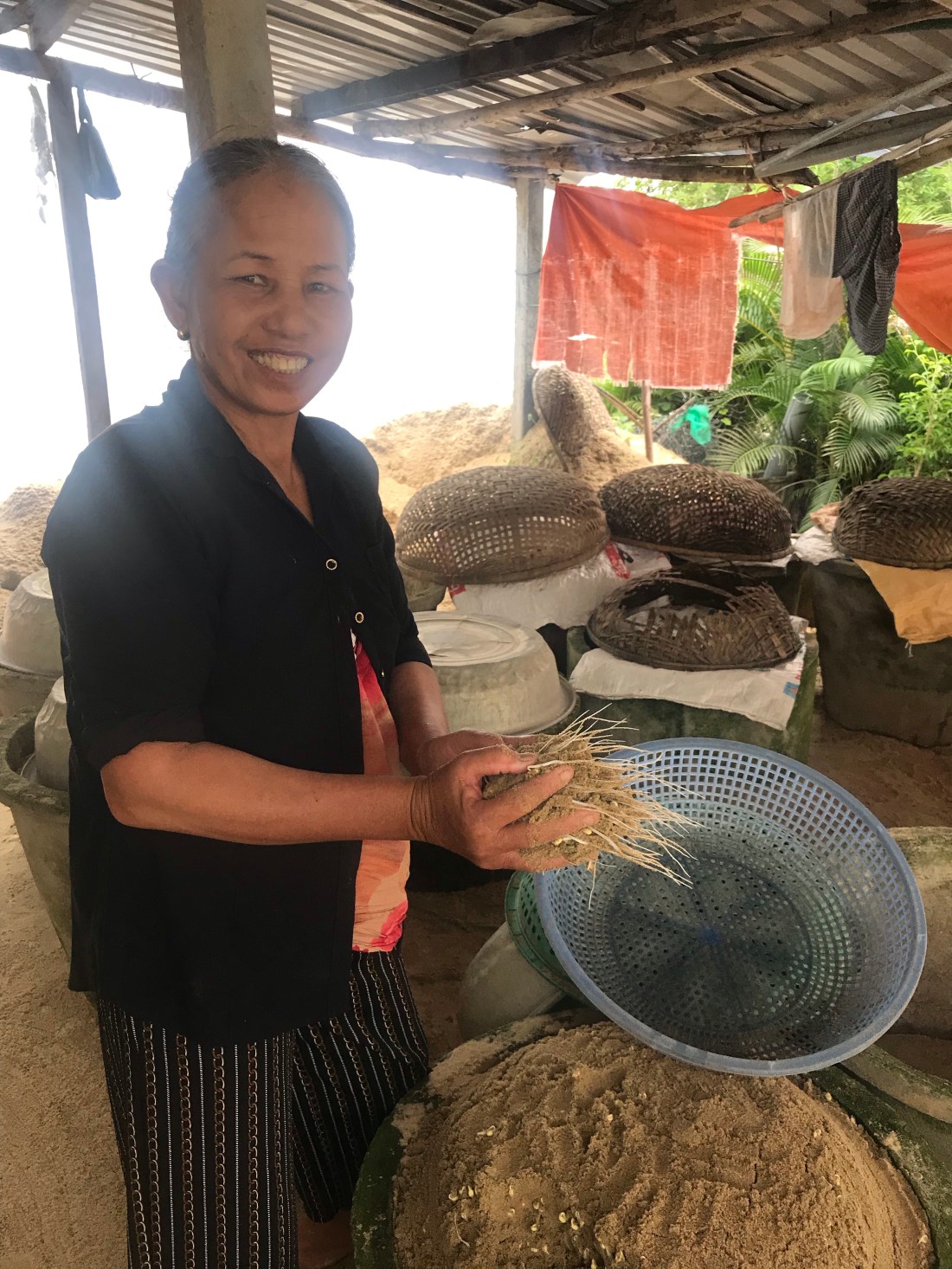
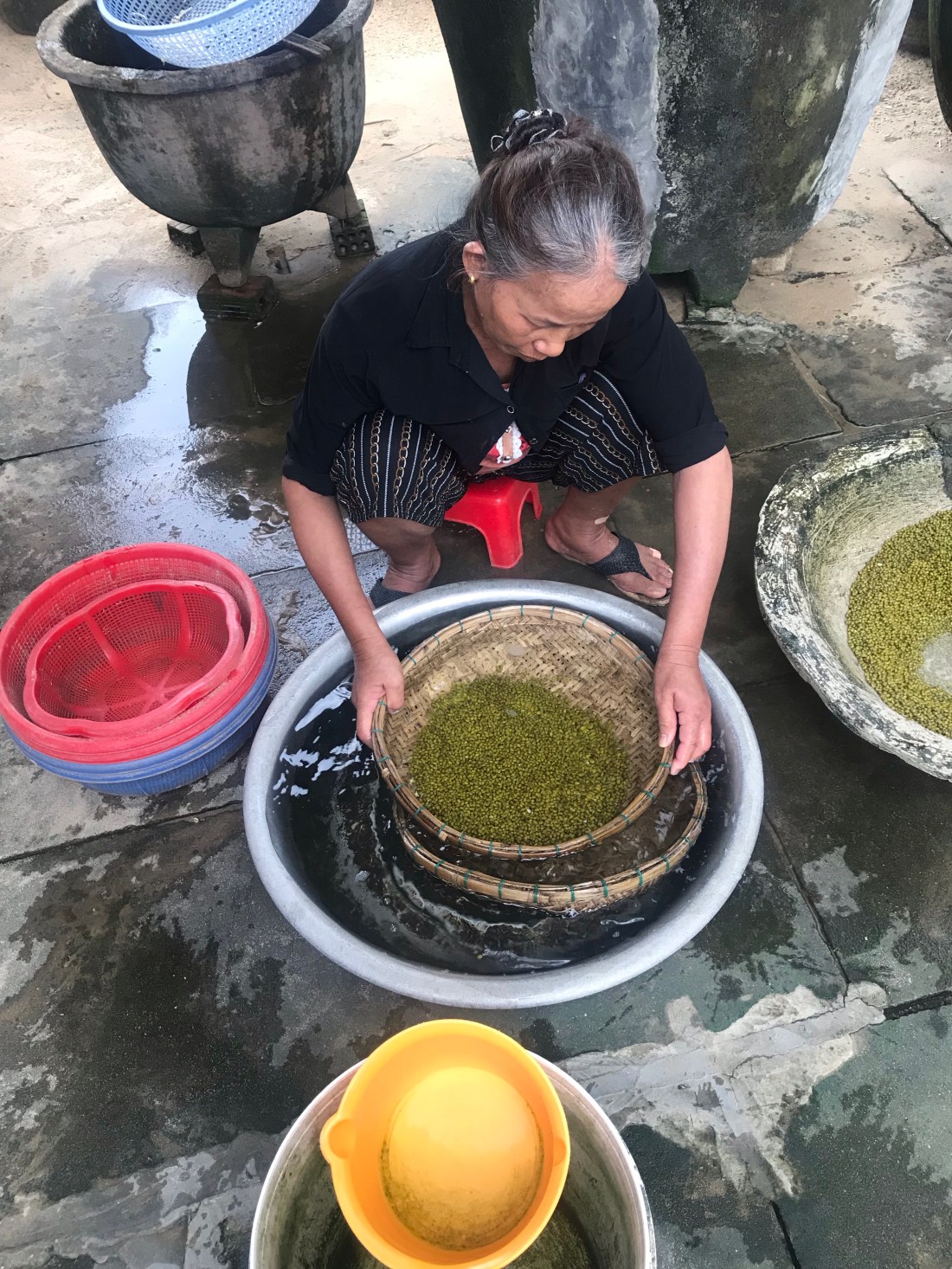
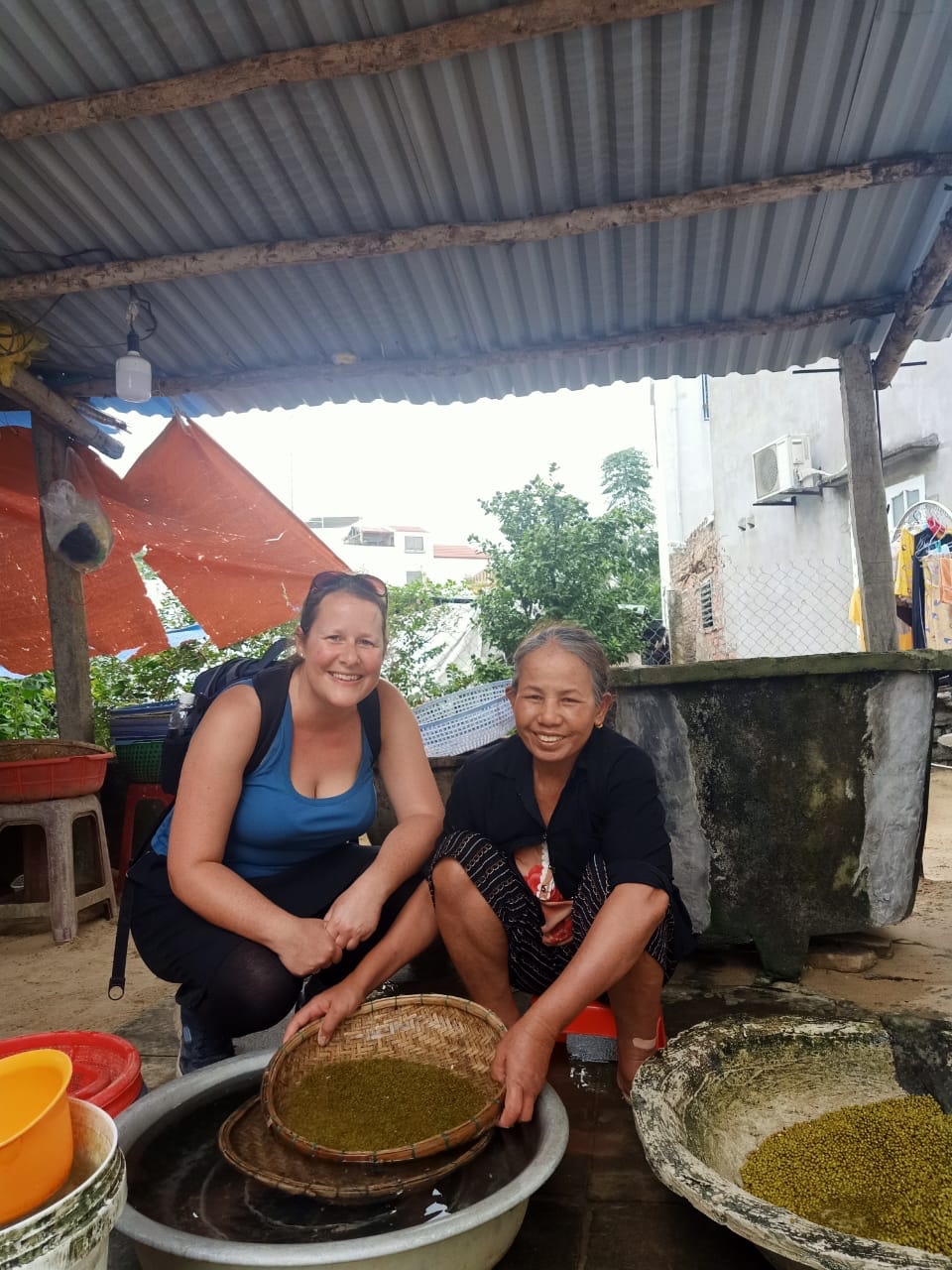
Then we visited a beansprout factory and the lady who has learnt how to smile through smiling for the camera for people on these tours! She has a wonderful smile too. She and her husband also work long hours, and are both in their mid to late 60s. Apparently they plan to keep working until they can no longer walk. Then they will retire. They must be disappointed that their children do not want to work that many hours every day, so have got themselves other jobs working in the tourist industry. I wonder whether this traditional way of growing beansprouts will survive once the older generation stop doing it.

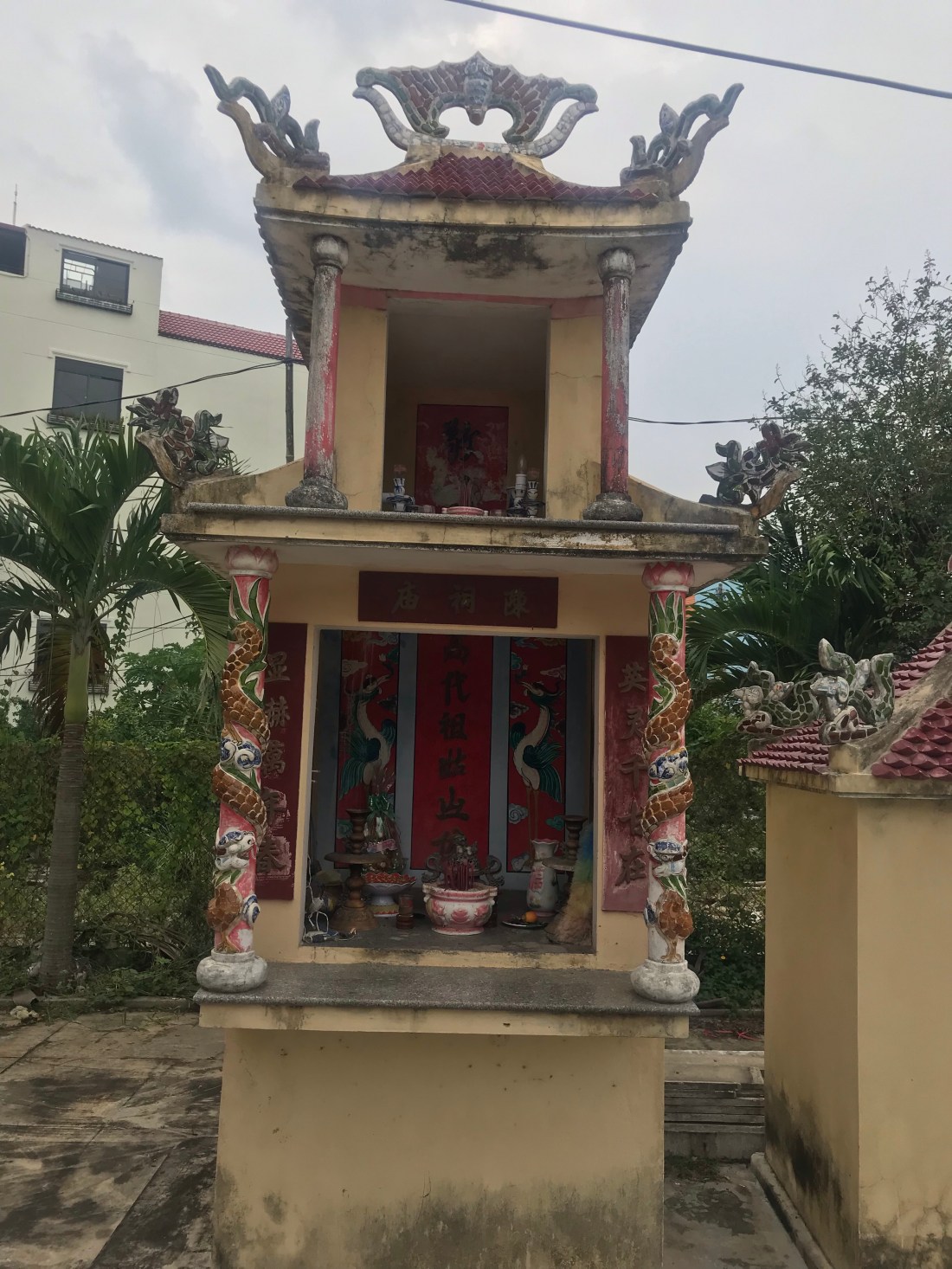
Then we visited a temple for worship of the family ancestors. Everyone with the same family name worships here and helps pay for its upkeep. The door on the right is for men, on the left for women and the central doors (opened on special festival days) are for the ancestors.

The mini temple on the right is for single women. Emily was very positive about the idea of having our own temple in the forecourt. But then she was very positive about most things! I wondered why there was the need to separate out single women in this way. She didn’t mention any similar arrangement for single men. I wish I had asked her more about the role of women now in Vietnam.

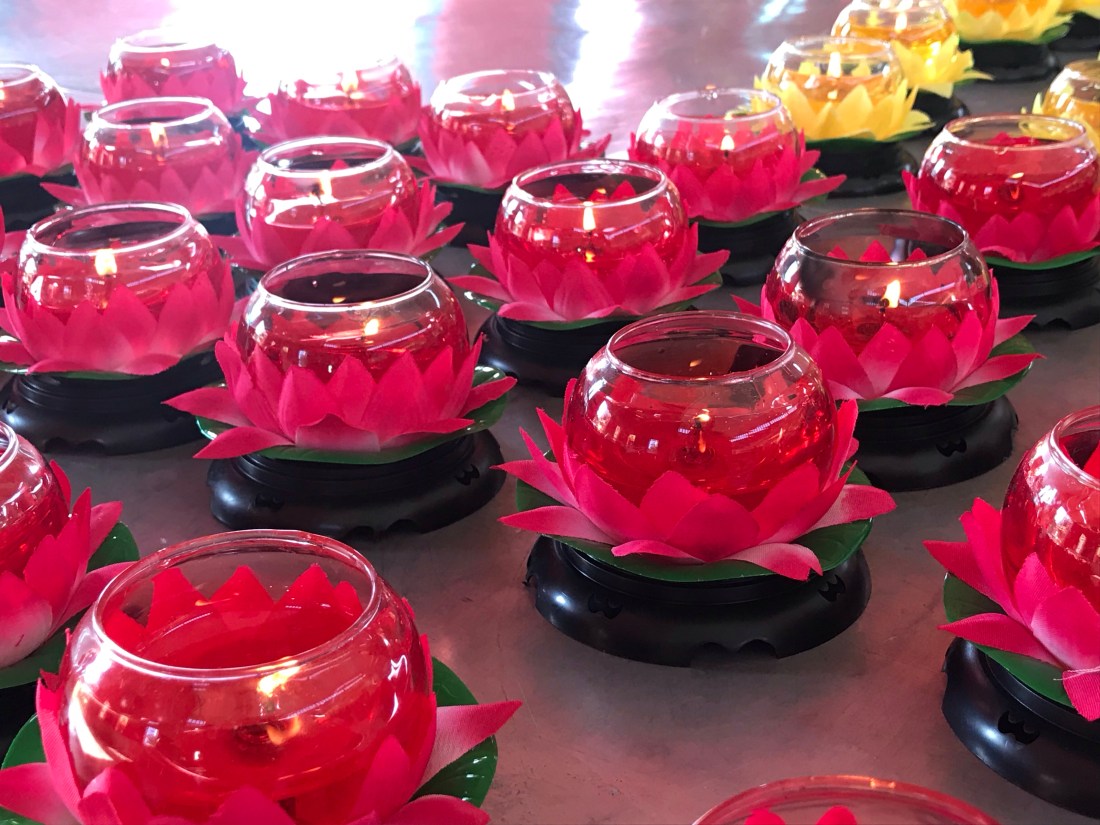
She mentioned that normally people burn three incense sticks here. One for heaven one for hell and one for human life. The idea being that somehow the burning creates a connection between all three.

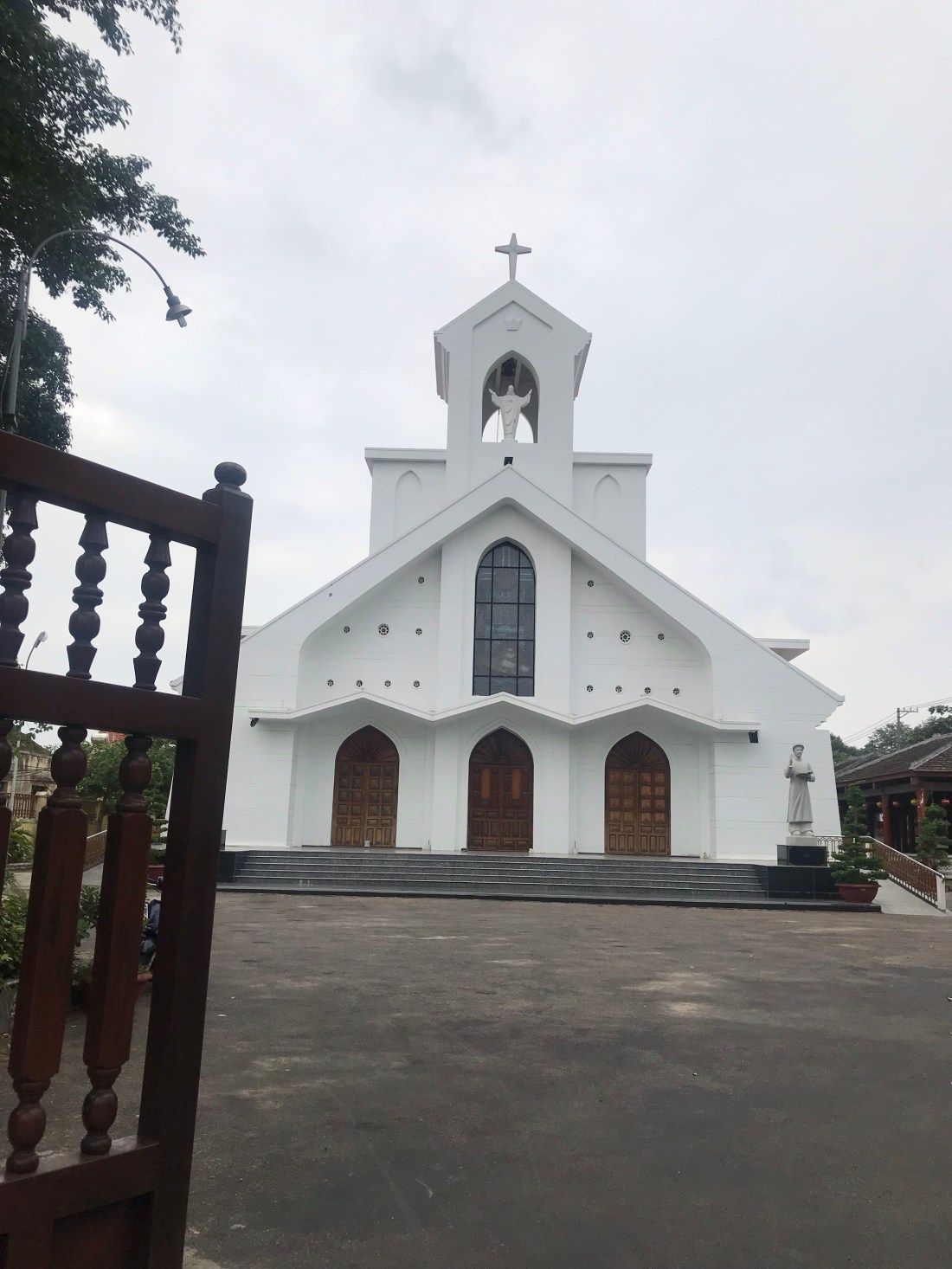
To my amazement, we passed a huge church building too. Apparently there is quite a big Christian population here, but people will travel sometimes 30km to come to this church.

I’m not sure how the ancestor worship could work for the Christian population. I imagine it’s something they disengage with, as worship of anyone or anything other than God is seen in Christian theology as something that imprisons people one way or another, whereas worship of God sets people free. But it sounds like most other people here, whether Buddhist or of no particular other faith, do practise it, albeit with varying degrees of belief about it.

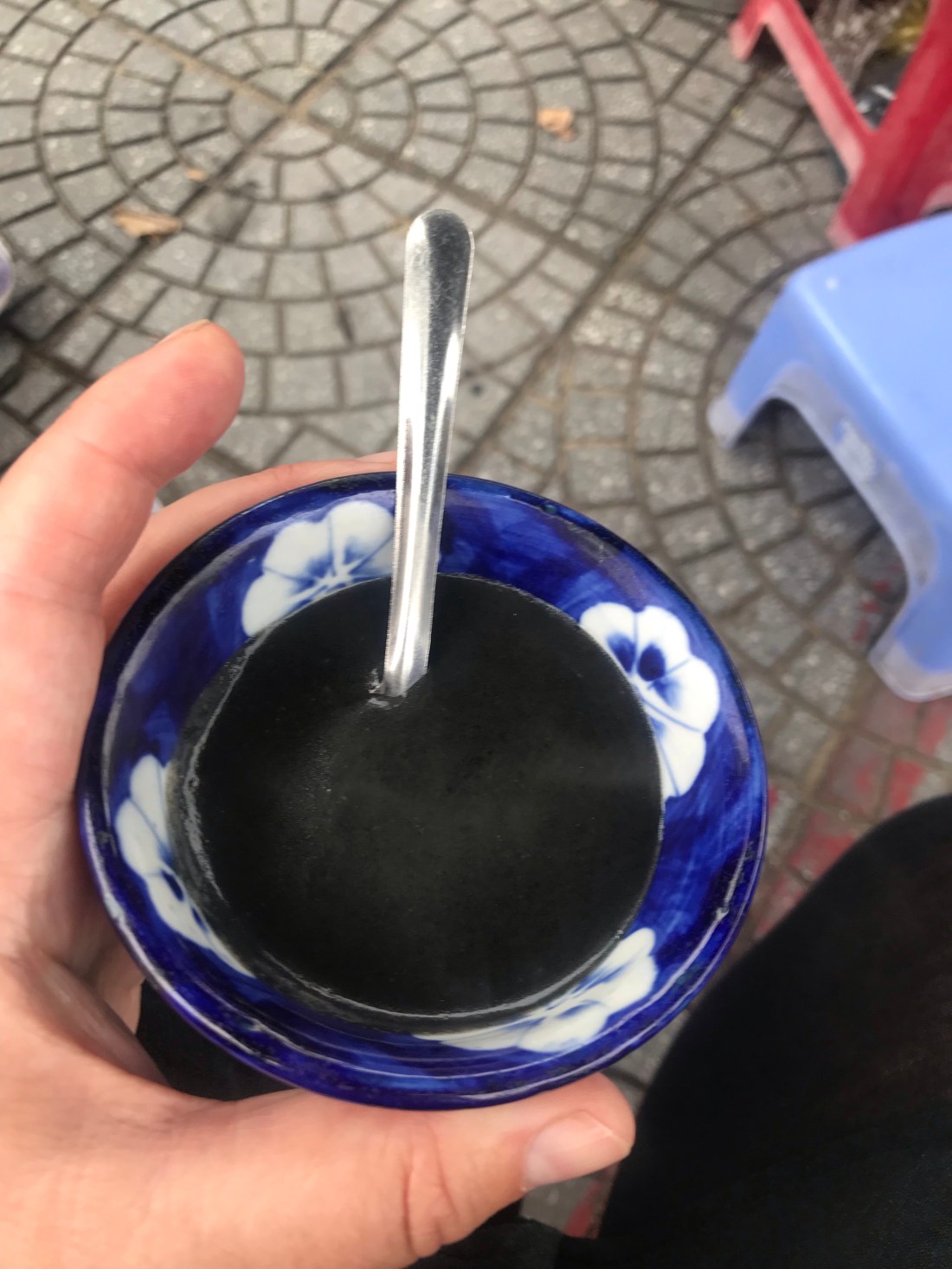
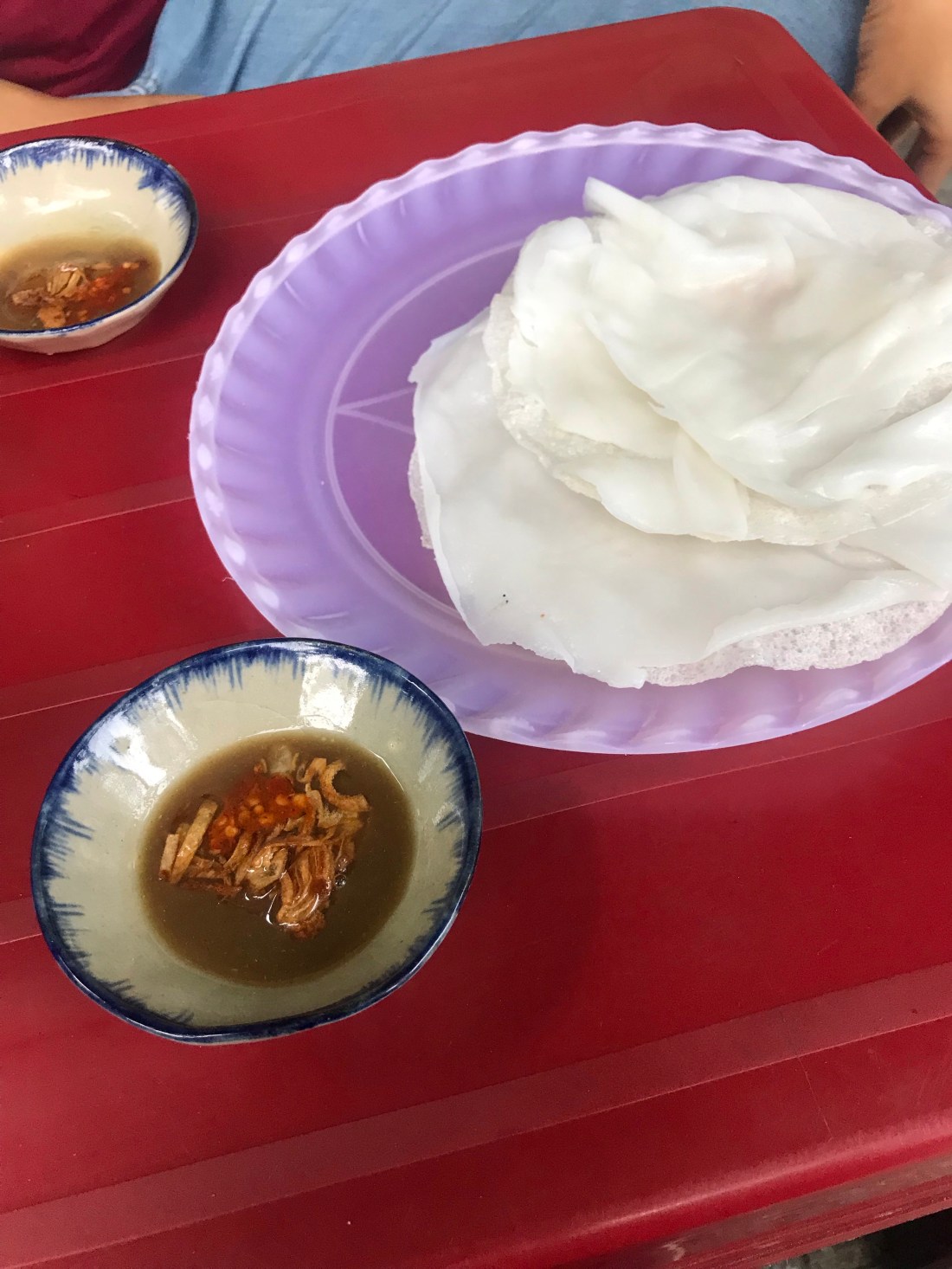
Then we began our street food tour. This was great, as I’d been wanting to try street food, but not at all sure where to start. Everything we tasted was delicious. Vietnamese food does have spicy chilli in it but is not too spicy if you don’t add extra raw chilli to it. It also often has a sweet tang a bit like sweet chilli sauce to it that is very delicious. I can’t remember the names of all the dishes but this first was black sesame soup, a sweet dish you could have for a starter. The second dish we had included those special noodles you can only get in Hoi An. The fresh ones only keep for three days, apparently. No wonder the guy has got his work cut out for him!

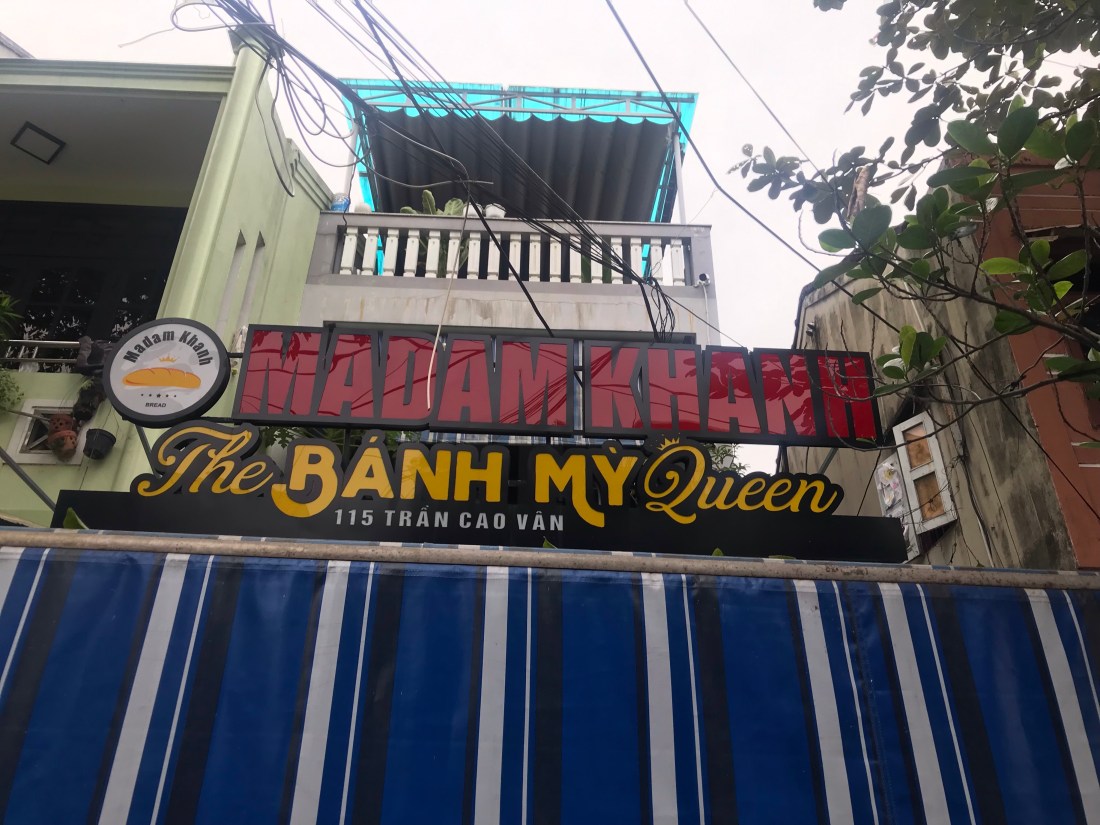
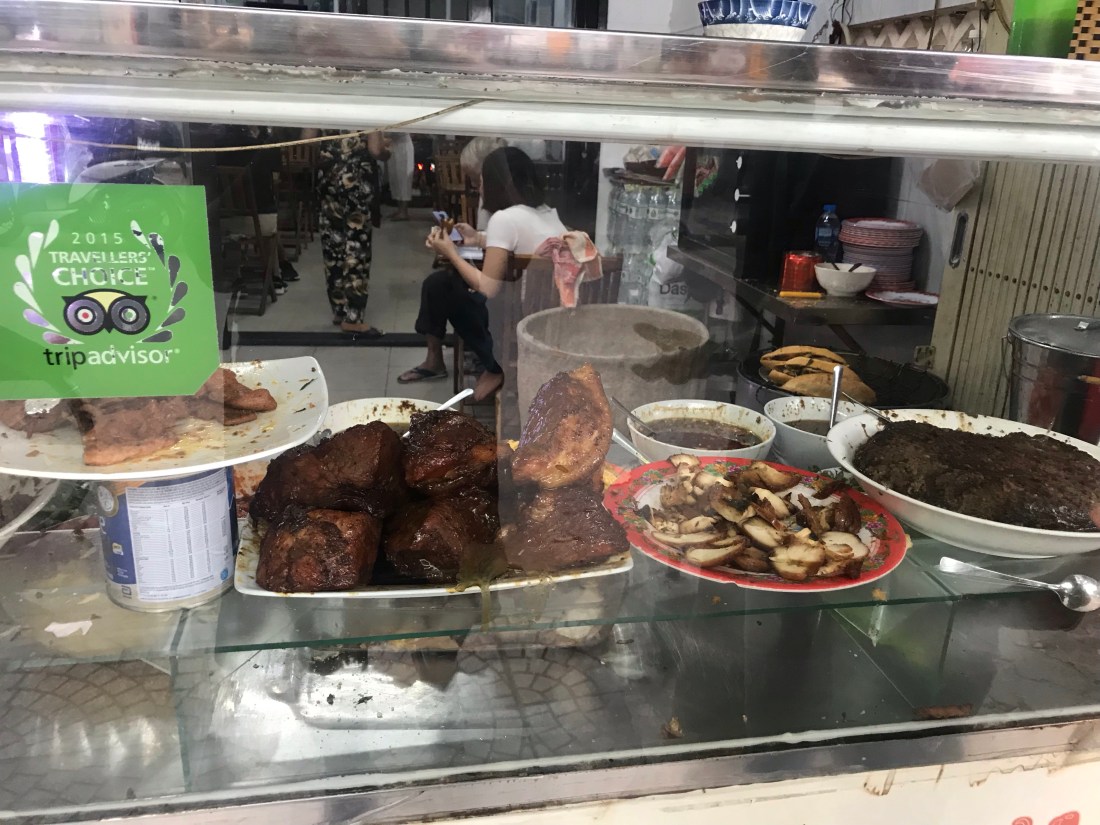
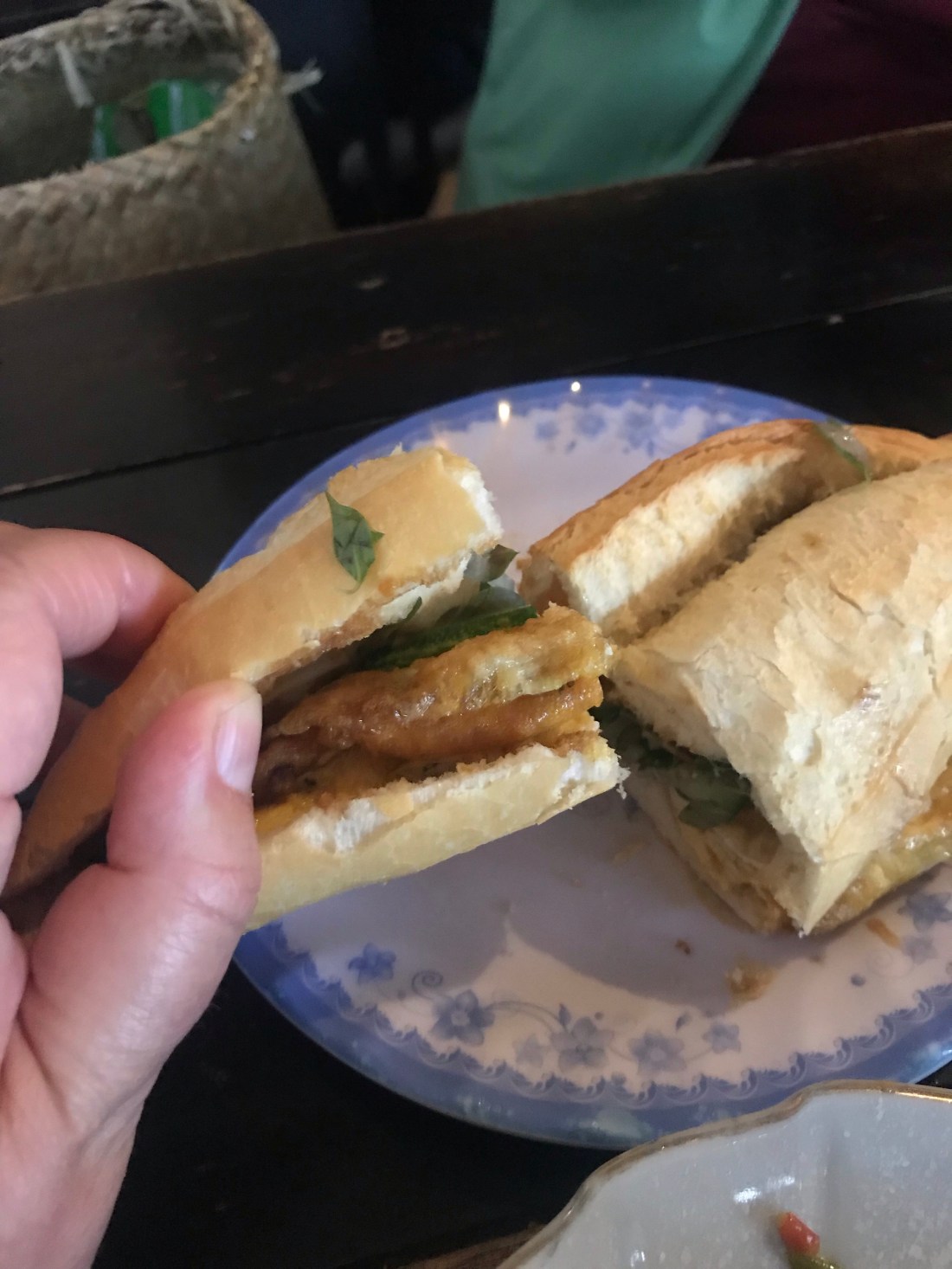
This 👆🏼👇🏼 is one of the most famous street food sellers in Hoi An. Her and her husband are pretty old now but plan on continuing until they drop! They sell a type of Vietnamese baguette called “bahn my”. Apparently the French didn’t only bring an oppressive regime when they occupied Vietnam. They also brought French bread, which the Vietnamese copied but then adapted to make a lighter version that is very good. This street food seller also has a pâté she puts in the banh my with meat filling that is famous. I went for her veggie egg based option this time, feeling rather meat-ed out!

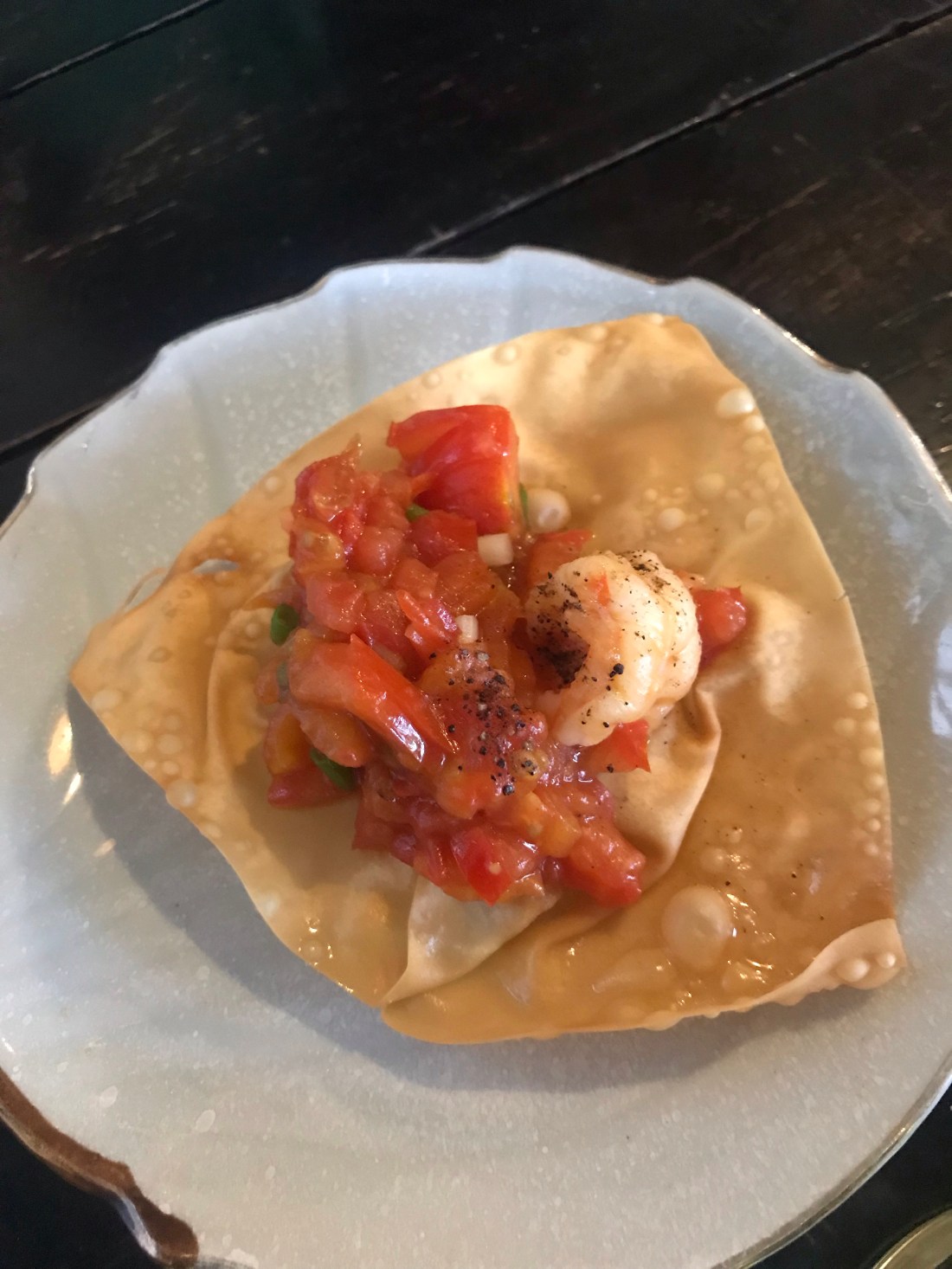
Over my crispy wonton 👇🏼 we had a conversation about climate change, and the different conversations I have been having about it in different parts of the world. Emily was interested to hear about Greta Thunberg.

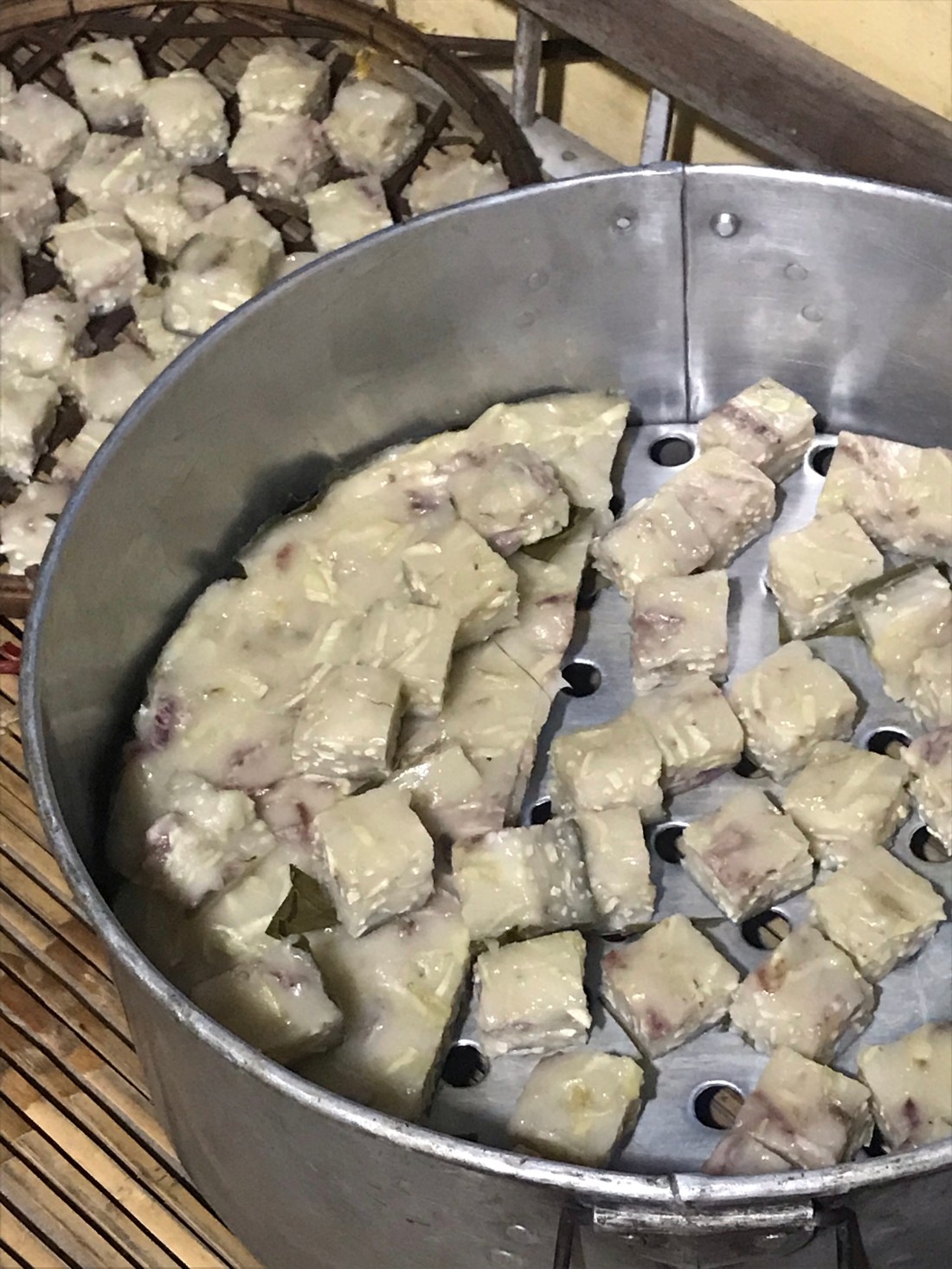
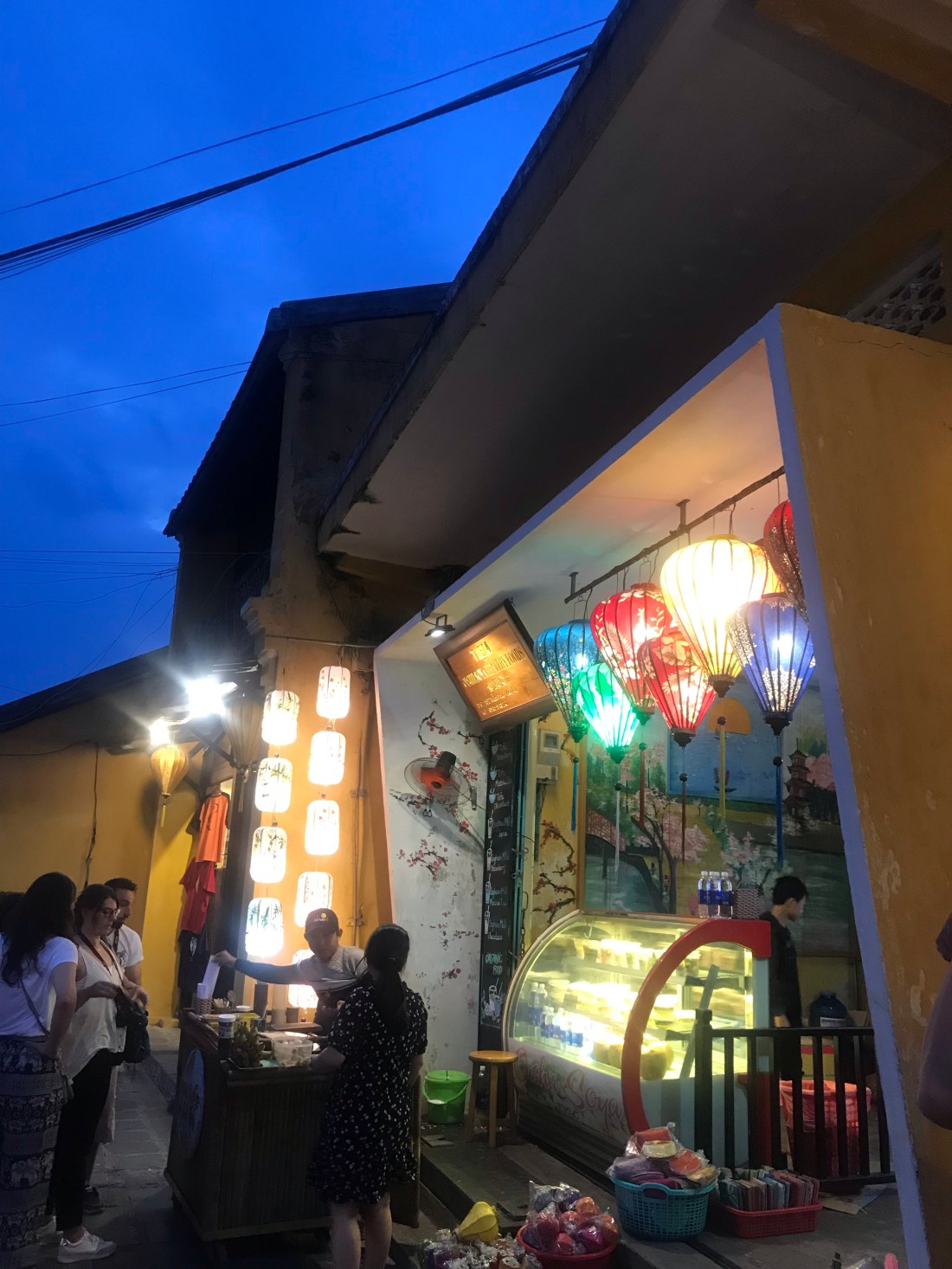
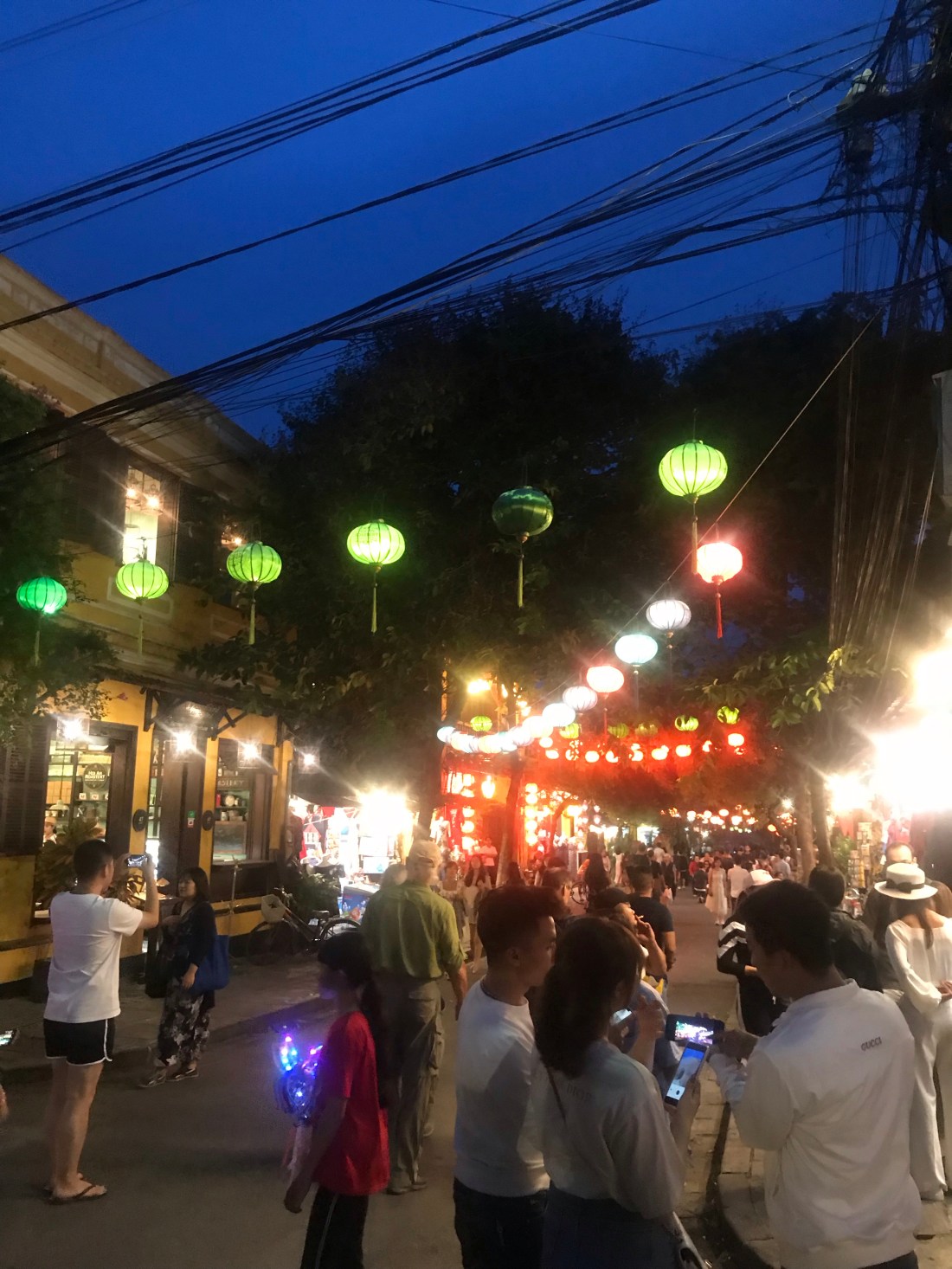
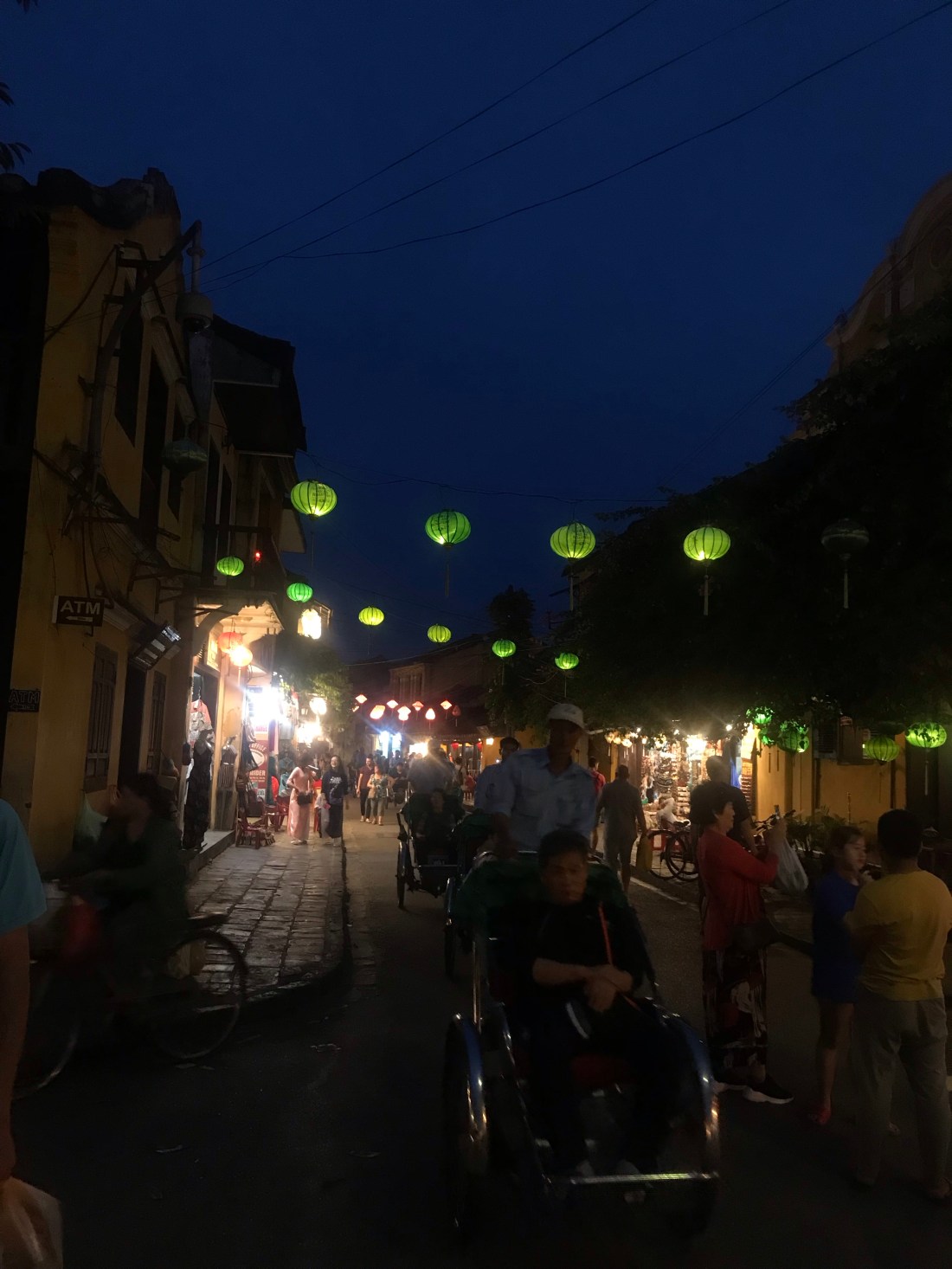
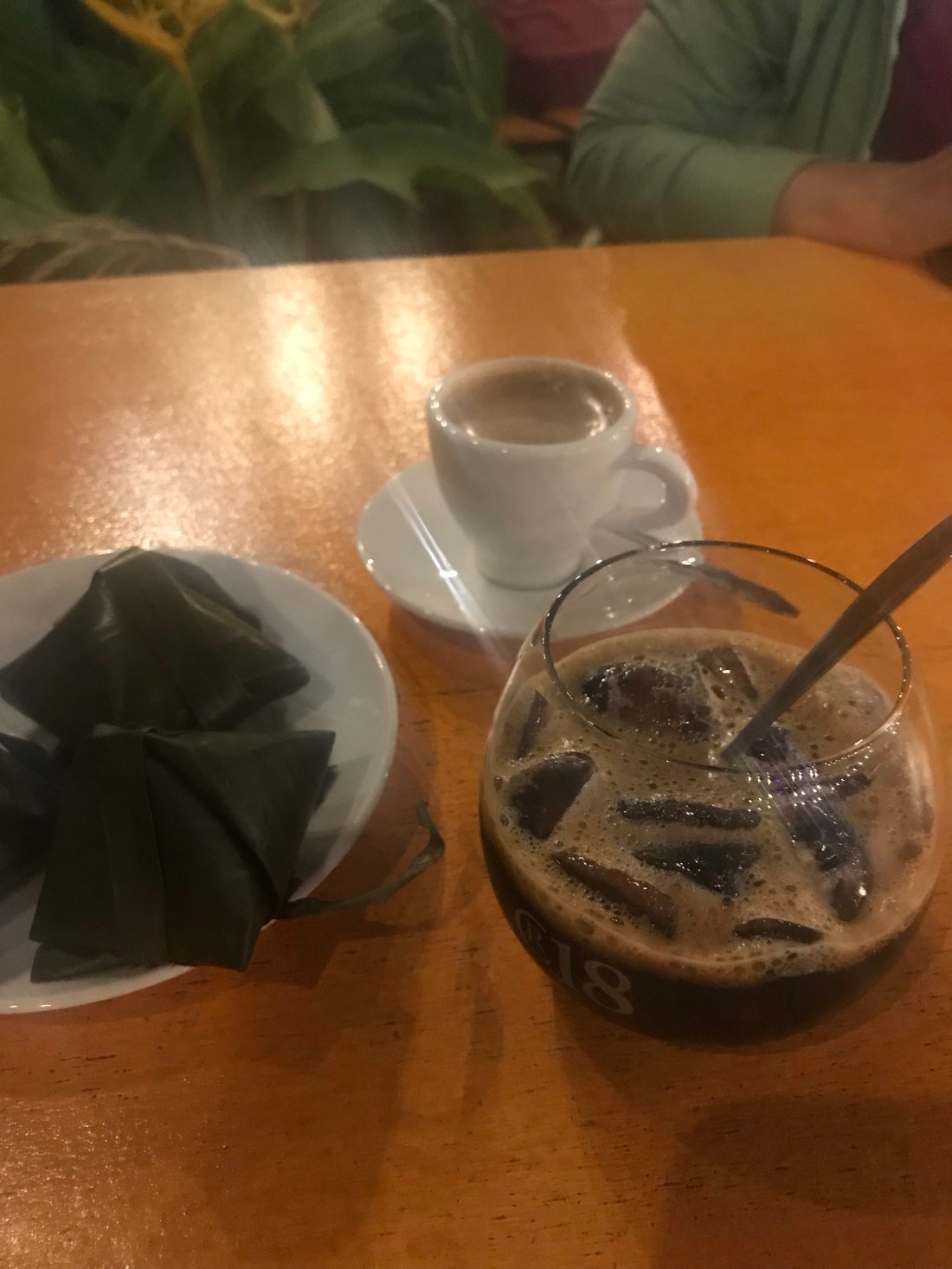
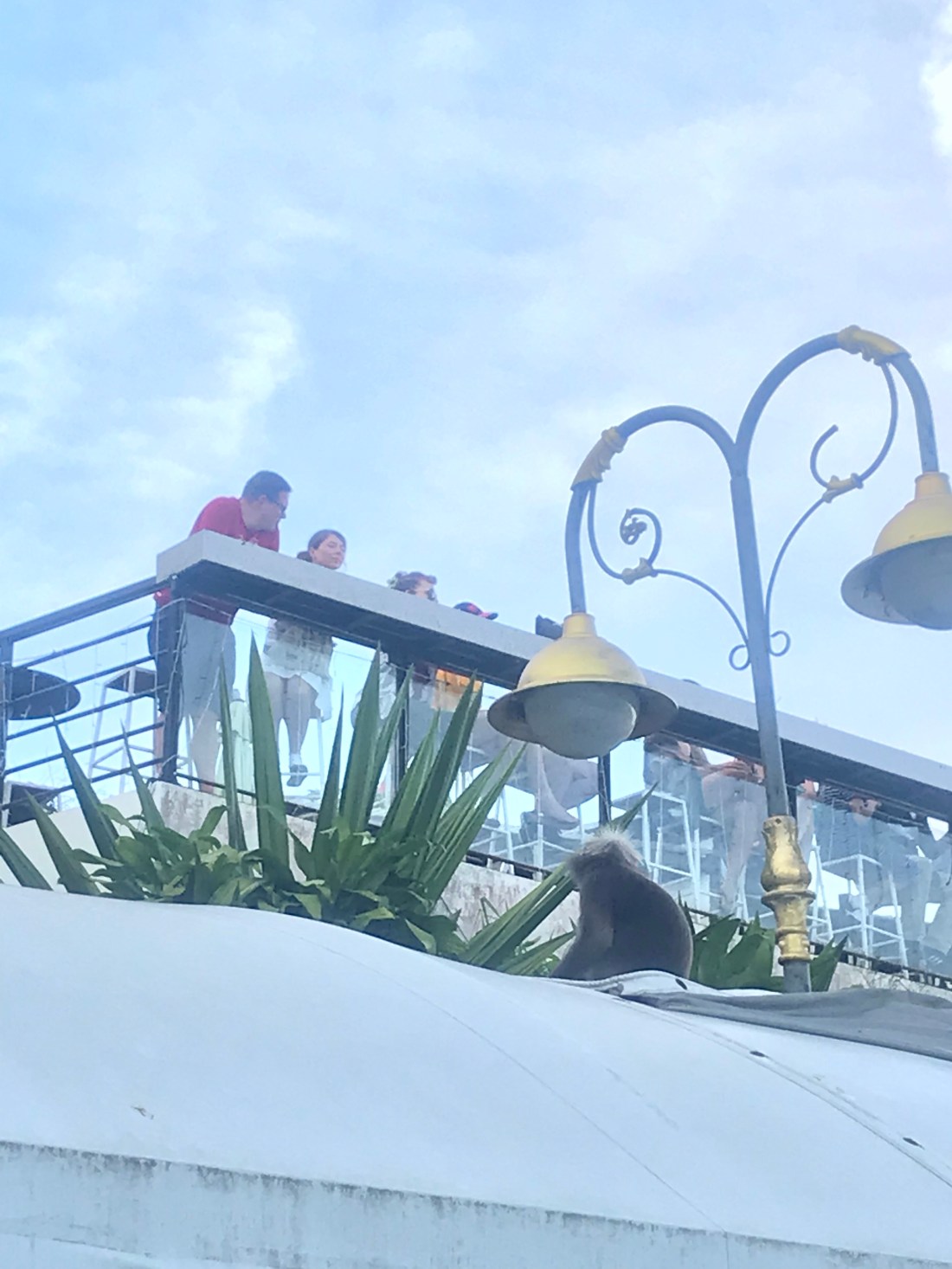
We finished up our street food tour with some Vietnamese cakes made with rice flour, bean curd, and sweet potatoes etc (all grown locally), a wander through the lantern lit streets of the ancient city and then a coffee on a rooftop terrace overlooking it. A beautiful end to my last day in Hoi An and my last day in Vietnam, too.

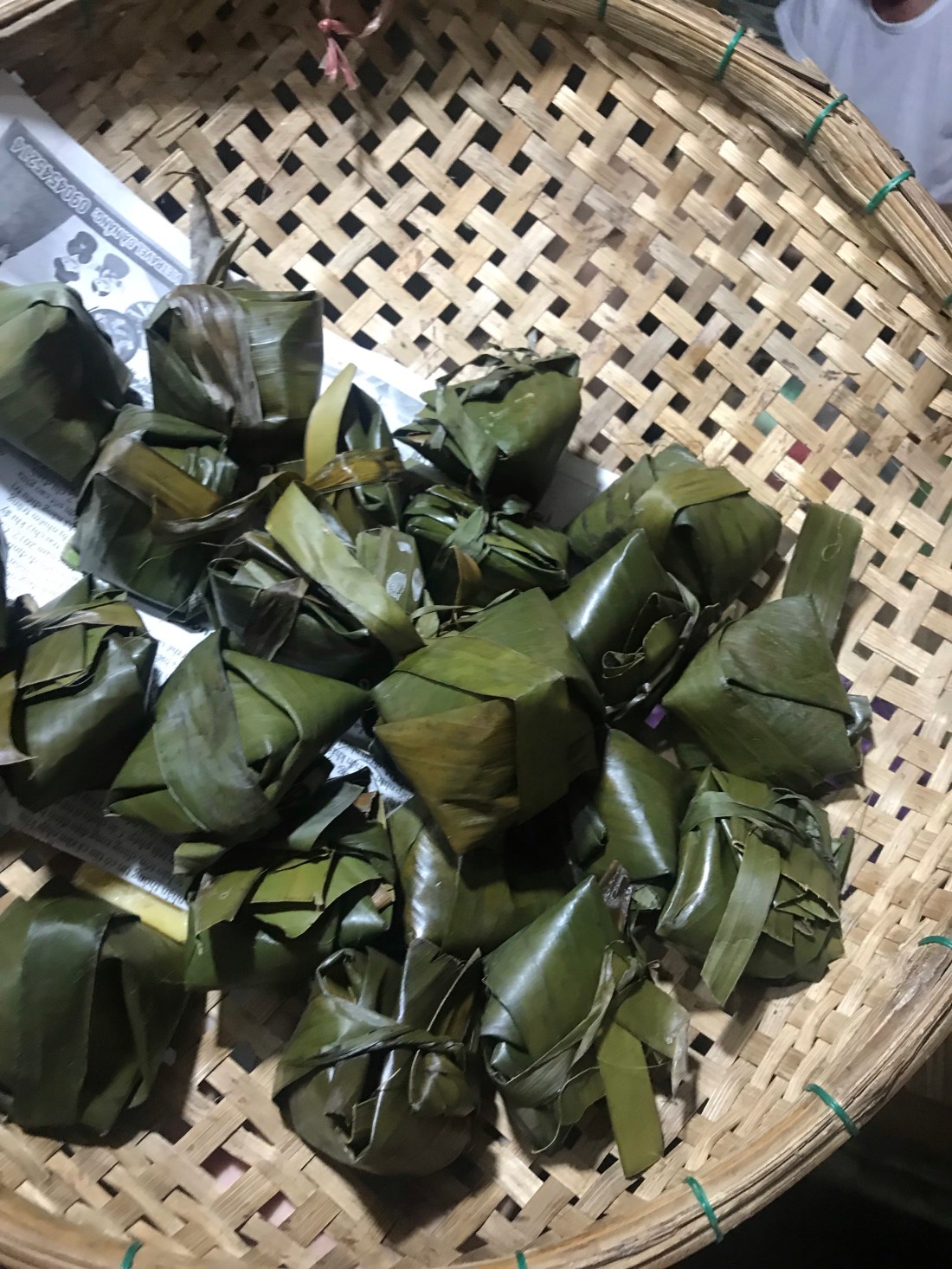
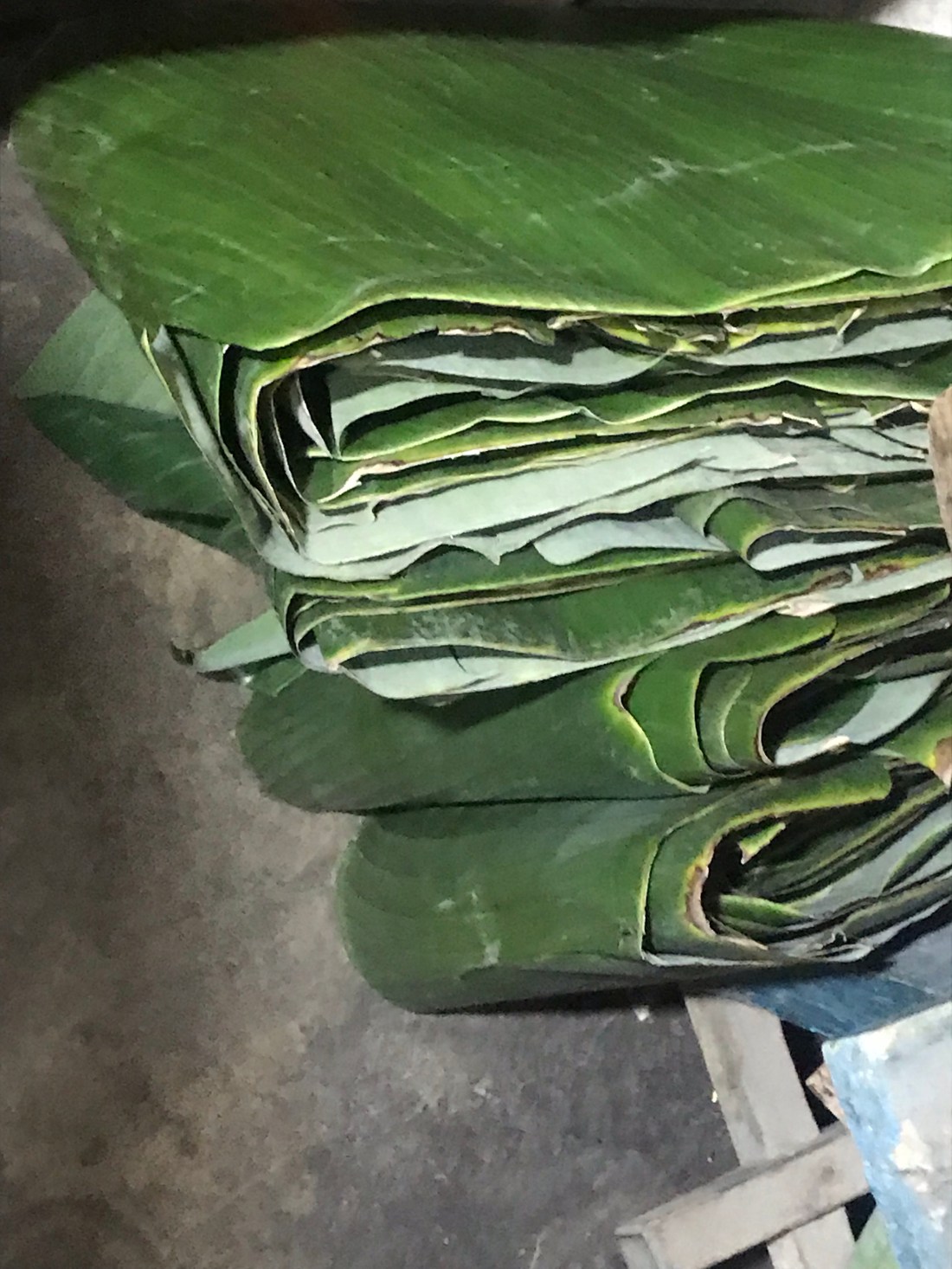
Banana leaves used for wrapping the cakes:

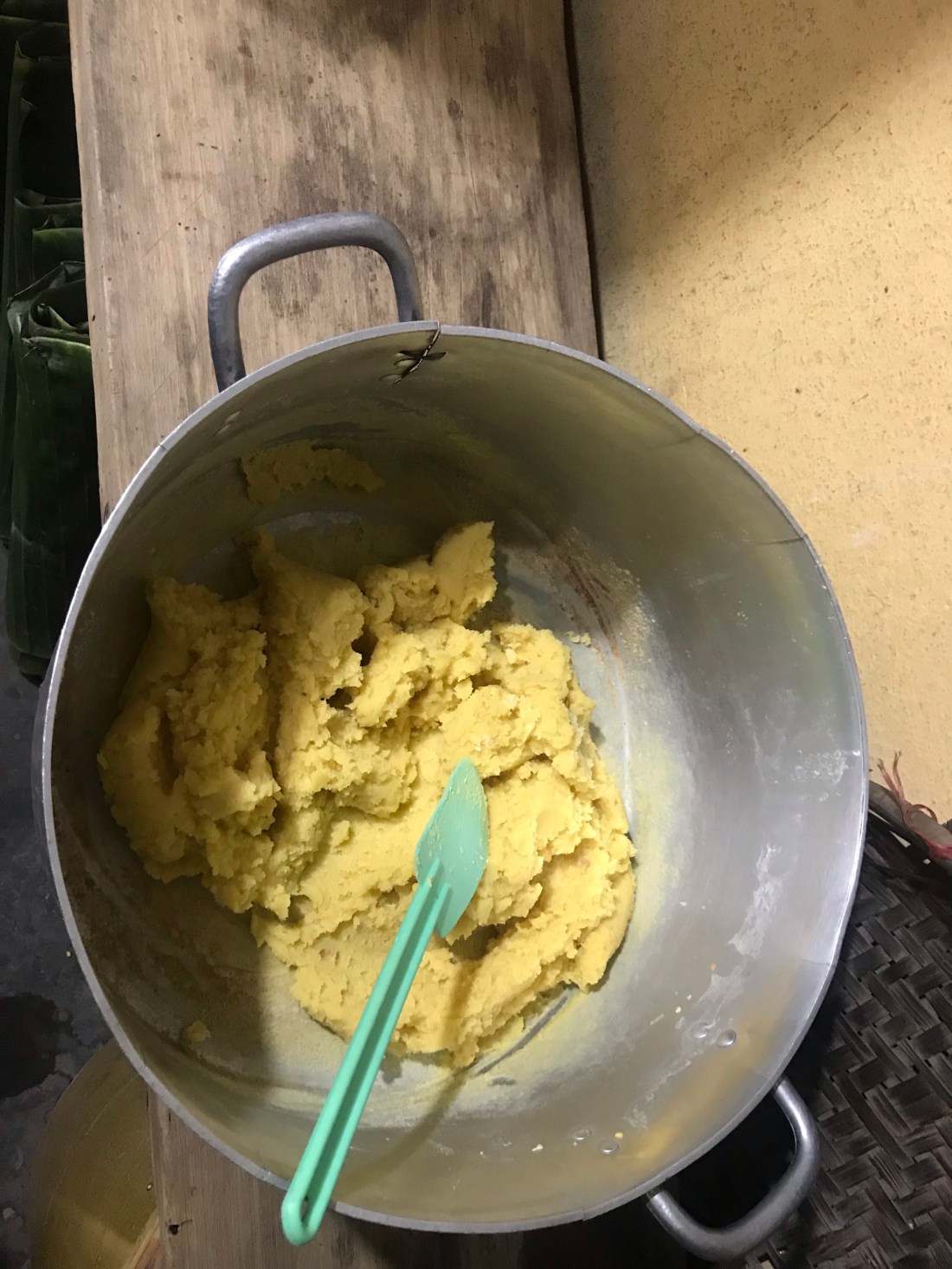
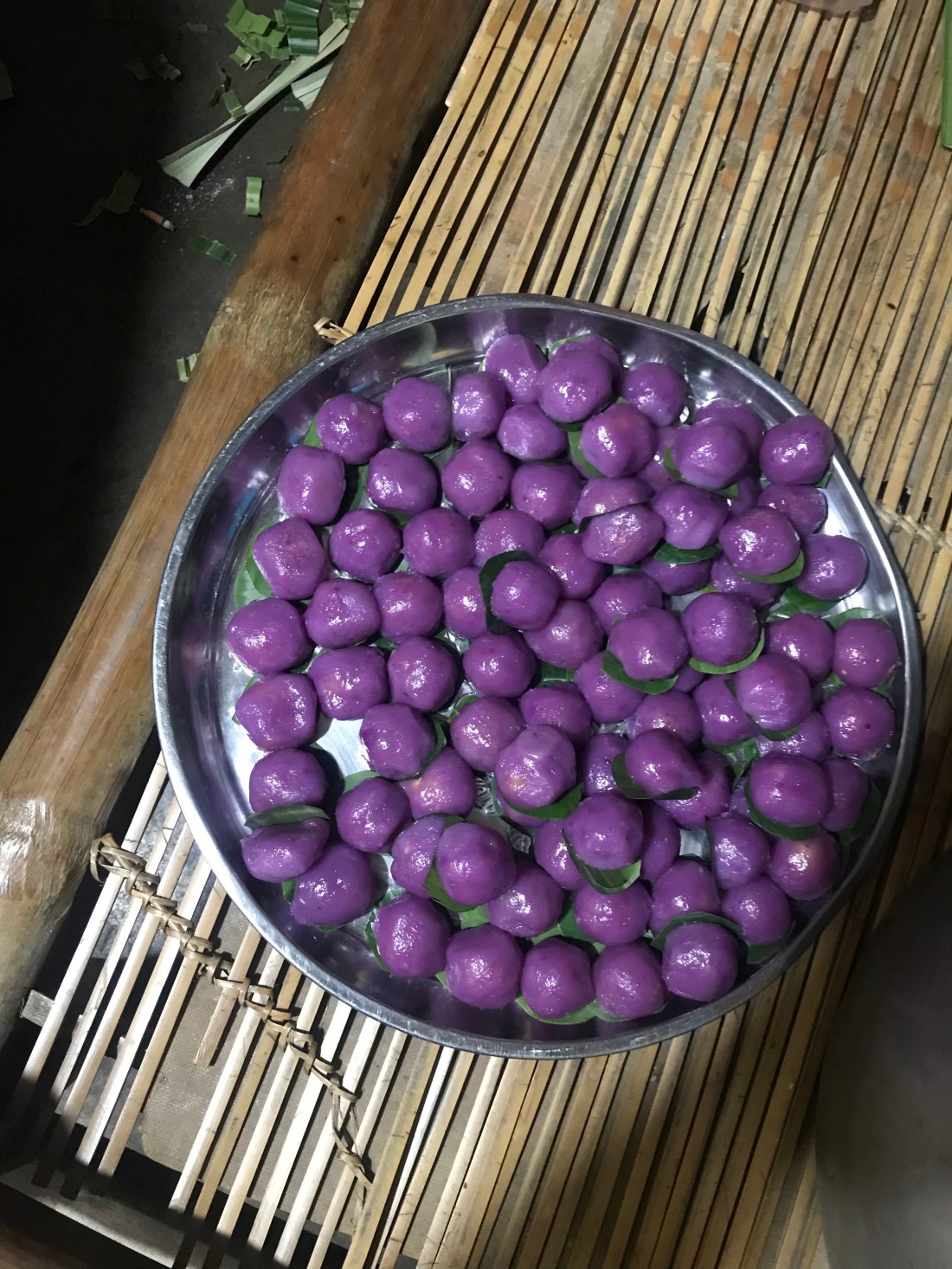
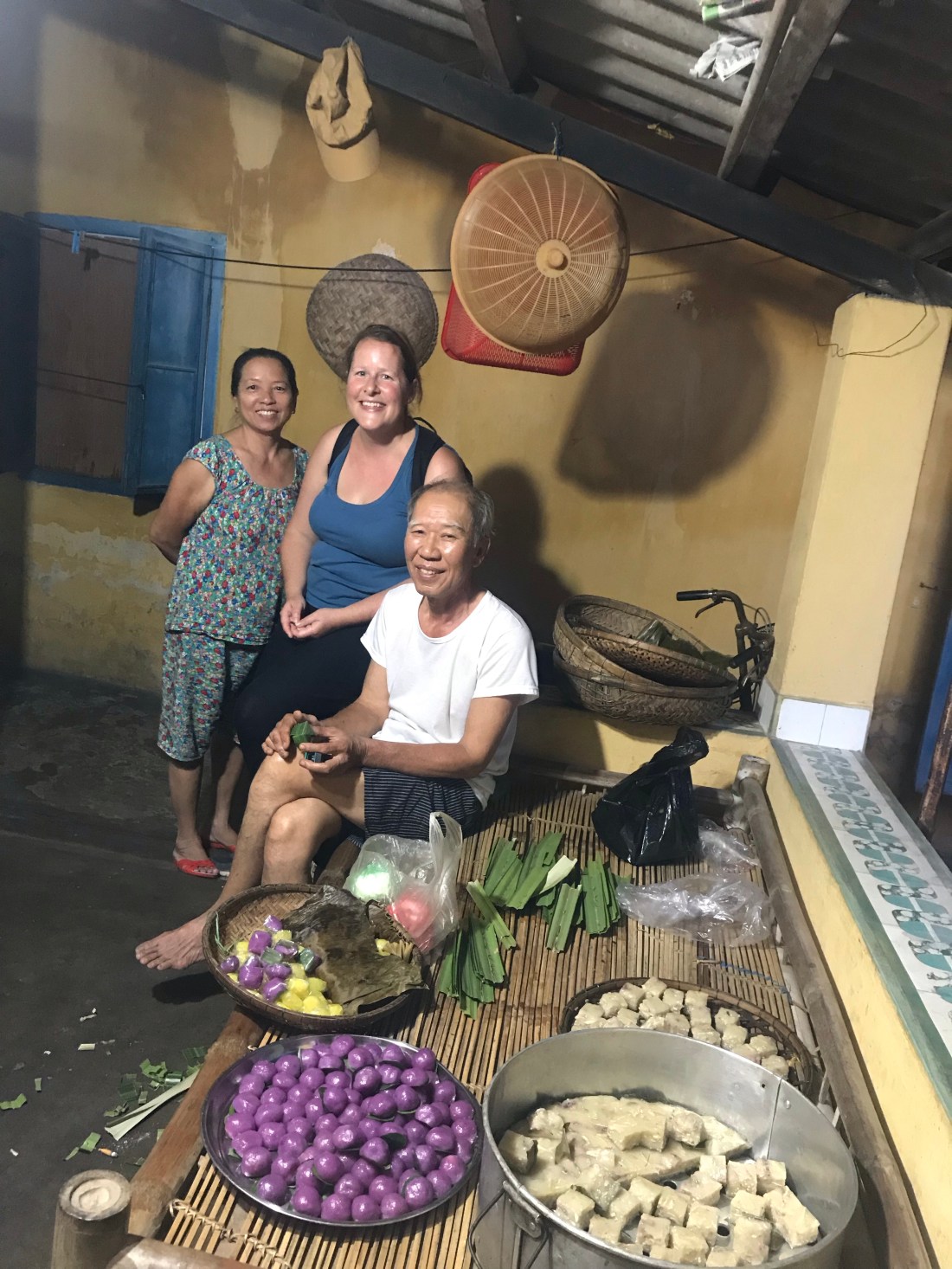
When we arrived this couple were busy making special cakes for guests at a wedding. The purple ones made with purple yam had a similar texture to the Japanese mochi I had in California, though instead of being filled with ice cream they were filled with sweet bean curd.

Tomorrow, I fly to Penang island, in North Malaysia. Another country again. I will stay there for a few days before taking a long bus ride down the length of the country back to Singapore.

My only regret on leaving Vietnam is that I wasn’t in Hanoi long enough to do a trip to the beautiful Ha Long Bay, and here in Hoi An I’ve been staying very close to the South China Sea (probably about 10 minutes’ walk away), but I’ve not had a chance to see it or set foot in it. I might have to try and remedy that tomorrow morning if they unlock the gate so I can get out early enough!

Food glorious food: Tra Qué Vegetable Village tour

I hadn’t completely realised this, but I managed to book myself onto two tours that were quite food related one after the other today! (It’s a good job I did all that cycling yesterday!)

For my first tour, the Guide, Hoang picked me up from my rather out of the way homestay on a motorbike, then we met up with two other people and his colleague who would translate for them, all three on pedal bikes. Firstly we went to a family home where we saw how rice was traditionally harvested and refined, and had a chance to have a go at it ourselves.

We continued on to Tra Qué Vegetable Village, famous in Vietnam for the excellent quality of its vegetables, which are so good partly because of the natural qualities of the soil in that area (which is an island on what I think is part of the river delta area) and partly because of the people’s growing techniques, which include planting small areas of different crops next to each other so that predatory insects are discouraged. It makes for a beautiful patchwork across what is effectively a huge community allotment:

They also plant flowers to occupy the insects and distract them from the crops.

Then we went to the Tra Qué Organic Restaurant, where we saw a cookery demonstration of how to make rice pancakes from the rice flour we had just learnt about, and then had a delicious and very full lunch, sampling many local dishes made from the produce of the area.

Finishing with a deliciously cooked banana:

I was only due at my next tour meeting point about an hour and a half later, and Hoang had agreed to drop me off there. My plan was simply to enjoy wandering around the area until it was time to meet them, but he kindly offered to take me on a motorbike tour of the town, and then drop me off there in time for my next tour.

Hoang’s English was extremely good, and he was very knowledgable about the area but also about Vietnamese history and culture more generally, so it was a real treat to hear him talk about many things, and show me parts of Hoi An that I couldn’t have seen any other way.

Here were some of the sights we saw:

Japanese covered bridge, joining the Japanese area with the Chinese area of the town. In ancient times, Hoi An was the main port in Vietnam and a stop off point for merchants on the Silk Road. Soon Japanese and Chinese merchants asked the government if they could come and live here, and they were allowed to build their own quarters of the city.

One of the Chinese temples in what was the Chinese quarter:

I asked Hoang about whether there were any Buddhist temples in Hoi An, as I have various friends who are Buddhist or who practise Buddhist meditation. He explained that mostly the Buddhist temples/monasteries were built in the mountains or in out of the way places that would be quieter. But he drove me to one on a quiet edge of Hoi An, which was extraordinary. It is a big functioning monastery. I don’t know how many monks live here, but they wear orange and have shaved heads. Volunteers who work in the gardens wear simple brown clothes. It felt like a very prayerful place, but was also very opulent. Local Buddhists pay money and offer gifts to help with the upkeep of the monastery and grounds. Every year the paintwork is redone to keep it looking so fresh and colourful.

I don’t know if anyone can tell me about the story behind this piece…?

In between all the other things, Hoang told me about local beliefs and about the tradition of ancestor worship, which is very important in Vietnamese culture still. People believe that if you don’t worship your ancestors and provide a good grave for them they will cause you problems.

In Vietnamese culture, you build a temple (maybe a miniature one in your home, and contribute money also to a big community temple locally) and offer sweet things and also burn items to offer them to your ancestors. Hoang explained that people think their ancestors now live in another world beyond ours, but that they still need all the things we need in this world. He mentioned that people will even burn a motorbike to offer it to their ancestors, but usually with such big things it is a paper picture of it rather than the object itself. Apparently, the government is trying to discourage this practice as it is costing the economy a lot as people spend so much money in this way.

All in all this was a fascinating morning and start to my afternoon. And Hoang is a very safe motorbike driver. So that was a relief!

Delicious veggie food

There is sometimes a tendency with veggie food for people to try and make something that looks like meat but is in fact veggie. This regularly perplexes me and several of my veggie friends, as we reckon the best veggie food doesn’t bear any resemblance to meat, and is none the worse for it.

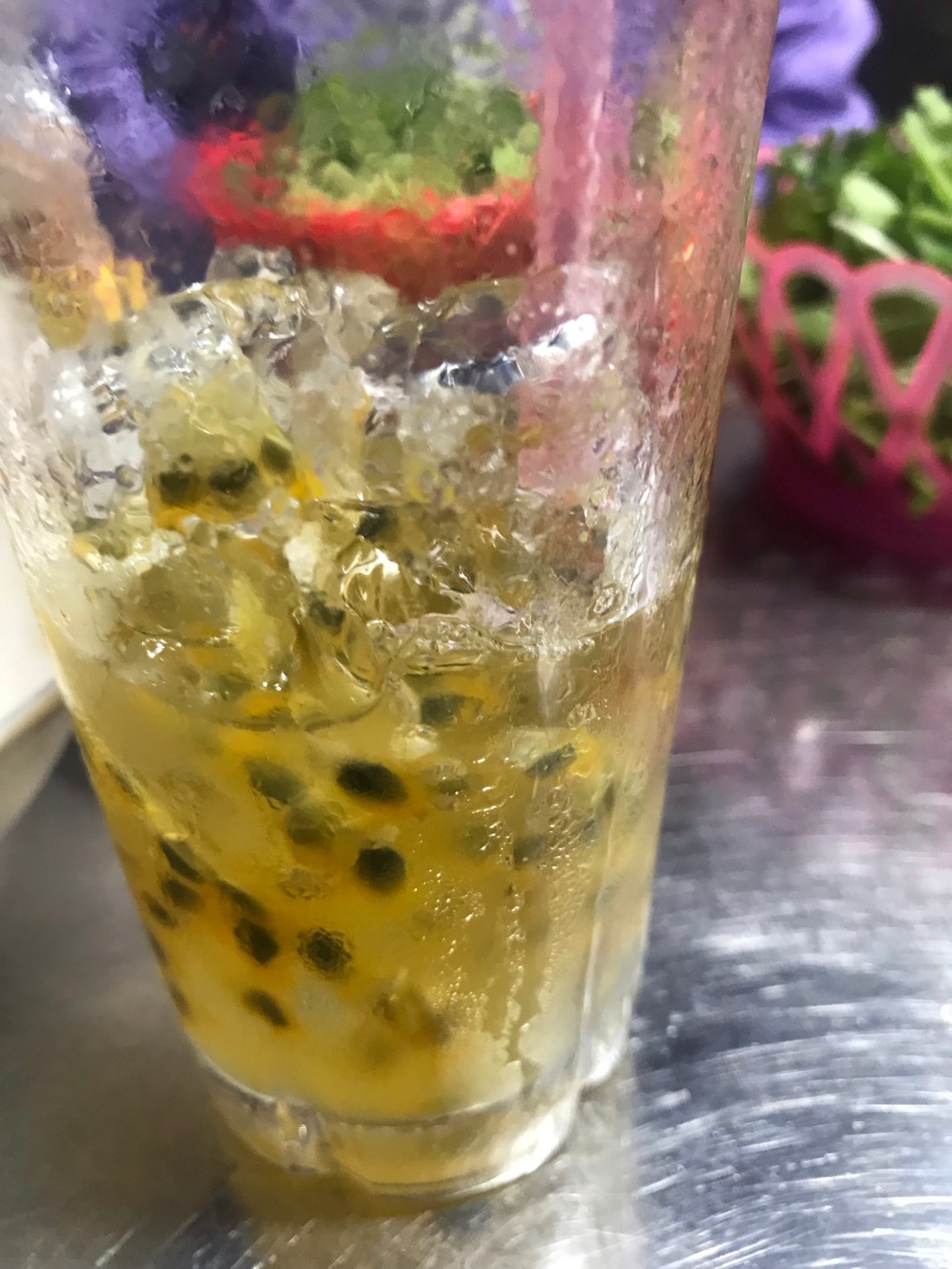
Today I had a great example of veggie food that was just veggie. I guess the tofu maybe looked a bit like a meat substitute, but actually this was tofu done deliciously and definitely to be celebrated as a thing in its own right. I followed recommendations from Maps Me and Trip Advisor and went to a restaurant called Claypot. They cooked the food in a clay pot and had a note in the menu saying to beware it would take half an hour to cook to allow the flavours to all intermingle. It was truly delicious. Tofu and Eggplant (aubergine) claypot, preceded by a banana shake and complimentary salted nuts and followed by iced sweet coffee:

I was only too happy to take my time over this meal, having cycled 7km to get there, and after my night train and crazy huge backpack on a motorcycle ride. It was very welcome indeed! The lady also recommended things for me to do in Hoi An.
On her recommendation, I cycled from here to the Pottery Village, where I enjoyed a wander round and another shake and doing a crossword before heading back by a more direct route.

Note the bamboo straw 👆🏼 good use of local resources!

Altogether I reckon I cycled nearly 20km today, which after my challenging journey to get here and on a bike with no gears was pretty impressive I think! I had to stop several times on all the journeys to drink water, and because it felt safer negotiating some corner junctions on foot. By the time I was 1 minute away from the homestay I was pretty exhausted and had to stop again!

Then I arrived to a welcome from Dzung who fetched me a big bottle of water and perched on my bed while I asked her if she could book me a taxi (CAR, not bike, I hastened to add) to take me to the airport on Sunday morning. Thank goodness for Google Translate, which enabled us to communicate. And also for her ?grandson who helped as well. She’s so tiny, she sat on the bed and swung her legs merrily during this whole exchange, ringing another relative to find out the cost of the taxi to the airport for me as well.

Tomorrow I have booked tours for both the morning and afternoon and they will pick me up and drop me off as part of the tours. On motorbikes. But at least this time I won’t have a huge backpack on! After all the cycling today I am glad for that, too, to be honest.