I just read this wonderful and deeply true sentence:
In a consumer society, contentment is a radical proposition. (Braiding Sweetgrass by Robin Wall Kimmerer (London: Penguin Books, 2020, p.111)
Sing to the Lord a new song; sing to the Lord, all the earth
Could this be the new song we could sing, along with all the earth? A song of contentment, recognising with gratitude the provision of the earth?
Kimmerer continues:
Recognising abundance rather than scarcity undermines an economy that thrives by creating unmet desires.
I’ve been thinking a lot about money lately. And speaking about it. I think we need to find a new way with it. I need to find a new way with it. Well, perhaps a very old way with it actually. About which I will be writing more. But for now, I am taking this ancient wisdom as a gift this morning. And naming and giving thanks for the abundance from the earth that I have access to, even in my urban setting.
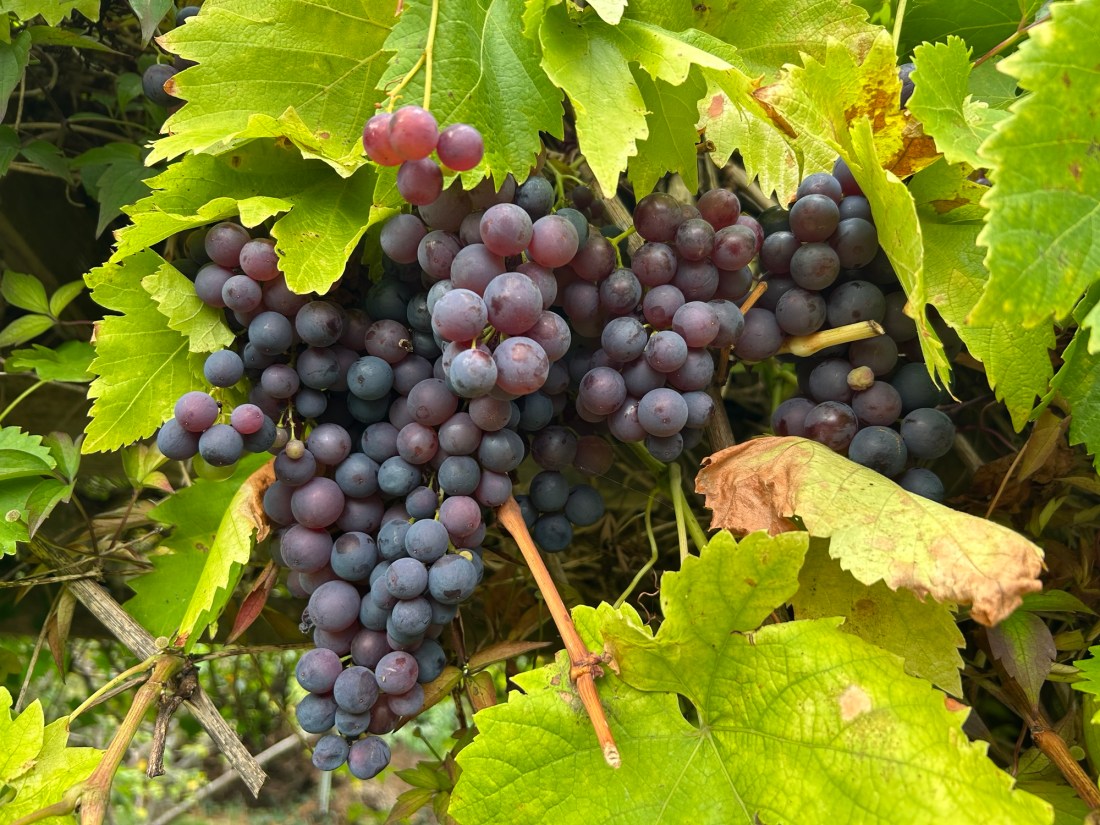
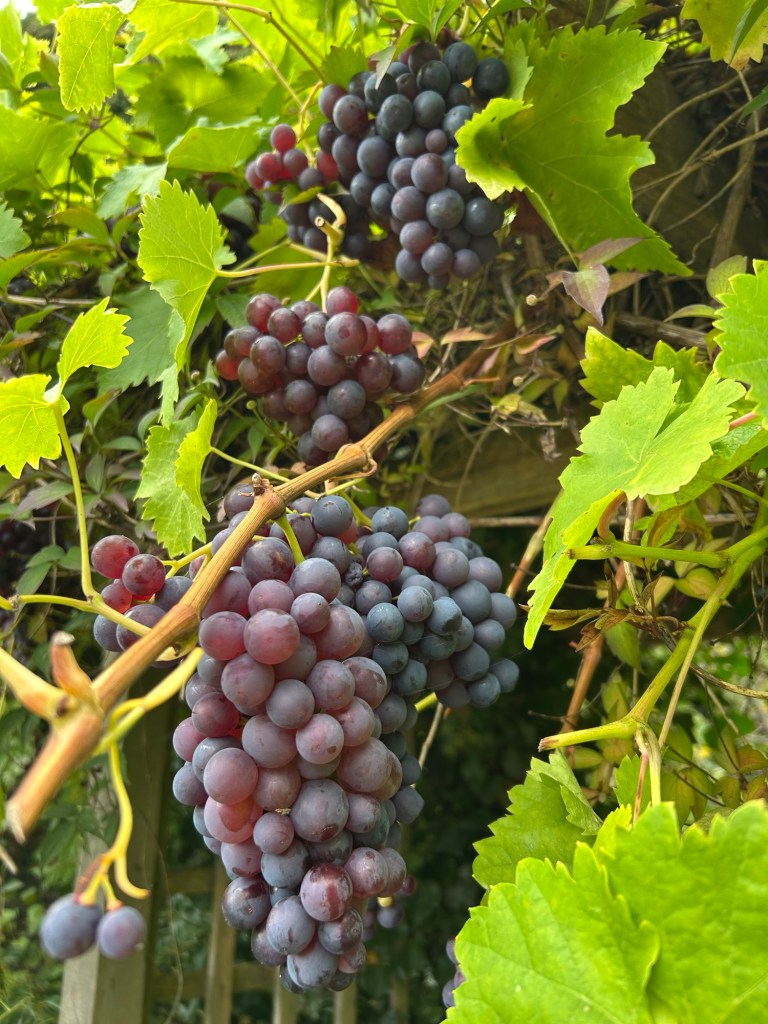
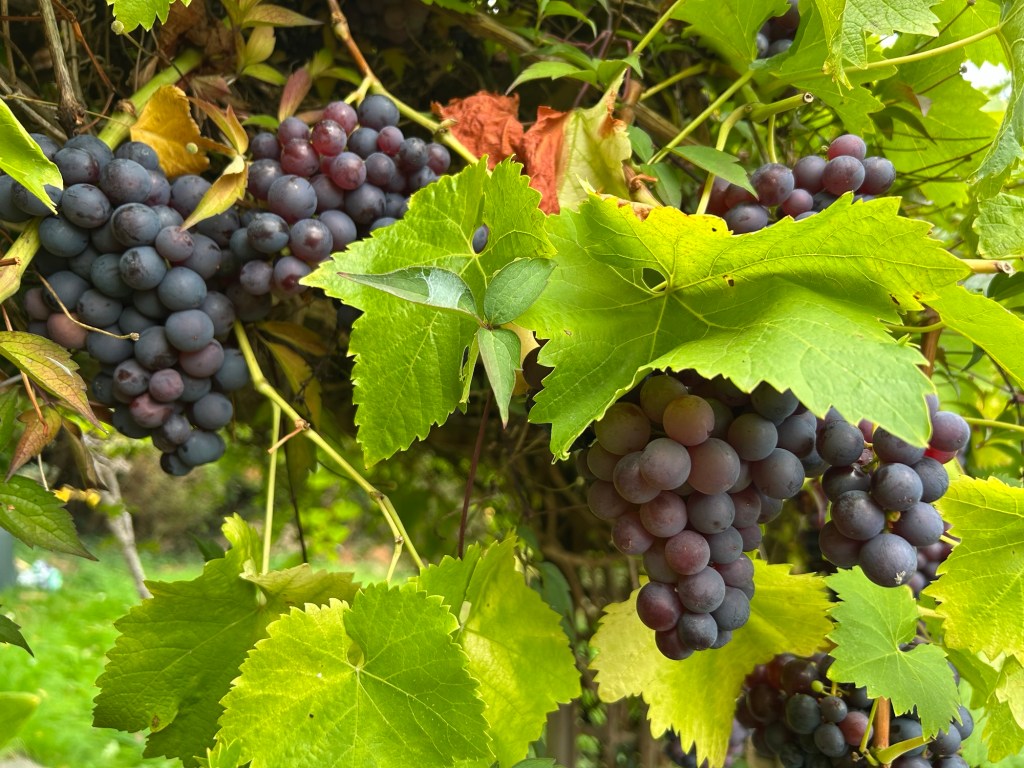
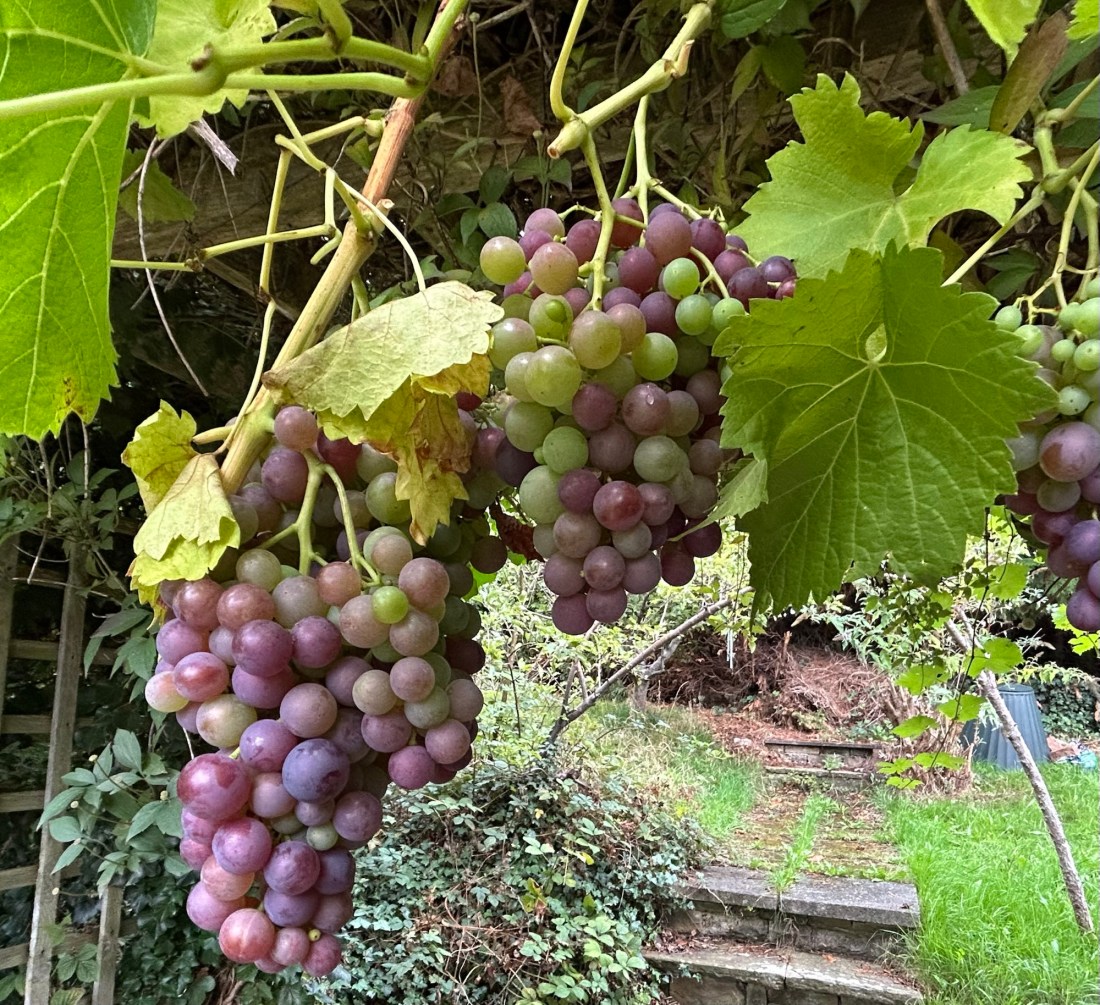
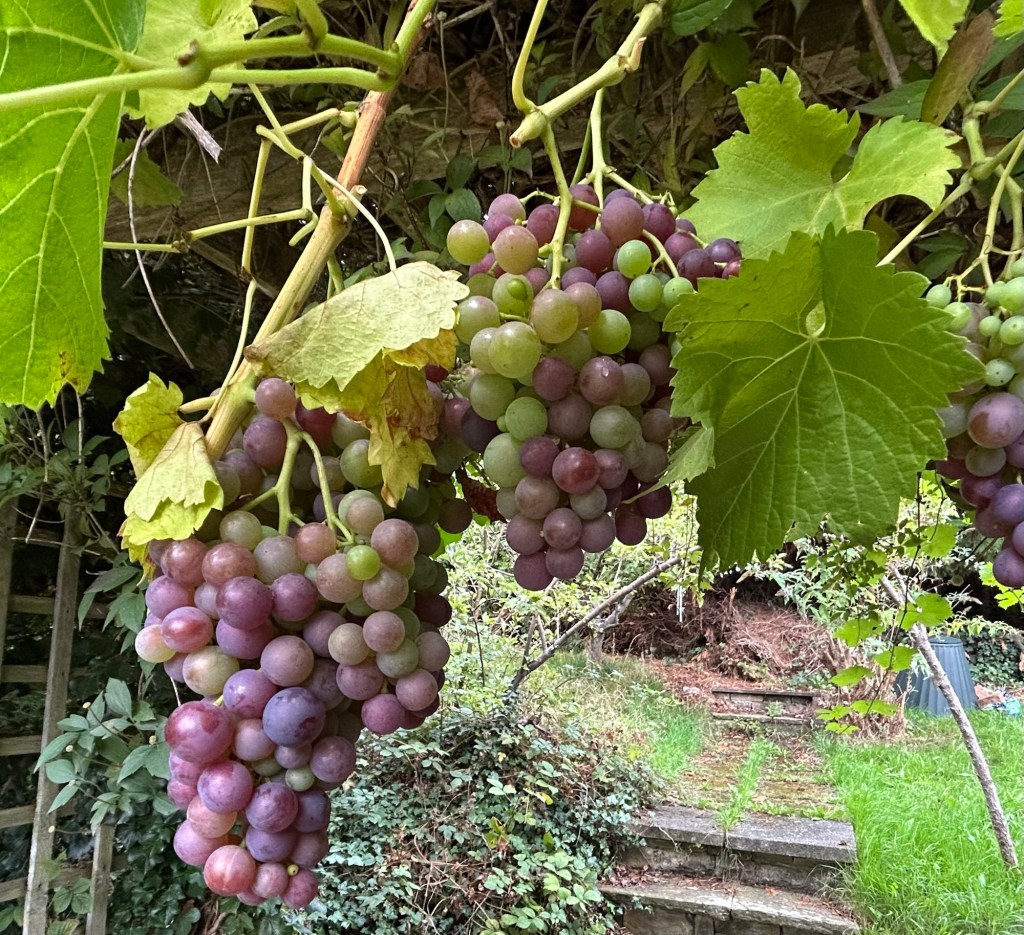
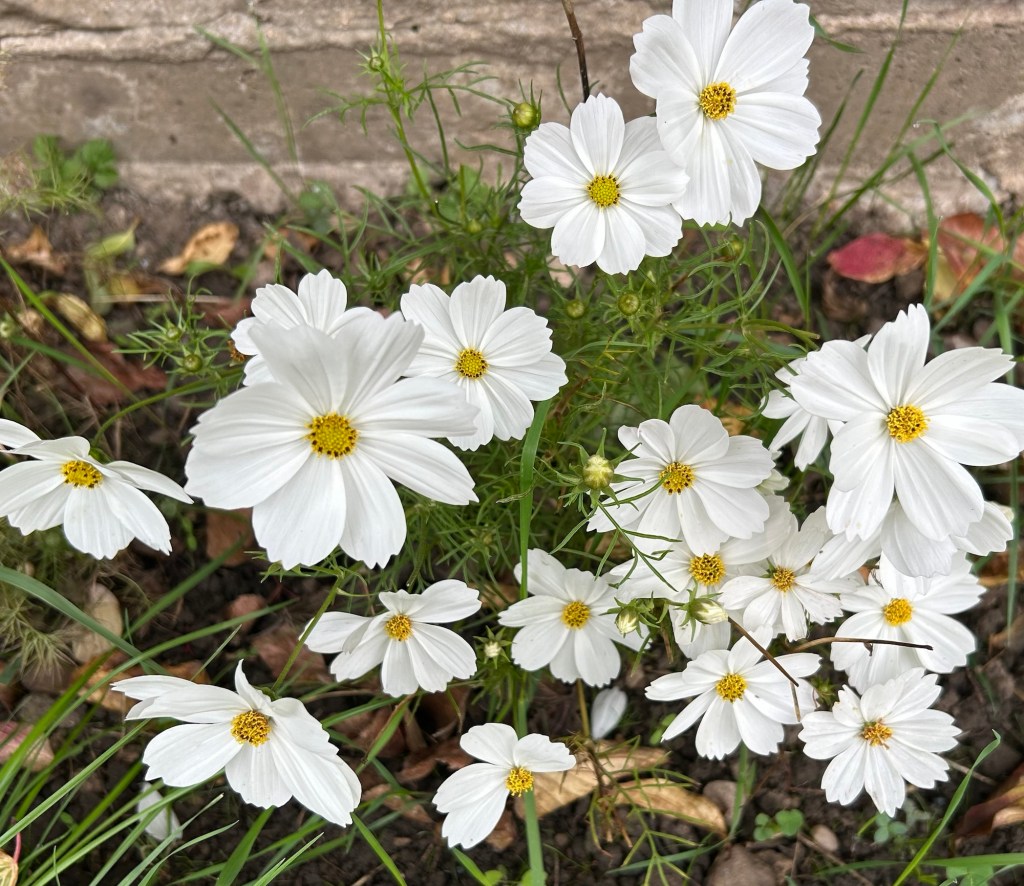
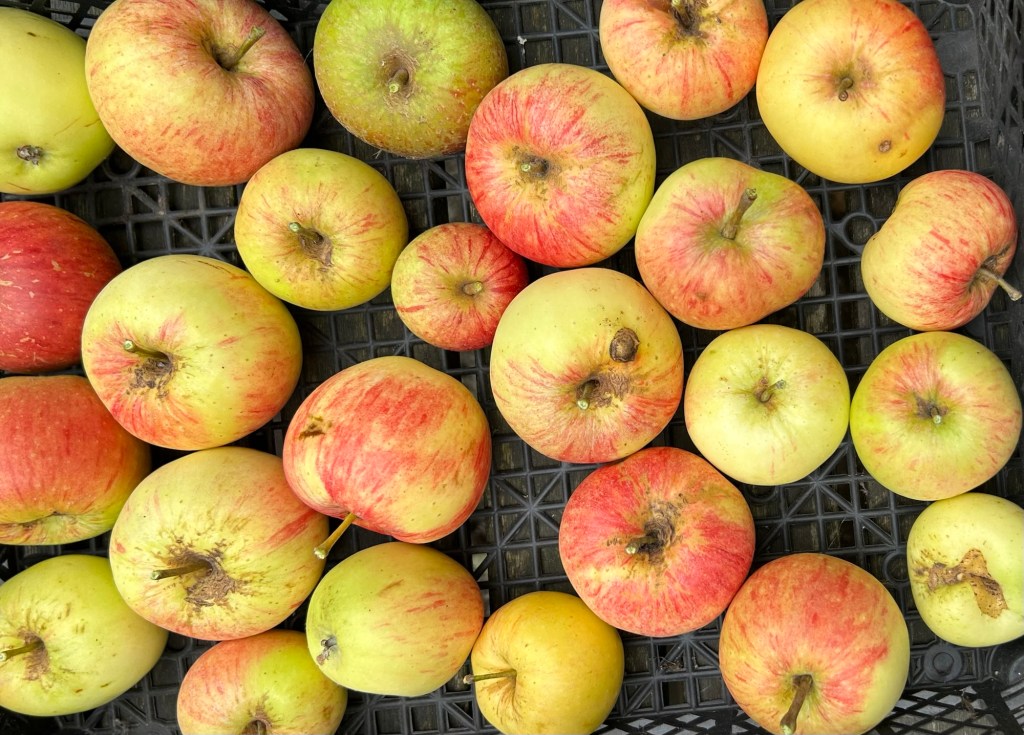
Once more, the garden is surprising me with its abundance, bursting into autumnal life. I can sense the roots of the plants drinking in welcome rain after the heat waves of the summer. The flowers and fruit are not half hearted, paltry offerings, but prolific. The apples have struggled, fruit dropping to the ground prematurely from heat exhaustion and lack of rain. But even this year, we still have plenty of edible fruit.
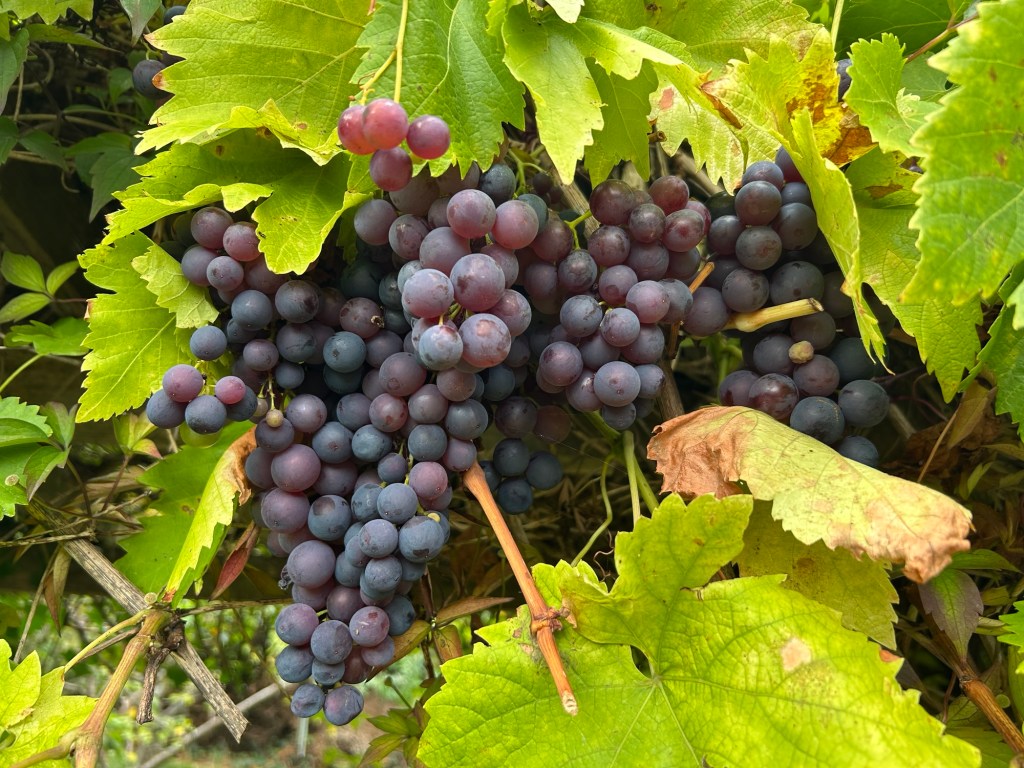
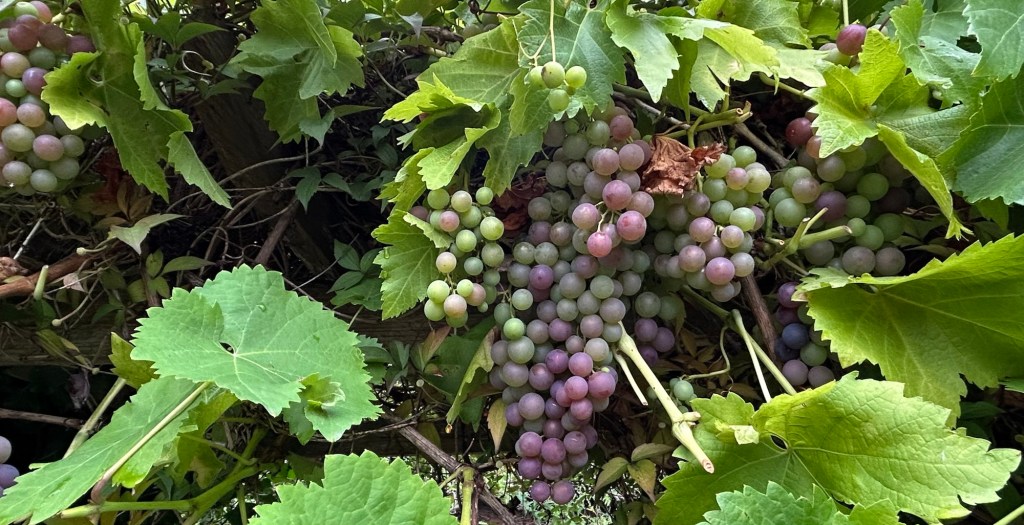
Over the past 15 years we have been watching and learning slowly the ways of our fellow creatures in the changing seasons. We now know to cut away vine leaves once the grapes are beginning to change colour, to allow them access to the sunlight that will ripen them more effectively. I wonder what difference that will make?
We also know the apple tree offshoots and deadwood that crisscross other branches need pruning away in the winter/early spring, and the excessive fruit thinning out at a key point in the spring, to give the remaining apples the nutrients to grow to their full potential. There were definitely more less blemished and bigger apples this year as a result.
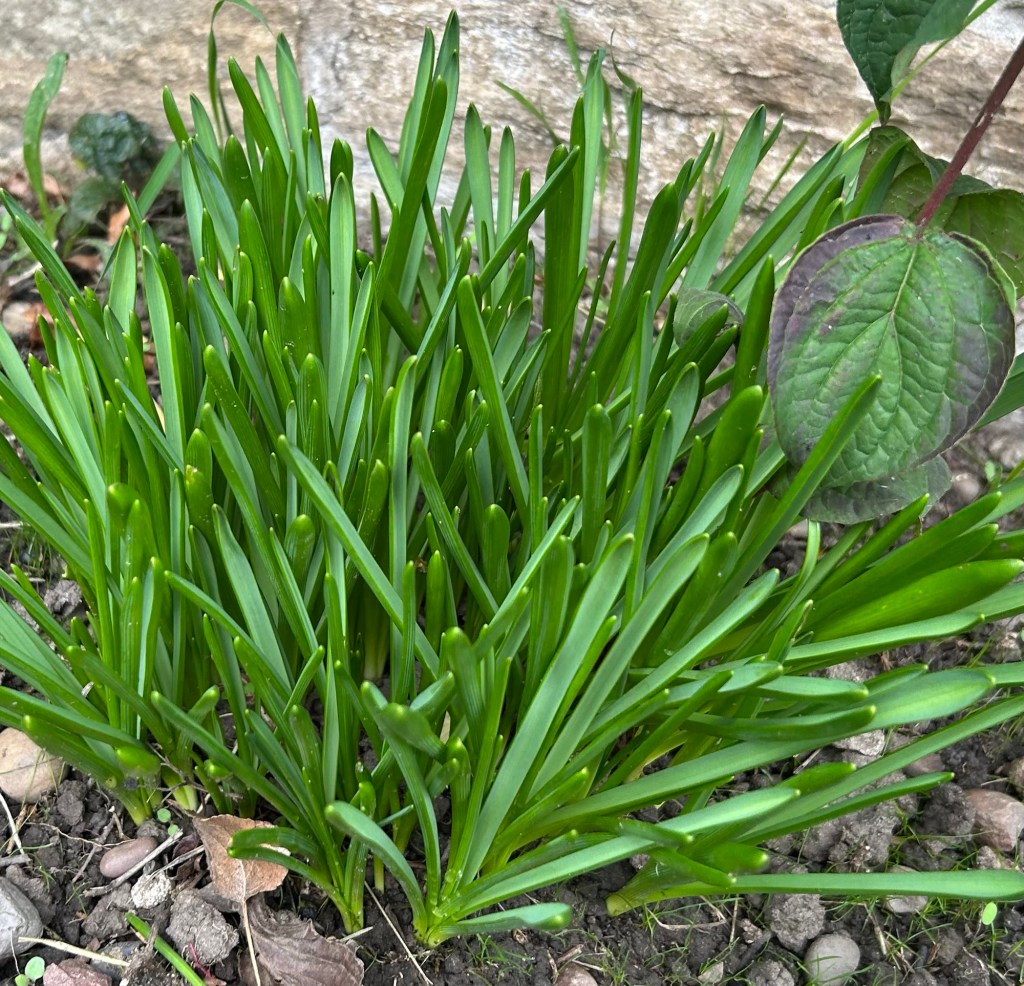
Some of the wildflower seeds we sowed rather late on have popped up wonderfully, even after I had given up hope.
But the last couple of years have felt like they have marked a systemic change in the climate, with repeated, extended heat waves in the UK in the mid 30s°C. In my childhood the temperature never got that high. I was born in 1977, the year after a previous extended heatwave in the UK, the like of which I’d never experienced until the last few years.
It is surely high time to pay attention to what we are doing to the earth, which is sending us such clear signals of the destruction our ravenous exploitation is causing.
How could we nurture the generous abundance of the natural world and work with it, rather than exploiting it?
The recent collapsed glacier in Nepal, with such horrendous loss of life (and infrastructure) is at the forefront of my mind at the moment. I am praying for the rescue efforts, the people directly affected, and for Nepal’s government and all the people dealing directly with the aftermath. But I am also praying for much more widespread systemic change to the way we are living, particularly in the richer countries of the world.
I heard Mike Berners Lee some years ago, saying that every organisation, commercial company, not for profit or charity should have protection and nurture of the earth as one of its core aims. If that isn’t one of the core aims, what’s the point of whatever is the core aim? Because, well, what is the value of anything (charitable or otherwise), once we have trashed our planet and made it uninhabitable?
I have found the ancient story of « The Children’s Fire » instructive on this, too. It is retold well here by Mac Macartney. Have a listen. Just under 15 minutes of your life to begin to attend to it (I would skip the text and scroll down to the video on Vimeo; you can watch it direct from the website without signing up to Vimeo): https://macmacartney.com/the-childrens-fire-blog/